Episode 20 of Where the Mask Ends (嫁金钗) turns a private divorce into a public contest. Han Liao (韩辽) arrives shirtless at Zhuyu Villa (祝余山庄), asking to marry Wei Rao (魏娆). Lu Zhuo (陆濯) enters a duel while sick. Bitao (碧桃) waits in the shadows. The palace pushes suitors forward, yet every move exposes a different hunger: one man wants to own Wei Rao, another wants her safe. The crowd watches, and the real question is simple: who wants her, and who truly sees her?
A Suitor’s Gamble
Han Liao’s bare-chested apology is theater. He kneels, muscles shining, and calls it remorse. Wei Rao’s maid can carry eighty jin (斤) of firewood; what can he do? He offers to become her riding slave. Qi Zhongkai (戚仲恺) snaps that even a riding slave should not be fought over. The joke lands, but the mood does not soften. Wei Rao does not laugh. Han Liao keeps looking at her title and dowry, not at the woman in front of him.
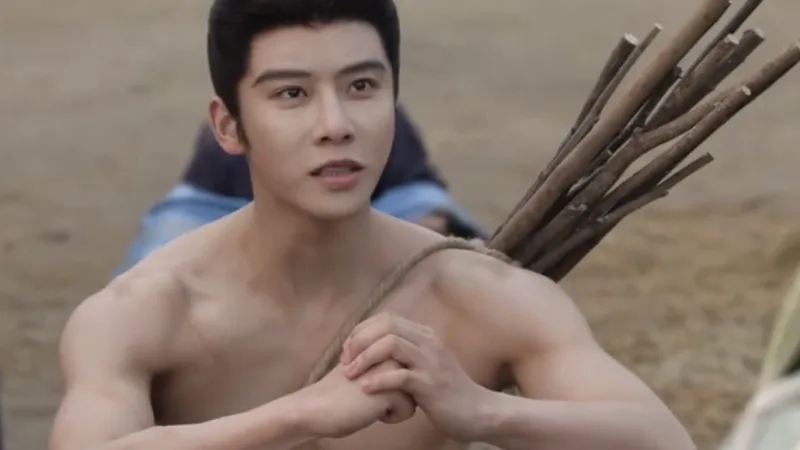
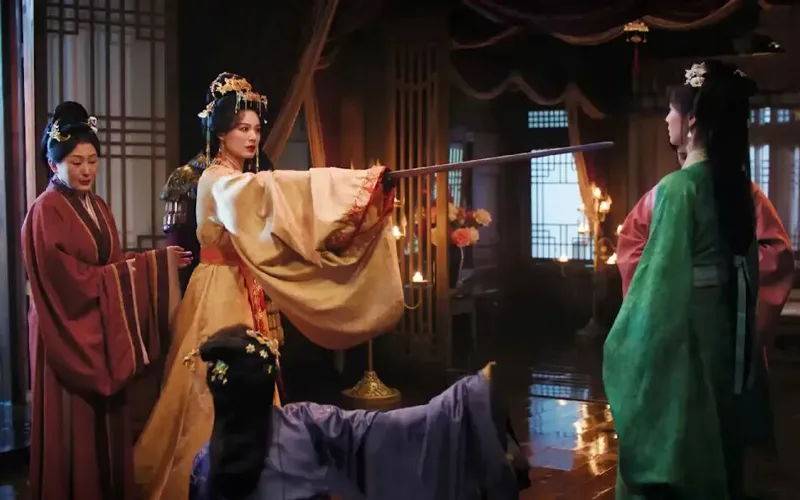
His courtship hardens into force. After losing the martial contest, he sets a trap to force a wedding. Wei Rao strikes first; Lu Zhuo arrives to break the circle. Han Liao mistakes appetite for love. He wants to conquer what he cannot hold, and her resistance only sharpens the chase. That is ownership wearing romance as a mask. No matter how low he bows, the goal stays the same: possession. Her whip answers before his excuses do.
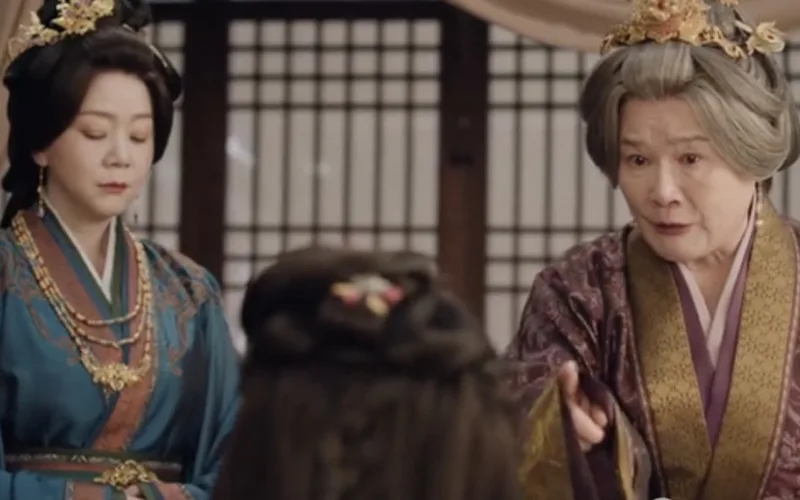
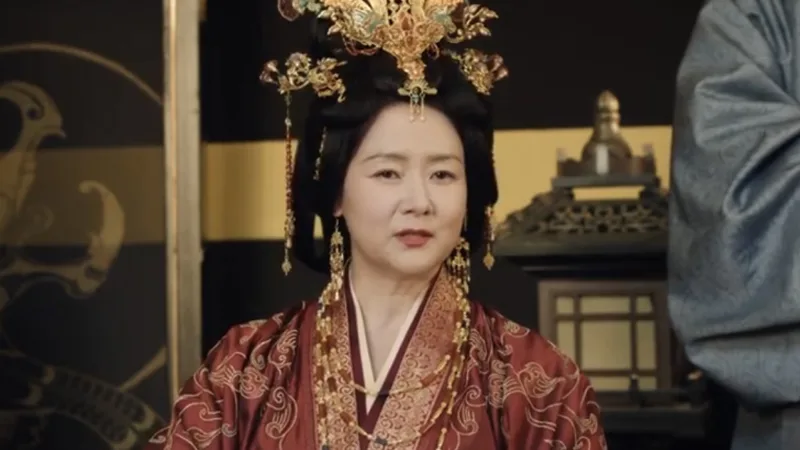
Emperor Yuanjia (元嘉帝) opens the contest, and Han Liao takes fifteen straight wins. The Empress and Empress Dowager press Wei Rao toward him, leaving her cornered. Lu Zhuo, still ill, enters the ring and wins despite a hidden arrow. Han Liao’s scheme accidentally gives the divorced couple a quiet chance to speak. The crowd sees a winner; Wei Rao sees who bled for her.
Silent Devotion
Wei Rao asked for divorce to keep Lu Zhuo from harm. He accepted, yet his feet move before his pride: when she is trapped, he steps forward; when danger appears, he forgets his fever. His care lives in action, not sweet words. The duel, the rescue, and the look he gives her all say what he refuses to announce. He looks worse than he admits, but he still stands between her and trouble.
Bitao’s story cuts deeper. Demoted after swapping a longevity lock for Guo Yufeng (郭虞凤), she works at Zhuyu Villa as if punishing herself. Wei Rao finally forgives her, and the two mend their bond. Then an arrow flies on the road. Bitao takes it for Wei Rao and dies. The maid who once carried firewood now carries the heaviest cost. The loss lands on Wei Rao like a second arrow, leaving no time for repayment.
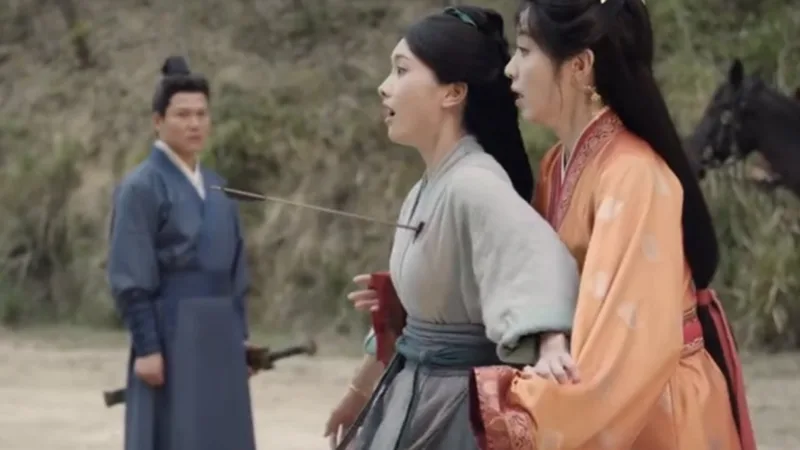
The contrast is clear. Han Liao talks about wanting Wei Rao; Lu Zhuo watches whether she is well. One treats her as a prize, the other as a person. The drama does not need a grand speech. A sick man standing in a dueling ring, and a former maid returning to serve, say enough. Loyalty costs more than any contest.
Palace Reckoning
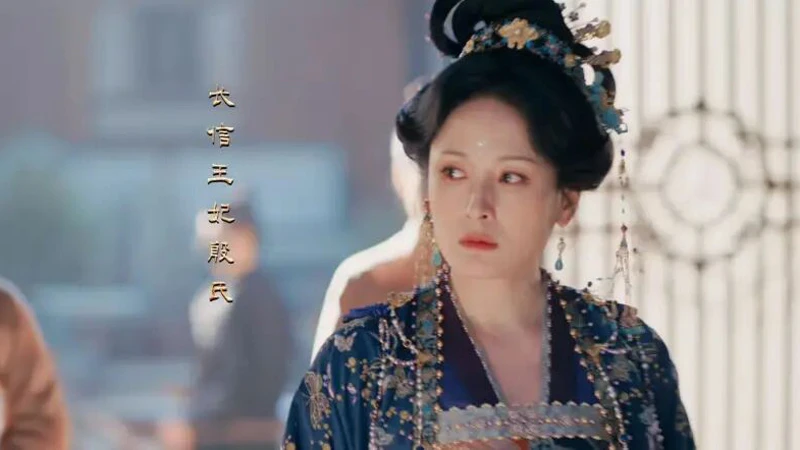
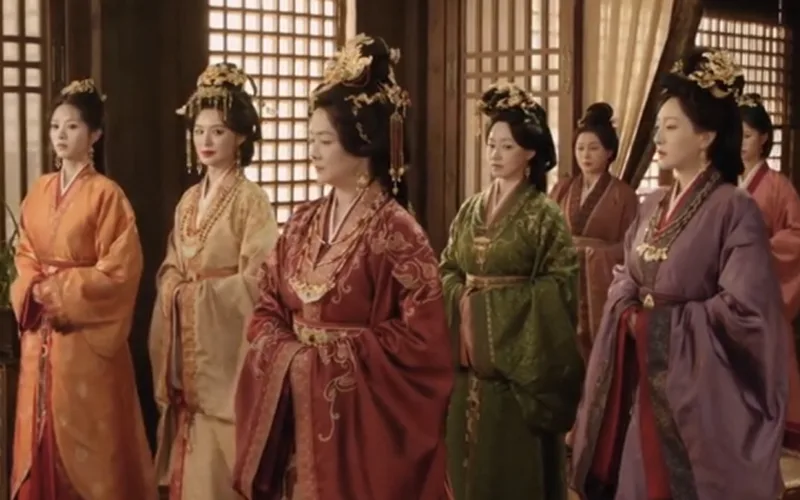
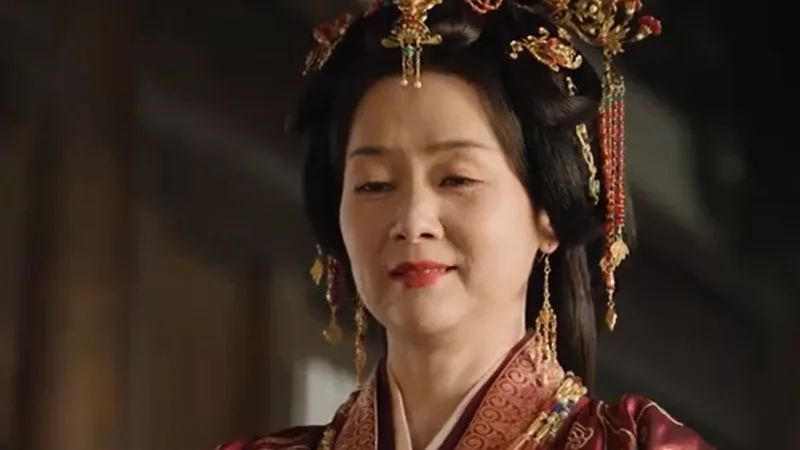
The Empress refuses to stop. She ambushes Wei Rao outside the city, then insults her inside the palace: remember your low birth; only obedience keeps you alive. Bitao’s death means nothing to her. Wei Rao’s old suffering becomes a mocking line. Such cruelty cannot be answered with patience. The palace calls it discipline; it is revenge with a seal, and Wei Rao must decide whether to kneel or strike back.
Lu Zhuo slips into Wei Rao’s chamber at night and holds her. They choose to face Han Liao and the Empress together. Wei Rao also joins hands with her mother Zhou Fu (周芙). The alliance is not romantic only; it is practical. The counterattack ends with the Empress reduced to commoner status and the Empress Dowager imprisoned. Those who used rank as a shield finally feel what it is like to lose it.
Han Liao wanted Wei Rao and the fame around her. Lu Zhuo worried whether she truly lived well. A person who keeps you in their heart and shares trouble is rare. If you meet one, do not lose them. The ending leaves a bruise and a warning. That quiet truth outlasts every loud apology and every political scheme.