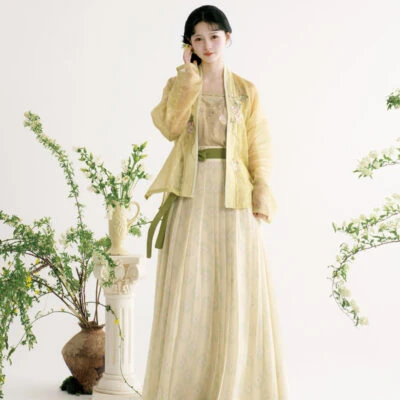
A recent behind-the-scenes photo of Chen Yao (陈瑶) in a Guanyin-inspired look made viewers stop. A thin white cloth rested on her head. No crown, no gold, no heavy ornament. Some people first called it a bridal veil. It is not. The cloth points to a longer visual habit: images of White-Robed Guanyin shaped during the Song and Ming periods, when painters borrowed headwear from ordinary women. That small layer asks a larger question. When did a goddess begin to dress like a neighbor? The answer sits in temples, scrolls, and now screens. It also explains why one soft piece of fabric can feel more moving than a whole crown of jewels.
Cloth From Daily Life
In many old scrolls and temple paintings, White-Robed Guanyin wears plain robes and a soft cover over her head. The image is not a copy of ancient Indian Buddhist art. It settled later, especially in the Song and Ming eras. Artists of Water-Land paintings and folk sculptors looked at local women. A long cloth could fall from the crown or be tied behind. It was modest, cheap, and familiar. That choice made the figure approachable. A deity in silk and gold might inspire awe; a deity in washed cotton could receive a whisper. The cloth did not lower her dignity. It gave her a place in daily life.
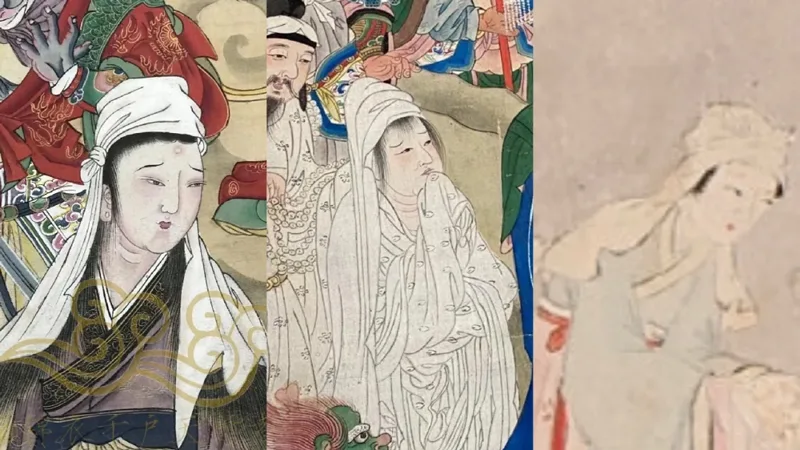
The Song head cloth was not the red bridal veil. It was a plain length of fabric, sometimes draped, sometimes knotted at the back. Women wore light cloth outdoors, at home, and while praying. It half-covered the brow and created calm. Painters did not invent a heavenly costume. They copied what they saw in courtyards and shrines. The result was not less sacred. It was more human. A face under soft cloth can seem attentive, as if it is listening before anyone speaks. That quiet attention became part of the image’s power.
By the late Ming, another wrap became common among female worshippers. A long cloth fell from the top of the head, with ties pulled back. It looked neat and unshowy. When artists painted White-Robed Guanyin, they moved this real garment onto her. Soon the plain robe plus white head cloth became a signature. Donors and praying women in the same paintings often wear similar covers. The holy figure and the human witness mirror each other. White also carried a simple idea: purity, no stain. The cloth balanced distance with nearness.
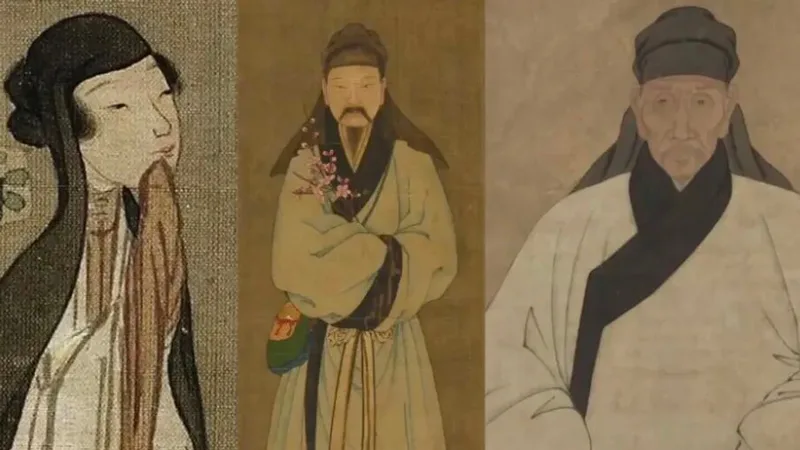
This borrowing was practical, not accidental. A painter needed a form that ordinary viewers could trust. Familiar clothes did that work. They told a worshipper that mercy could sit beside her in the same room. The veil also hid the hair and softened the outline of the face. It created shade without a wall. In a crowded temple, that quiet frame helped a painted figure hold attention. The cloth was small, but it carried a message about who could approach the divine.
Softening Divine Power
Chen Yao’s version follows this visual line, though the gauze is lighter than most temple images. It falls over the shoulders instead of sitting stiffly. That softness matters. A heavy crown says, “Do not come close.” A thin veil says, “Sit here and tell me what hurts.” The change is small, but it shifts the emotional temperature. Viewers may not know Water-Land paintings or Ming headwraps, yet their eyes recognize the signal: mercy without display.
This is why the look feels familiar rather than random. Film and television repeat the image, and repetition turns history into instinct. Many people now assume Guanyin always wore white cloth. The truth is more interesting. Artists across centuries kept borrowing from living women, then later creators borrowed back from those religious images. A private prayer habit became a public icon. The veil is a chain of copies, each one adding a little tenderness. No single designer invented it. Many hands made it normal.

The white cloth is not a wedding leftover or a random costume trick. It records how Buddhist art became local and ordinary. The goddess did not simply descend with a veil. Generations of painters and worshippers gave her the clothes of their mothers, aunts, and neighbors. Chen Yao’s photo pulls that hidden line into view. Behind one thin layer of gauze lies a long exchange between faith and daily life. The image works because it remembers that exchange, even when the audience does not.
Would you like this kind of white head cloth, or does it feel too quiet for a goddess? The question is fair. Some viewers want radiance and distance. Others want a face they can trust. The veil holds both sides. It keeps a trace of holiness, but it refuses to turn holiness into a wall. That may be why the look survives. It does not shout. It waits. In a noisy visual culture, a soft cloth can still make people lean closer and ask who is underneath.