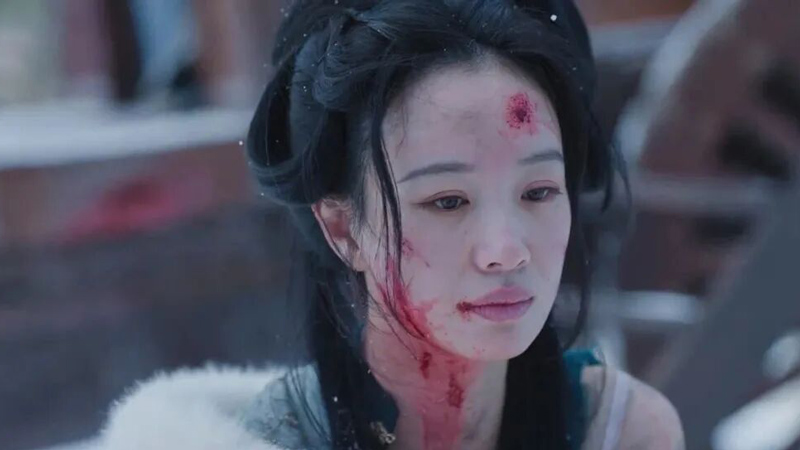
In the last snow of Against the Current (兰香如故), Zhao Xingtang (赵星棠) kneels with torn sleeves and a sealed letter that could destroy the Lin family (林家). She pushes it into Xu Lanxiang’s (许兰香) hand. No scream. No oath of revenge. Only a question: “May I call you Xingtang?” It lands like a soft blade.
The letter could burn the Lin family; the question burns the audience. That single line breaks the show’s cruel rules. It also separates Against the Current from ordinary Zhaidou (宅斗) dramas, where women fight for a master’s favor. Here, the fight is for the right to be seen as a person before death. The snow does not forgive. The whisper does.
No Way Out
Zhao Xingtang was born inside the Zhao family, granddaughter of Zhao Gelao (赵阁老), a legitimate daughter with silk and tutors around her. Yet she never owned her own life. The family ledger treated her as an asset. Marriage made her a caged bird. Dai Siqing (戴寺卿) saw her as a ladder to rank. In a world that placed men above women, she could not study for exams, run a shop, or choose a husband. Her cousin lied to her. Her relatives sold her. Her wedding night was two strangers sharing a room. Then came pressure for a son, and her mother suggested a pretty maid’s body as a substitute. The cruelty was not loud. It was polite, domestic, and absolute. Her intelligence was not allowed to become a career; it was forced into survival.
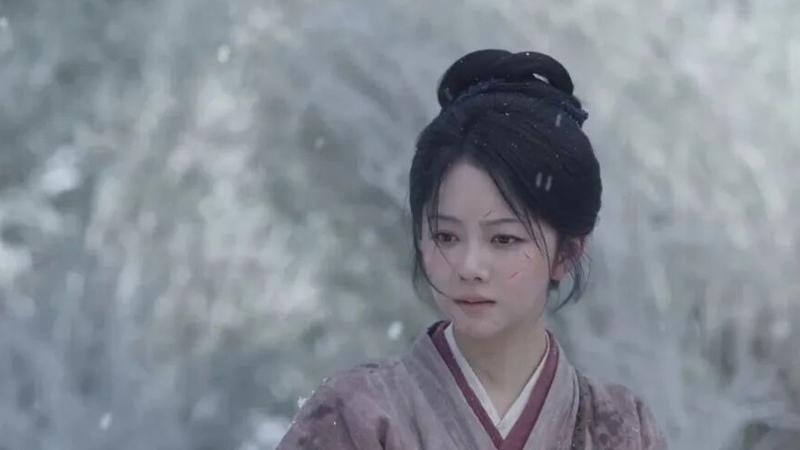
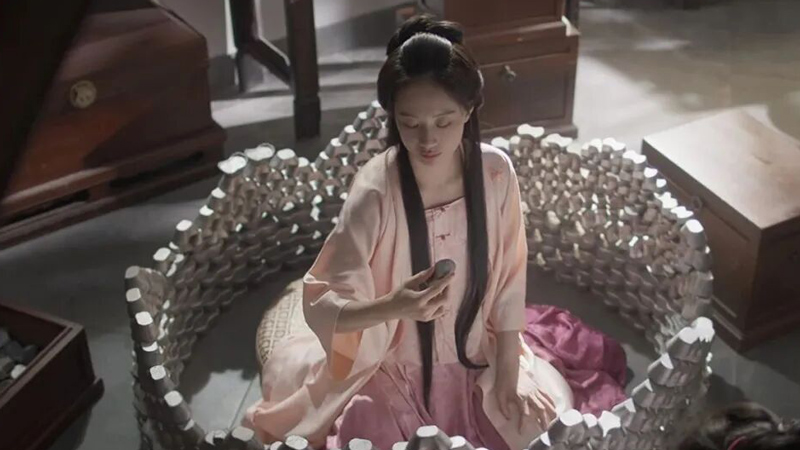
So she learned money. She saved, lent through Yinzi Qian (印子钱), and held the household keys tight. People called her greedy. They missed the point. In a time that offered women no exit, cash was the only door she could touch. It bought silence, servants, and a little room to breathe. She believed it might buy freedom. Her father broke that belief with one sentence: as long as she carried the Zhao name, no amount of silver could purchase a life she controlled. The Dai family could take her body, her time, and her children. Her purse could not take them back. That lesson turned her sharp. It did not make her evil. She counted coins because counting people had never saved her.
The drama refuses to paint her as a born villain. It shows a prisoner losing softness piece by piece. Her arrogance, schemes, and wild outbursts are scars, not hobbies. She wants a way out. Her one tender spot is Qingxiang (青葙), the maid who grew up beside her. When she must choose between household power and Qingxiang’s marriage, she struggles, then still loses. She values silver, yet fears Qingxiang will suffer, so she gives her six hundred taels as dowry. After entering the Dai house, she helps Qingxiang divorce and brings her back. This is not a woman without feeling. Every explosion, every choice that looks mad, carries the grief of a trapped animal beating against bars. Even her cruelty is shown as a language learned in a house with no exit.
Mercy Across Hate
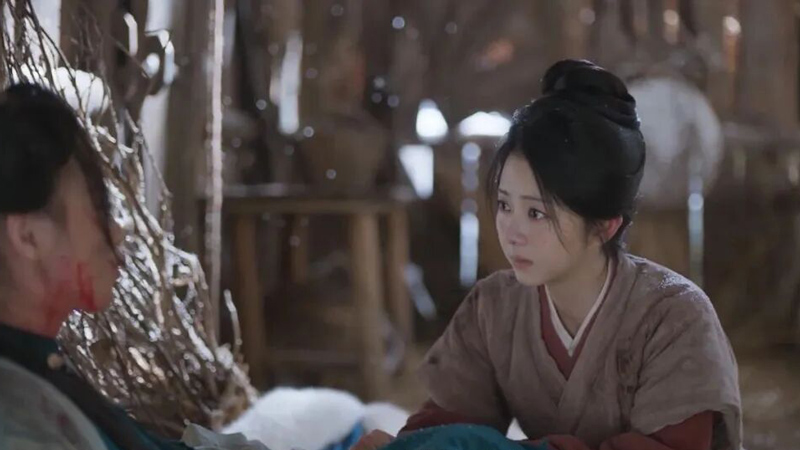
What makes her death unforgettable is not only her private tragedy. It is the rescue that crosses old hate. Zhao Xingtang has been abandoned by relatives and abused by soldiers. The person who stands in front of her is Xu Lanxiang, a woman she once watched, pressed down, and humiliated. Xu Lanxiang does not offer revenge. She offers a name. “Xingtang.” Not mistress. Not daughter. Not wife. Not a pawn. The word strips away every label and leaves a person. For one breath, Zhao Xingtang is not property, not a threat, not a tool. She is simply herself. That recognition costs nothing and changes everything. It is the mercy the whole system denied her. No one else in that frozen yard calls her by her given name.
Xu Lanxiang burns the evidence Zhao Xingtang gave her. She does not keep it as a shield or a weapon. The paper could ruin the Lin family and save Xu Lanxiang from future trouble. She lets it curl into ash. This choice matters more than any speech. It says the document will not become another chain. Zhao Xingtang spent years being traded, used, and counted. In her last hour, the proof of her power is not used to buy safety. It is destroyed so that her final act belongs to her, not to the men and families who wrote her fate. The fire is small. Its refusal is huge. She chooses to remember Zhao Xingtang as a woman, not as a case file.
Her last question cuts deeper than the letter: “When will there be a time when girls can go to school like boys, sit for exams, and earn money in business?” It is not a plea for pity. It is an indictment. The answer in her lifetime is silence. She was not born unkind; kindness had no road. She was not born ruthless; the road was paved with teeth. Zhao Xingtang dies in snow, but she leaves behind a demand. Xu Lanxiang survives with ash on her fingers and a question in her chest. The cage may remain, but the whisper has cracked it. One name, spoken freely, becomes a door no dynasty can fully lock. The snow covers her body, but not the sentence.