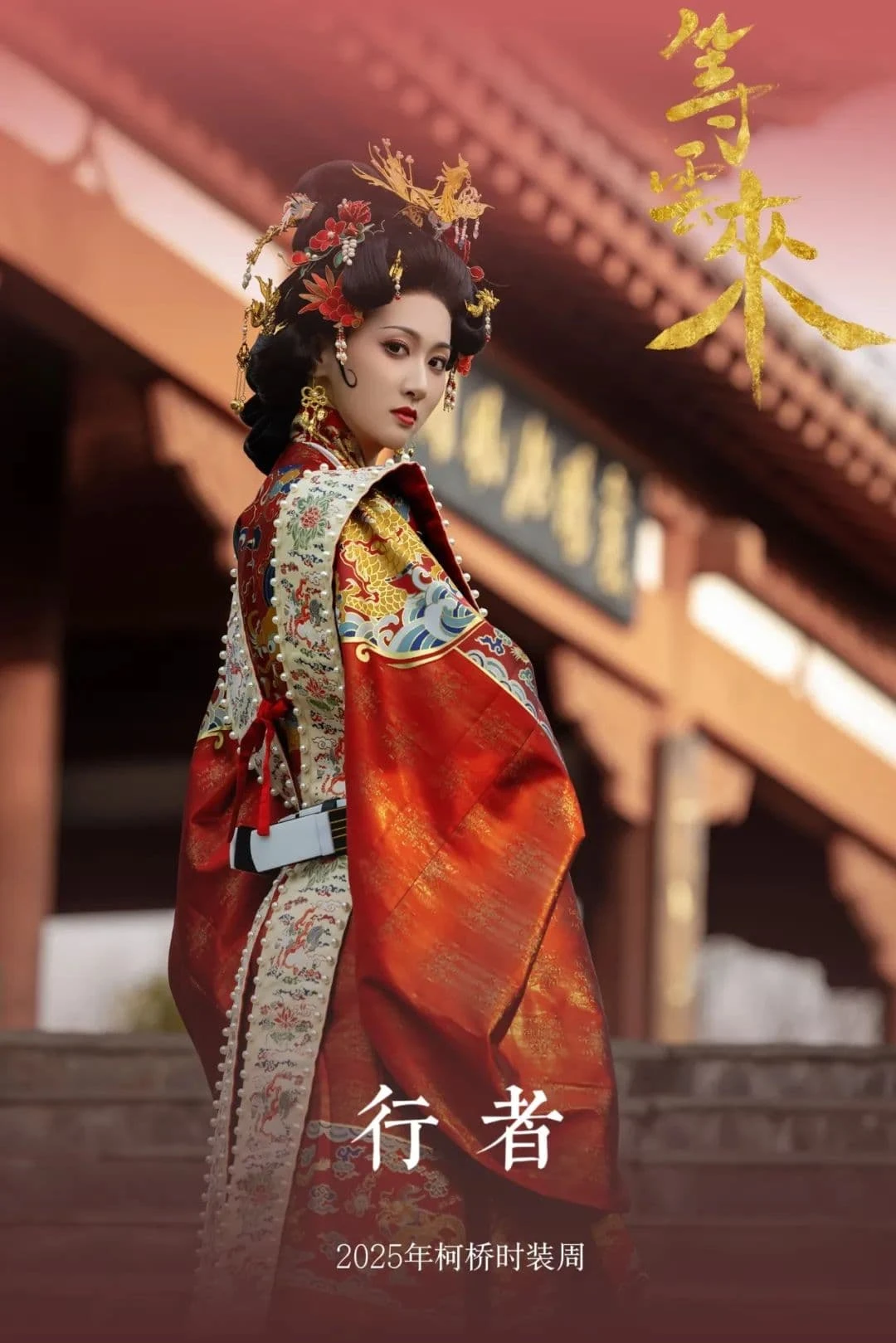
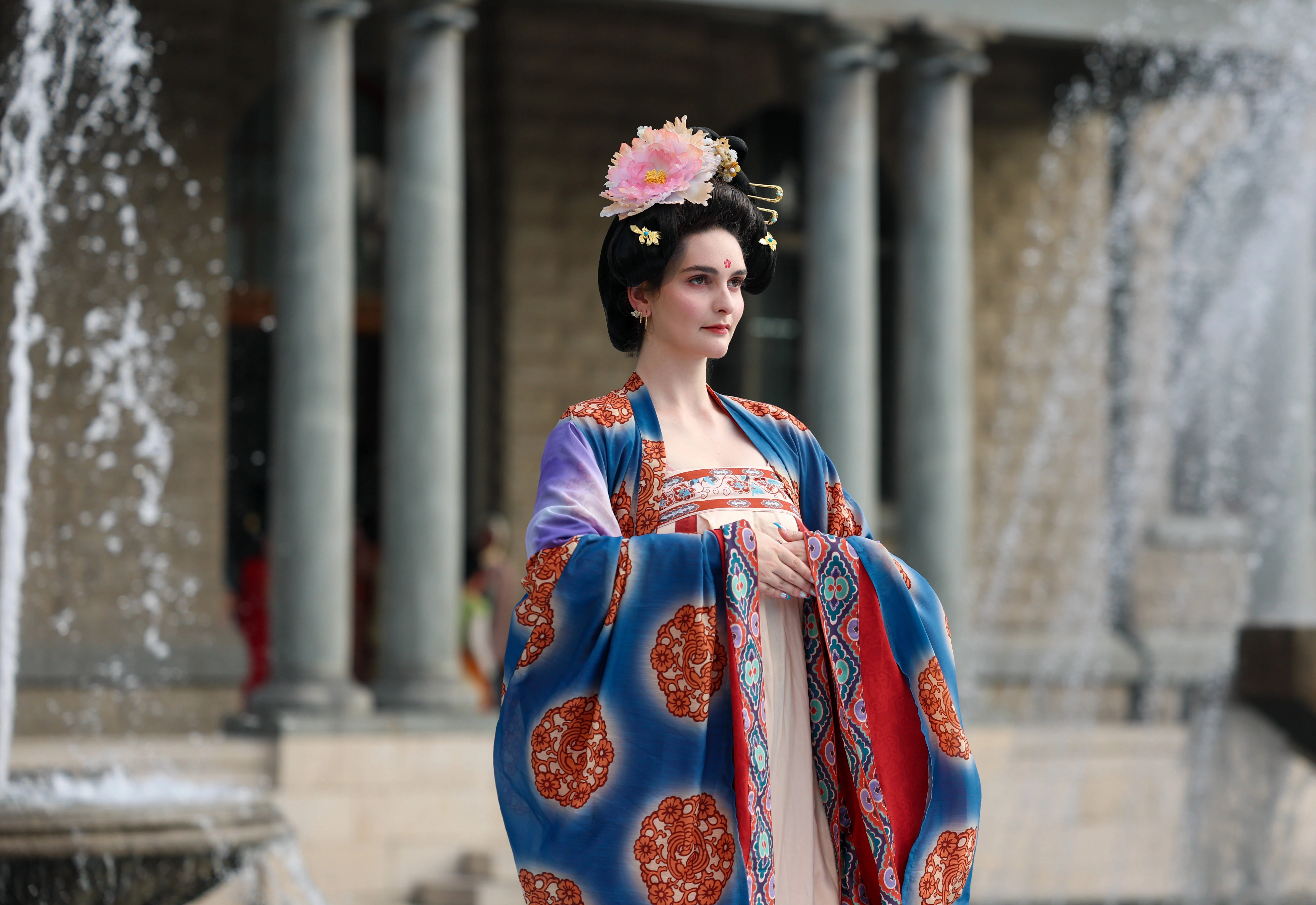
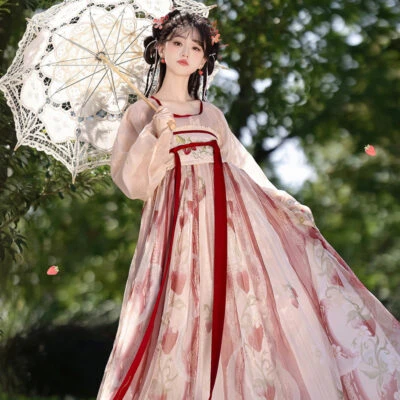
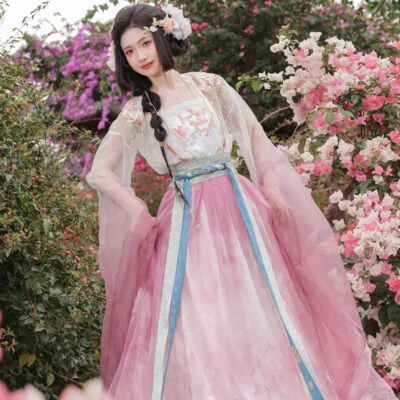
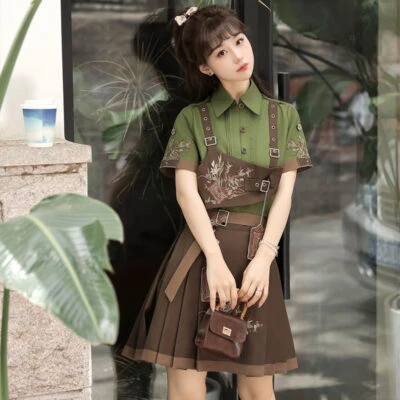
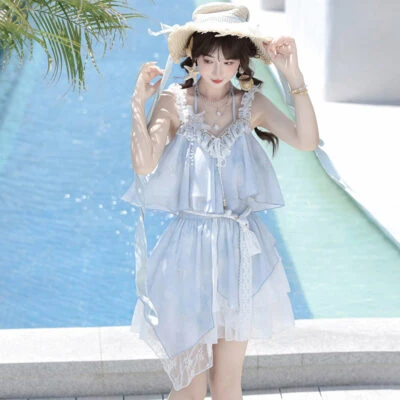
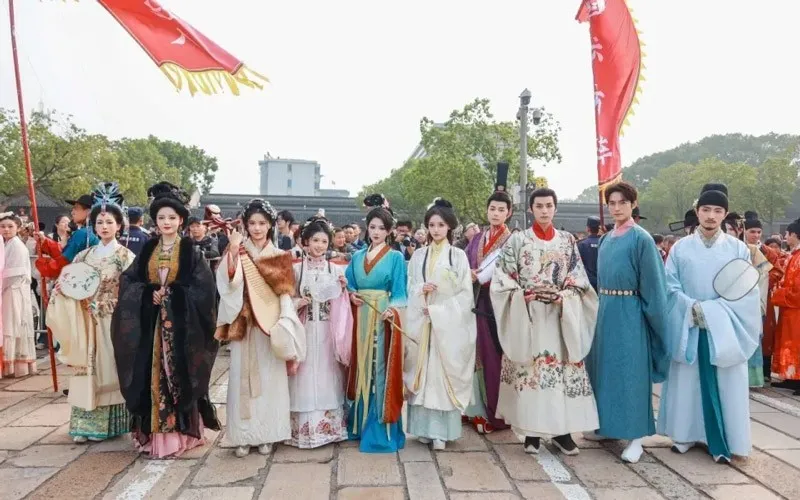
Day four of the 14th Xitang Hanfu Culture Week handed the water town in Jiashan county, Jiaxing, Zhejiang, to Huanshang, its styling theme day: finished makeup and hair put on show, portrait sessions through the lanes, and a procession that visitors can walk along with rather than sit and watch.
| Dates | 31 October to 8 November 2026; Huanshang falls on 2 November |
|---|---|
| Venue | Xitang ancient town, Jiashan county, Jiaxing, Zhejiang |
| What it is | The 14th Xitang Hanfu Culture Week, the longest-running Hanfu gathering in the Yangtze delta |
| Theme | “Fourteen Editions of Rhyme, Xitang Again” |
| Structure | First 1+3 edition: one main event on 31 October, then Huanshang on 2 November, Fuyan on 4 November and Shangle on 5 November |
| Tickets | 95 yuan by day; 60 yuan for the night session from 17:00 to 21:00 on 31 October, 1 November, 7 November and 8 November |
| Birthday rate | Visitors born in November pay 45 yuan by day or 30 yuan at night, 1 to 30 November, with ID and membership registration through the official mini-program |
| Note | 2 to 6 November sells from 8:00 to 17:00 only, with no night session |
What the Huanshang day asks of a visitor
Huanshang is the lightest day on the schedule and the heaviest on portraiture. Instead of staging a formation for a seated audience, the programme puts finished styling on display, sends participants into the lanes for outdoor shooting, and keeps a procession moving through the covered corridors so that bystanders can follow and photograph it. The town supplies the set: walkways over the water, stone bridges, and whitewashed walls that make a coloured robe read from a distance.
That inversion is the point of the day. Opening weekend belongs to the organisers, who provide formations, boats and ceremonies for visitors to watch. On the styling day the crowd supplies the content and the town becomes a backdrop instead of a stage. Arriving without a costume does not exclude anyone: visitors follow the route, use the marked photo points, and watch a look being assembled in public.
Timing carries more weight here than on other days. The gate on 2 November runs from 8:00 to 17:00 only, at 95 yuan, with no evening session, so a visit built around photographs has to start early and finish inside daylight. The outdoor sessions and the procession both sit within those hours, which leaves little room for a late arrival.
Three theme days instead of one long opening
This is the first edition to run a 1+3 structure. A single main event opened on 31 October, and three theme days follow at intervals: Huanshang on 2 November, Fuyan on 4 November with the ten bowls and an autumn banquet, and Shangle on 5 November, when courtyard music takes over after dark. Rather than asking visitors to absorb everything across one weekend, the schedule gives each appetite its own date.
The opening weekend carried the weight. A dynasties carnival at the Yinchuang music camp began at 9:30 with formations drawn from successive periods, including a new set in which artefacts were personified: the Changxin Palace Lamp, the Galloping Horse Treading a Swallow and a Tang sancai camel carrying musicians, their costumes copying the objects’ own patterns. A second formation lifted famous paintings into the street. Aoyu and kunpeng lanterns threaded between them, flower boats ran the canals in the afternoon, a wedding display and boat parade took the evening, and armour kept at the Wang residence went out on procession.
On 1 November the pattern repeated at smaller scale. A door-opening rite at the main ticket gate started at 10:00, a merchants’ parade moved along the water in the afternoon, flash mobs appeared at three fixed points, an archery contest at Yunlan Bay ran from 10:30 to 16:30, a wedding display began at 14:00, and a new-product launch filled the West Garden in the evening. Traffic controls on 31 October covered the lane beside the Muyue hotel and stretches of Huixiu Street, Pingchuan Road and Youdian Road.
Across all days the standing programme does the connective work. A twelve-shichen stamp challenge sends visitors around the town, the Chinese-style market occupies Sandai Street and the Tangjia Lane dock, a dice game runs in the wine culture hall, and a skirt-canopy stage revives the Tang habit of picnicking under a canopy of skirts. Photo points are marked and named. Zhejiang Xitang Tourism Culture Development organises the week with Beijing Huawen Banbu Culture Media, and ticketing splits by day: 8:00 to 21:00 on the two opening days and the final weekend, 8:00 to 17:00 from 2 to 6 November.
Why styling is the hardest part to stage
Styling is where knowledge of form actually shows, which is why it earns a day of its own. A finished look has to agree on one period across three elements: the garment, the hair structure and the makeup. A Ming robe over a Tang-style coiffure, or a Song silhouette under a heavily painted face, reads as costume rather than as dress, and no amount of expensive fabric corrects it.
Hair is the hardest of the three to fake. Period shapes are built on a structural base, with padding and false hair wound into position, and the silhouette has to survive hours of humid air. Makeup follows the same discipline: period faces run from the very pale, small-featured look of one era to the bolder brows and cheek colour of another, and the difference is dating rather than decoration.
First-timers tend to overbuy and underbuild. One well-cut robe in a single dynasty, correctly styled, photographs better than three cheap outfits worn with modern hair, and the queue at any marked point confirms it. The workable order is garment first, hair second, makeup third, accessories last, because each choice narrows the next, and the reverse sequence ends with a costume that cannot be dated to any period at all.
Anyone booking a studio instead of joining the procession can sort the good from the fast with four questions. Which dynasty is the outfit, and does the styling match it? Is the hair built on a base or pulled over a cap? Does the makeup follow the period or the current filter? And does the accessory set correspond to the rank and occasion the garment implies? A studio that answers all four is doing form work, and the vocabulary it uses will sound like the chinese hairstyles and traditional chinese makeup entries in any serious reference rather than like a trend list. One that answers none is selling a photograph and renting a dress.