-
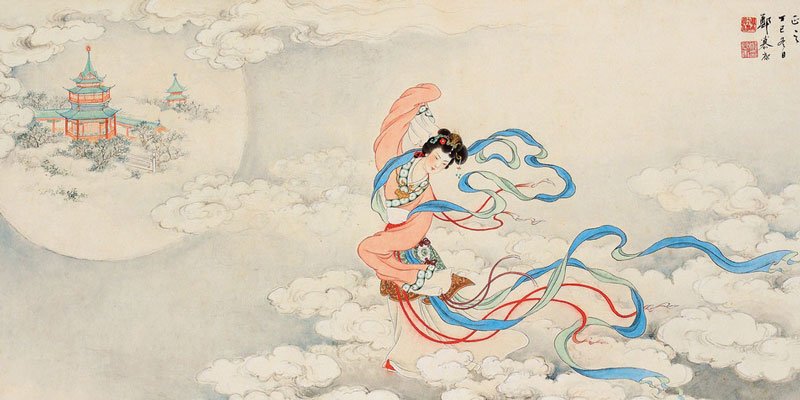
The Ancient Traditional Customs of the Mid-Autumn Festival
The Mid-Autumn Festival, the second-largest folk festival in the Chinese festival system next to the Spring Festival, has spawned countless legends and poems over the centuries. “明月几时有,把酒问青天。不知天上宫阙,今夕是何年?” "How long will the full moon appear? Wine cup in hand, I ask the sky. I do not know what time of the year 'Twould be tonight in the palace on high." In fact, the Mid-Autumn Festival is essentially the "Chinese Ritual Moon Festival", and the worship of the moon by the Chinese people has started since ancient times. "The lonely moon goddess, spreads her ample sleeves, To dance for these loyal souls in infinite space." "Chang'e is dancing in the long sky for ten thousand miles." From Chang'e Flying to the Moon to the lunar exploration program, for more than 2,000 years, people have never paid less attention to the moon. Mid-Autumn Festival was popularized during the Han Dynasty, a period of economic and cultural exchange and integration, when cultural exchanges across the country led to the fusion and spread of festival customs. The term "Zhong Qiu (mid-autumn, 中秋)" was first written down in Han Dynasty literature, and the Zhou Li between the two Han dynasties recorded that during the pre-Qin period,…- 9
- 2
- 610
-
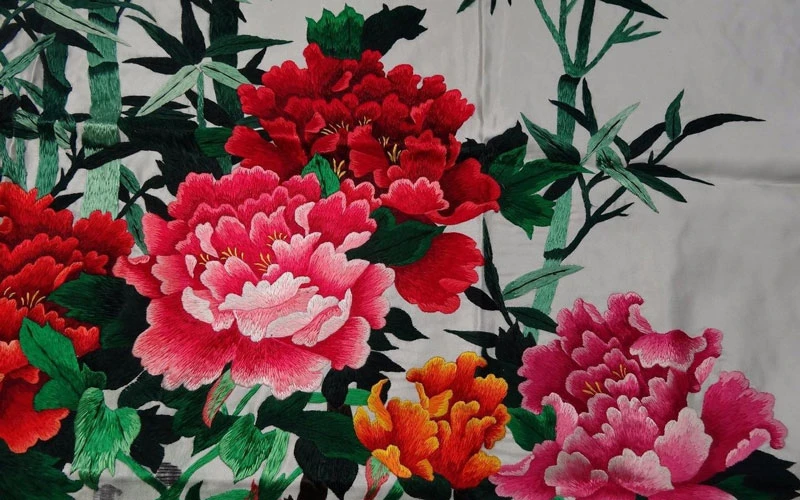
8 Flowers In Chinese Culture
Different flowers have different but very important meanings in Chinese culture. Here are the basics on what some of the most important and commonly seen flowers mean.- 5
- 2
- 5.3k
-
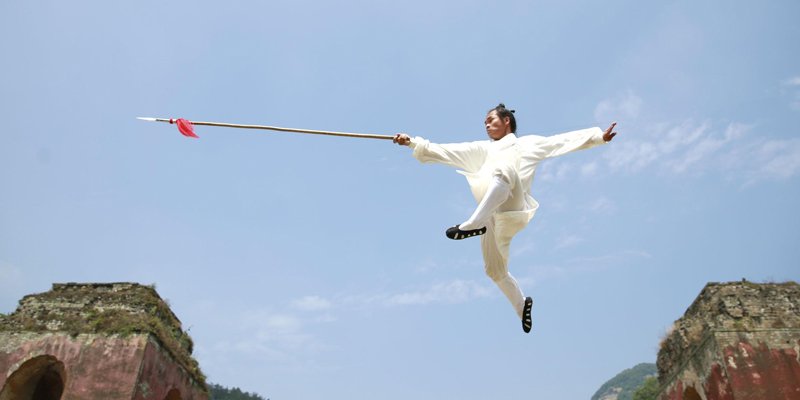
History of Shao Lin Kung Fu
The term Kung Fu is a colloquialism from southern China that does not designate the Martial Arts themselves but is a word that indicates any work brought to its highest degree of perfection, thanks to an intense and prolonged effort. Therefore, the term Kung Fu is intended to designate the realization, planning, and mastery of the Art. However, calling the Chinese Martial Arts Kung Fu is no aberration and in China, this term has always been used to designate the Martial Arts, even if the exact translation is wu-shu. The goal of Kung Fu is actually beyond the expertise in the fight, seeking perfect harmony between all components of the person: body, mind, and spirit. The Origin of Shao Lin Kung Fu The history of Kung Fu is linked to the history of China. Its origins date back to 3,000 years B.C., under the reign of Emperor Huang-Ti. But it was not until the sixth century that modern Kung Fu appeared. In fact, in the 527th, the monk Ta-Mo (Bodhidarma) arrived at the Shaolin monastery in Honan province. The monastery, which was located on the north side of Mount Shao-Shih, was built 150 years earlier by Emperor Su-Wen. Bodhidarma, the…- 3
- 3
- 566
-
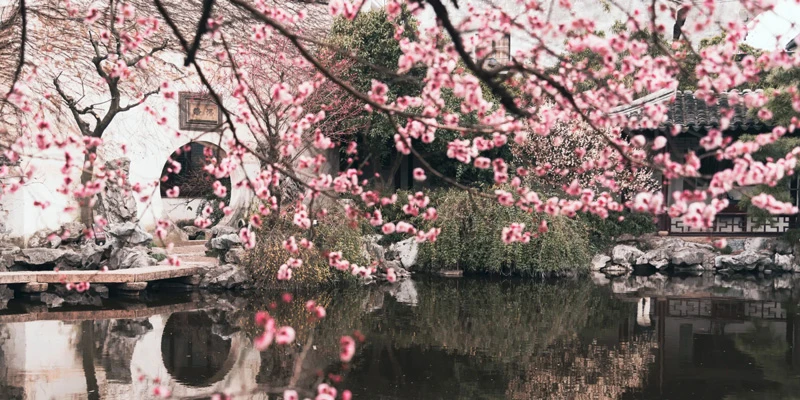
Suzhou Gardens: The Art and Soul of Chinese Classical Gardens
Suzhou can be considered one of the most exquisite cities in the whole of China, and the Suzhou gardens are the most vivid embodiment of this refinement. Throughout history, Suzhou has had a total of 802 gardens, and the praise of being a "city of half gardens and pavilions" is by no means an empty phrase. It is not so much that Suzhou provides a dwelling place for gardens, but rather that the gardens spread throughout the entire city have created a Suzhou city steeped in the gentle language of the Wu dialect. So what exactly are Suzhou gardens? They serve as a window to China's aesthetic facing the world, and with the completion of the Chinese-style courtyard Mingxuan in the Metropolitan Museum of Art in 1980, modeled after the Master of the Nets Garden's Dianchunyi, it spreads aesthetic elements unique to China to the world. In spring, Suzhou gardens become sea of flowers, undoubtedly the most beautiful time of the year for gardens. The early magnolias in March, the wisteria at the end of March, and the peonies in late April, with flowers of various colors blooming in succession, adorn the Suzhou gardens as sea of flowers. Even those…- 3
- 1
- 506
-
The Largest Chinese Theater Cluster Unique Henan - Land of Dramas
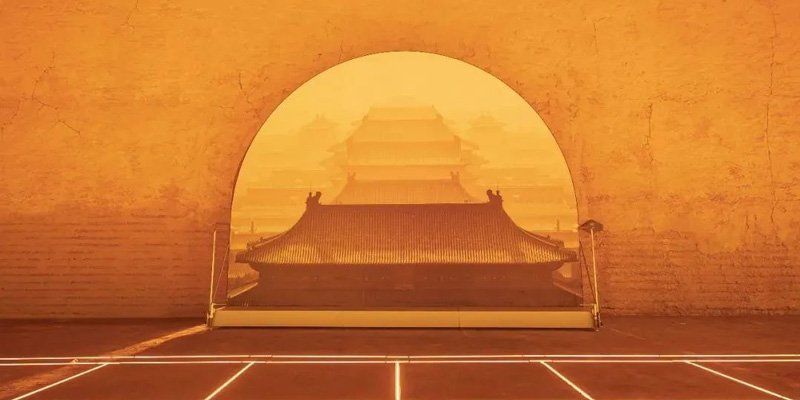
Henan's traditional cultural works are deeply remembered by too many people. The "Tang Palace Night Banquet", a recreation of the Tang Sancai music figurines, shows the beauty of the Tang Dynasty; the "Luo Shen Shui Fu", a breathtakingly beautiful underwater dance, so many netizens amazed: "This is the real traditional culture program". 2022 Chinese 24 Solar Terms series, but also make Henan TV add to the drama catch-up list of every traditional culture lovers. But that's not all, the surprises are just beginning! Henan has spent billions to build China's first panoramic immersive experience theme park - Unique Henan - Land of Dramas, which is currently the world's largest theater cluster, allowing people to experience the charm of traditional Chinese culture in an immersive way. "Unique Henan - Land of Dramas (只有河南·戏剧幻城)", located in Zhongmou County, Zhengzhou City, Henan Province, is a 1,536-acre project, the core area "Huan Cheng (幻城)" is 328 meters long and 15 meters high. It is one of the largest and longest performing theater complexes in China, with 21 theaters of various sizes and nearly 1,000 actors, divided into 3 main plays and 18 smaller plays, with a total play length of nearly 700 minutes. During…- 2
- 2
- 1.7k
-
Top 10 Hanfu Cities in China
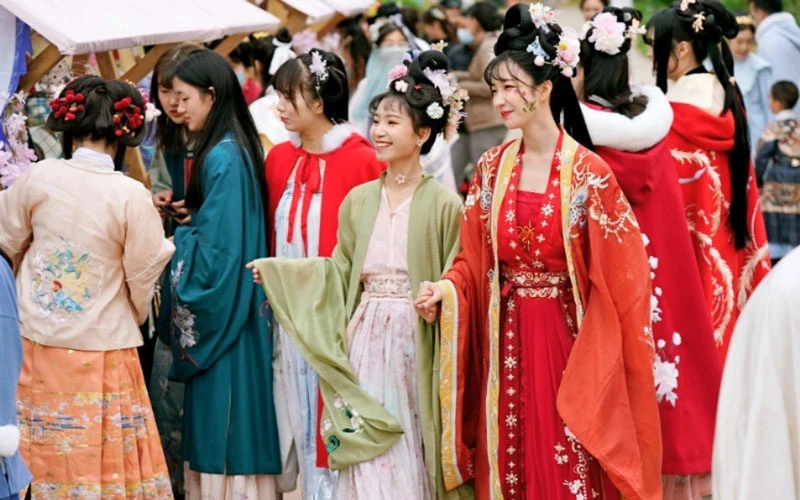
In recent years, hanfu has been flourishing all over China, and there are large and small hanfu events held every month. So what are the specific cities with the best hanfu atmosphere? Hanfu Zixun launched the Top Hanfu Cities of China contest to reflect the different development of hanfu around the country. With 62.01% of the votes, Chengdu, Sichuan topped the list, the only city with more than 50% of the votes, and was drastically outperformed by all the other cities. Xiuwu ranked seventh, which should have a lot to do with its success in holding the first Hanfu Expo in 2021. NO.1 Chengdu (成都) The No. 1 hanfu city is: Chengdu. After pandas, hot pot and mahjong, Chengdu has a new calling card: the Hanfu capital. It is not only because of its nationally known "Hanfu Street", but also because it has nearly 220,000 hanfu lovers, the first in China in terms of the number of Hanfu Tongpao (同袍; Hanfu fans call each other Tongpao). Chengdu's excellent hanfu culture atmosphere cannot be separated from the local government's strong support for the promotion of hanfu culture. NO.2 Hangzhou (杭州) Hangzhou, known as "Hang" for short, was known as…- 2
- 4
- 1k
-
A Better Attempt to Preserve Cultural Heritage - Photogrammetry
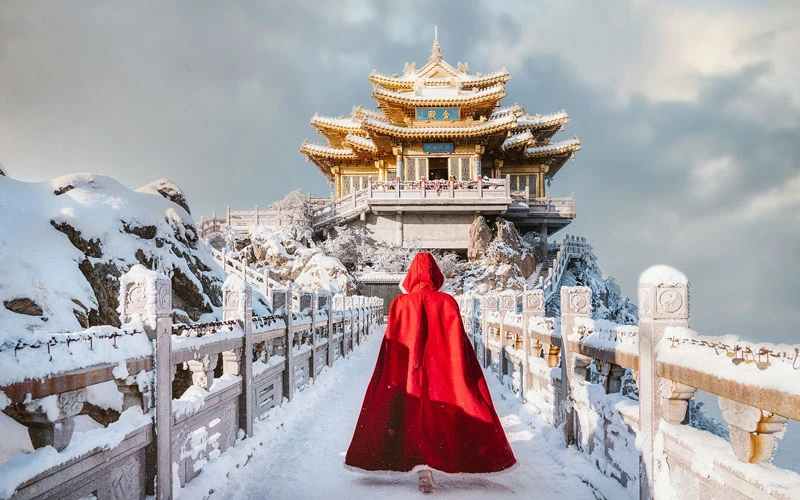
In Henan, China, there is an immortal mountain: Laojun Mountain. With the snow-capped mountains and clouds surrounding the top, many Hanfu lovers visit here to take pictures of the fairyland in their hearts. The @MediaStorm team, with 30 days and a total of 10,000 photos, used digital technology to replicate this magnificent scene and reproduce this "Cloud-topped heavenly palace". Build a "Cloud-topped heavenly palace" with 10,000 photos This famous Chinese mountain, which was formed 1.9 billion years ago, reaches an altitude of over 2,200 meters. The team's first test was to wait patiently for the summit to clear due to the constant cloudiness. After five days of waiting, the drone successfully took off. Gliding over the top of the mountain and through the porch, the entire mountain was incorporated into the camera amidst the roiling clouds. A cloud-topped heavenly palace, accurate to the centimeter level, was built in its entirety with digital technology. It mainly records the architecture and surrounding scenery of the Golden Peak Taoist Temple complex. When it comes to photogrammetry, many people are probably unfamiliar with it. Simply put, it is a modeling technique that digitizes a scene. It has long been used in many areas…- 2
- 1
- 408
-
Interpreting Traditional Chinese Culture in Ten Ancient Paintings
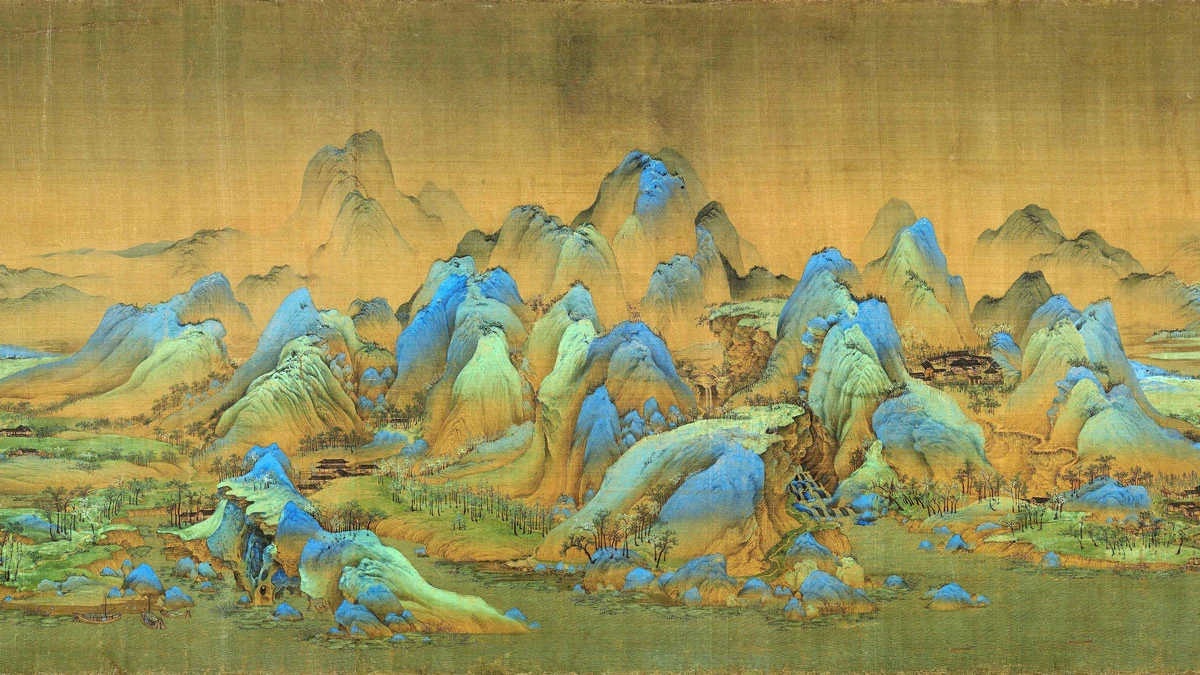
1. The Picture of the Ode of the River Goddess The Wei and Jin dynasties, the most elegant era in Chinese history, were full of poems and famous scholars, leaving behind countless brilliant literary works. Cao Zhi's Luo Shen Fu (洛神赋) is one of the most brilliant pieces. This long poem, about a traveler who meets a goddess on the shores of the Luo River, but who eventually parts from her because of the difference between the gods and the people, has its roots in the great poetic tradition of the Chinese people, but also contains the romance of Chinese native mythology. The poem Luo Shen Fu was depicted by another legend of the Wei and Jin dynasties, the painter Gu Kaizhi (348-406), in the form of painting: "The Picture of the Ode of the River Goddess". Since then, from poetry to painting, "The Picture of the Ode of the River Goddess" has been permanently engraved in the memory of Chinese people and sublimated into an immortal cultural symbol. 2. Emperor Taizong Receiving the Tibetan Envoy One thousand four hundred years ago, during the reign of Emperor Taizong of the Tang Dynasty, Songtsen Gampo, an admirer of the prosperous…- 2
- 5
- 887
-
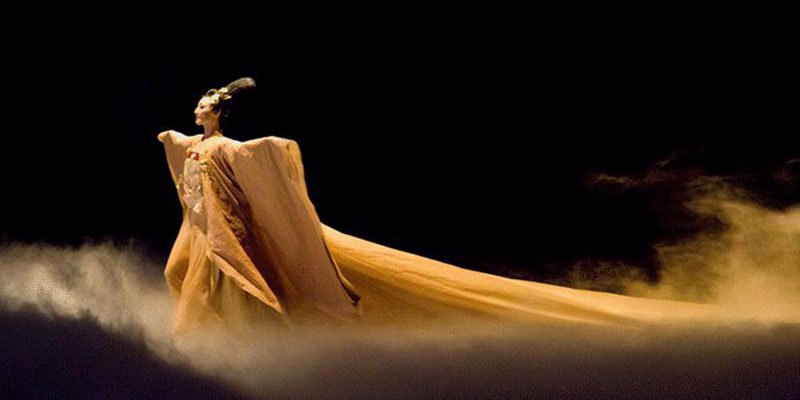
5 Chinese Classical Dance You Must Watch
This year, China's Henan TV continuously brings surprises to lovers of traditional culture and hanfu culture. Spring Festival, Lantern Festival, Dragon Boat Festival, Qixi Festival, every important Chinese traditional festival, we will see the wonderful programs presented by Henan TV, the most exciting part of which is dancing. Not only offers a holiday gift to all lovers of Chinese traditional culture, but also traditional arts are known to more people. Starting from 2018, "Street Dance of China", "Dance Smash", "Let's Shake It" and other programs have been hotly broadcast, which also set off a wave of dance. After 2019, Chinese classical dance, one of the traditional dances in China, suddenly jumped into the public's view and became popular in social media in the short term accompanied by the popularity of ancient music. This may also be the first time that the public really knows and pays attention to Chinese classical dance. The historical background of the formation of Chinese classical dance can be traced back to the ancient Chinese court dances or to the primitive, ritual dances of more distant times. During the change of dynasties, the development of ancient court dances was affected by the limitations in the use of…- 2
- 4
- 3k
-
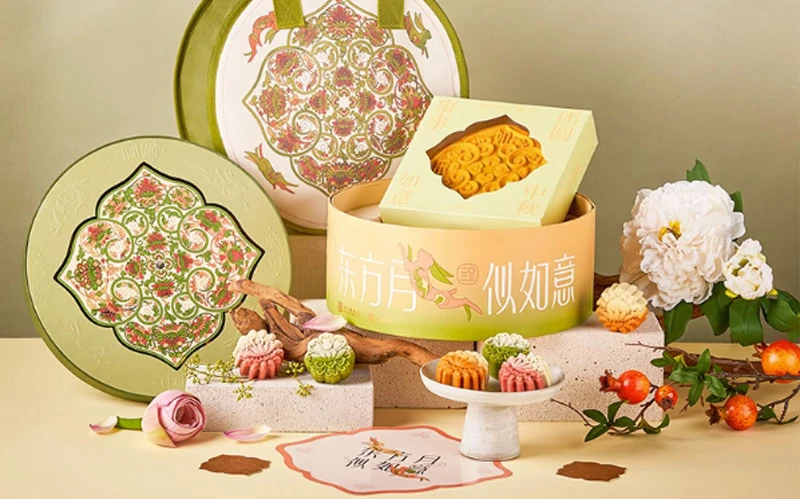
A Taste of Culture: Indulge in the Unique Mid-Autumn Mooncakes Crafted by Major China's Museums
The earthly lights and the moon in the sky, the most beautiful thing is reunion. As the Mid-Autumn Festival approaches once again, mooncakes are an indispensable part. A box of mooncakes is not only a delicious pastry that delights the taste buds, but also carries heartfelt wishes and folk stories. Museums across China have also presented creative mooncakes, incorporating the cultural treasures of Chinese heritage, adding a touch of romantic national aesthetics to the Mid-Autumn Festival. The Palace Museum In the collection of the Palace Museum, there is an imperial seal of Emperor Qianlong: "The moon is depicted with colors, water has sound". The brushwork is exquisite, capturing the scenery of the moon in the mountains and lakes. This year, the Palace Museum's mooncake gift box is inspired by this theme, combining traditional Chinese colors and dyeing techniques to appreciate the beauty of the country amidst mountains, rivers, and the moon. "Only the clear wind on the river and the bright moon in the mountains, the sound is heard in the ears, and the color is seen in the eyes." Take a bite of the Palace Museum mooncake, and the clear wind and bright moon will be in your…- 2
- 1
- 729
-
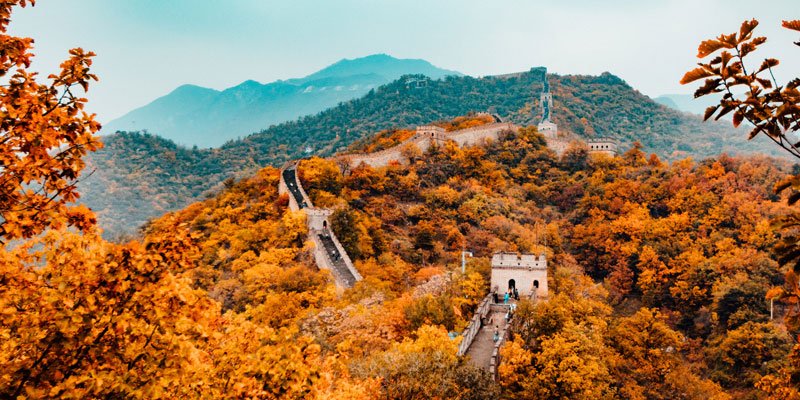
Travel to the Great Wall of China - Great Wall Travel Tips
China is a country of walls. Not only the cities were enclosed by walls, but also the quarters, within them again the quarters and each individual residential yard. To the outside, the courtyards had no windows, all life was concentrated inside, everything outside, foreign was, and is, usually seen as a threat. The Chinese characters for the city and for wall are identical: cheng. No wonder China is so proud of its Great Wall. Correctly translated, it should be called "long wall", and this poses the first riddle: How long is the Great Wall of China? Nobody knows exactly. History and architectural features of the Great Wall The Chinese call it wan li chang cheng (万里长城), meaning 10,000 li long wall, which would be about 5000 km. This is probably too little, but wan also means "infinite", which again would be too much. Most estimates are around 6800 km, also quite long. But the wall was not the same length at all times, and it is not a wall at all, but a system of walls that were connected during their best times, in the Han Dynasty and much later in the Ming Dynasty. And besides, contrary to claims to…- 2
- 6
- 298
-
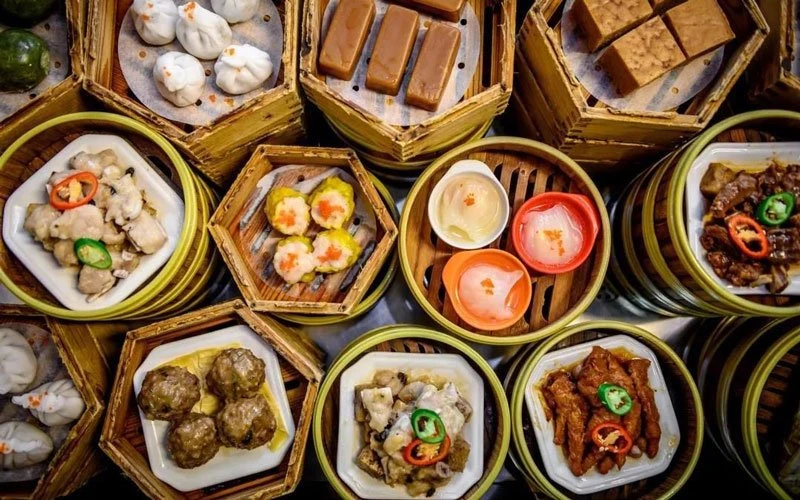
Top 8 Famous Chinese Cuisines
If you have just booked your holidays, hotels or organized trips to China, you should prepare yourself for everything this ancient culture has to show you. One of the aspects that will surprise you the most is the typical Chinese food, summarized in dishes of special flavor and mostly seasoned with vegetables. And the fact is that Chinese dishes have, above all, very intense flavours. A typical Chinese meal will have two things: a carbohydrate or starch such as noodles or rice to accompany stir-fried or vegetable, fish and meat dishes. They use a lot of fresh vegetables like mushrooms, bamboo and even tofu. In northern China, wheat-based side dishes such as noodles and steamed buns dominate the table, in contrast to southern China, where rice is the favorite. Short grain sticky rice, grown throughout southern China, is an absolute must in Chinese cuisine. China's 8 Culinary Traditions Typical Chinese food is as diverse as its culture: each region has its own menu and typical dishes. Cooking styles, ingredients, flavors: all differ from region to region. The most important regional cuisines in China are Anhui, Cantonese, Fujian, Hunan, Jiangsu, Shandong, Szechuan and Zhejiang. Cantonese cuisine Cantonese cuisine is famous throughout…- 2
- 5
- 626
-
30 Best To Do List of Beijing Trip
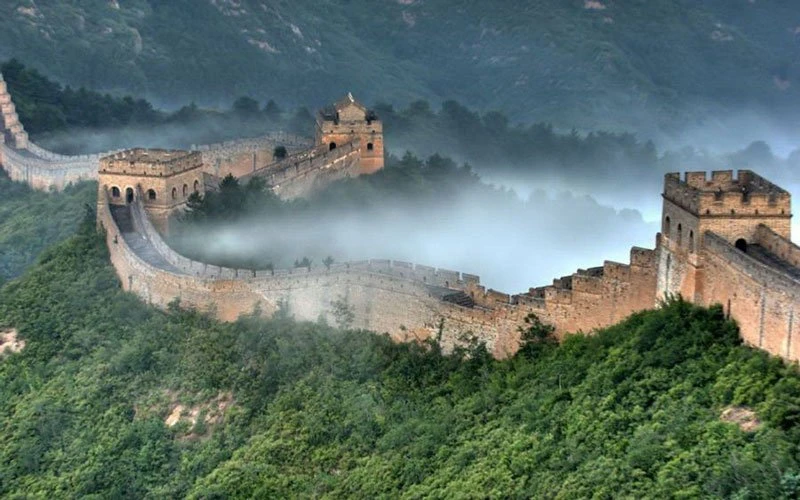
Beijing is a city of contrasts in constant evolution where it is very common to find large skyscrapers next to traditional houses. The first sight when you arrive in the city is that of an extremely overpopulated city, with its more than 21 million. But we can assure you that there are so many incredible places. Places like the Forbidden City, the Summer Palace, the Temple of Heaven, making an excursion to the Great Wall of China or visiting the ancient Hutongs, makes it worthwhile to stay several days in the city. There are many things to see and do in Beijing, which we can say, was fascinating. Let's begin. Famous Scenic Spots 1. Visit The Forbidden City first thing in the morning, one of the wonders of Beijing. We recommend booking this ticket in advance to save you the long queues to learn about its interesting history. 2. Climb the Drum Tower to have Beijing at your feet and see the huge bronze bell, one of the best things to see in Beijing. 3. Cross the 17-arch bridge over Lake Kunming, which links the island of Nanhu with land at the Summer Palace. 4. Take the subway to visit…- 2
- 1
- 254
-
Discovering the Timeless Charm of Luoyang: Travel Back to Ancient Tang Dynasty Capital
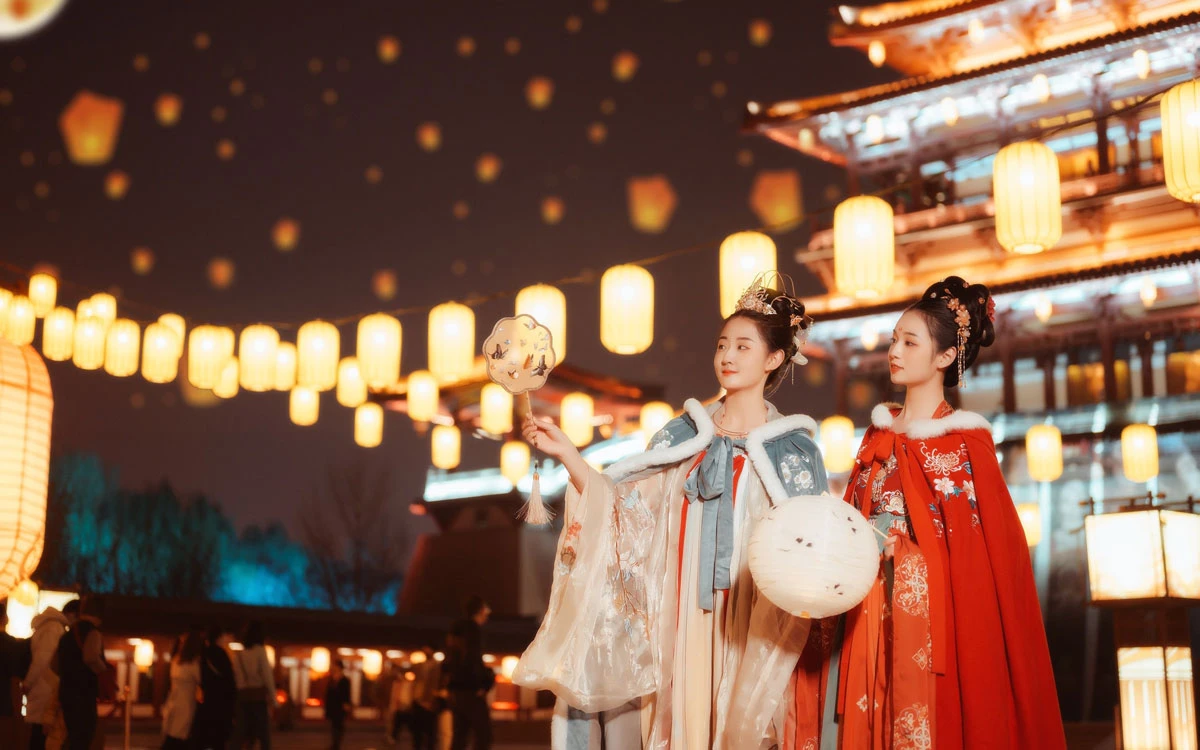
In the bustling streets, adorned and towering-haired noblewomen in their fineries queue up outside the restaurant for their meals. Such a scene is not a time travel nor in a hanfu film and television city, but on the streets of Luoyang. Encountering empresses while traveling to Luoyang is no longer a rare occurrence, at the same time, the magnificent and majestic Yingtian Gate, the decorated ancient city of Luoyi, and the mysterious and profound Luoyang Ancient Grave Museum have almost become the unified backgrounds for short videos of ancient style cosplay. A time-traveling trip to Luoyang Entering Luoyang, the classical atmosphere is very strong. The surrounding areas of Luoyi, Cross Street, Yingtian Gate, and other antique pedestrian streets are filled with shops offering hanfu experiences and dressing up. Rows of different shaped and richly colored hanfu and a wide variety of ethnic costumes, inviting passing tourists through the glass windows, to open a journey through time and space on the streets of Luoyang. As night falls, this antique street seems to switch to Tang Dynasty night market mode with young people in various dress styles competing for their favorite ancient scenery. Photographers holding cameras and fill lights, directing guests…- 1
- 0
- 843
-
Incorporate Chinoiserie Into Your Gift Ideas in 2022
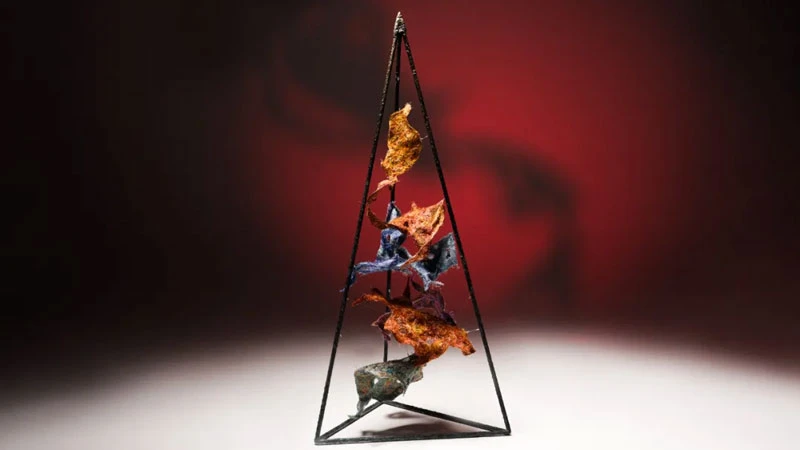
Chinese Intangible cultural heritage is no longer just stay in the museum for the public today. As of November 2021, the number of Chinese intangible cultural heritage projects is 1,557. In addition to the old traditional folk crafts to be guarded by the old generation, the most important thing is to combine innovative elements with the deep-rooted intangible cultural heritage. Tencent Video has crossed over with Chinese traditional craftsmen from different fields to create new peripheral works using traditional cultural elements and skills for a number of popular cdramas, documentaries and variety show IPs. This is not only the heritage of traditional Chinese culture, but also new ideas for Chinoiserie gifts. Let's see what wonderful artworks they bring together. NO.1 Rong Hua: Tradition, Ultimate Romance Rong Hua (绒花) was first introduced as a tribute to the royal family in the Tang Dynasty, and was also known as "Palace Flower", which means good luck and blessing. Most of them use a combination of harmonics and artistic images to express. After "Story of Yanxi Palace" became a big hit, the female character of the costume drama "Court Lady", which was broadcasted this year, wore snowflakes on her head, which again brought…- 1
- 3
- 224
-

Top 10 Famous Dishes in Jilin
Jilin Province, located in northeastern China, boasts a rich culinary heritage with a variety of unique and flavorful dishes. Here is a list of the top 10 famous dishes in Jilin, each with its own distinct taste and cultural significance. 1. Xueyi Dousha (Snowy Red Bean Paste) Category: Jilin Cuisine Xueyi Dousha is a traditional Manchu dessert made primarily from red bean paste and egg whites. The dish is known for its fluffy texture and sweet taste, often dusted with sugar before serving. It is a popular choice among locals and visitors alike. 2. Shaguo Lubao (Deer Treasure Casserole) Category: Gourmet Food This dish features deer tendons, deer tails, and other deer parts, cooked in a casserole with a rich broth. It is a nutritious and flavorful dish, often enjoyed during the colder months. 3. Qingzheng Baiyu (Steamed White Fish) Category: Northeastern Cuisine Originating from the Songhua River, this dish is made with fresh white fish, steamed to perfection with a light broth. It is known for its tender meat and delicate flavor. 4. Renshen Ji (Ginseng Chicken) Category: Gourmet Food A signature dish of Jilin, Renshen Ji combines tender chicken with ginseng, a prized local ingredient. The dish is…- 1
- 1
- 464
-

Japanese & Korean Tourists Flock to Shanghai for Hanfu Photoshoot
On Ninghui Road in Yu Garden Mall, Kaede from Tokyo, Japan, and her friend are experiencing Hanfu photography in Yu Garden. As spring arrives, the 2025 Shanghai Yu Garden Mid - Spring Flower Festival has kicked off, attracting numerous Chinese and foreign tourists. According to the news from Yu Garden Mall, starting from the Mid - Spring Flower Festival, the upgraded Huancai Yu Garden Light Show combined with Chinese - style performances has officially launched. During this flower festival, accompanied by five sets of Chinese - style music, Yu Garden will use the core buildings in the central square, Nine - Bend Bridge, and Golden Square as the background to present a spring flower scene with dynamic floodlights. Recently, when the reporter visited Yu Garden, it was found that at nightfall, the dynamic lights in the garden blended with the flower scene and Chinese - style performances, swaying gracefully. Whether on Ninghui Road, known as the "ceiling of Chinese aesthetics", or in the central square and Golden Square where Chinese - style dances and ancient music are performed irregularly, tourists in Hanfu can be seen everywhere. Regardless of nationality and language, they not only integrate with the immersive Chinese -…- 1
- 0
- 305
-
Empress's Crown: The Iconic Ming Dynasty Treasure
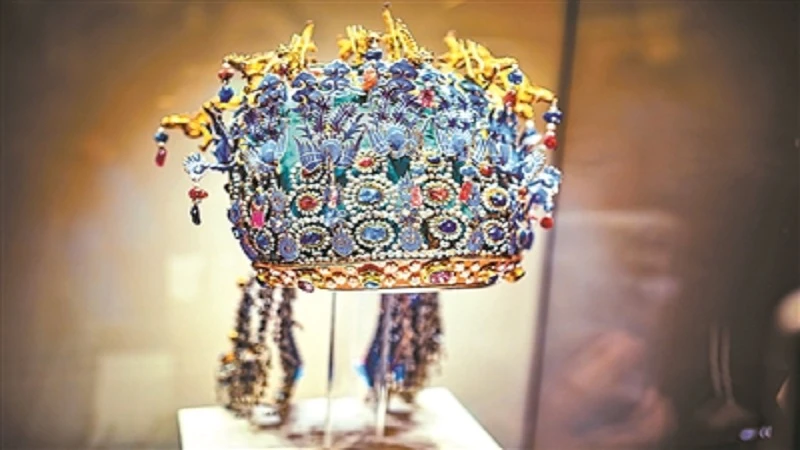
If you ever find yourself at the National Museum of China and notice a long queue forming, chances are visitors are eagerly waiting to catch a glimpse of one of the most exquisite artifacts of the Ming Dynasty—the Nine-Dragon and Nine-Phoenix Crown. This imperial masterpiece, once adorning the head of Empress Dowager Xiaoduan, has captured the fascination of history enthusiasts and cultural aficionados alike. Recently, the museums exclusive line of merchandise, inspired by this legendary crown, has set the internet abuzz. Among these, a meticulously crafted refrigerator magnet has gained viral status, merging traditional opulence with modern collectibles. Fortunately for admirers, the museum has now opened online reservations for the coveted item, sparing visitors the need for an early morning queue. The Nine-Dragon and Nine-Phoenix Crown was unearthed in 1957 from the underground chambers of the Ming Dingling Mausoleum in Beijing, resting alongside other stunning imperial headpieces. The tomb housed four intricately designed crowns: the Three-Dragon and Two-Phoenix Crown, the Nine-Dragon and Nine-Phoenix Crown, the Twelve-Dragon and Nine-Phoenix Crown, and the Six-Dragon and Three-Phoenix Crown. Among these, the Nine-Dragon and Nine-Phoenix Crown, once worn by Empress Dowager Xiaoduan, stands out as a symbol of regal sophistication. Its significance is so…- 1
- 0
- 1k
-
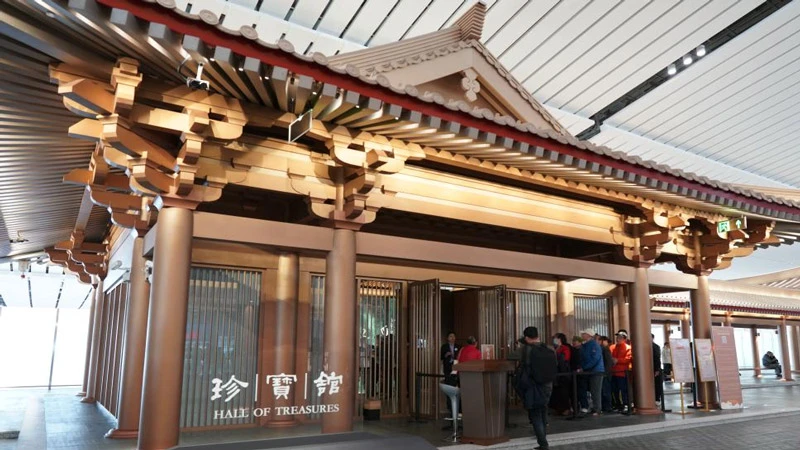
Discover Ancient China at the World's First In-Terminal Museum
Xi'an Xianyang International Airport has redefined layovers with a groundbreaking attraction: the Western Airport Museum, the world's first in-terminal archaeological exhibition. Opened on February 26, 2024, this innovative space blends modern air travel with China's ancient heritage, offering a time-traveling journey for history buffs and curious globetrotters alike. Whether you're transiting through Xi'an or starting your Silk Road adventure, here's why this museum deserves a spot on your itinerary. A Gateway to China's Glorious Past Located within the newly operational T5 Terminal, the Western Airport Museum turns wait time into wonder. Its permanent exhibition, "Chang'an·Everlasting Peace: Relics from Xi'an Airport and the Legacy of Ancient Chang'an", showcases artifacts unearthed during the airport's construction. These relics, spanning millennia, narrate Xi'an's role as the eastern terminus of the Silk Road and the heart of the Tang Dynasty (618–907 CE), when Chang'an (modern-day Xi'an) was the world's largest cosmopolitan city. Highlights include: Silk Road Trade Relics: Exquisite Tang-era pottery, foreign coins, and glassware revealing cross-cultural exchanges. Interactive Displays: Holographic projections recreate bustling Tang marketplaces and caravan routes. Airport Archaeology: Rare photos and tools used in rescue excavations during T5's development, emphasizing how infrastructure projects preserve history. For travelers en route to the Terracotta…- 1
- 0
- 209
-
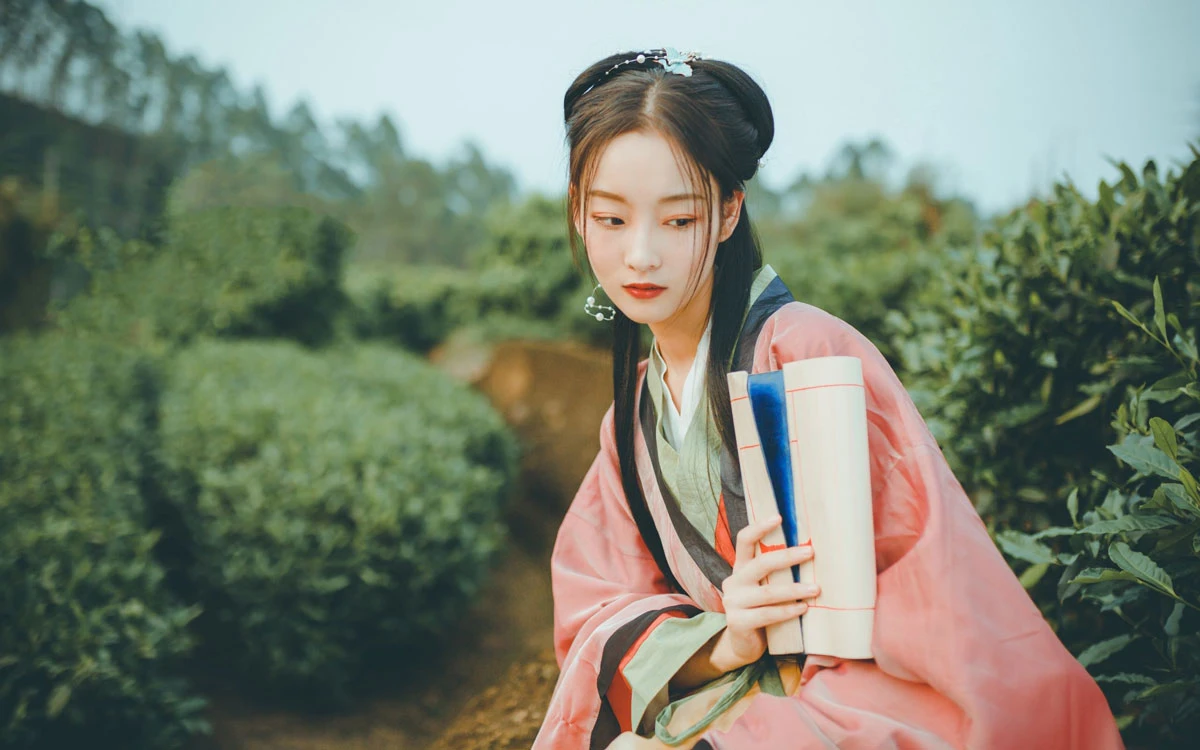
Origin and History of Ancient Chinese Traditional Tea
On the evening of November 29, at the 17th session of the UNESCO Intergovernmental Committee for the Safeguarding of the Intangible Cultural Heritage held in Rabat, Morocco, the "Traditional tea processing techniques and associated social practices in China" nominated by China were inscribed on the Representative List of the Intangible Cultural Heritage of Humanity. "Traditional tea processing techniques and associated social practices in China" covers the knowledge, skills, and practices of tea plantation management, tea leaf picking, manual processing, drinking, and sharing. Since ancient times, Chinese people have been growing, picking, making, and drinking tea. Using the art of tea making, tea makers have developed six major tea types, namely green, yellow, dark, white, oolong, black teas, and reprocessed tea such as flower-scented teas, and more than 2,000 kinds of tea products to meet the various needs of the people with different colors, aromas, tastes and shapes. https://youtu.be/Oe6kGFmFLnc 1 - The Origin of Chinese Traditional Tea Shennong used tea as an antidote for hundreds of poisons. Shu gave homegrown tea to the emperor of the Zhou Dynasty as a tribute. Since Lu Yu, the Saint of Tea, composed the "The Classic of Tea (茶经)", the status of tea has…- 1
- 4
- 667
-

Chinese Museums Now Open Seven Days a Week
For years, Mondays have been an unspoken "closed day" for museums across China. However, this long-standing tradition is now shifting. Recently, the Huai'an Museum in Jiangsu Province announced that it will be open every day of the week, eliminating the usual "closed day" policy. Similarly, several museums in Shaanxi Province have followed suit, introducing a new era where museums remain open seven days a week. This change is a response to increasing public demand and the evolving capabilities of museum management and preservation technologies. Traditionally, museums used their closed day for routine maintenance, exhibit adjustments, and artifact preservation. However, with technological advancements and improved management techniques, some institutions have realized that these essential tasks can be handled without requiring a full day of closure. By eliminating their weekly shutdown, museums are now offering greater convenience to visitors and demonstrating a deep commitment to public service. Meeting Public Demand In recent years, museum culture has experienced an unprecedented surge in popularity across China. No longer just a weekend or holiday pastime, visiting museums has become a mainstream activity, with enthusiasts even planning entire trips around specific institutions. Social media trends like "museum check-ins" and "cultural tourism" have propelled museums into the…- 1
- 0
- 127
-
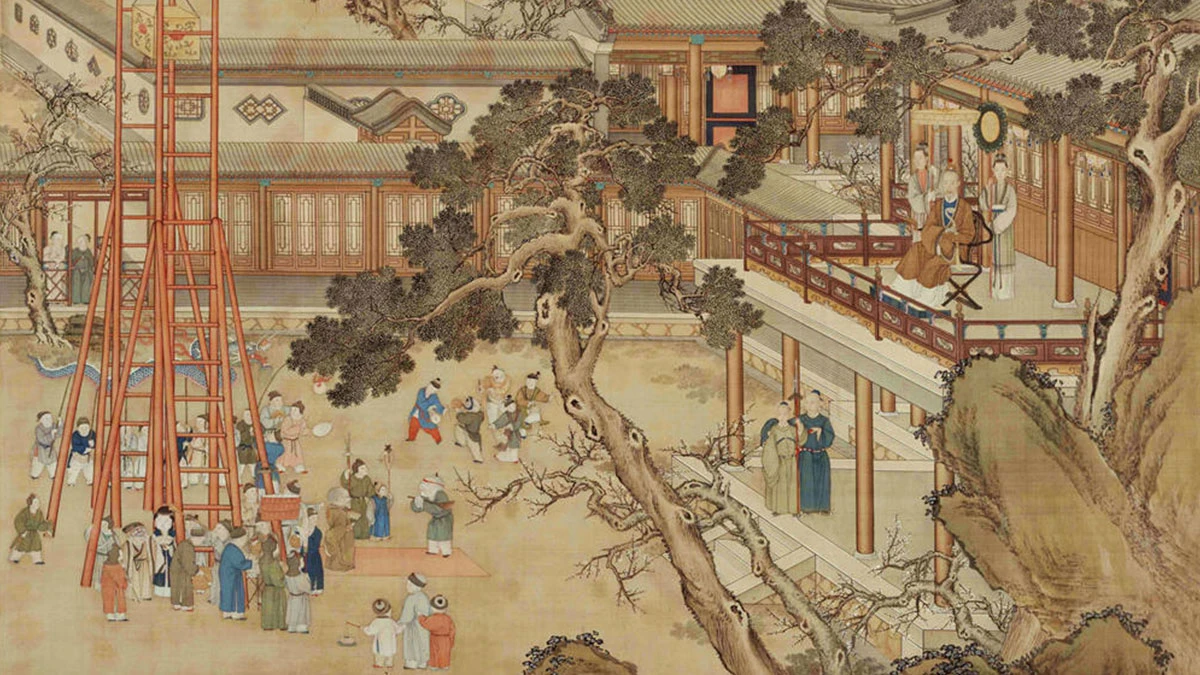
Romantic February Hidden in Ancient Chinese Paintings
The Chinese New Year holiday has not yet passed, February has already arrived. 2023 is a common year (distinguished from a leap year), so February only has 28 days, but full of early spring romance and tenderness. February 4 is the traditional Chinese solar term "Li Chun, 立春, Beginning of Spring", although the weather is still cold, but the flowers, which have endured the whole winter have long gotten the news in advance, with action to convey to the world: Spring day arrived! Spring means a fresh start. And for gourmets, a new season means new cuisine to eat. The best thing about spring is leeks. Although leeks are available all year round, the newborn leeks in early spring are extremely tender and fragrant. So much so that the ancients would still use it for ancestral rituals. Without getting too sophisticated, leeks can be stir-fried or wrapped in dough to make leek cakes, which is one of the romantic ways the ancient Chinese welcomed spring. February 5 (the 15th day of the first month of the lunar calendar) is the Lantern Festival, which is the first full moon of the Chinese calendar new year and the return of spring to…- 1
- 0
- 258
-
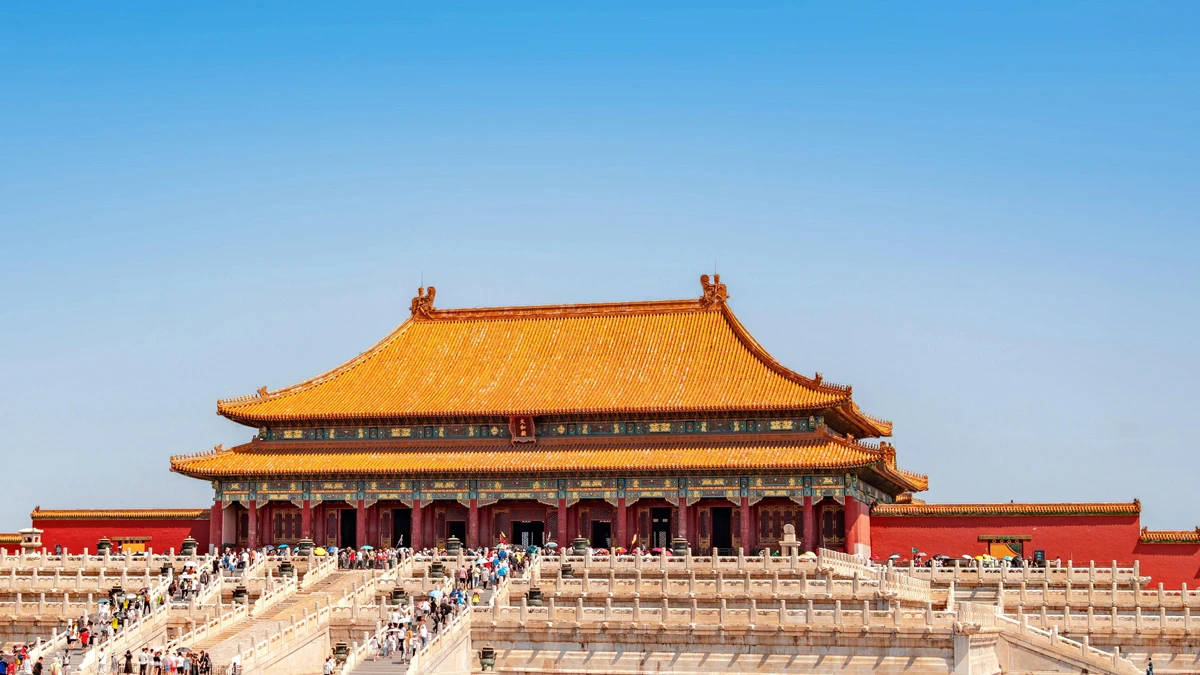
Exploring 5 Magnificent Palace Museums: A Journey Through Imperial History
China is home to some of the world's most magnificent palaces, many of which have been converted into museums. The five Palace Museums (Gu Gong, 故宫) in China are a treasure trove of ancient artifacts and cultural heritage from different dynasties. These museums showcase China's rich history, revealing the grandeur of its past emperors and imperial courts. Each museum offers unique insights into Chinese culture and history, from the majestic Palace Museum in Beijing to the lesser-known Mukden Palace in Shenyang. Whether you're a history buff or just looking for an unforgettable travel experience, these five Palace Museums should be on your must-visit list. Ming Palace The Nanjing Ming Palace (Nan Jing Gu Gong, 南京故宫) was built during the Ming Dynasty in 1368 when Zhu Yuanzhang established the Ming Dynasty and set the capital in Nanjing. The construction of the palace began on a large scale, and by 1392, this magnificent palace was finally completed. The palace set a precedent for the integration of the palace and the city axis, covering an area of over 1.0125 million square meters, making it the largest palace complex in the world at that time. The Ming Palace can be divided into: the…- 1
- 2
- 979
-
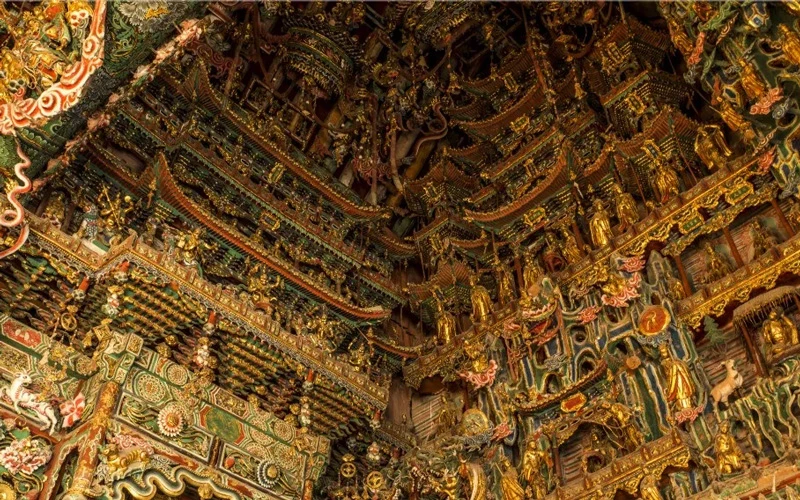
Ancient Hanging Sculptures in China: A Journey Through Artistic Heritage and Notable Sites
If your journey to visit ancient sites began with the hanging sculptures in Shanxi, then the rest of your itinerary is bound to be somewhat lacking in surprises, because your starting point is truly too high. As one of the most indispensable highlights of a trip through Shanxi, the hanging sculptures offer you a sense of awe and emotion that is difficult to come by at other locations. It is an immensely magical experience. Just a step away from entering the hall, there is a feeling of entering a dazzling and astonishing world. These gracefully suspended deities and Buddhas make you feel as though you have stepped into the magnificent Buddhist fairyland described by ancient people, no matter which direction you face. They lean slightly, as if gazing, yet also seem to be simply resting there. Being among them, your eyes are filled with shimmering colors. Hanging sculptures are a very unique form of sculpture. Drawing inspiration from more ancient reliefs, people unlocked figures from two-dimensional images, giving rise to extraordinary sacred scenes of deities and Buddhas. They are different from colored sculptures and not like frozen brushstrokes; these Buddha niches on the walls display an almost lifelike posture. In…- 1
- 1
- 800




Scan to open current page
-
$CouponsLimitation of use:Expired and UnavailableLimitation of use:
before
Limitation of use:Permanently ValidCoupon ID:×Available for the following products: Available for the following products categories: Unrestricted use:For all products