-

Floral Crowns in Chinese Drama: Who Wears It Best?
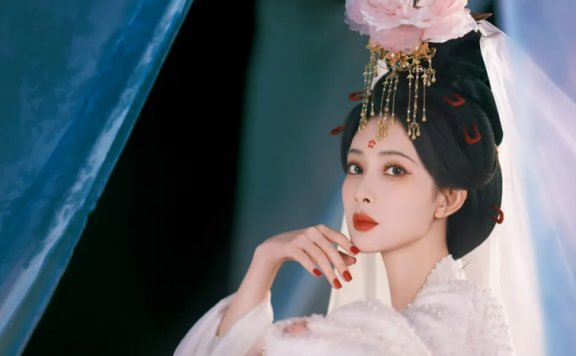
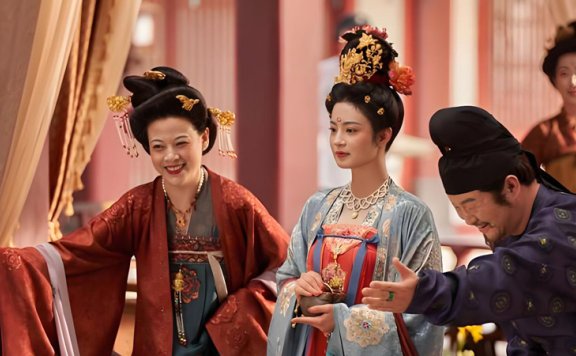
The delicate art of adorning hair with flowers, a signature look in Chinese historical dramas, has recently captivated audiences once more. Meng Ziyi's (孟子义) stunning floral hairpiece in promotional images for the newly announced drama Tigers Sniff the Rose (尚公主) sparked widespread admiration and discussion online. This fascination isn't new; period productions consistently feature elaborate floral hairstyles, showcasing diverse interpretations of classical aesthetics. From the lavish Tang dynasty ideals of voluptuous beauty to more contemporary, slender adaptations, these intricate arrangements are more than mere decoration—they are visual narratives of character, era, and artistic vision. The choice of blooms, their placement, the hairstyle's complexity, and crucially, the actor's physical harmony with the style, all converge to create moments of breathtaking screen elegance. This enduring trend highlights the powerful synergy between costume design, historical homage, and the unique charisma of the performer. Modern Interpretations Recent costume dramas offer a vibrant showcase of floral hair accessories. Meng Ziyi's look in Tigers Sniff the Rose , featuring elegant updos perfectly complementing soft pink peonies, marks a significant improvement, ditching distracting bangs seen in her earlier role in Royal Rumours (花琉璃轶闻). In that production, while Su Mengyun's (苏梦芸) fuller figure and crescent-moon adorned updo exuded…- 150
- 0
-
How 3 Actresses Revive Classical Hanfu Beauty
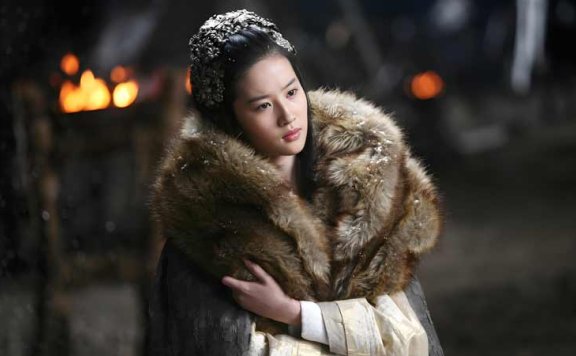
Amidst the ever-shifting sands of cinematic fashion, a quiet revolution unfolds: the return of authentic Hanfu aesthetics. Gone are the days of excessive ornamentation and anachronistic "violation structures"; audiences now crave the distilled elegance that defined historical dramas of the past. This resurgence isn't mere nostalgia; it's a celebration of how meticulously crafted simplicity – the drape of ancient fabrics, the gleam of silver adornments, the subtlety of period-accurate hairstyles – can amplify storytelling and etch characters into memory. Three actresses, through distinct roles, embody this powerful return to form, proving that true visual poetry lies in honoring the past. 1. Liu Yifei (刘亦菲) Few images linger as powerfully in Chinese cinematic history as Liu Yifei's portrayal of Yu Ji (虞姬) in White Vengeance (鸿门宴传奇). Stripped of elaborate modern hairdos or distracting embellishments, her performance relied on raw grace and impeccable authenticity. The costume spoke volumes: flowing robes reflecting the dignified austerity of the Han dynasty, paired with broad, intricately worked silver headpieces that shimmered with every movement, capturing the character's ethereal spirit. This near-minimalist approach created a visual purity, making the tragic farewell between Yu Ji and her lord, Xiang Yu (项羽), profoundly resonant. Liu Yifei's innate elegance merged…- 143
- 0
-
Chinese Stars' Uncanny Doubles: Seven Pairs Like Mirror Images
In the world of Chinese entertainment, celebrity lookalikes often spark fascination, with some pairs sharing such striking resemblances that they could pass for twins, despite having no blood ties. These uncanny doubles not only confuse fans but also highlight the quirks of fame, where appearances become talking points. From singers to actors, each duo offers a glimpse into how genetics and style converge in unexpected ways, creating moments that captivate audiences worldwide. 1. Bai Lu and Li Yitong When Bai Lu (白鹿) and Li Yitong (李一桐) performed together on a national stage, their matching outfits and near-identical looks had viewers mistaking them for sisters. Born in 1994 and 1990 respectively, this four-year age gap doesn't diminish their shared delicate features and graceful stage presence. Fans often debate who is who in photos, adding to their viral appeal. Despite their visual similarities, their personalities shine differently. Li Yitong exudes a sweet, gentle charm in her roles, while Bai Lu is known for her infectious laughter and lively energy. This contrast became evident on variety shows like Keep Running (奔跑吧), where Bai Lu's humor boosted ratings. Both have built solid careers, with Bai Lu rising through dramas and Li Yitong gaining fame…- 713
- 0
-
Liu Yifei's Bold Style Evolution and "Fairy Sister" Personality
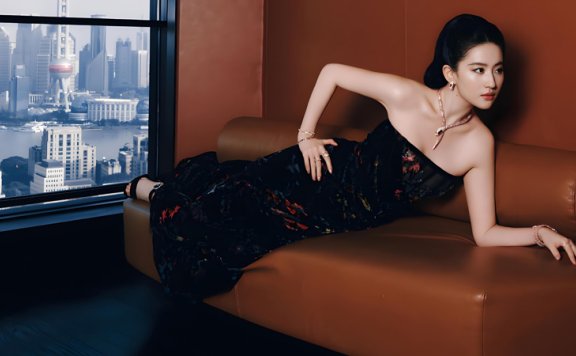
A series of late-night social media posts shattered expectations: the actress, long revered as China's "Fairy Sister," emerged with a severe backswept hairstyle, radiating an aura of undeniable power. Clad in a daring black high-slit gown, her gaze was sharp as steel, instantly transforming the ethereal icon into a commanding presence. The internet erupted. "How can anyone resist this?" became the collective refrain. This striking metamorphosis wasn't accidental; it was the culmination of a deliberate style evolution witnessed days prior at the Louis Vuitton show, where a similar hairstyle paired with a tailored blazer had already hinted at this potent new chapter. The subsequent appearance at Bulgari, adorned with a fiery ruby serpent necklace against the stark black, cemented this image of luxurious, cool authority. Her runway stride wasn't just a walk; it was a declaration. This bold embrace of androgyny, perfectly encapsulating her unique "Fairy Power" persona, resonated deeply, proving Liu Yifei's enduring ability to redefine beauty and captivate audiences on her own terms. Birth of the "Fairy Power" This dramatic shift didn't materialize in a vacuum. Its roots trace back a decade. In 2015, Liu Yifei challenged perceptions with a groundbreaking photoshoot. Trading ethereal gowns for sharply tailored…- 168
- 0
-
Tang Headdresses and Song Tea Rituals in Historical Dramas
A new wave of scrutiny washes over historical television dramas. Audiences, armed with digital tools and scholarly zeal, dissect every silk thread, architectural flourish, and ceremonial gesture. These modern-day detectives, playfully dubbed "Lievenhoeks" after the pioneering microscopist, transform viewing into an archaeological dig. Fueled by creators embracing unprecedented historical rigor, this phenomenon bridges entertainment and education, turning screens into portals for tangible cultural rediscovery. The meticulous recreation of bygone eras fosters not just immersion, but a profound public engagement with China’s rich heritage. Costume Archaeology Unlocked Beyond mere spectacle, costumes in series like Flourished Peony (国色芳华) become historical documents. The Peacock Crown worn by a dancer isn't just glitter; it’s a direct echo of the Tang Dynasty "Female Equestrian Drumming Figurine" housed in Xi'an's museum. Similarly, the towering "Half-Flipped Chignon" hairstyle sported by the Pingkang Fang proprietor in The Lychees from Chang'an (长安的荔枝) mirrors the grandeur seen in the Dunhuang (敦煌) mural "Portrait of the Governor's Wife." These aren't designer flights of fancy; they are careful reconstructions based on surviving artifacts and visual records, offering viewers a direct visual link to ancient aesthetics and social status markers. The accuracy transforms actors into living exhibits, their attire whispering tales of craftsmanship…- 75
- 0
-
Liu Yifei’s Y2K Style: Rewriting Early 2000s Fashion Rules
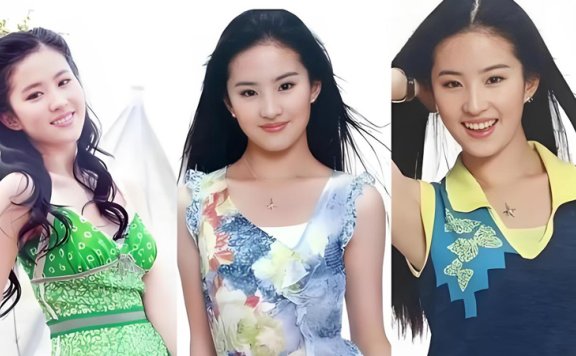
Early 2000s fashion pulsed with chaotic energy—a neon-drenched, low-rise denim manifesto against minimalism. Amid this sartorial storm, a young Liu Yifei (刘亦菲) carved her own path. Her choices between 2000-2005 didn’t just follow trends; they quietly rewrote them. From Bai Xiu zhu’s (白秀珠) calculated elegance to Zhao Ling’er’s (赵灵儿) ethereal simplicity, Liu demonstrated how Y2K’s excess could be refined into timeless style. Her wardrobe balanced rebellion with grace, proving audacious color and strategic exposure could coexist with sophistication. Two decades later, her approach feels strikingly modern—a blueprint for today’s dopamine dressing. Bai Xiu zhu’s Rebellious Elegance Liu’s 2003 debut in The Story of a Noble Family (金粉世家) introduced a new kind of ingenue. As Bai Xiu zhu, she transformed a pale lilac spaghetti-strap dress into armor. The delicate fabric contrasted sharply with her posture—shoulders squared, gaze unwavering. A single strand of pearls at her neck wasn’t demure; it was a declaration. This juxtaposition—softness against steel—defined her early aesthetic. She rejected saccharine sweetness, favoring clean lines that accentuated collarbones and shoulders. Her Happy Camp (快乐大本营) appearance that same year further defied expectations. A vibrant green top met vintage-inspired denim, its straight-leg cut grounding the look. Silver thread woven through the jeans…- 219
- 0
-
Republican-Era Costumes: Visual Storytelling in Costume Dramas
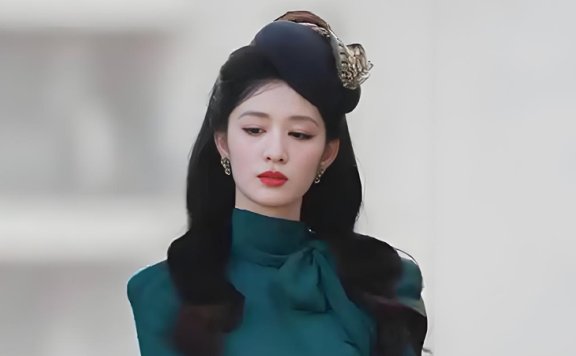
The resurgence of Republican-era aesthetics in contemporary Chinese cinema has become a visual feast, where costumes transcend mere clothing to embody character essence. Leading actresses of the post-85 generation are redefining historical narratives through meticulously crafted wardrobes, blending tradition with modern sensibilities. Wang Churan’s (王楚然) haunting elegance, Liu Yifei’s (刘亦菲) timeless grace—each ensemble stands as a silent narrator of turbulent times. This sartorial renaissance not only revitalizes period dramas but elevates them into cultural conversations, proving that fabric and silhouette can articulate emotions words often fail to capture. Visual Poetry in Motion Wang Churan’s transformation in Zhe Yi Miao Guo Huo (这一秒过火) epitomizes the power of Republican-era costuming. Her midnight-black gown and wide-brimmed hat create a chiaroscuro effect, sharpening delicate features into ethereal relief . Yet it’s her moon-white qipao that etches itself into memory: silk whispering against grey-brick backdrops, slit skirts revealing pearl-hued stockings, and jade bracelets clicking like metronomes to her movements. The ensemble merges restraint with sensuality—a collar clasped to the throat contrasting with the fluidity of draped sleeves. Liu Yifei’s legacy as Bai Xiu-zhu (白秀珠) in The Story of a Noble Family (金粉世家) remains unmatched, her teenage portrayal still shaping Republican archetypes. Decades later, her ability…- 174
- 0
-
Liu Yifei’s Childhood Crown and The Story of Rose’s Radiance
A recently surfaced video has reignited global fascination with Liu Yifei (刘亦菲). Capturing her at just 8 years old, winning a national children’s modeling championship, the footage offers a rare glimpse into the early spark of a star who would later redefine ethereal beauty on screen. Decades before her iconic roles as the celestial Xiao Longnü or the gentle Zhao Ling’er, this child - already radiating poise beyond her years - hinted at the extraordinary trajectory awaiting her. Today, as she embodies the complex Huang Yimei in The Rose Stories (玫瑰的故事) at 36, the video isn’t merely nostalgia; it’s a testament to an enduring legacy where grace, resilience, and authenticity bloom across time. The Prodigy in Rabbit Costume In grainy, late-90s footage, young Liu Yifei stands out amid a sea of children. Dressed as the Jade Rabbit Princess from Journey to the West (西游记), her gold hoops and floral hairpins frame a face already luminous with determination. While peers fidget or falter, she executes precise dance moves, her dark, expressive eyes fixed calmly on the camera. A subtle smile plays on her lips - a nascent understanding of performance that belied her age. Her physical presence was equally striking. Towering…- 197
- 0
-
The Power of Upward-Sweeping Eyebrows in Ancient Chinese Makeup
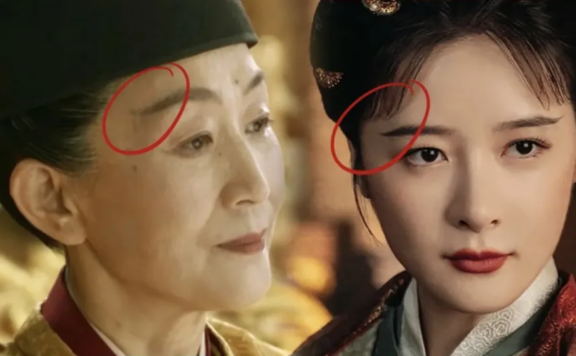
In the historical cdrama, actors Chen Jin and Xu Jiao portray characters with distinctive eyebrow styles that exude an undeniable aura of authority. Unlike conventional female characters whose eyebrows taper downward or remain straight, their eyebrow tails sweep dramatically upward. This unique style, known as Hanyan Mei (涵烟眉) or Fuyun Mei (拂云眉), was particularly popular during the early Tang Dynasty through the Wu Zhou period. Characterized by sharp inner corners and finely separated hairs at the tails, this eyebrow style sometimes featured a narrower, more arched peak, also referred to as Yuanshan Mei (远山眉). Ancient Chinese literature, such as the Fengguang Ci by a Tang Dynasty poetess, describes these eyebrows as ethereal as mist or drifting clouds. Their upward sweep not only added a touch of independence and confidence but also became a defining feature in murals and paintings from that era. Compared to the softer Juan Yan Mei (罥烟眉), Hanyan Mei was bolder and more vibrant, leaving a lasting impression. Modern adaptations in film and television have softened its intensity, blending strength with elegance. Modern Applications and Tips This eyebrow style, often seen in strong female roles like those in Zhang Xin, enhances facial structure by filling the temple…
Liu Yifei

Scan to open current page
-
$CouponsLimitation of use:Expired and UnavailableLimitation of use:
before
Limitation of use:Permanently validCoupon ID:×Available for the following products: Available for the following products categories: Unrestricted use:Available for all products and product types