Search Results for: song
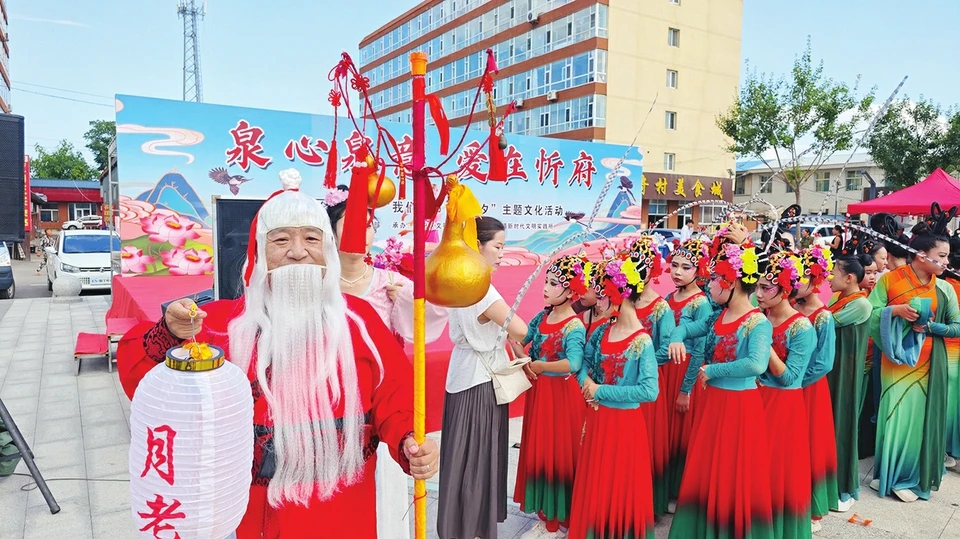
Xinzhou Qixi Fete Draws 150 Hanfu Fans
August 19, the seventh day of the seventh lunar month, saw the “Wholehearted Love in Xinfu” edition of the national “Our Festival: Qixi” event open at the central square of Qicun Town (奇村镇) in Xinfu District, Xinzhou (忻州市), Shanxi. The program began with a parade of 150 Hanfu enthusiasts organized into Tang-style, Song-style and Ming-style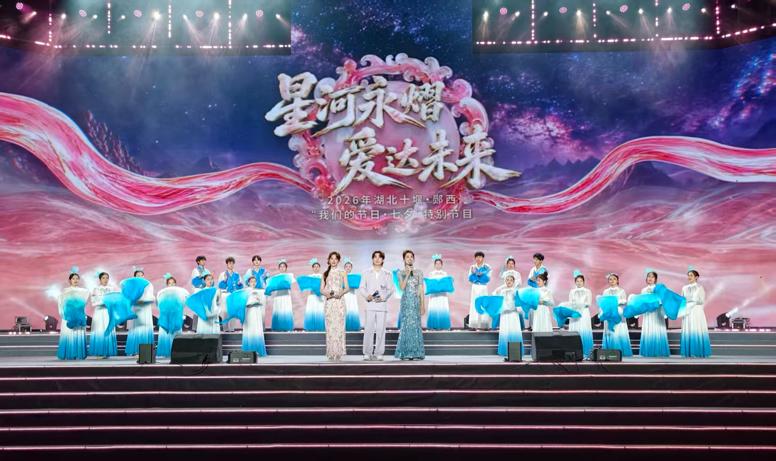
77 Couples Wed in Hanfu at Yunxi’s Qixi Ceremony
At nine on the morning of August 19, the Qixi Festival, a procession of Hanfu-clad couples began filling Shuiyun Square (水韵广场) in Yunxi County, Hubei. The occasion was the 2026 collective wedding ceremony under the banner “Tianhe Bears Witness, Hearts Settle in Yunxi”, which paired 77 couples from Shandong, Heilongjiang, Zhejiang, Anhui, Guangdong, Hunan and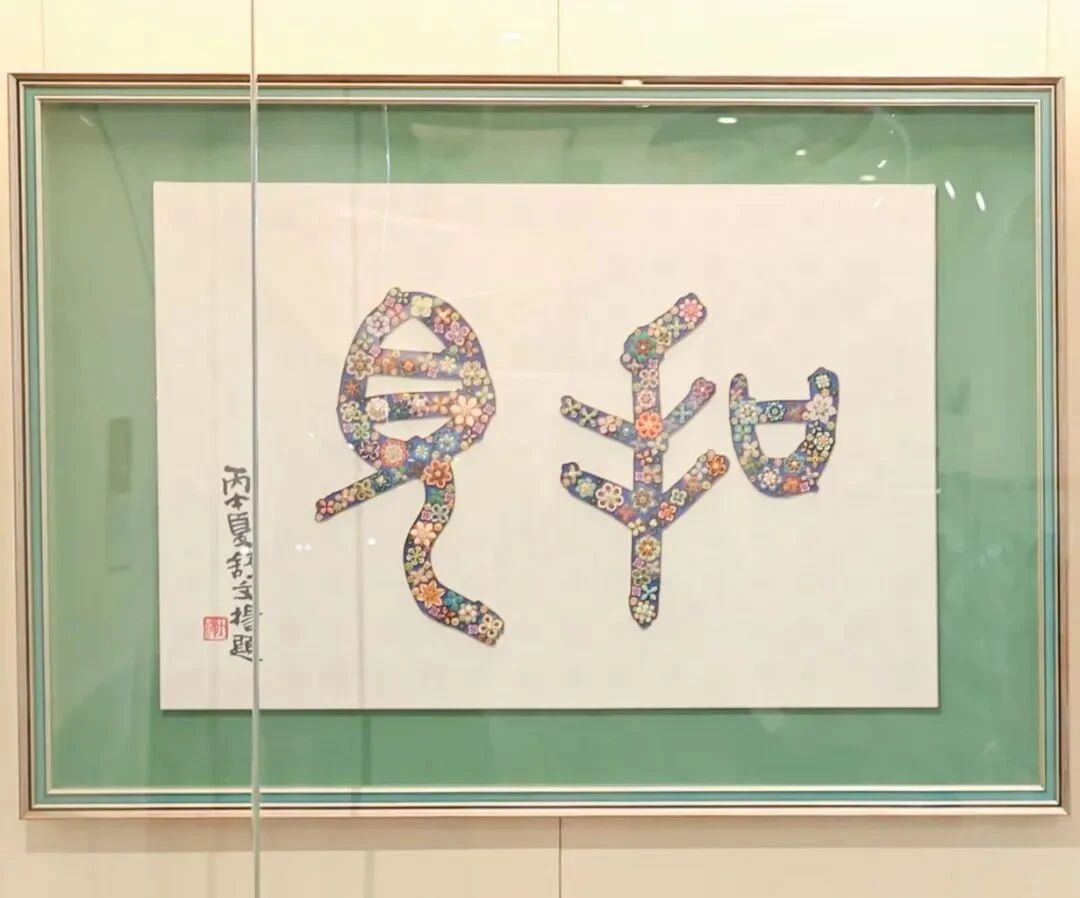
Pankou: Shanghai Show Revives the Frog-Button Craft
Shanghai’s Zhangyuan Art Museum (张渊艺术馆) in Minhang District set out to answer one question with its current exhibition: what happens to a craft once it leaves the seam of a garment? The result, “Kou Jian: Worlds Between Fingertips — a Shanghai-style Pankou art exhibition”, opened on August 13 and runs through August 31, from 10:00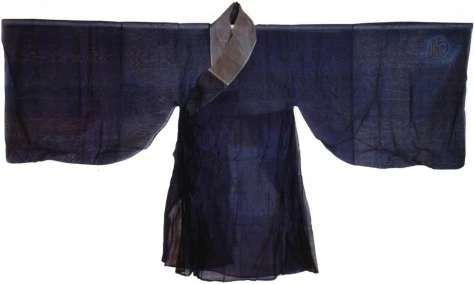
Daopao vs Zhiduo vs Zhishen: Ming Hanfu Robes Compared
Open any serious study of Ming-dynasty menswear and the same three names appear together: the Zhiduo (直裰), the Daopao (道袍) and the Zhishen (直身). All are crossed-collar, right-lapel long gowns that hang past the knee, and at a glance they look like one garment. The differences sit in the fabric panel each robe does or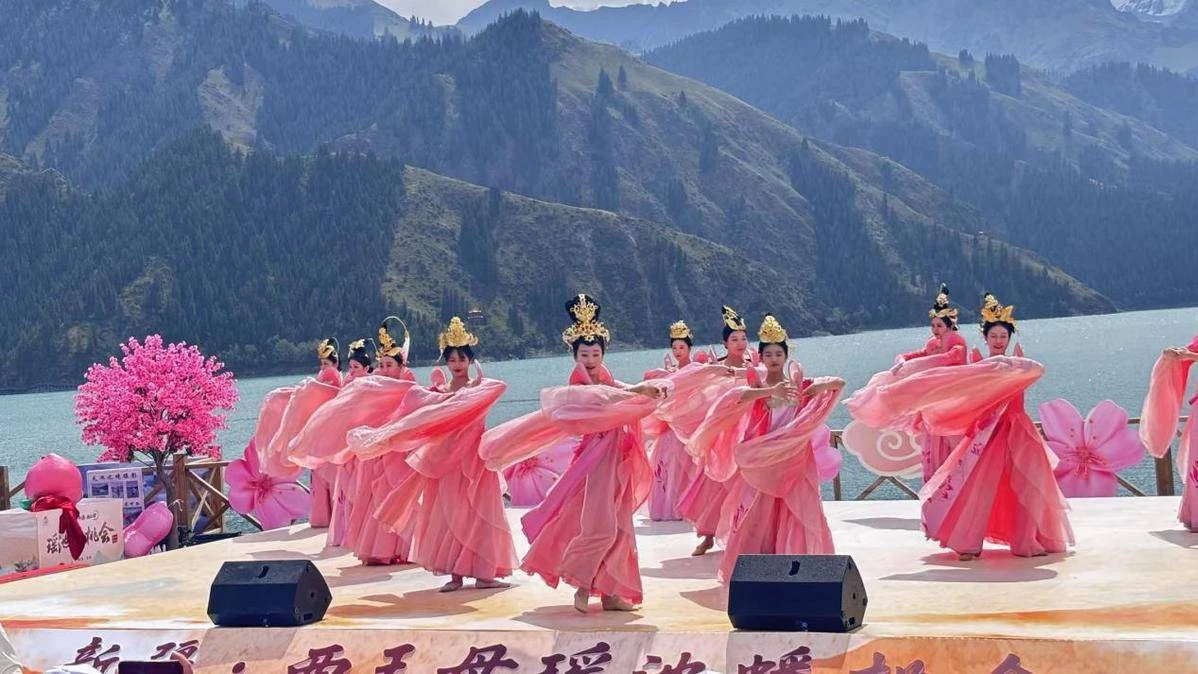
Xiwangmu Peach Festival Opens With a 1,000-Seat Feast
At dusk on August 21, the two blocks of Yaochi Tianjie (瑶池天街) filled with tables placed end to end, and servers dressed as the fairies of the Jade Pool moved down the line with platters. The moment marked the opening of the 2026 Xiwangmu Yaochi Peach Festival (西王母瑶池蟠桃会) at the Tianshan Tianchi (天山天池) scenic area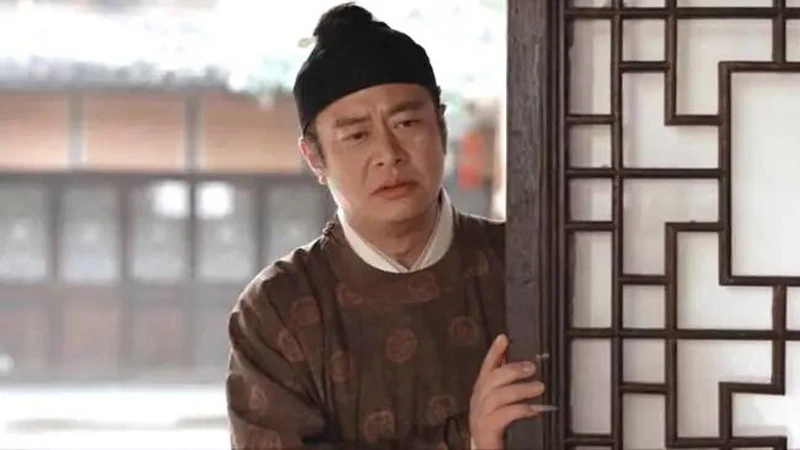
When Long Nails Marked Chinese Male Nobility
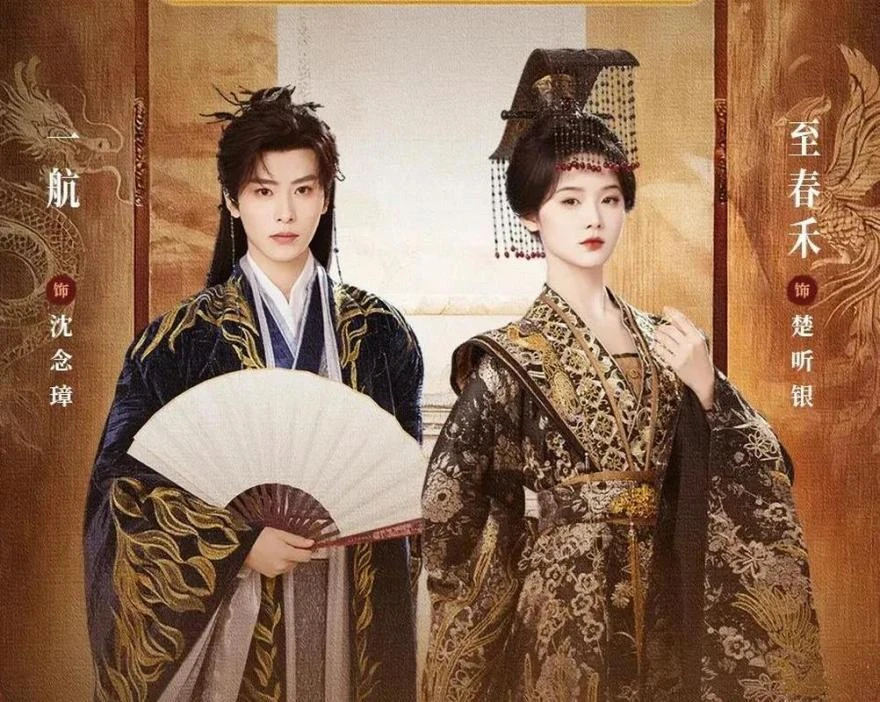
In the period drama The Mo (家业), a curious detail catches the eye: Lord Yan (言), a male character from the Ming dynasty, sports an elongated and glossy fingernail on his little finger. It looks deliberately manicured—almost like modern nail art. This seems odd. Ancient Chinese men grooming their nails? Many viewers immediately assume he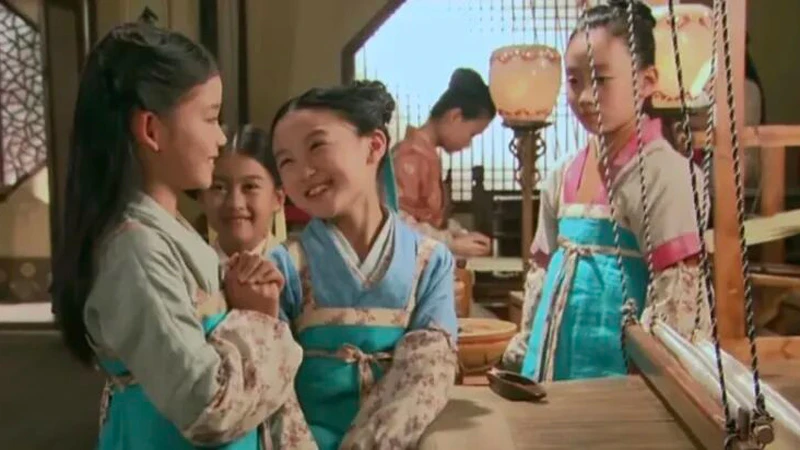
How Textbooks Reshaped the Qixi Festival Legend
Qixi Festival (七夕) arrives every summer, yet millions of children open their Chinese textbooks and read a story that is neither historically accurate nor culturally innocent. Parents across the country are now speaking out, not against romance, but against a distorted tale that has quietly replaced a far richer tradition. The familiar plot – a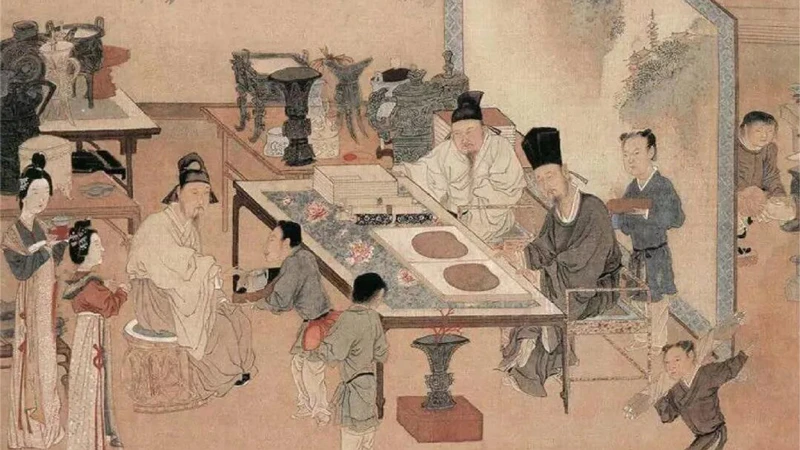
Were Scent‑Producing Body Pills Real in Old China
Forget synthetic sprays. Long before Parisian perfumers bottled their first concoctions, ancient Chinese elites were already mastering the art of personal fragrance—not as a luxury, but as a language of power, ritual, and identity. From jade-adorned sachets to ingestible pills that made one’s very sweat smell of orchids, the quest for a “natural” body scent