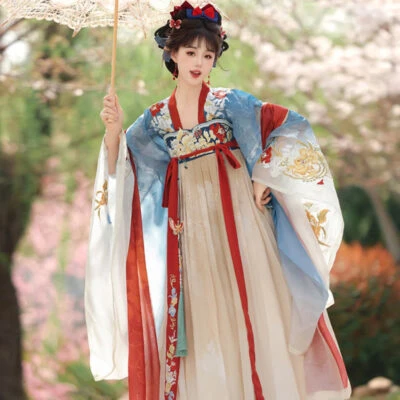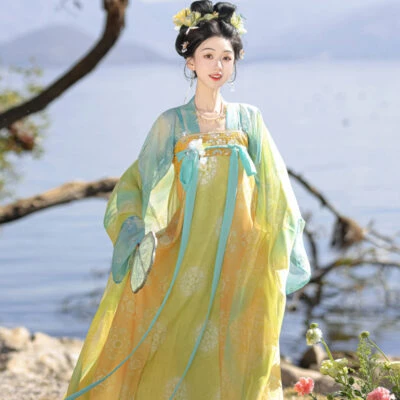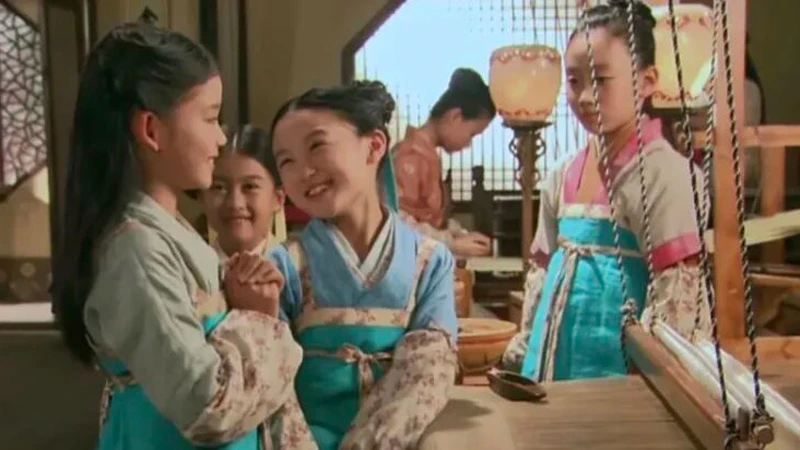
Qixi Festival (七夕) arrives every summer, yet millions of children open their Chinese textbooks and read a story that is neither historically accurate nor culturally innocent. Parents across the country are now speaking out, not against romance, but against a distorted tale that has quietly replaced a far richer tradition. The familiar plot – a poor cowherd steals a fairy’s robe and forces her to stay – does not come from ancient stargazers or classical poetry. It is a much later patchwork, stitched into school readers only a few decades ago.
The real Qixi, however, has nothing to do with forced marriage or tearful reunions. It was never meant to be Valentine’s Day in any traditional sense. Instead, it celebrated skill, friendship, and quiet ambition among young women. By confusing myth with morality, and commerce with culture, modern textbooks have not only misled generations but also erased a festival that once empowered girls rather than sold them flowers. Before we buy another heart-shaped box, it is time to ask: should we not return Qixi to the women who owned it for over a thousand years?
A Girls’ Day Lost in Translation
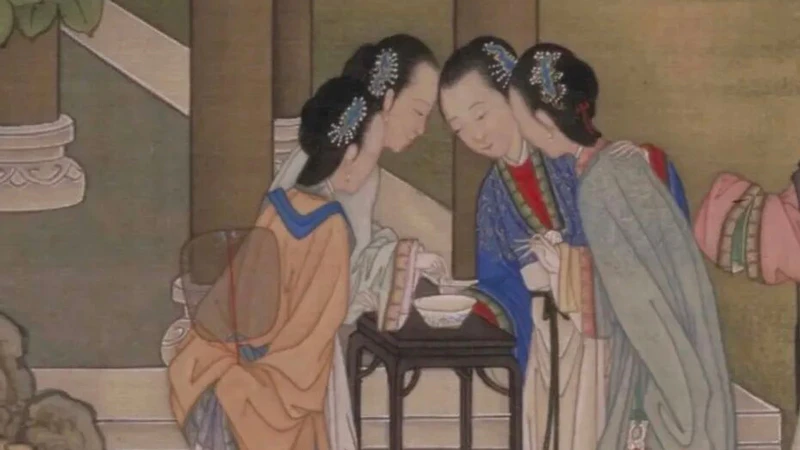
If we travel back to the Eastern Jin Dynasty, as recorded in Miscellaneous Records of the Western Capital (西京杂记), the seventh evening of the seventh month was neither romantic nor tragic. It was, in plain terms, a sewing contest. Young women would gather under moonlight, thread needles with seven eyes, and compete to see who could pass the silk fastest. Success meant “achieving skill” –de qiao (得巧) – and it brought genuine pride, not because of any man, but because fine needlework determined a woman’s status, independence, and even her future livelihood. In an age when embroidery was both art and economy, this night was their annual showcase.
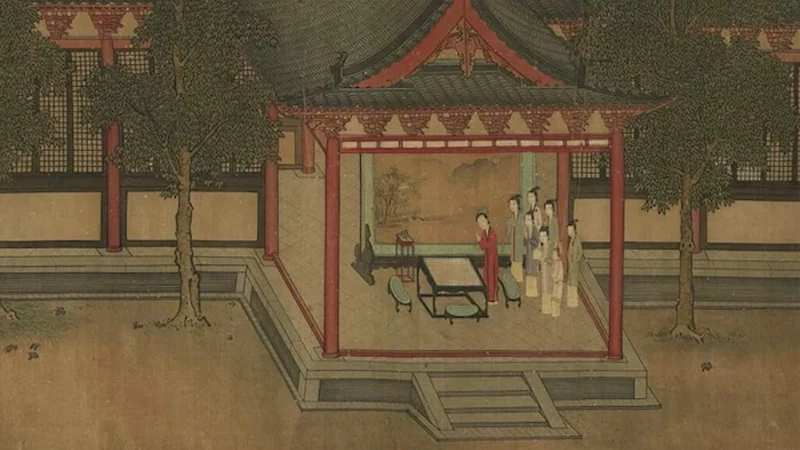
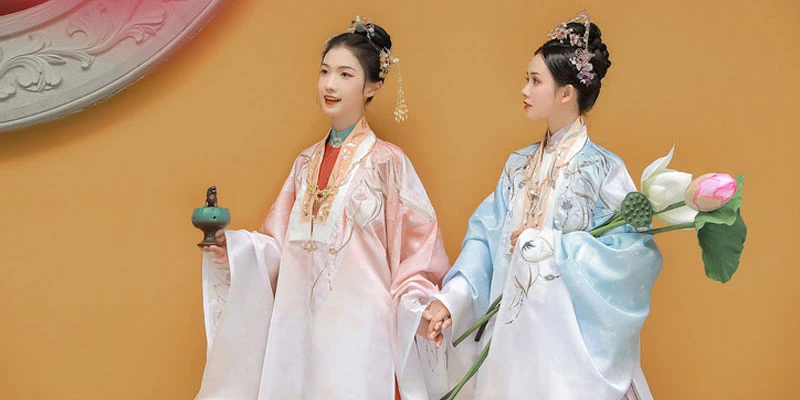
By the Tang and Song dynasties, the celebration had grown into a full-blown female festival. Wealthy families built special “pray-for-skill” pavilions, where daughters feasted, wrote poetry, and offered incense to the Weaver Girl star. Some placed spiders in small boxes; if the insect wove a round, even web, it was an omen of future dexterity. Others soaked beans and wheat in water, tied the sprouts with colourful threads – called “clever sprouts” – and cast them under moonlight to read the shadows. A needle-like shape meant skill; a flower shape meant beauty. These were not idle games. They were public tests of feminine excellence, judged by peers, celebrated with laughter, and utterly devoid of male interference.
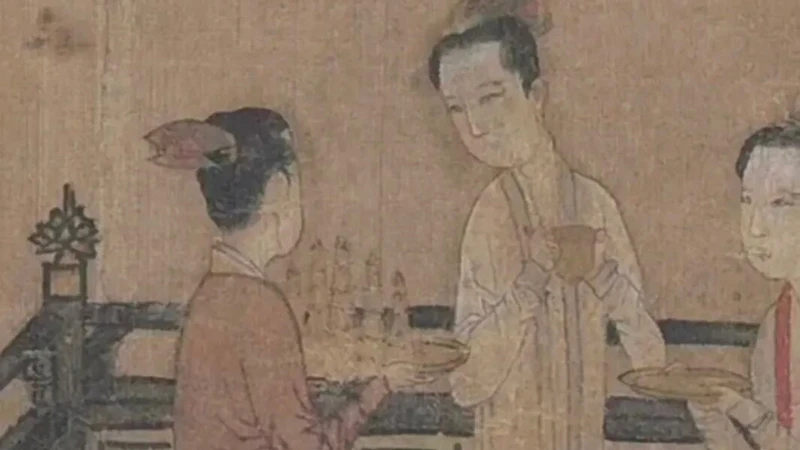
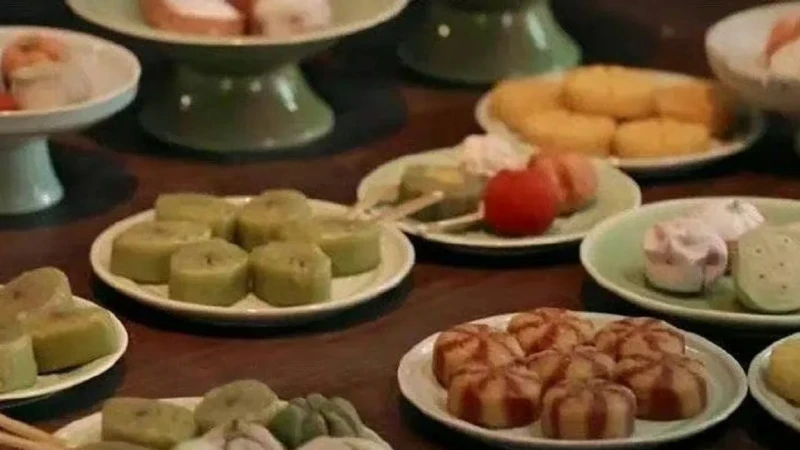
Even the most famous artifact of the season, the Mo Hu Luo (摩睺罗) – a clay doll similar to today’s action figures – was marketed almost exclusively to women. Streets in the capital filled with miniature figurines dressed in jewels, often costing a small fortune. In period dramas like A Dream of Splendor (梦华录) or The Story of Minglan (知否), it appears as a romantic gift, but historically, it was a talisman for fertility and protection, beloved by mothers and daughters alike. The festival also featured Qiao Guo (巧果), or “skill fruits”, pastries shaped into birds, flowers, and animals, baked or fried by the girls themselves. They would sit in circles, share their creations, and compare techniques. This was not a date night. It was a sisterhood convention.
Where Did the Cowherd Steal His Story?
So where does the infamous robe-theft come from? It does not appear in any early star myth. The Weaver Girl and Cowherdwere first mentioned as two separate constellations in classical texts, with no romance whatsoever. The tale of a mortal marrying a celestial woman by hiding her feathery garment is actually borrowed from In Search of the Supernatural (搜神记), a collection of strange tales from the 4th century. In that version, a man in Yuzhang (豫章) spots seven bird-maidens bathing, steals one robe, and forces her to become his wife. She eventually retrieves the robe and flies away, taking their three daughters with her. It is a dark fable about captivity and loss, not love.
Why would textbook compilers graft this grim anecdote onto the star-crossed weaver and her herdsman? The answer lies in 20th-century reform movements, when educators sought simple, moralistic stories for mass literacy. They merged the star myth with the “swan-maiden” folklore, added a touch of sympathetic tragedy, and set the annual meeting on the seventh of July – a date that already carried romantic overtones from Tang poetry. But nowhere in the original stargazing records, such as General Meanings of the Monthly Ordinances (月令广义), does the emperor of heaven force the couple apart; he merely regulates their cosmic duties. The sentimental longing we now associate with Qixi was invented by poets, not by peasants, and certainly not by schoolchildren.
Generations of 80s, 90s, and 00s kids have grown up with this hybrid fairy tale, believing it to be ancient and authentic. Yet it is hardly older than their grandparents. The real damage, however, is not historical inaccuracy alone. By framing the festival around a coerced marriage and an annual cry-fest, textbooks have sidelined the vibrant, practical, and empowering rituals that once defined the day. They have turned a celebration of female competence into a passive romance, and then marketing departments transformed that romance into yet another excuse for candlelit dinners and expensive gifts. The original spirit – playful, competitive, communal, and deeply feminine – has been buried under layers of commercial gloss and editorial convenience.
Critics may argue that traditions evolve, and that modern Qixi can be whatever we wish. That is fair. But evolution should not mean erasure. When a festival’s core activities – needlework, poetry, spider-watching, sprout-floating, doll-collecting, fruit-making – are completely forgotten, while a borrowed, bleak anecdote takes centre stage, we have not evolved; we have replaced. And we have done so without public debate, without scholarly review, and without the consent of the very girls who should be inheriting this legacy. If we truly respect cultural heritage, we owe it to our daughters to restore the full picture, not just the most marketable fragment.