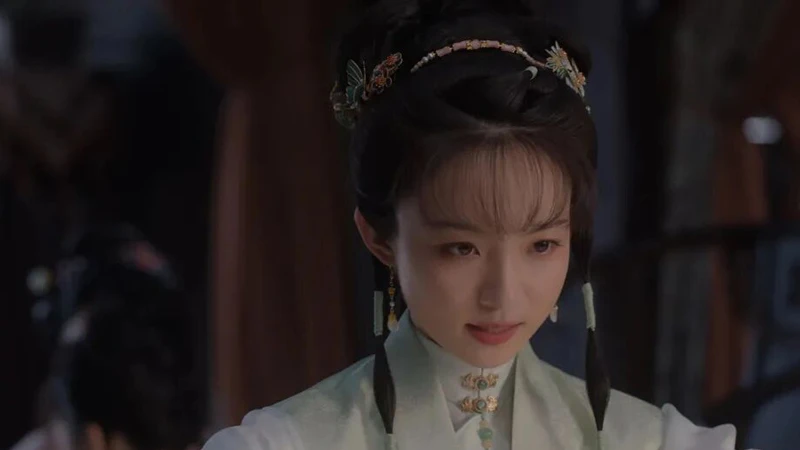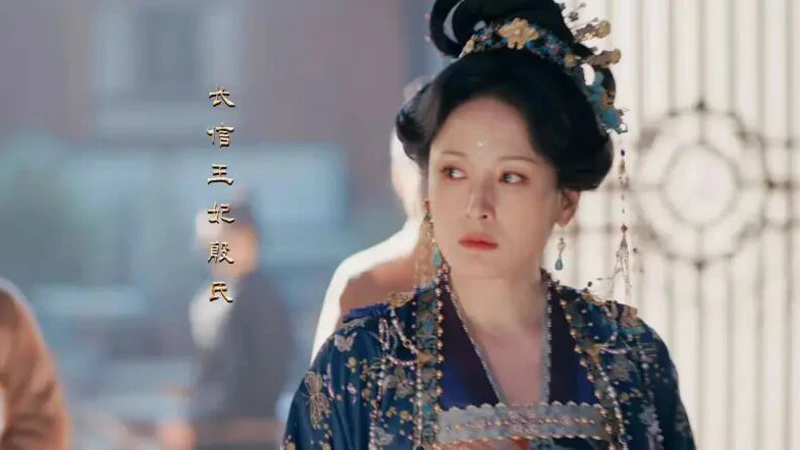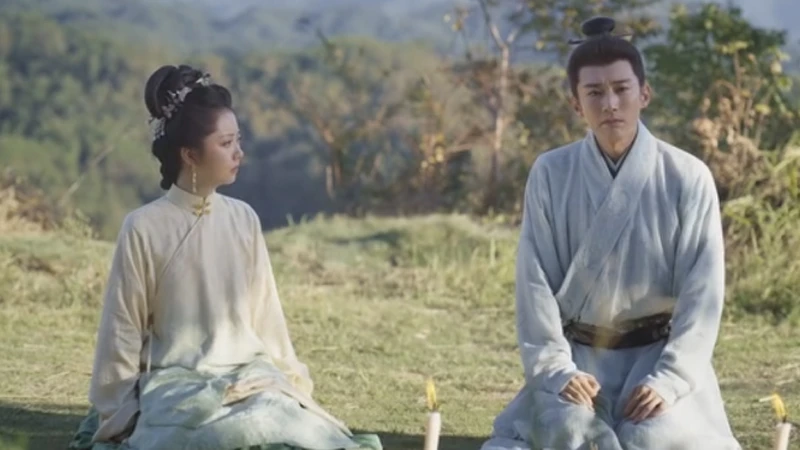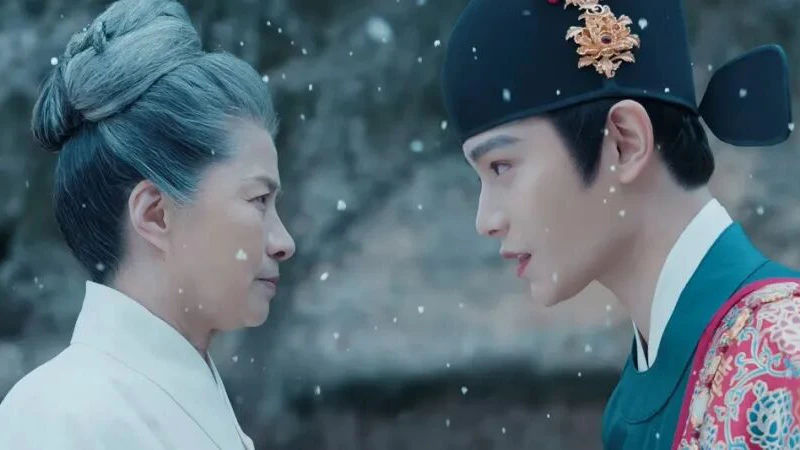
In the gripping drama The Road to Splendor (花开锦绣), currently captivating audiences with its stars Ding Yuxi and Deng Enxi, the ninth young lady of the Fu family, Fu Tingyun (傅庭芸), finds herself ensnared in a web of treachery. Accused of adultery by the Zuo siblings, she is swiftly cast aside by her own clan and forced to drink poison. Her grandmother, who once doted on her, chooses the family’s honor over her life without a second thought. At first glance, the culprits appear to be the scheming Zuo siblings and Yu Jingxiu (俞敬修), the man who jilted her.
Yet, a closer look at the unconventional attire of a maid beside Tingyun’s mother reveals a far more devastating truth: the mastermind is someone who never shows his face, a person so close to her that the betrayal cuts deeper than any blade. The true story is not about a rival’s jealousy but a family’s desperate, selfish cover-up.
The Strange Case of the Missing Patriarch
The conspiracy against Fu Tingyun is riddled with inconsistencies from the start. While Fu Zuo Shi (傅左氏), a resentful relative, initially harbored malice to drag the ninth miss into the mud, it was the family matriarch who swiftly quashed her scheme, demonstrating the Fu family’s absolute power over such petty rivals. Later, when Zuo Junjie claimed Tingyun had pledged herself to him, he was acting on Yu Jingxiu’s orders. However, at that time, Yu had no official rank or personal influence to amplify the scandal to such a public scale.
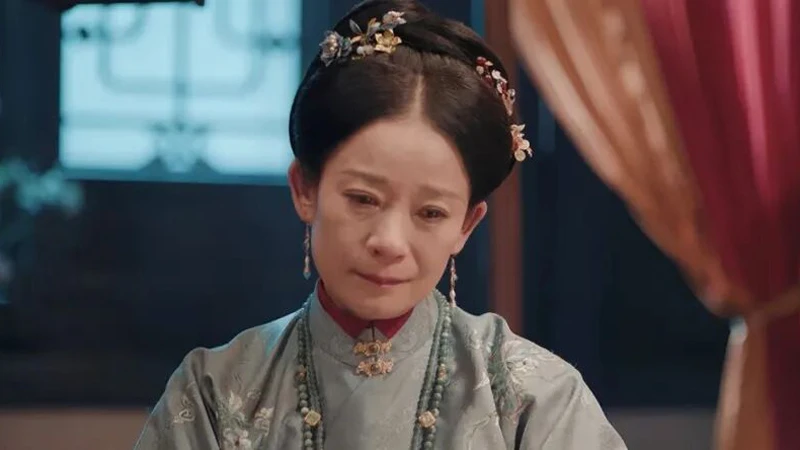
Some might argue that his wealthy parents and connections could have assisted him, but his mother favored Tingyun and would never aid in her ruin, and his father, on the cusp of a promotion, would not risk his reputation. The crux of the mystery lies in the inaction of Fu Tingyun’s uncle, the county magistrate, and her own father. They had the power to suppress the gossip and silence the Zuo siblings. Yet, they remained conspicuously absent, leaving everything to their aged mother. The answer to this puzzle is woven into the changing clothes of a maid who serves Tingyun’s mother, a silent witness to the family’s crumbling conscience.
A Mother’s Changing Silhouette
After escaping death, Fu Tingyun sends two letters to her mother. When the first arrives, her mother, dressed in opulent jewelry and fine silks, is tending to the bedridden matriarch. The scene speaks of normalcy and status. However, by the time the second letter is received, a stark transformation has occurred. The mother has shed all her ornaments, donning simple, plain clothing. More tellingly, her maids are now dressed in white-trimmed garments, even their waistbands a stark, funereal white.
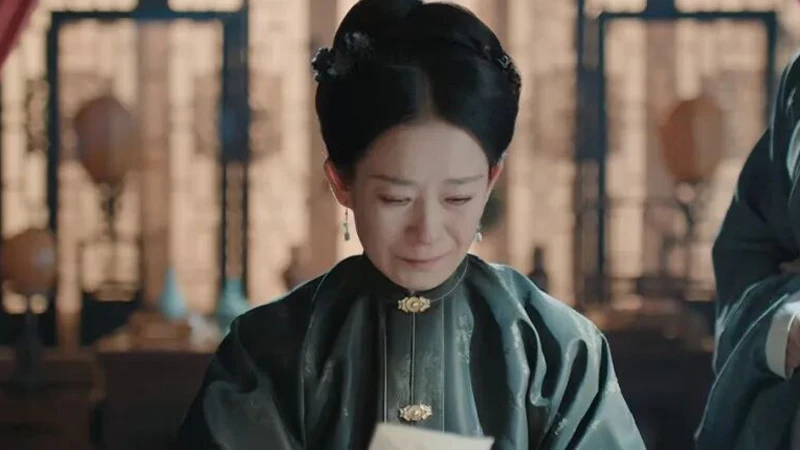
This sudden shift in attire points to only two possibilities: either the matriarch has passed away and the household is in mourning, or she is gravely ill and the family is accumulating merit in a desperate plea for her recovery. Both scenarios confirm one devastating fact: the matriarch’s health was shattered in the short time following Tingyun’s accusation. Does this mean she loved her granddaughter above all else? Not necessarily. The matriarch’s collapse is not born of grief for Tingyun alone, but of the immense, crushing weight of the secrets her sons have forced upon her, secrets that have poisoned the very foundation of the Fu family’s honor.
The Price of a Stolen Future
The television drama omits critical details found in the original story. While the Fu family possessed the power to suppress the adultery charge and save Tingyun’s life, they chose not to. Yu Jingxiu, desperate to break his engagement, leveraged a far more dangerous secret he had uncovered—a secret that held the entire Fu clan hostage. The source of the family’s prosperity, their father’s official career, was built on a foundation of fraud. His imperial examination essay, the very thing that earned him his rank, was plagiarized. This was a crime that could bring down not just a man, but his entire lineage.
To protect the three memorial archways that symbolized their virtue and their very survival, the family made a chilling calculation. Tingyun’s father and her uncle decided that her death was the only way to bury the past and silence any potential investigations. They placed the burden of carrying out this infanticide on their own mother, the matriarch. She was forced to choose between her granddaughter’s life and the legacy of her sons, a choice that ultimately broke her spirit and sent her to her sickbed.
The Unseen Hand in the Shadows
The true villain of The Road to Splendor is not the spurned Yu Jingxiu, nor the envious Zuo siblings. They are merely pawns in a larger, more intimate tragedy. The real antagonist is the man who never lifts a finger to defend his daughter: Fu Tingyun’s own father. He is the one who prioritizes his career over his child, the one who commands the matriarch to administer the poison, and the one who hides behind the guise of familial duty. His silence throughout the entire ordeal is not an indication of powerlessness, but the very act of a coward preserving his own skin.
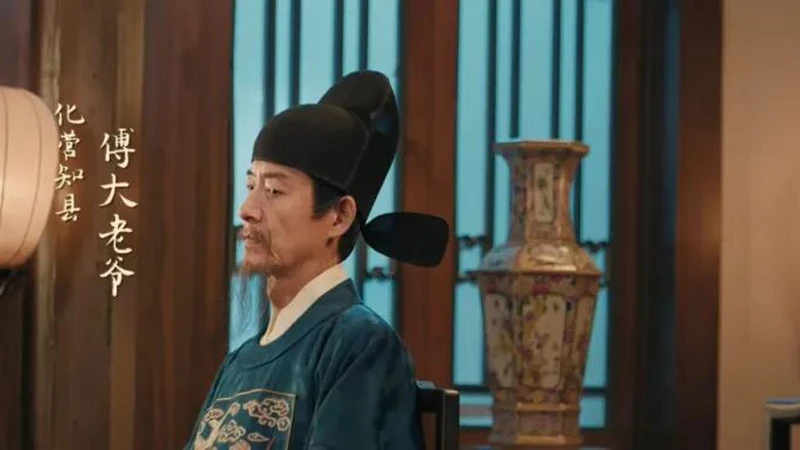
Fu Tingyun never suspects him because his betrayal is the most profound. It is not a rival’s scheme or a lover’s desertion; it is a father’s absolute abandonment. The identity of the “he” in the narrative is a ghostly presence, the silent patriarch whose ambition demands a human sacrifice. This brutal truth explains the mother’s transformation from opulence to stark mourning; her finery was a facade, and her subsequent plainness is a confession of her complicity and grief. It is a family tragedy where the only innocent one is the one who paid the ultimate price, leaving a scar that can never heal.