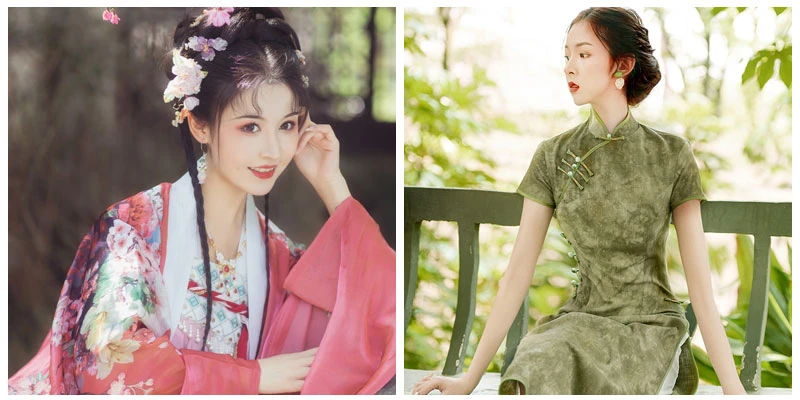
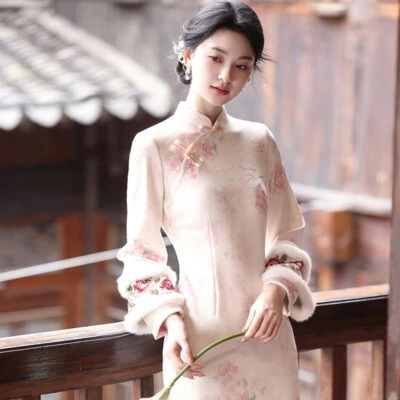
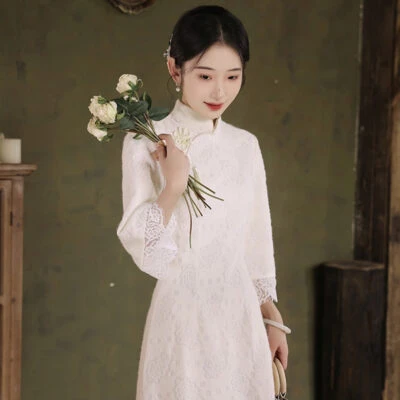
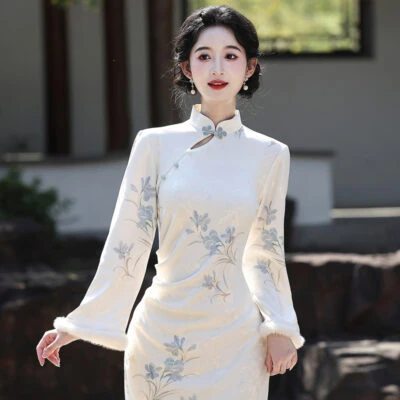
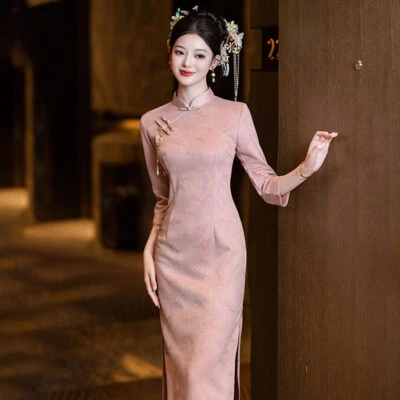
On July 25, 2026, marking the fifth anniversary of Quanzhou’s UNESCO World Heritage inscription, the “Song-Yuan China · Qipao Meets Quanzhou” (宋元中国·旗遇泉州) 2026 Fujian Province Qipao Fashion Invitational concluded its finals at the Quanzhou Kaiyuan Shengshi complex. Organized for the third consecutive year by the Fujian Cultural Volunteer Association, the event has anchored itself in Quanzhou’s profound maritime heritage, becoming a signature cultural brand. Three years of accumulation, inheritance, and innovation turned the cross-sea oriental aesthetics rendezvous into a warm and elegant highlight of Quanzhou’s fifth anniversary celebrations.
Competition Overview
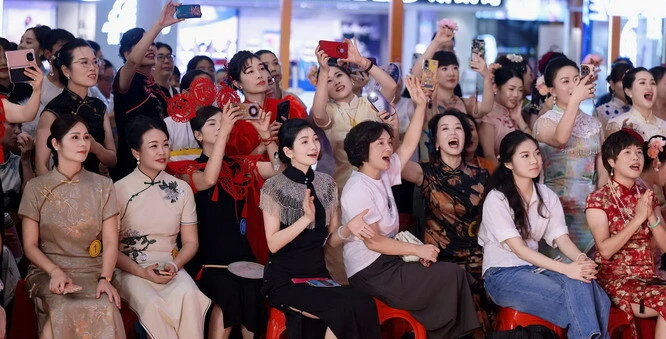
The competition was co-hosted by the Fujian Cultural Volunteer Association and Quanzhou Radio and Television Station’s All-Media News Center, with support from the Association’s Women’s Federation and the Drum-and-Qipao Volunteer Service Team. Multiple enterprises and ICH institutions, including the Quanfu Impression Sandao Alley Art Museum (泉府印象三道行艺术馆), participated as co-organizers. Since opening registration, the event attracted hundreds of qipao enthusiasts from across the province. After multiple preliminary rounds and semi-finals, 68 finalists made it to the stage.
Four Chapters: Generational Splendor Along the Maritime Silk Road
This year’s final innovatively broke from the convention of grouping by style, instead dividing contestants into four chapters by age, allowing each generation to shine in its own expression of Maritime Silk Road elegance.
Chapter One: “New Maritime Silk Attire” (海丝新裳组) — The youngest lineup, unbound by stereotypical qipao imagery. Contestants moved to lively rhythms in modified qipaos with hemlines split just enough for natural strides, embodying the open, outward-facing energy of the younger generation — a vibrant echo of the merchant ships laden with silk and tea sailing the world from the ancient Port of Zayton (Quanzhou). Young audiences in the crowd captured the moment on their phones, marveling that qipao could be so trendy.
Chapter Two: “Zayton Qipao Charm” (刺桐旗韵组) — Mostly local Quanzhou residents, many having lived in the city for decades. Their poised, unhurried strides carried the warmth and quiet confidence unique to Quanzhou women. Each qipao they wore functioned as a walking “world heritage cultural business card,” immersing the audience in the thousand-year-old city’s lived bustle and cultural depth.
Chapter Three: “Silk Road Elegance” (丝路雅集组) — Contestants with over a decade of qipao experience, deeply connected to traditional southern Fujian craftsmanship. They wore ICH qipaos bearing the warmth of handwork: gold-thread embroidery (金苍绣) glowed under the lights, each stitch carrying centuries of Minnan traditional craft. Museum-displayed ICH techniques were brought back to life on contemporary qipao fabric.
Chapter Four: “Minnan Grace” (闽韵风华组) — The show’s most striking silver-haired lineup. Fourteen contestants wore no deliberate ornamentation, yet their poise radiated the grace of accumulated years. Centered on the concept of “dialogue between past and present,” the contestants performed scenario-based runway walks, illustrating female elegance from Song-Yuan Maritime Silk Road times to contemporary Quanzhou. The audience rose to applaud.
Professional Judging Panel
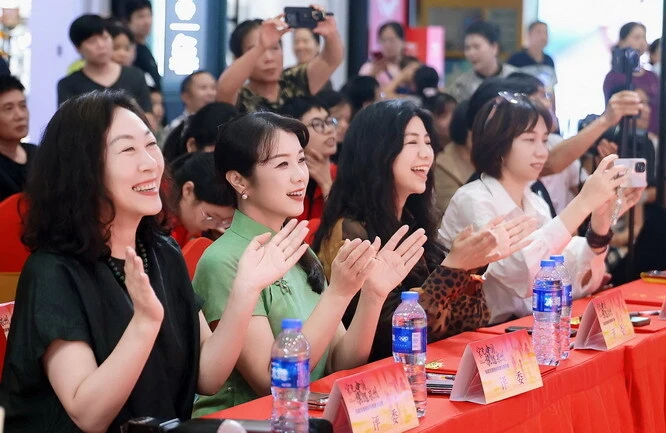
To ensure professionalism, authority, and fairness, the competition assembled a cross-disciplinary senior judging panel: Liu Zongli (刘宗利), President of the Fujian Cultural Volunteer Association; Jing Yanning (井燕宁), senior news anchor of Quanzhou Radio and Television Station; Cai Lyu (蔡绿), qipao image trainer; Wang Yifei (王艺霏), international beauty IP promoter and Asia Top 10 outfit coordinator; and Cai Lizhu (蔡丽珠), Vice Chair of the Quanzhou Fengze District Music and Dance Association. They evaluated contestants on costume creativity, stage presence, and cultural connotation.
Liu Zongli stated in his address: “This year marks the fifth anniversary of Quanzhou’s World Heritage inscription. By using qipao as a carrier to deeply bind traditional Chinese costume culture with Quanzhou’s Maritime Silk Road culture, we aim to find a youthful, fashionable entry point — helping more people see the beauty of world-heritage Quanzhou and the vitality of the qipao. After running this event for three years, what moves me most has never been the stage highlights, but the ordinary women who, through a qipao, truly entered Quanzhou’s thousand-year cultural vein. This year, our goal is not to select the most ‘standard’ qipao walkers, but to identify the cultural narrators who best understand the Maritime Silk Road and the spirit of passion.”
Judge Cai Lyu added that the most moving quality of this competition was how every performance garment carried Quanzhou’s cultural imprint. Qipao was no longer a single aesthetic symbol but a cultural bond linking the thousand-year Maritime Silk Road heritage with contemporary life.
Three-Year Qipao Vow
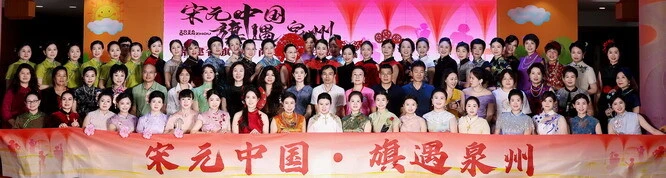
As the final group’s dresses gently settled, the stage lights softened, and all 68 contestants gathered at center stage in their Maritime Silk Road qipaos. The youthful energy of Gen Z, the poise of the 1970s generation, the warmth of the 1960s, and the grace of the silver-haired — all merged into a single tableau under the spotlight. Three years of qipao vows, five years of World Heritage — the event turned 68 ordinary qipao enthusiasts into 68 mobile cultural ambassadors for Quanzhou. They walked from the trials and finals, from the ancient stone lanes of the World Heritage city, from their own life stories — stitching with every thread the thousand-year Maritime Silk Road heritage of Zayton into every inch of fabric.