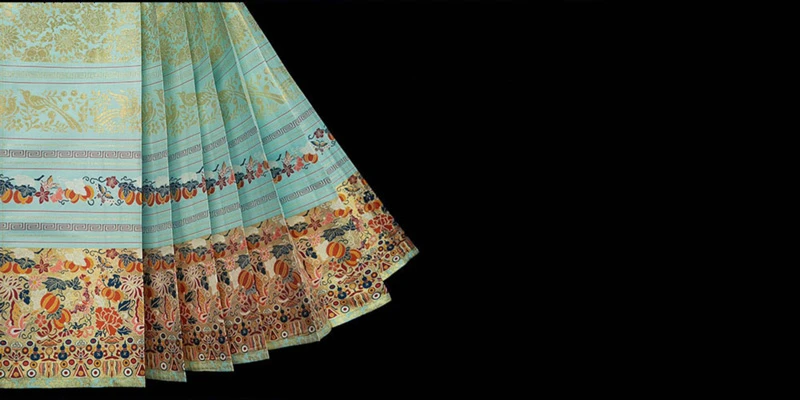
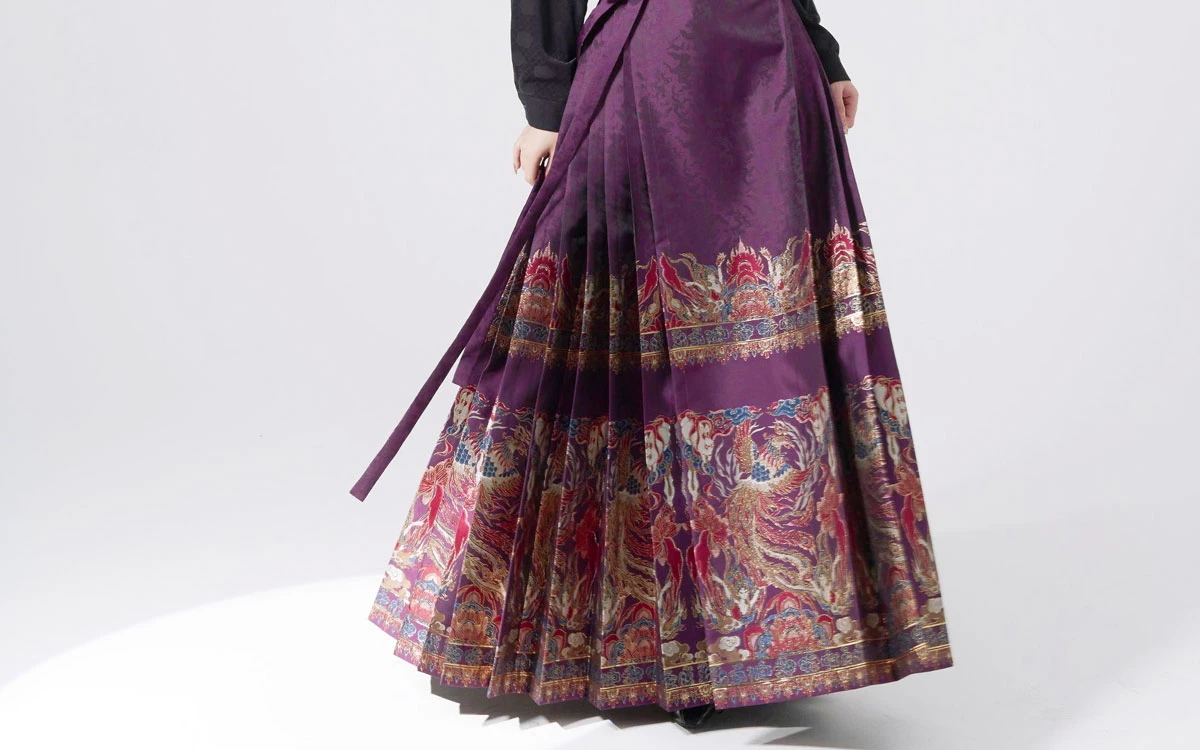
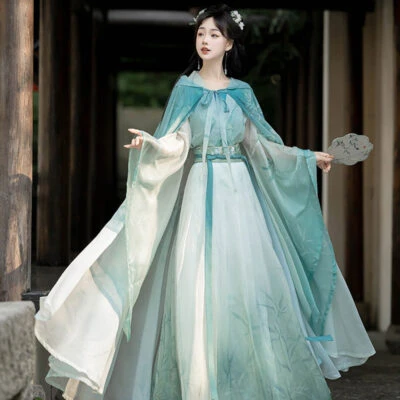
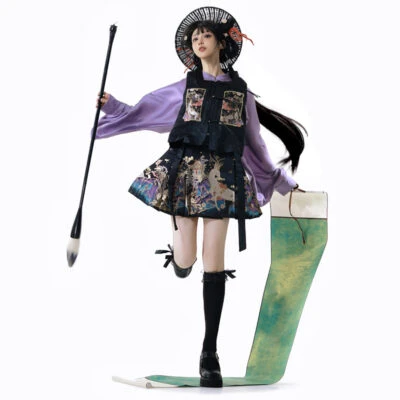
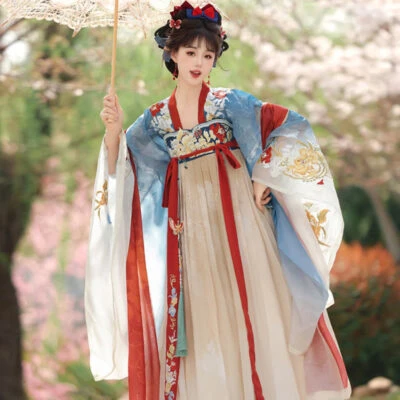
The Mamianqun — a pleated skirt with flat front and back panels that originated in Ming-dynasty Chinese dress — has become the defining womenswear piece of the Neo-Chinese fashion movement. What was once confined to ceremonial settings is now a daily wardrobe staple for a generation that values visual identity as much as comfort. By mid-2026, one combination dominates city streets across China: a cream side-slit knit top paired with a silver-gray pleated Mamianqun and a light cardigan draped over the shoulders. The low-saturation palette reads clean without being flashy, and retailers report silver and light gray as the fastest-moving colors across both online and physical channels.
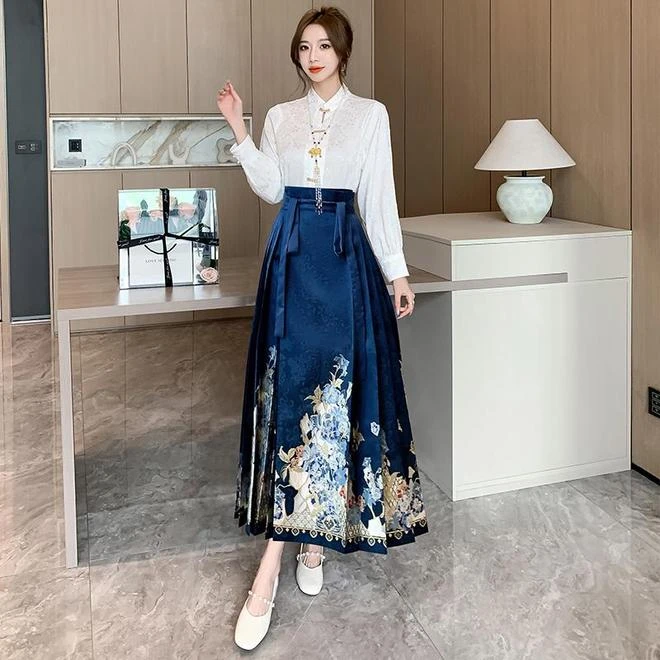
This transition into an everyday garment follows a clear principle: treat the Mamianqun as a statement A-line skirt with unique paneling, not a historical artifact. Consumers who wear it daily combine no more than two Chinese-style elements in a single outfit. The informal rule — 30 percent classical, 70 percent modern — keeps the look from veering into theatrical territory. A small standing-collar shirt with jeans, or a water-ink print skirt with a plain white tee, applies the same logic in different proportions. The key is that the Chinese element remains the focal point while everything else recedes into neutral support.
Three Core Pairing Formulas
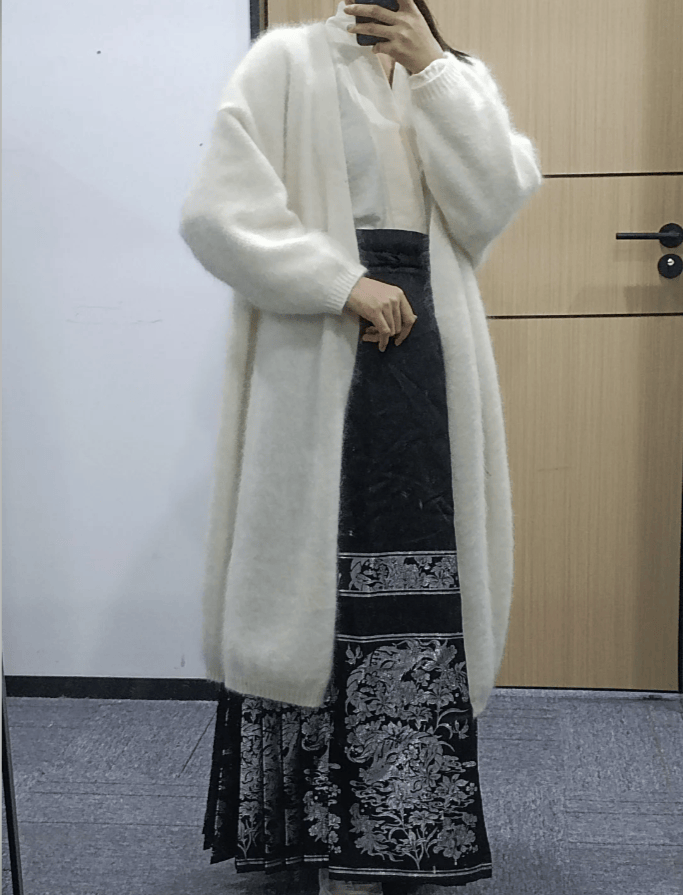
Soft Knit Cardigan + Mamianqun
The most accessible spring combination. Mamianqun fabric runs stiff due to dense pleating and layered panel construction; pairing it with a soft V-neck cardigan creates a deliberate contrast between structured form and fluid texture. Choose a cropped or tucked-in cardigan so the skirt’s signature flat panel — the “horse face” that gives the garment its name — remains fully visible. Dark or gold-brocaded Mamianqun pairs best with oatmeal, milk-white, or dusty rose knits. Leaving the collar slightly open reveals the collarbone, adding a relaxed, scholarly quality to the silhouette. The soft texture of the knit also helps tone down the formality of more intricate Mamianqun designs, making them approachable for everyday wear.
Relaxed White Shirt + Mamianqun
Many office workers avoid Mamianqun, assuming it reads too ceremonial for the workplace. A simple white shirt dissolves that objection. The trick is to choose an airy French-cut or silk-blend blouse with genuine drape rather than a stiff cotton button-down. Roll the cuffs to the elbow, leave the top two buttons undone, and loosely tuck the hem into the skirt waistband. The crisp white anchors the Mamianqun’s intricate patterning without competing with it. The resulting look — part gallery curator, part creative director — reads clean and quietly confident, appropriate for most creative or open-plan office environments. This combination works especially well with Mamianqun that feature subtle embroidery or brocade detailing, as the white shirt creates a neutral canvas that lets those details stand out.
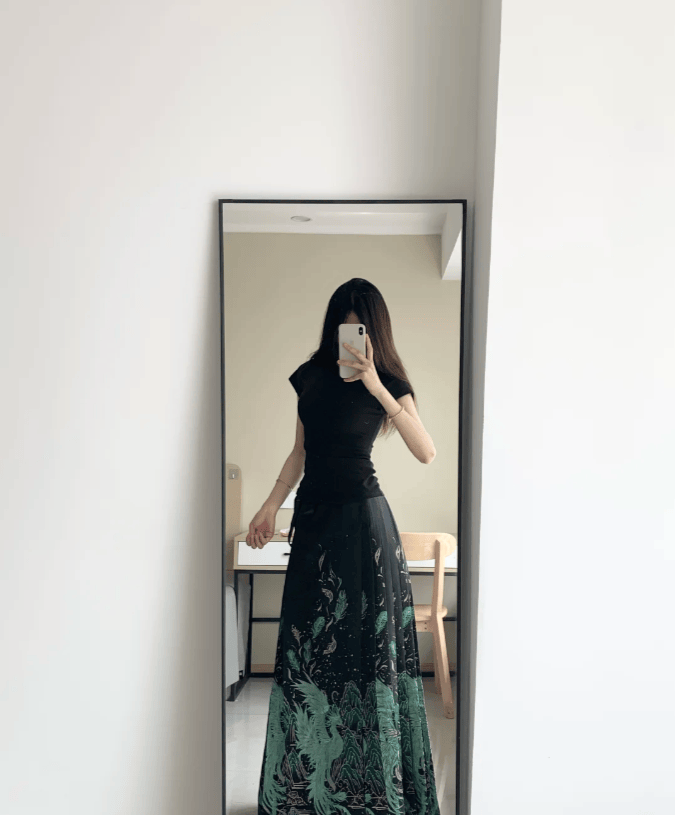
Fitted Cropped Tee + Mamianqun
Late spring and summer weekends call for the “tight top, full skirt” approach. A basic black or white cropped tee — just grazing the waist — paired with a wide Mamianqun generates maximal contrast: the fitted top defines the upper body while the voluminous skirt commands the lower silhouette. Chunky sneakers or canvas shoes finish the look without extra accessories. This formula also addresses the Mamianqun’s common hip-widening issue: by letting the skirt flare naturally from the waist rather than cinching at the hips, the “full” silhouette reads as intentional styling rather than a fit problem. The cropped tee also introduces a contemporary streetwear element that makes the Mamianqun feel current rather than revivalist.
Fabric and Fit for Daily Wear
For everyday use, modified Mamianqun versions outperform traditional ones. Look for Tencel or viscose blends with good drape instead of heavy brocade — the lighter fabric moves with the body and does not require the stiff understructure that historical Mamianqun need. Skirt length should fall just above the ankle, short enough to clear stairs and public-transport thresholds without dragging. Narrow pleats lie flatter against the body and create a cleaner line than wide pleats, which tend to bulge at the hip.
Silver-gray has emerged as a practical favorite for reasons beyond aesthetics. Black reads too heavy for daytime spring wear; red and other festive colors look out of place in everyday settings. Gray sits neutral, layers easily with the cream, oatmeal, and light-khaki pieces already in most wardrobes, and reads natural under office lighting. The waistband should sit one to two fingers above the navel, with a band width of two to three centimeters for stability. Fabric weight should feel substantial enough to drape but not stiff enough to stand away from the body. Heavier fabrics work better for cooler months while lightweight silk and cotton blends suit warmer seasons.
Petite frames should prioritize visible waist definition: short tops with high-waisted bottoms create the longest possible leg line. Curvier builds do better with loose H-line or slight A-line cuts in drapey fabrics rather than structured ones that add bulk at the hip. Pear-shaped bodies can concentrate Chinese-style elements — a Pankou blouse or embroidered collar — on the upper half while pairing them with simple black wide-leg pants below, directing attention upward. Apple-shaped builds should avoid complex waist detailing and choose mid-length tops that cover the hip area, paired with straight-leg bottoms for a balanced vertical line.
Modern Accessories to Soften the Classical Look
Sneakers, canvas shoes, simple shoulder bags, and metallic accessories all work to offset the Mamianqun’s formality. The principle is restraint: one statement accessory per outfit, not a full traditional complement. Skip elaborate jade pendants or heavy silver ornaments. A delicate metal necklace, a pair of pearl studs, or a minimalist leather crossbody bag offers enough polish. The goal is to make the Mamianqun feel like a natural choice rather than a deliberate costume. Once the outfit itself becomes the statement, accessories should recede into the background — the Mamianqun does not need embellishment when styled correctly.
Wearing the Mamianqun well does not depend on expensive heritage brocade or precise historical reconstruction. It depends on using everyday pieces to absorb the skirt’s ceremonial weight. Less deliberate staging, more casual ease — that approach makes Chinese-inspired dressing feel like a genuine personal style rather than a staged presentation.