
Wuzhen, the historic water-town in Zhejiang Province, has become one of the most popular destinations for hanfu travel photography in the Yangtze Delta region. According to the 2026 China Ancient-Town Hanfu Travel Photography Market White Paper, Wuzhen receives over 120,000 hanfu photography clients annually, with related consumer spending exceeding 150 million yuan. For visitors planning a hanfu shoot in this Jiangnan setting, understanding pricing, service tiers, and booking logistics is essential.
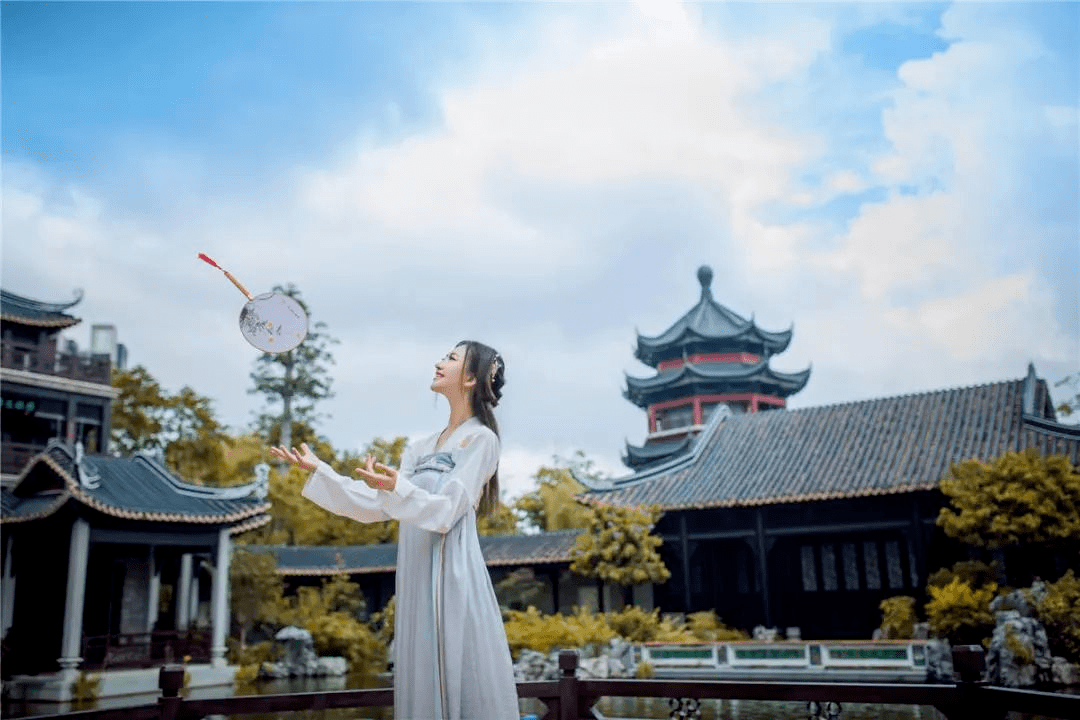
Wuzhen for Hanfu Photography
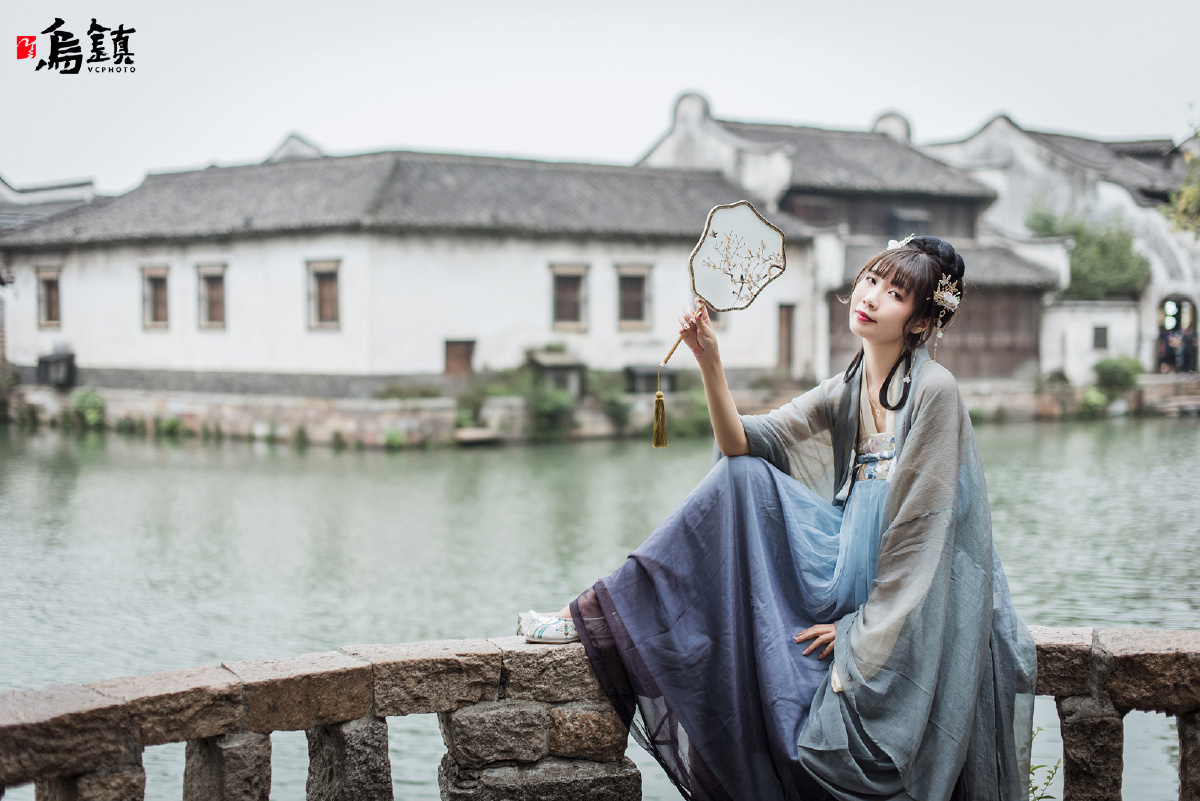
Wuzhen's preserved Ming- and Qing-dynasty architecture — stone bridges, canal-side walkways, and timber-frame dwellings — provides an authentic backdrop that matches hanfu aesthetics without artificial staging. Unlike studio shoots where backgrounds are composited or fabricated, Wuzhen offers real historical environments: the Bridge-In-Bridge waterway where two canal arches create a double-reflection effect, the old post-road corridor lined with timber shopfronts, and the wooden-veranda residences where canal water flows directly beneath windowsills. These locations produce images with genuine depth and texture that studio composites cannot replicate.
The Xizha (West Scenic Zone) and Dongzha (East Scenic Zone) areas offer distinct atmospheres: Xizha for its misty night scenes and lantern-lit waterways, Dongzha for morning light on older residential lanes. Within Xizha, the most requested shooting spots are the Yinyuan Bridge overlook, the water-town street near the former residence of Mao Dun, and the canal dock where small boats pass under stone arches at dusk. Peak hanfu photography seasons align with Wuzhen's Drama Festival in October and spring/summer weekends, when booking demand spikes sharply.
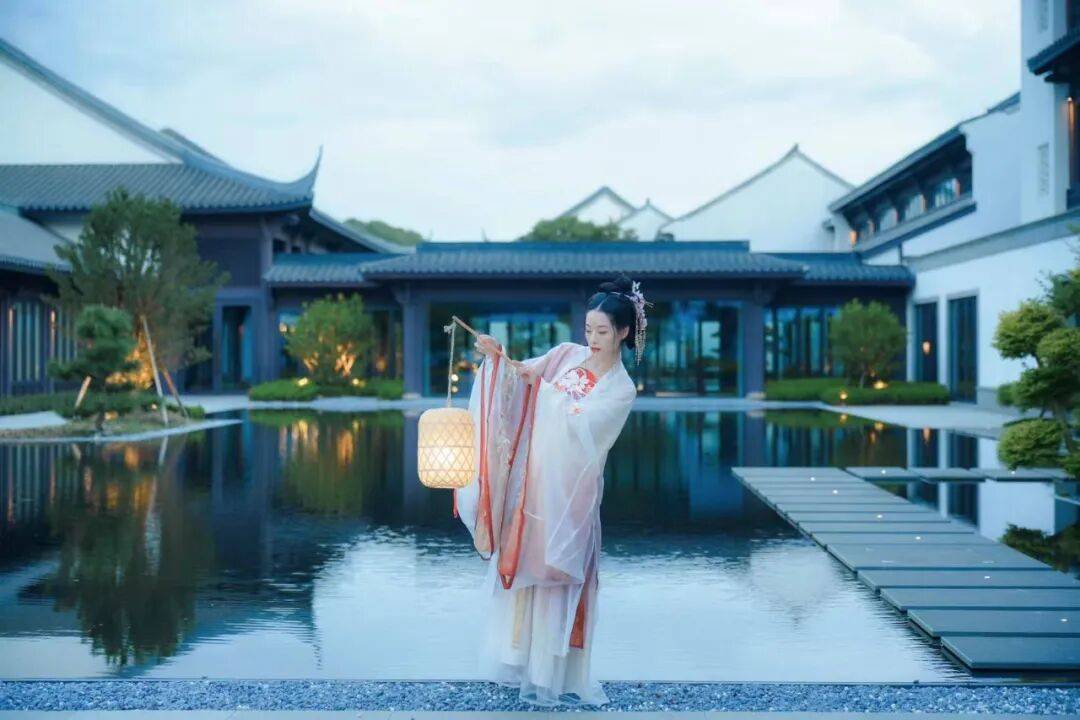
Pricing Tiers and What They Include
A June 2026 survey of 16 hanfu photography studios in and around Wuzhen reveals three mainstream pricing tiers:
- Basic package (single person, no styling): 399–699 yuan — includes 60–90 minutes of shooting, 30–50 raw photos, and 9–15 retouched images. Clothing rental and makeup are not included.
- Standard package (with styling): 699–1,299 yuan — includes full hanfu rental, custom makeup and hair styling, 2–3 hours of shooting, 50–80 raw photos, and 15–25 retouched images.
- Premium package (multi-scene, multi-outfit): 1,299–1,999 yuan — includes two outfit changes, elaborate styling, scenic-zone admission tickets, 3–4 hours of shooting, 80–120 raw photos, and 25–35 retouched images.
Watch for hidden costs: some studios advertise low base prices but charge separately for false eyelashes, prop usage, or additional raw-photo access. Always confirm whether the quoted price covers "upper and lower eyelashes," "no extra prop fees," and "all raw photos included" before committing.
Studio Selection Criteria
Wuzhen's hanfu photography market includes roughly 20 studios ranging from long-established local teams to newer fashion-forward operations. The market has matured significantly since 2024, with several studios now employing full-time makeup artists, maintaining dedicated clothing inventories, and offering standardized service protocols. When evaluating options, consider five key dimensions:
1. Local Expertise and Route Knowledge
Studios based permanently in Wuzhen know crowd-flow patterns, optimal lighting windows, and less-trafficked shooting spots across both scenic zones. They can time sessions to avoid peak visitor hours and capture reflections on canal water at the right moment. This matters especially in Xizha, where afternoon tourist density between 2:00 and 4:00 p.m. can make certain bridge positions unusable. Out-of-town studios operating seasonal pop-ups may lack this site-specific knowledge, leading to wasted shooting time navigating crowds or missing the best light angles.
2. Makeup and Styling Quality
Styling is the single factor that most determines whether final images look like hanfu photography or generic costume snapshots. Look for studios that employ dedicated makeup artists trained in period-accurate hair arrangements — Tang-dynasty high buns, Song-dynasty parted styles, or Ming-dynasty coiled updos — rather than one-size-fits-all styling. Studios that release new makeup designs monthly (seasonal flower themes, character-inspired looks) tend to deliver more distinctive results.
3. Clothing Inventory and Hygiene
Quality studios maintain 100–200+ hanfu sets spanning major dynastic styles, with regular new additions. Confirm whether garments are washed after each use ("one client, one wash" policy) rather than merely aired — this is particularly important for summer shoots where perspiration is unavoidable. Studios that stock authentic period silhouettes — properly structured mamianqun with correct pleat configurations, correctly proportioned daxiushan, historically accurate beizi — produce better images than those relying on simplified cosplay-grade garments. Ask whether the studio distinguishes between "display-only" samples and "wearable" inventory; some operators photograph clients in showcase pieces that are not actually available for rental, then substitute lower-quality alternatives on the day of the shoot.
4. Delivery Speed and Communication
Delivery timelines vary: some studios promise all raw photos within 24 hours and retouched images in 3–5 days; others take 7–10 days for final delivery. If you plan to share images on social media during your trip, prioritize fast-delivery studios. Confirm whether the studio offers one or two rounds of revision on retouched images and whether they provide an online communication channel for feedback.
5. Price Transparency
The most reliable studios publish itemized package details — every included service listed line by line — with no ambiguity about extras. Studios that refuse to clarify what "basic makeup" entails or that add surcharges after booking are best avoided.
Weekday sessions can usually be booked 3–5 days in advance. Weekends, holidays, and the Wuzhen Drama Festival period (October) require 10–15 days' advance booking. Premium-tier studios with limited daily capacity (4–5 sessions) may need 20 days' notice. Most studios accept online reservations via WeChat or mini-program, and several offer priority scheduling for holidays if booked early.
Scenic-zone admission tickets are not included in most photography packages. Xizha and Dongzha each require separate entry tickets (day or night-pass options). A few premium bundles include tickets, but the default assumption should be: tickets are your responsibility.
The Wuzhen hanfu photography market is shifting from single-session photo shoots toward bundled cultural experiences. Several studios now offer combined packages that include hanfu styling plus an intangible-heritage craft workshop — blue-and-white fabric printing, local pastry making, or fan-painting — within the same itinerary. According to the 2026 China Cultural Tourism Consumer Index Report, over 62 percent of ancient-town visitors express willingness to pay for a "styling plus shooting plus cultural guide" integrated experience, signaling that the market's next competitive frontier is depth of experience, not just number of photos.
Practical Tips for First-Time Visitors
- Arrive at the studio 30–45 minutes before your scheduled shoot to allow time for styling; elaborate period-accurate hair arrangements take longer than expected.
- Bring flat walking shoes for moving between locations — hanfu footwear is fine for photos but impractical for canal-side stone paths between shooting spots.
- Morning sessions (7:00–9:00 a.m.) offer the best natural light and lowest crowd density in both scenic zones.
- Night shoots in Xizha require portable lighting equipment; confirm whether your studio provides this or expects you to rely on existing lantern illumination.
- Review the studio's recent client gallery (not curated portfolio images) on social media to gauge real-world consistency before booking.
