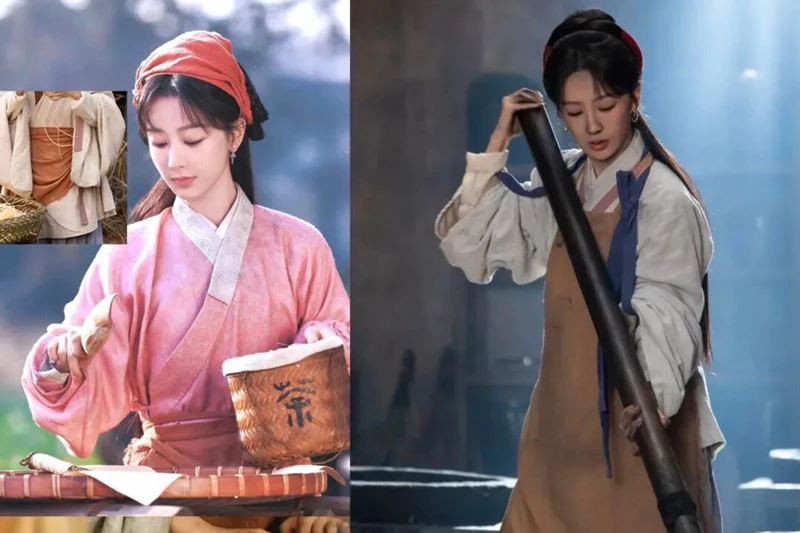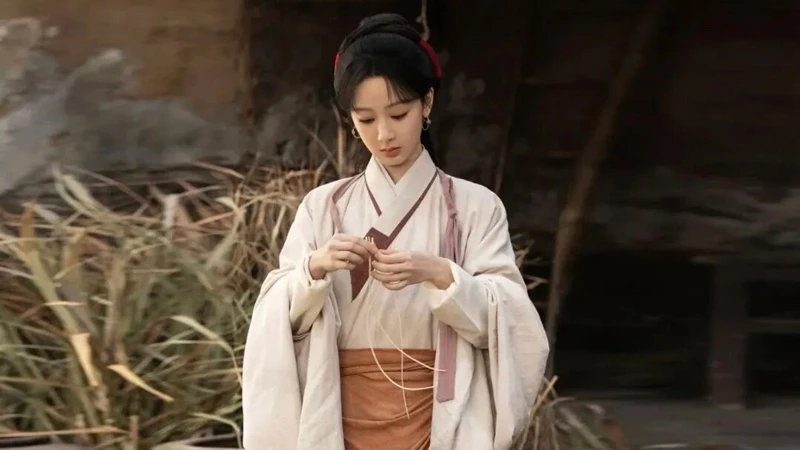
For years, historical dramas have been guilty of a ridiculous habit: sending characters to chop wood, haul water, or tend crops while wearing silk robes that drag through the mud. The heroine looks ethereal, sure, but she also looks like she’s never held an axe in her life. That’s finally changing. In the recent drama The Mo (家业), actress Yang Zi (杨紫) shows up with her wide sleeves neatly tied back by a single thin cord.
No floating fabric, no impractical train. Just a simple strap that makes you think: wait, did ancient people actually have a smart solution for this? The answer is yes, and it’s called Panbo (襻膊). This tiny piece of everyday clothing tech has been hiding in plain sight for centuries, and its sudden appearance on screen is sparking a long-overdue conversation about what real workwear looked like in old China.
The Strap’s Secret
How does one thin cord hold back a billowing sleeve? It looks almost like magic, but the method is straightforward. Yang Zi’s character in The Mo wears the strap looped around her neck, with each end catching the excess fabric of her sleeves and pulling it tight against her arms. That’s the Panbo in action. Far from a costume designer’s invention, this tool appears in historical records going back to the Song Dynasty. It was the go‑to solution for anyone who needed to move freely—farmers, cooks, craftspeople, even martial artists practicing drills. By lifting and securing the sleeves, the wearer could knead dough, swing a hammer, or write calligraphy without constantly pushing fabric out of the way.
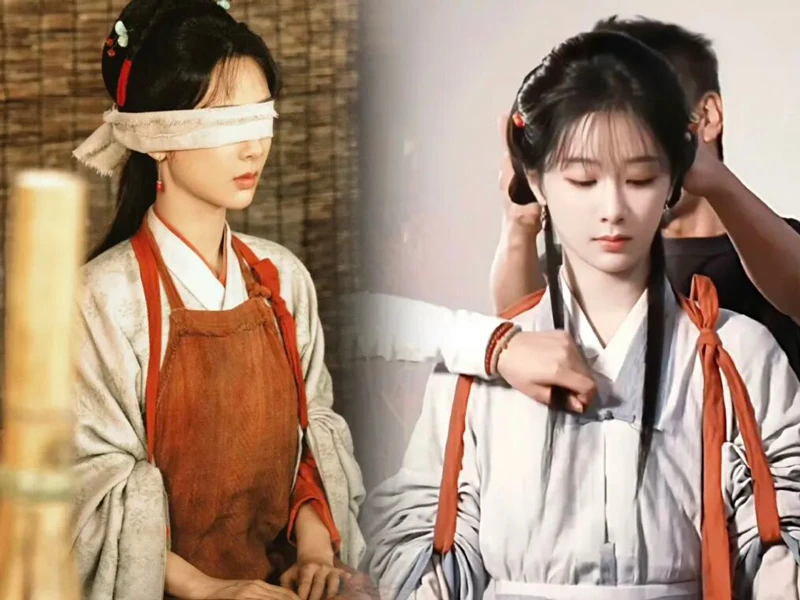
What makes the Panbo so clever is its simplicity. No buttons, no belts, no complex knots. A single length of cord, often cotton or hemp, does the job. In The Mo, the strap looks almost identical to antique examples found in paintings and historical texts. The result on screen is immediate: Yang Zi’s posture changes, her movements become sharper, and you believe she’s actually working. Viewers have noticed. Online comments praise the show for finally letting a character look like she’s getting her hands dirty, instead of posing for a portrait while pretending to labor.
This shift matters because costume dramas have spent years prioritizing beauty over believability. Flowing robes and trailing skirts look wonderful in a palace scene. But put the same outfit on a woman threshing grain, and the illusion breaks. The Panbo fixes that break. It adds a layer of functional reality that most period shows have ignored. And once you see it, you start wondering why every historical drama hasn’t been using it all along.
Ancient Proof
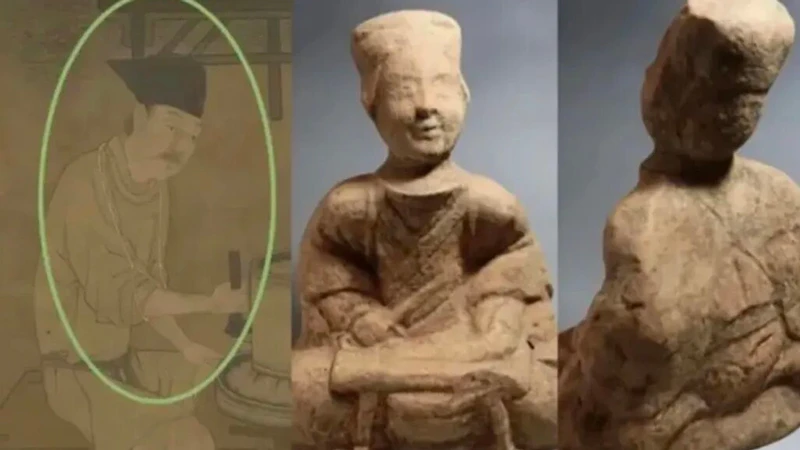
Scholars have traced the Panbo back more than a thousand years. The late writer Shen Congwen (沈从文), in his authoritative work Ancient Chinese Clothing Research, notes that Song Dynasty laborers—especially those cutting fodder or working fields—routinely tied up their sleeves with ropes. They would pull the fabric high and hang the loops from their necks. By the Song period, this tool already had a proper name: “Panbo’er,” or little sleeve‑tying strap. That’s not a modern guess. It’s a documented piece of everyday history.
Even more evidence appears in Wulin Old Events (武林旧事), a Southern Song Dynasty book by the scholar Zhou Mi (周密). One chapter lists small street trades in the capital: pot repairers, bucket makers, tool fixers. Right alongside them, the text mentions people who sold and repaired Panbo’er. Think about that. A whole mini‑industry existed just for these straps. That tells you how common they were. Farmers, street vendors, cooks, porters—everyone who worked with their hands owned at least one. It was as ordinary as a pair of work gloves today.
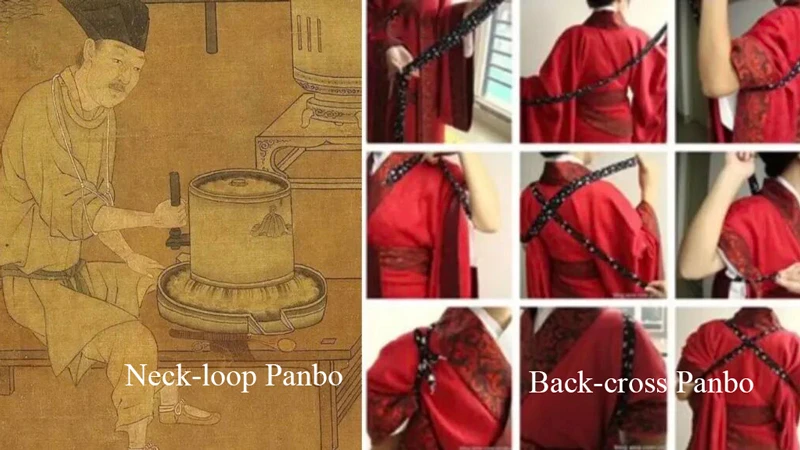
Old paintings confirm two main tying styles. The simpler version, seen in the Song painting Tea Grinding Painting (撵茶图), shows a strap with loops at both ends. The wearer just hangs it around the neck, and the loops catch the sleeves. Easy, fast, perfect for daily chores. The older method, dating back to the Han and Jin dynasties, was more involved. The cord wraps around each sleeve separately and then crosses at the back for a tight knot. That style held firmer for heavy labor or running. Over time, people preferred the neck‑loop method for convenience, but both served the same honest purpose: keeping fabric out of the way.
Why Realism Wins
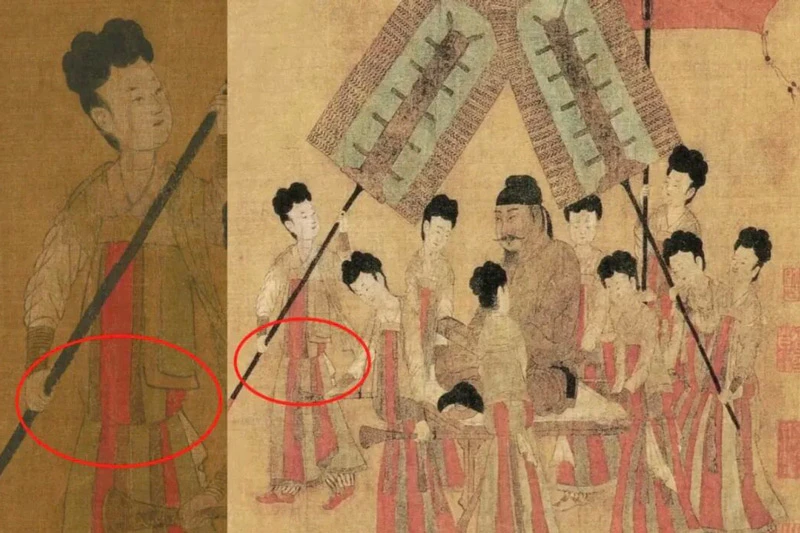
The Panbo wasn’t only for sleeves. Ancient people also used straps to tie up their long skirts. Look at the Tang Dynasty masterpiece Emperor Taizong Receiving the Tibetan Envoy (步辇图). You can see binding added below the waist, pulling the skirt fabric together so it doesn’t drag or tangle. Sometimes they lifted the hem higher, revealing inner trousers underneath. That wasn’t accidental. It was practical dressing for walking fast or working outdoors. And it looked perfectly natural because it was real.
In The Mo, Yang Zi doesn’t stop at the Panbo. Her character also wears a work apron, a sleeveless vest, and leg covers. Every piece has a job. The apron protects the front of her clothes. The vest adds warmth without restricting arm movement. The leg covers keep dirt and chaff off her lower legs. Together, they form a complete work outfit that looks nothing like the floaty, impractical costumes so many dramas rely on. And here’s the key: none of this is fantasy. Rural people in parts of China still use similar garments today.
Compare that to the typical costume drama approach. For years, directors have chosen beauty over logic. Heroines milk cows in silk and harvest rice in brocade. The result is pretty but empty—a postcard, not a life. The Mo breaks that pattern by doing something shockingly simple: it dresses its characters like they actually have work to do. The Panbo isn’t a gimmick. It’s a small, honest detail that makes the whole world feel lived in. The last drama that got this right was probably Romance on the Farm (田耕纪). Now The Mo continues the trend. Would you wear Yang Zi’s work clothes for your own daily chores? Maybe not the exact style. But the next time you roll up your sleeves to scrub a pot or tie back your apron string, you’ll know: ancient workers did the same thing, with the same common sense, using a little strap called Panbo.