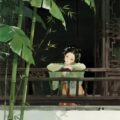
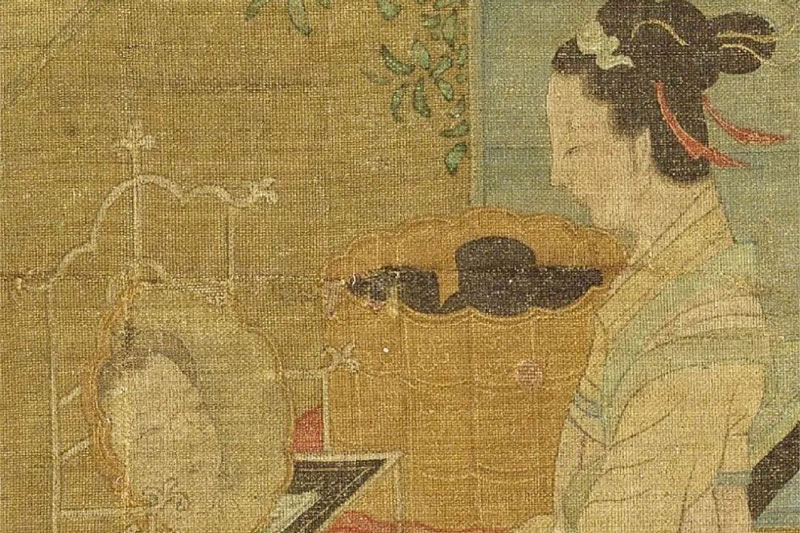
We slap on toner, serum, moisturizer, and sunscreen every morning. Then we wonder: how did ancient women, with no chemistry labs or factories, achieve that legendary “skin like curdled cream”? They had routines. And some of those routines were more complicated than yours. From rice water to five-day masks, here’s how history’s beauties kept their glow.
The Pale Obsession
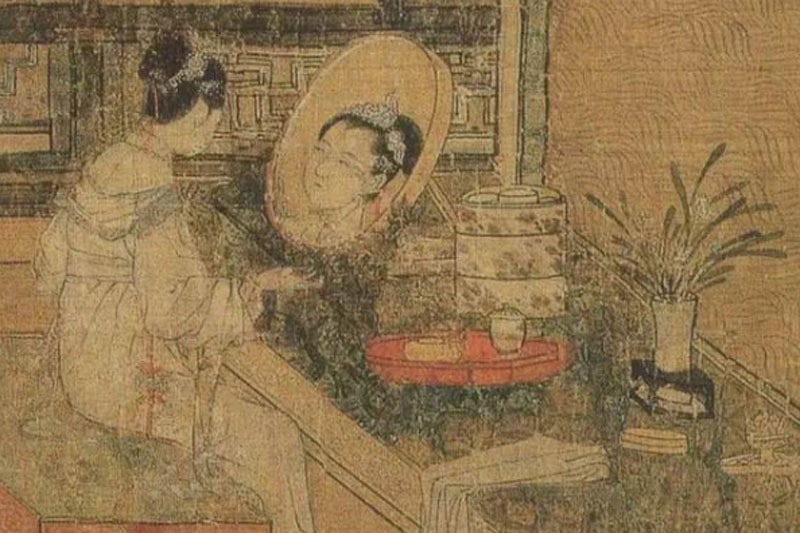
The Ming dynasty playwright Li Yu (李渔) once wrote that among all feminine qualities, whiteness is the hardest to achieve. He wasn't alone. For thousands of years, pale skin meant power. Farmers worked under the sun and turned brown. Nobles stayed indoors and stayed fair. So pale skin became a silent badge of status.
That simple equation—dark equals labor, pale equals leisure—fueled a beauty revolution. Women didn't just want clear skin. They wanted luminous, almost reflective whiteness. And they were willing to try anything to get it. What followed was a tireless, creative, and sometimes dangerous hunt for the perfect complexion.
Rice and Beans
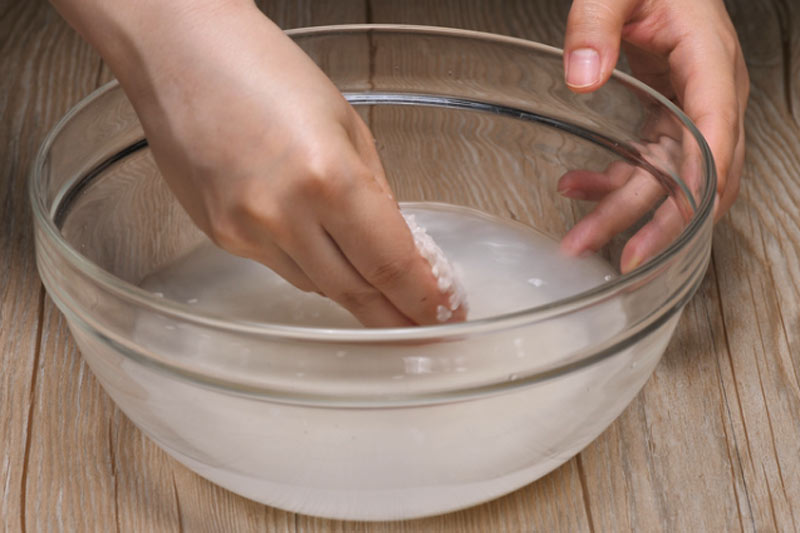
The earliest cleanser was sitting right in the kitchen. Rice water. People in the Qin (秦) dynasty period discovered that the starchy, slightly alkaline liquid left after washing rice could remove dirt and oil. It worked for faces. It worked for hair. It was the original two-in-one product, and some households still use it today.
Then came Zao Dou (澡豆) in the Southern dynasties. Think of it as a powdered face wash. Makers ground beans into a fine base, then mixed in herbs and medicinal plants. Depending on the recipe, Zao Dou could fight freckles, soften skin, or leave behind a lasting fragrance. It was bespoke skincare—handcrafted for each customer.
The bean powder lathered without soap. It rinsed clean without stripping natural oils. For women who had never seen a chemical emulsifier, this was magic in a ceramic bowl.
Grease is Good
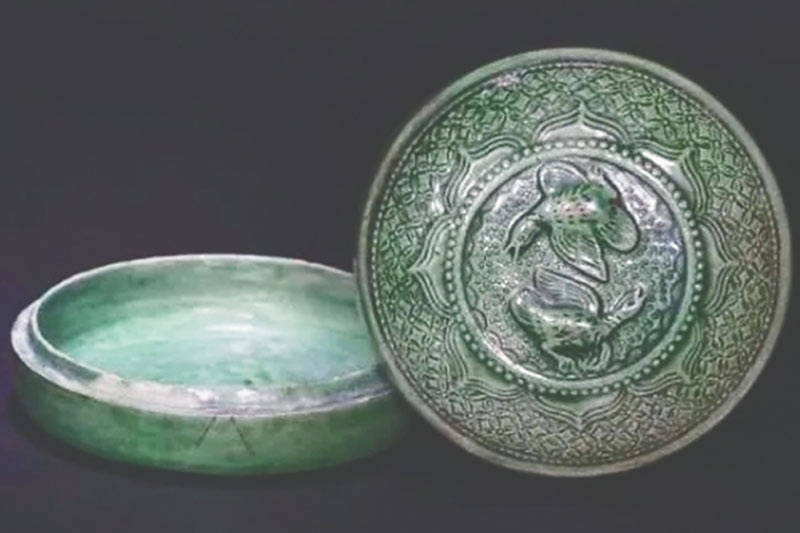
After washing came sealing. By the Zhou (周) dynasty, women were using Mian Zhi (面脂)—face fat—made from animal grease. Slathering lard or tallow on the face sounds primitive, but it worked. Fat locks in moisture. It smooths rough patches. Ancient users learned to refine and scent these greases until they became true luxury creams.
The Tang dynasty took it further. Inventive cosmetics makers added color. Purple Mian Zhi corrected yellow undertones. Green masks neutralized redness. Pink brightened sallow cheeks. This wasn't just moisturizing. It was color theory in action—a thousand years before modern BB creams. A Tang woman with broken capillaries reached for green grease. A woman with a tired, jaundiced look grabbed purple. The logic was flawless.
The Empress's Recipe

Who had the best skin of all? Wu Zetian (武则天), China's only female emperor. According to Xin Tang Shu (新唐书), she looked remarkably young at sixty-eight. People around her could not spot any sign of aging. Her secret weapon was a humble weed: Yi Mu Cao (益母草), or motherwort.
The formula, recorded in Wai Tai Mi Yao (外台秘要), had a long imperial name: “The recipe for Empress Wu Zetian’s longevity with motherwort.” Here's how she made it. Harvest motherwort around the Dragon Boat Festival. Burn it in a clay kiln until it turns into white ash. Sift that ash repeatedly until it's fine as dust. Then rub the powder onto the face every morning.
Modern science backs her up. Motherwort contains alkaloids and flavonoids—antioxidants that boost collagen. She had invented a natural, chemical-free microdermabrasion paste. No wonder her skin stayed firm and bright into her seventies.
Mad Face Masks
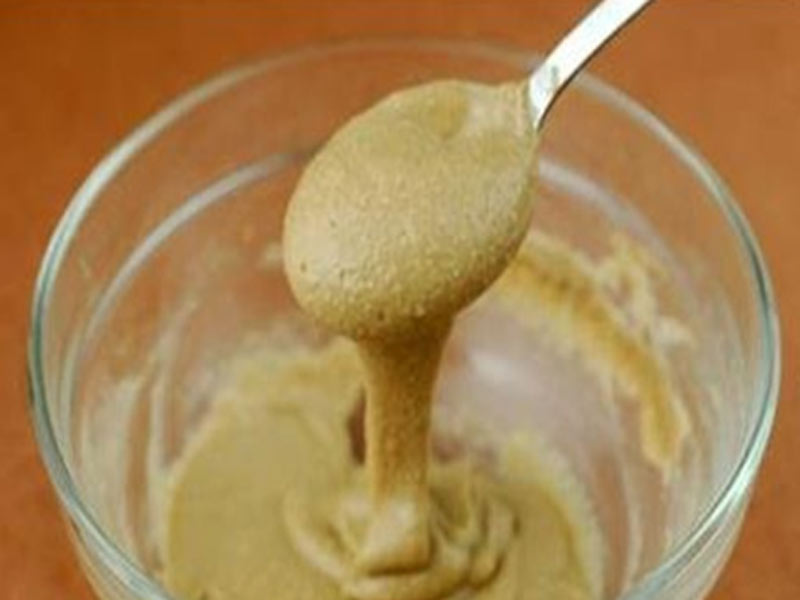
Think sheet masks are new? The fourth-century alchemist Ge Hong (葛洪) was already mixing eggs, powdered incense, and crushed almonds into a spreadable paste. He claimed it reduced wrinkles and faded freckles. Three kitchen ingredients. One deep treatment. That's ancient DIY at its finest.
By the time of the Chen dynasty's Empress Zhang, things got more intense. Her “face paste” promised absolute transformation: apply five times, they said, and you would become “white as jade, luminous as a mirror.”
But here is the craziest mask of all. A Tang dynasty recipe told women to leave the mask on for five days and five nights. No washing. If they needed makeup, they applied it directly on top of the mask. Only on the sixth morning could they finally rinse it off. Imagine wearing the same treatment to work, to dinner, to bed. That's dedication.
Dangerous and Safe Whites
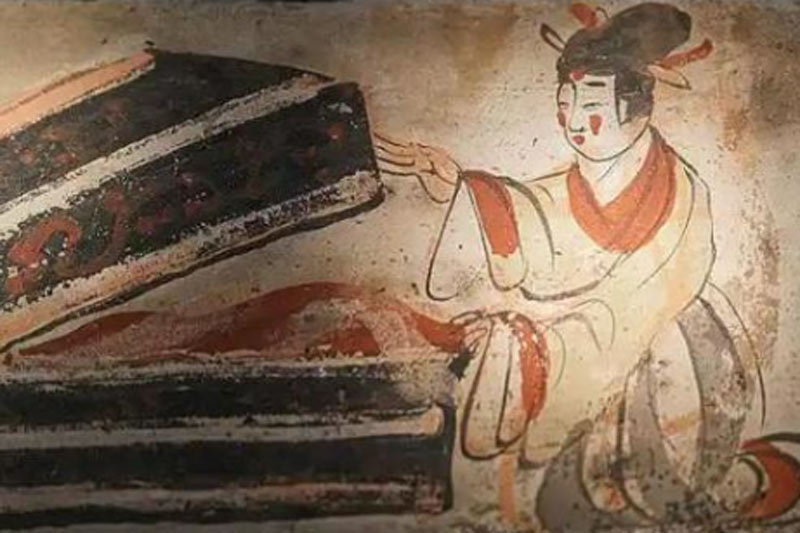
Not every ancient beauty hack was wise. The most terrifying was lead powder—Qian Fen (铅粉) or white lead. It made skin instantly, dazzlingly pale. It stuck like modern luxury foundation. But lead is a heavy metal. It accumulates in the body. Over time, it poisoned the women who wore it daily.
Safer alternatives existed. Rice powder was the gentle cousin. Women ground fermented rice into a fine silk-like dust. Fermentation produced mild organic acids that exfoliated dead cells. The Song (宋) dynasty even sold “Jade Maiden Peach Blossom Powder” with motherwort added for extra brightening.
The Ming dynasty book Xiang Lian Run Se (香奁润色) collected 276 beauty formulas—for hair, face, teeth, lips, hands, and even body fragrance. One famous recipe was the “Eight White Powder” from the Jin imperial court. It contained eight herbs with the character for white in their names, plus soapbean and mung bean. Mixed with water, it washed, whitened, and cleared blemishes all at once.
Ancient women knew what we often forget: skincare is a ritual, not a transaction. From a clay pot of rice water to the empress's personal motherwort scrub, every simple recipe held centuries of observation and care. They nourished the face and the spirit together. That slow, intentional ceremony—mixing powders by hand, waiting five days for a mask to work—might be the real secret. You can't download that kind of patience. But you can learn from it.
