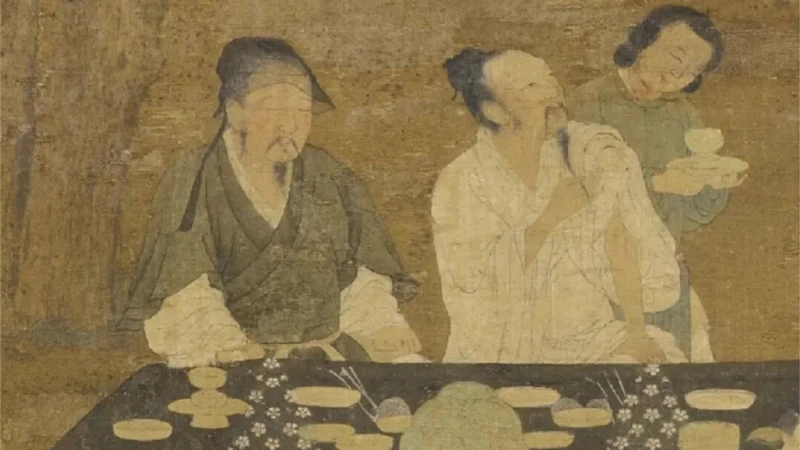
When mid-spring arrives in the ancient Chinese calendar, peach trees burst into bloom and swallows return north. The air itself seems to hum with fresh energy. Long before refrigerators or artificial flavors, the Chinese people developed a beautiful habit: they captured the fleeting spirit of spring inside small, steamed cakes. These weren’t just snacks. They were edible poems, a way to taste the season itself. From the Tang dynasty kitchens to the gardens of Song dynasty scholars, every pastry told a story of patience, observation, and deep respect for nature’s rhythm. Let me take you on a journey through five spring pastries that reveal how ancient China truly ate—and lived—the season of renewal.
1. Xing Lao (杏酪)
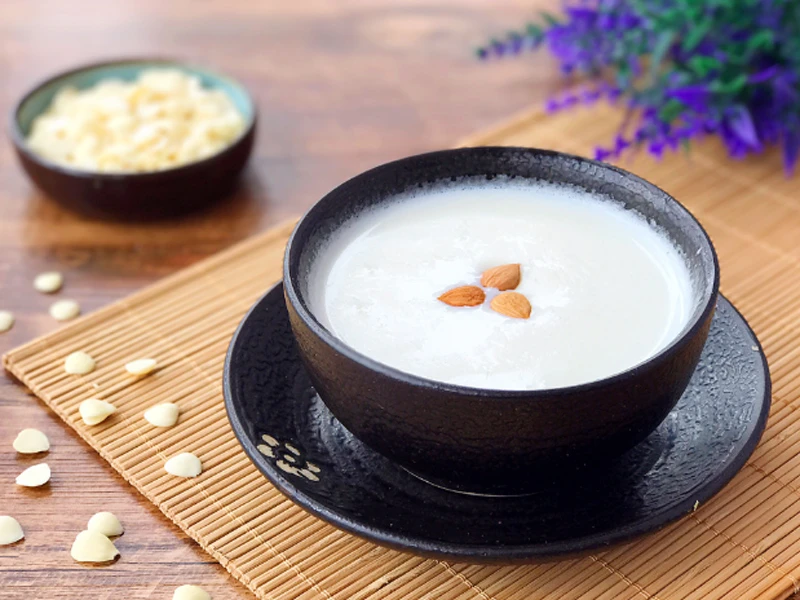
In early spring, apricot flowers open first. The Tang dynasty text Shanfu Jing Shou Lu (膳夫经手录) describes a delicacy called Xing Lao. To make it, people ground almonds into a fine paste, then cooked it with sticky rice until it became a translucent, jelly-like cream. The color resembled fresh lard. One drop of apricot blossom essence gave it the clean sweetness of spring mornings.
Song dynasty scholar Lin Hong (林洪) mentioned a similar treat called Xing Tang (杏饧) eaten around the Cold Food Festival. People used tiny silver spoons to scoop it up. The spoon would tremble slightly as it rose. When it touched the tongue, the faint bitterness of almond mingled with honey’s warmth. It tasted exactly like the bittersweet feeling of apricot petals falling after a spring rain—a little sad, a little joyful, and perfectly seasonal.
This was no random dessert. Ancient Chinese believed that eating what nature offered at each moment kept the body in harmony. Almonds, harvested the previous autumn, stored energy that the body needed as winter turned to spring. The slight bitterness woke up the liver, which traditional medicine considered the organ of spring. Every ingredient had a purpose beyond taste.
2. Rose Steamed Cake
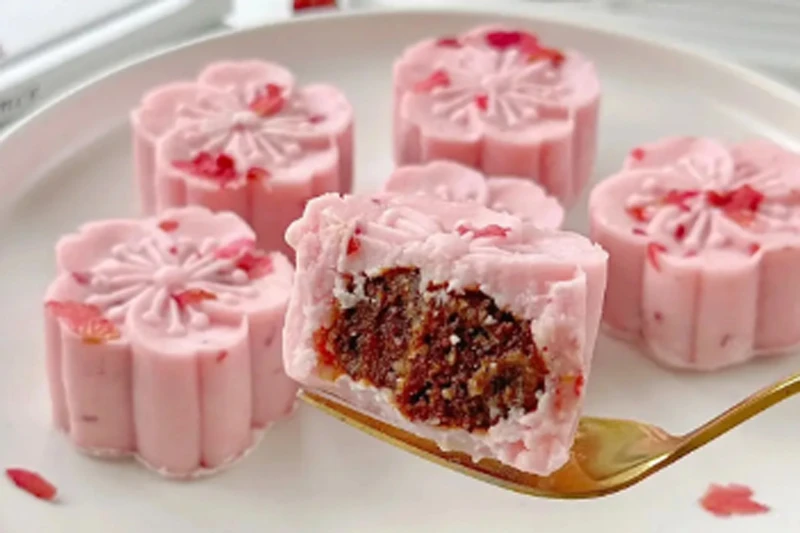
When late spring arrived and roses unfurled their petals, Suzhou’s pastry makers began their most delicate work. The Qing dynasty record Qing Jia Lu (清嘉录) notes that local people “used rose and osmanthus flowers to make cakes.” The most famous was Rose Steamed Cake. The method demanded precision: pick rose petals at dawn while they still wore morning dew, preserve them with honey, then mix with precise ratios of glutinous and non-glutinous rice flour.
After mixing, the dough was pressed into carved wooden molds. A single gentle tap released cakes shaped like longevity peaches, or crabapple blossoms. As they steamed, the entire kitchen filled with floral fragrance. The finished cake appeared pale white with streaks of rose pink, as if someone had embroidered spring’s finest brocade onto a bite-sized square. Suzhou families served these to guests during garden gatherings, where scholars composed poems between sips of tea and bites of rose cake.
What made these cakes special wasn’t just the flower. It was the timing. Rose petals contain volatile oils that fade within hours of picking. By steaming them before noon on the same day, ancient cooks trapped the essence of that particular morning—that exact moment when the sun had warmed the dew just enough to release fragrance. You couldn’t rush it. You couldn’t store it. You had to be present, watching, waiting for the perfect hour. That awareness turned a simple cake into meditation.
3. Qing Tuan (青团)
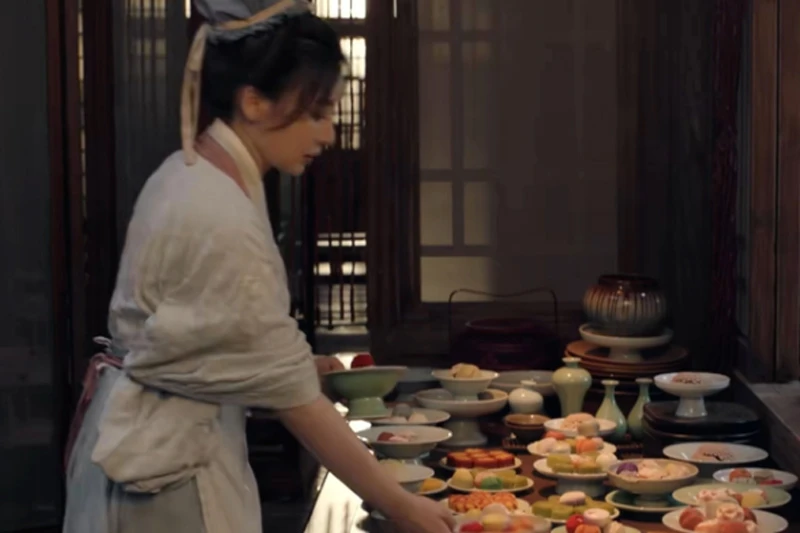
No spring pastry in China carries more emotional weight than Qing Tuan. The Qing dynasty gastronome Yuan Mei (袁枚) wrote in Suiyuan Shidan (随园食单): “Pound green herbs into juice, mix with flour to form a green dumpling, and it becomes as beautiful as jade.” In regions south of the Yangtze River, every family made these around the Qingming (清明) Festival. The process began by harvesting young Aicao (艾草) or Jiangmai grass (浆麦草), which grew wild on riverbanks.
After pounding the grass to extract vivid green juice, cooks kneaded it into glutinous rice flour. Inside went a filling of sweet red bean paste or ground black sesame. The raw dumplings looked like smooth green pebbles. Once steamed, they turned glossy as polished jade—soft, chewy, and fragrant. One bite released the clean, almost medicinal scent of mugwort. That smell, slightly bitter and deeply earthy, instantly transported people to ancestral gravesites and spring rain showers.
But Qing Tuan was never just food. The Qing text Qing Jia Lu (清嘉录) states that “markets sell green dumplings and cooked lotus root as offerings for ancestors.” For over a thousand years, families have placed these dumplings on tomb altars. The living ate them afterward, sharing a meal across the boundary of death. In that small green lump of rice and grass, the past and present met. The dead received respect. The living tasted spring. Both, in that moment, belonged to the same cycle of renewal.
4. Jujube & Roll
Northern China welcomed spring with Jujube Cake. Red dates, known in traditional medicine as Hong Zao (红枣), were prized for nourishing the liver and blood. Eating sweet, warm jujubes followed the principle of “reducing sourness and increasing sweetness to nurture vital energy.” The steamed cake emerged dense, sticky, and intensely fragrant. One bite released a wave of caramelized date sweetness that lingered on the tongue like a memory of warmer days.
Then came spring rolls, which both northern and southern China embraced but made differently. In the north, thin pancakes wrapped a stir-fry of bean sprouts, leeks, and glass noodles. Southern versions preferred shredded pork, bamboo shoots, and shiitake mushrooms. The Qing dynasty cookbook Tiao Ding Ji (调鼎集) recorded multiple spring roll methods. The act of eating them was called “biting spring”. People deliberately bit into the first crisp, fresh vegetables of the year, as if physically breaking winter’s hold over their bodies.
What strikes me about these two pastries is their practicality. Jujube cakes used dried fruit stored from autumn—no fresh ingredients needed while fields still lay bare. Spring rolls used early shoots and sprouts that pushed through thawing soil. Together, they bridged the gap between stored provisions and new harvest. Ancient cooks didn’t wait passively for abundance. They planned, preserved, and celebrated each small sign of change. That resourcefulness turned survival into art.
5. Eating with Seasons
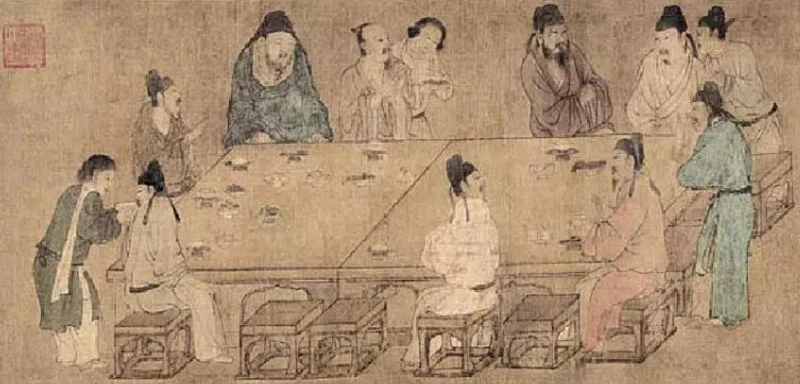
The Ming dynasty scholar Gao Lian (高濂) wrote in Zun Sheng Ba Jian (遵生八笺) about spring wellness: “Sleep late and rise early, walk widely in your courtyard. Appreciate flowers and enjoy games to nurture your vitality.” He understood that pastries weren’t separate from this philosophy. They were its edible expression. When apricots bloomed, you ate Xing Lao. When roses opened, you made rose cakes. When mugwort grew tender, you steamed green dumplings. Each pastry matched a specific natural marker.
Today, supermarkets sell Qing Tuan all year round. They taste fine. But something essential has vanished: the waiting. Ancient people couldn’t have rose cake in February or green dumplings in December. They had to watch the garden, check the riverbank, smell the air. That anticipation—the daily looking and longing—turned each bite into a small celebration. You didn’t just eat spring. You earned it through patience. The pastry became a reward for paying attention.
This spring, consider making one of these pastries yourself. Don’t worry about perfection. Just find some mugwort or rose petals. Pound them, mix them, steam them. When you take that first bite, close your eyes. Taste the faint bitterness of almond, the grassy punch of mugwort, the floral whisper of rose. That complex flavor—sweet and sad, fresh and ancient—is what spring has tasted like for a thousand years. It’s the taste of people who refused to rush. Who trusted the seasons. Who understood that the best way to honor time is to eat it, slowly and gratefully, one small cake at a time.