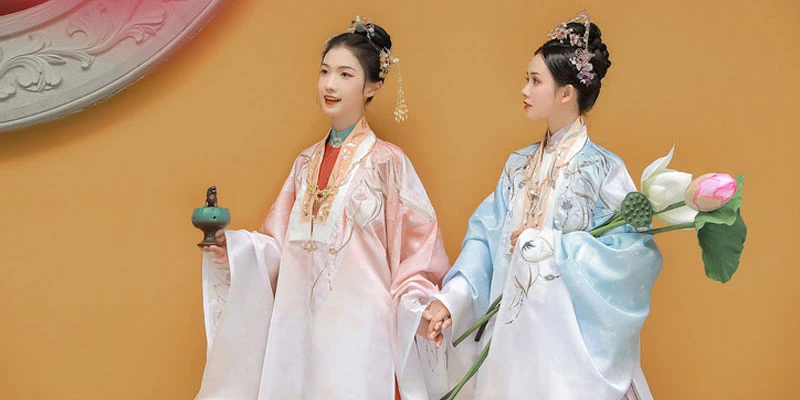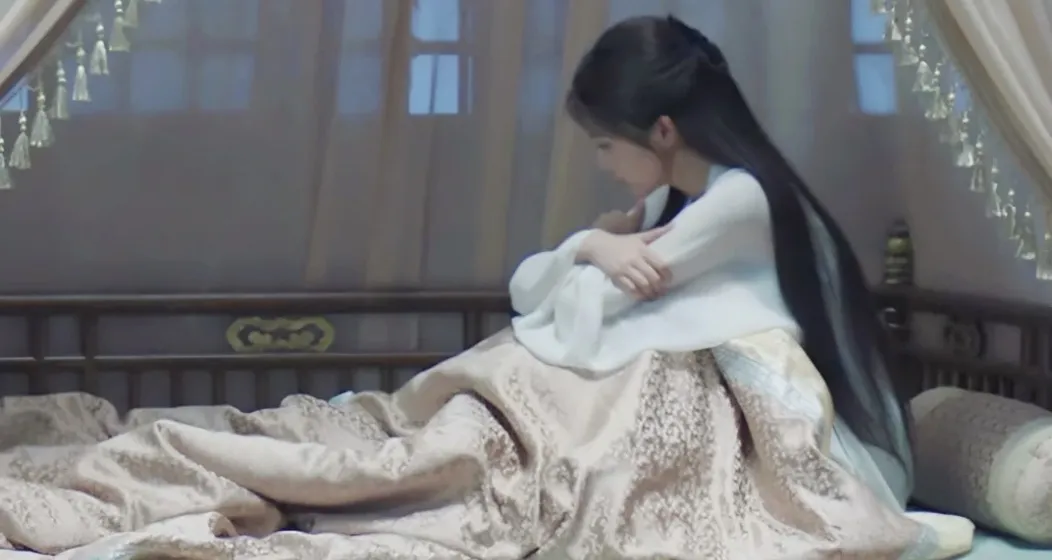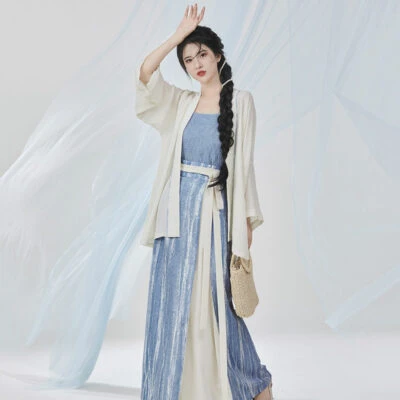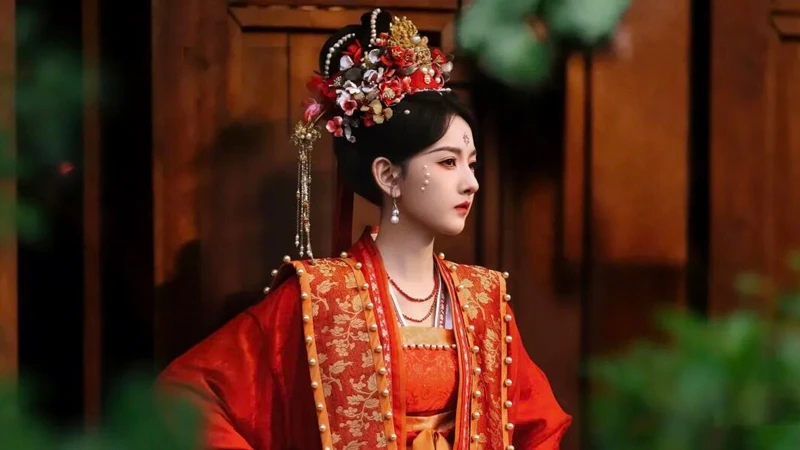
In a recently leaked image from the Song Dynasty drama Si Gong Ling (司宫令), actress Song Zuer (宋祖儿) appears in a striking red wedding gown. But something odd catches the eye: two long ribbons hanging from each shoulder. Why are they there? Were all Song brides forced to accessorize like that? The answer is not just fashion. Those ribbons have a name, a history, and a strict set of rules. They were never casual decorations. In fact, they marked a woman’s rank, her marital status, and even her right to stand in certain ceremonies. Let’s untangle those ribbons and see what they really mean.
What Is It?
The ribbons are called Xiapei (霞帔). Think of them as a distant cousin of the flowing scarf that dancers wore in earlier dynasties. But the Xiapei was no dance accessory. During the Song Dynasty, it became a rigid, formal item attached to a woman’s robe. It hung down from both shoulders, often ending in a metal or jade pendant at the waist. You could not just throw it on. Its presence meant one thing: this was a serious, state-recognized occasion.
The Song Shi (宋史, History of Song) records that empresses and imperial concubines had to wear the Fengguan Xiapei (凤冠霞帔) – the phoenix crown plus those ribbons – during major court events. But what about weddings? In ancient China, weddings belonged to the category of Jiali (嘉礼), or joyous rites. So yes, the Xiapei showed up there too. However, ordinary women could not wear it freely. Only noble ladies had the right. That changed later, but we’ll get to that.
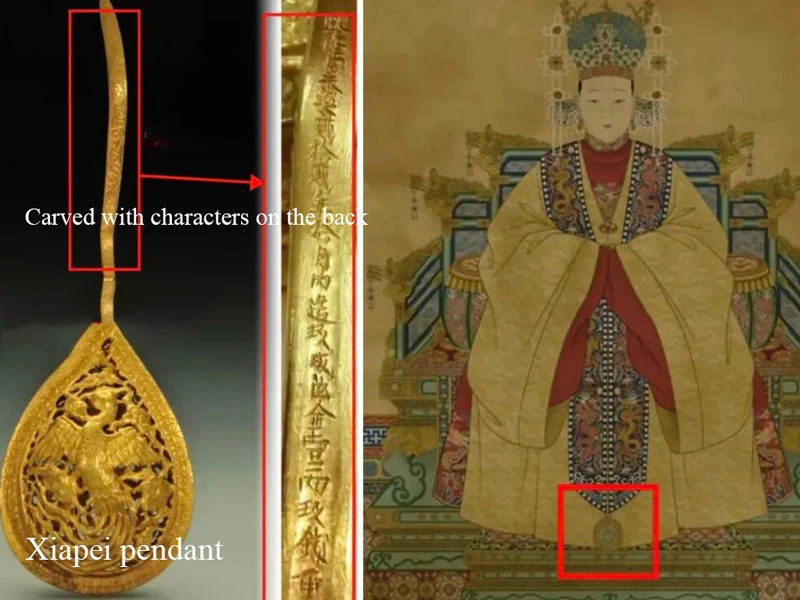
The real genius of the Xiapei lies in its details. Different ranks got different embroidery. Top-level noblewomen wore pheasant patterns. Next came peacocks, then cranes, then tangled flowers. The pendant at the end – called the Xiapei pendant – also followed strict material rules. The empress used a dragon-shaped jade piece. Imperial concubines used phoenix jade. Only officials of the fourth rank and above could use gold. Below that? Silver or nothing. So when Song Zuer’s character wears those ribbons in Si Gong Ling, the drama is quietly telling you her status.
Who Wore It?
Surprisingly, not just brides. But for weddings, the Song and Ming Dynasties gave commoners a rare treat. The imperial court allowed ordinary girls to borrow the noble look on their wedding day. This was a temporary “rank privilege.” A peasant bride could suddenly wear a gold crown, the red cross-collar robe, the green skirt, and – of course – the Xiapei. She even got embroidered red satin shoes. For one day, she looked like a minister’s wife. The state looked away. It was a gift.
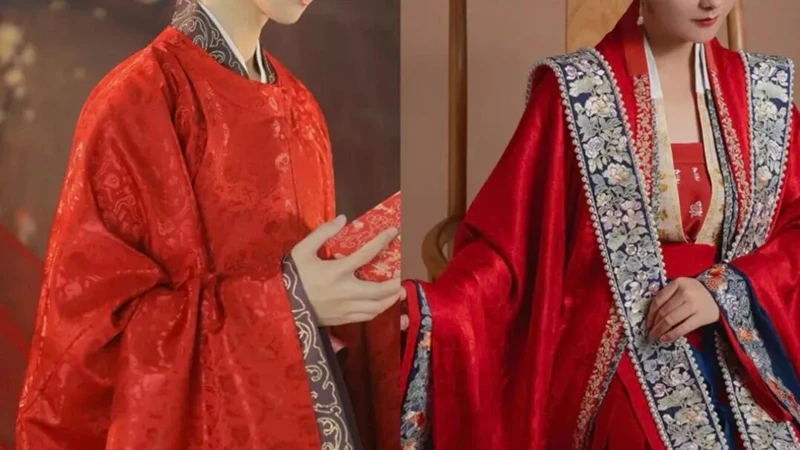
What about the groom? He did not get ribbons on his shoulders. But he had his own upgrade. If he held an official rank, he wore his formal court robe. If he was a commoner, he could wear a bright red round-collared gown during the Song. In early Ming, for a short period, a common groom could even dress in a ninth-rank official’s robe or a “Zhuang Yuan” (状元, top scholar) gown. His bride then wore the ninth-rank noblewoman’s outfit: a crown with two phoenixes, embroidered flowers, and a Xiapei with a silver pendant. So the couple matched in borrowed glory.
The Xiapei pendant also played a role in engagement gifts. A rich family’s betrothal package had to include “three golds”: gold bracelets, gold bangles, and the gold pendant for the Xiapei. Without that pendant, the bride’s outfit was incomplete. So when you see a historical drama where a bride wears the ribbons but no pendant, something is missing. The pendant was not optional. It held the whole thing down – literally and symbolically.
Then and Now
So why can’t you wear a Fengguan Xiapei for your modern marriage registration photo? The short answer: the government says no. Today’s marriage certificate requires a “no-exaggerated-headwear” photo. You must show your face clearly, without crowns or large ornaments. The photo is for identification, not for a fashion show. But before you get angry, know this: you can still wear the full set at your wedding ceremony. Just not at the civil registry counter. Some local offices may allow it, but call first. Rules vary.
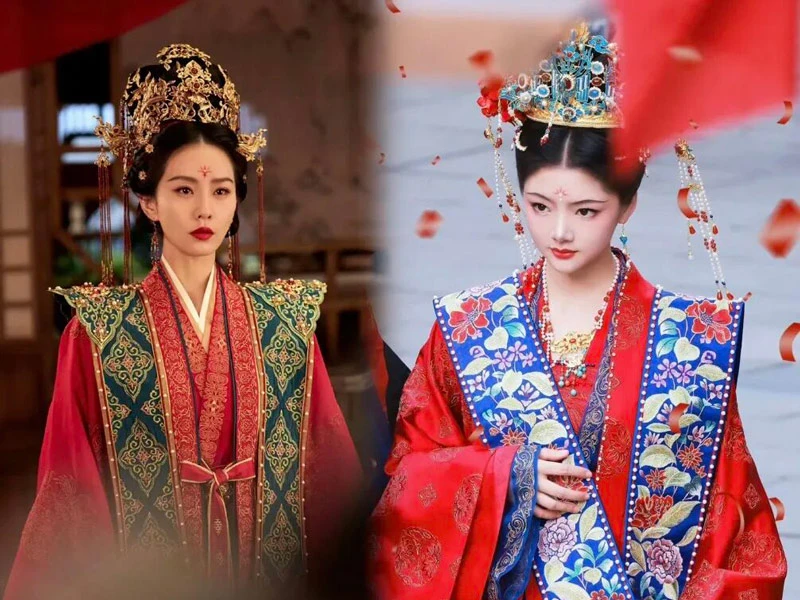
What about TV dramas? Most of them get it wrong. The crown might be from the wrong dynasty. The Xiapei pattern might be a random flower that no noblewoman would dare wear. The pendant might be missing or made of plastic-looking gold. Si Gong Ling seems to have done better research, but even there, historical purists will find small mistakes. Drama makers prioritize visual impact over accuracy. A real Song Xiapei had a stiff, almost board-like fall from the shoulder. On screen, that looks odd. So they soften it, curve it, make it flow. The result is “inspired by” rather than “reproduced from.”
Still, the ritual feeling remains. After learning all this, you start to see why Chinese wedding attire wins the prize for ceremony. Every ribbon, every pendant, every thread pattern carried a rule and a meaning. It was not just a dress. It was a legal document, a status symbol, and a one-day passport to a higher social class. So the next time you see Song Zuer or any other actress in those shoulder ribbons, do not just think “pretty.” Think: phoenix crowns, jade pendants, and a peasant girl who – for one glorious day – became a noble lady.
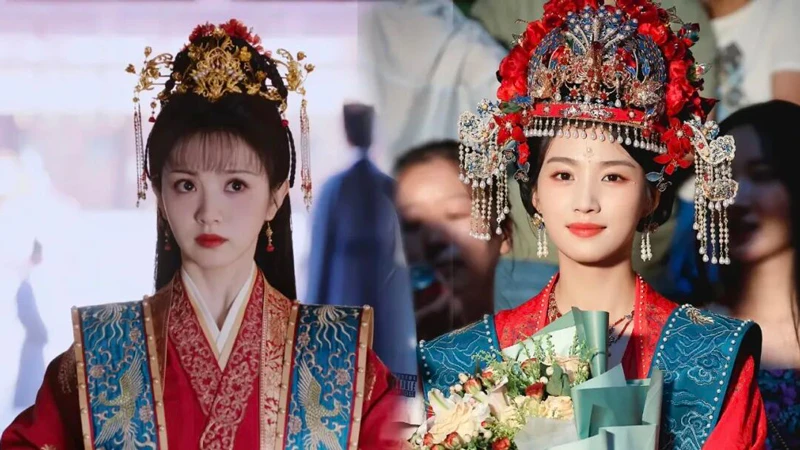
How Does Ancient Chinese Wedding Attire Captivate Modern Hearts?