
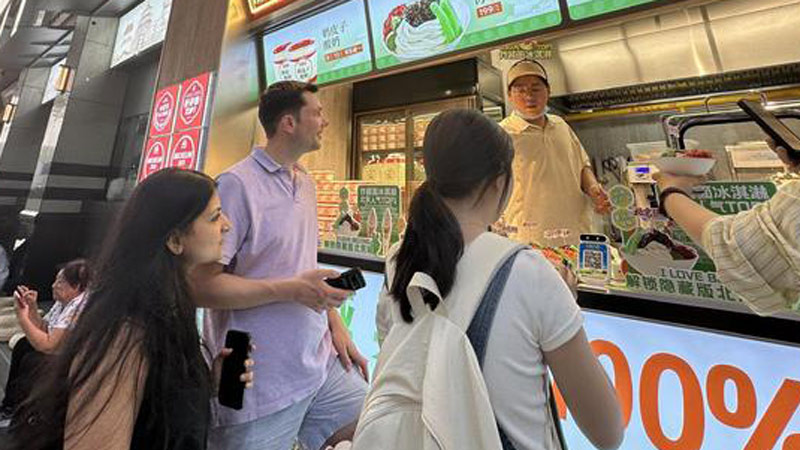
Summer's heat ignites Beijing's dining scene, but this year, traditional discounts take a backseat to cultural immersion. Restaurants report a 5% surge in both customers and revenue compared to last summer, driven by innovative blends of heritage, storytelling, and local flavors. From noodle workshops in bustling hutongs to panda-themed feasts and lakeside craft markets, eateries are transforming meals into multidimensional journeys. This shift responds to travelers craving authentic connections beyond taste, proving that Beijing’s culinary identity thrives when chefs become culture keepers.
Noodle Literacy Takes Root
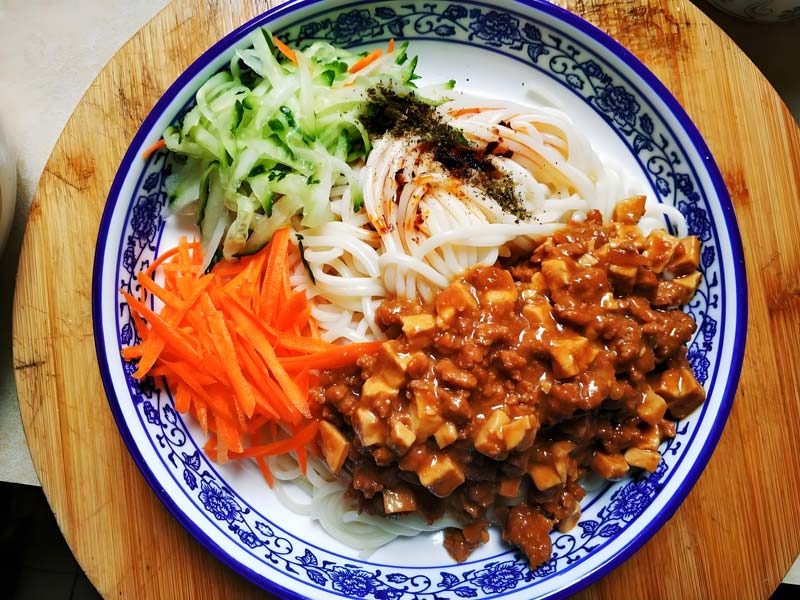
At Fangzhuang 69 Noodle House, queues stretch longer as tourists master the art of eating Zhajiangmian (炸酱面). Servers demonstrate the "three-step ritual": coating noodles with oil, ladling rich soybean paste, and artfully arranging 12 vibrant seasonal toppings like shredded cucumber, radish, and young garlic. Patrons aren’t just eating; they’re decoding centuries of northern Chinese culinary tradition.
Demand for cultural context is palpable. Over 40% of visitors now ask about noodle history and vegetable symbolism, prompting staff training in storytelling techniques. Waiters explain fermentation secrets of the savory brown sauce and the significance of seasonal toppings, even offering key phrases in multiple languages.
This cultural appetite has tangible impacts. Monthly garlic consumption alone exceeds 15 tons across their outlets. To deepen engagement, the brand commissioned artists to illustrate traditional "vegetable codes" for each solar term, turning restaurant walls into edible almanacs near tourist hotspots like Wangfujing (王府井).
Panda Power on the Plate
Xiaodiao Li Tang harnessed Beijing Zoo’s celebrity resident, Meng Lan (萌兰), to drive an 8% revenue boost. The "Meng’s Beijing Banquet" features bamboo-shoot salads, panda-faced dumplings, and black-and-white ice cream crafted with pear-infused cream—each dish celebrating local ingredients through whimsical presentation.
Diners encounter playful nods to the panda’s antics, including a "Great Wall Escape" mocktail referencing Meng Lan’s famed enclosure climb. Themed corners with life-sized cutouts and lanterns transform meals into photo-worthy adventures, while limited-edition merchandise like embroidered aprons flies off shelves.
Even beverages join the narrative. Chocolate-dipped pear sorbet bars mimic Meng Lan’s fur pattern, selling thousands daily. This strategy transcends novelty; it positions the panda as a culinary ambassador guiding visitors through Beijing’s flavor landscape.
Royal Gardens, Modern Markets
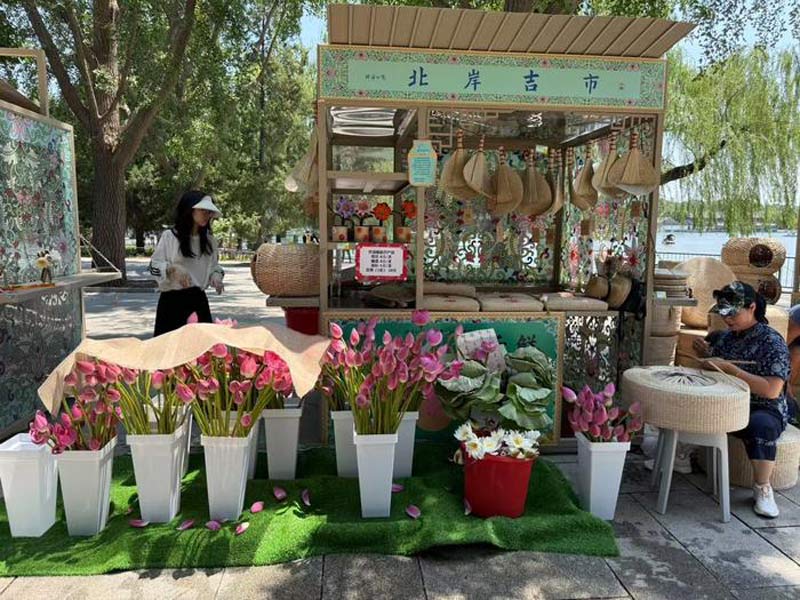
Beihai Park’s north shore hosts the "Lakeside Bazaar," where imperial cuisine meets living heritage. Since May, visitors savor Fangshan’s lotus-seed pastries beside artisans demonstrating silver filigree and bamboo weaving. Young craftspeople reinterpret traditions with leather mask keychains and indigo-dyed scarves, inviting hands-on participation.
Seasonality shapes offerings. Early July introduced wetland-inspired teas and snacks: lotus-seed cakes shimmer like dewdrops, while water-chestnut cookies honor Baiyangdian Lake’s ecology. These creations balance Qing-dynasty techniques with contemporary aesthetics, proving heritage can be both preserved and reimagined.
The bazaar doubles as an incubator. Partnerships with university startups help artisans develop market-ready brands, ensuring techniques like ruyi scepter engraving transition from museum pieces to sustainable livelihoods.
Culture’s Lasting Bite
This culinary renaissance reflects deeper consumer shifts. Studies reveal over 95% of young diners prioritize atmosphere and storytelling alongside taste. Restaurants now compete on creating shareable moments—whether mastering noodle traditions or crafting panda desserts.
Yet pitfalls exist. Success demands authenticity; forced themes risk becoming gimmicks, as seen when regional concepts faltered in new markets. Chefs must ensure cultural elements enhance, rather than overshadow, culinary fundamentals like ingredient quality and technique.
Ultimately, Beijing’s summer surge signals a permanent evolution. When steamed buns come with folklore or tea ceremonies unfold beside ancient pagodas, meals transcend sustenance. They become portals to place and memory—the ultimate recipe for hospitality in the experience economy.
Venturing beyond iconic duck dishes, Beijing's summer table celebrates nature's fleeting sweetness. Locals queue at century-old shops for Chilled Hawthorn Berry Soup (山楂酪), its tart-smooth texture dissolving the midday heat. Along shaded hutong alleys, vendors carve crystal-cold watermelon boats, ruby flesh glistening like summer jewels. These edible heirlooms transform pavements into communal feasts—where every chilled bite whispers tales of resilience against the scorching sun.
