What if you could bypass marriage and become a career woman in the Ming Dynasty? In an era dominated by the saying "a woman without talent is virtuous," the path for women was overwhelmingly prescribed: domestic confinement, learning needlework, and accepting an arranged marriage.
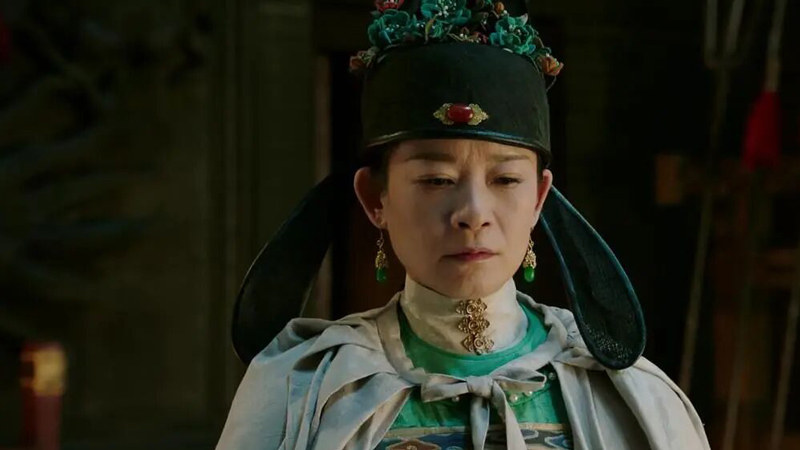
Yet, a remarkable alternative existed behind the towering vermilion walls of the Forbidden City. The imperial palace offered a select group of women a chance to become female officials, known as Nüguan (女官). These were not mere servants but educated administrators who managed vast swathes of palace operations, from finances and rituals to education and security. This was a rare space for female agency within a rigidly patriarchal system.
The Selection
Becoming a Nüguan was an arduous process with intense competition. Candidates, typically aged between 13 and 20, had to meet stringent criteria. Their family background was scrutinized; they had to come from "good families"—often the daughters of low-ranking officials or commoners, but not from professions like medicine or commerce. This ensured their loyalty and prevented powerful clans from gaining internal influence. Physical appearance required dignity, not dazzling beauty, as these women would represent the imperial household.
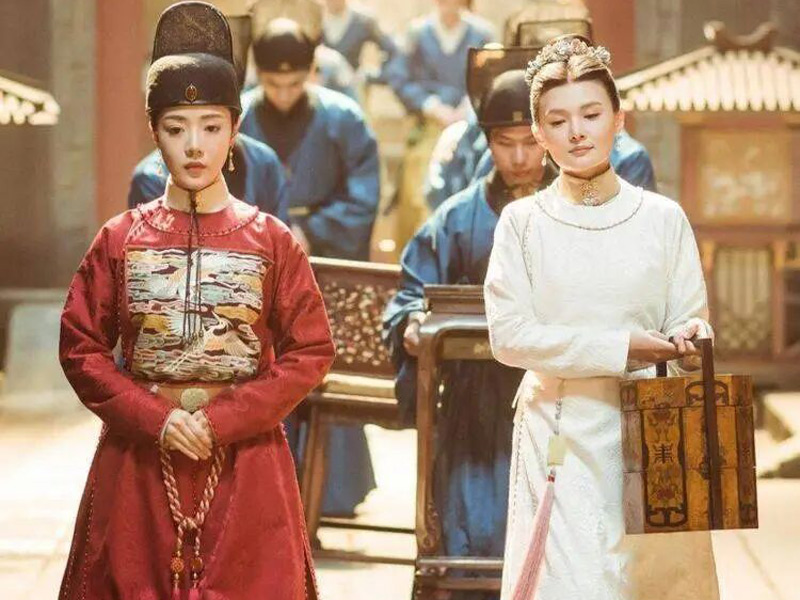
The evaluation of moral character was particularly severe. Local officials would investigate a candidate's reputation, seeking "chastity, composure, virtue, and gentleness." Any hint of scandal meant immediate disqualification. The core of the selection, however, was talent and intellect. Contrary to stereotypes, Nüguan needed substantial literary education, often tested on classics. Specialized skills in accounting, medicine, or craftwork could make a candidate stand out.
Every three years, eligible women were pre-selected by local magistrates and sent to the capital for rigorous, multi-stage examinations. These included interviews, written tests, and practical assessments overseen by senior female officials and eunuchs. Success here did not guarantee a position. A final training and probation period followed, where novices learned court etiquette and specific duties from experienced Nüguan, with underperformers being sent home.
The System
Once appointed, a Nüguan entered a highly organized bureaucratic machine established by the Hongwu Emperor. The system was composed of six main bureaus and one independent department, each with a clear mandate. The Shangong (尚宫) Bureau acted as the central secretariat, handling documents and the imperial seal. The Shangyi (尚仪) Bureau managed rituals, education, and recording daily imperial activities.
Other bureaus dealt with the material and daily needs of the court. The Shangfu (尚服) Bureau oversaw imperial wardrobes, ornaments, and processional paraphernalia. The Shangshi (尚食) Bureau was responsible for the imperial family's meals, medicine, and wine, a role critical to their health and wellbeing. The Shangqin (尚寝) Bureau maintained the imperial quarters, carriages, and gardens.
The Shangong Bureau supervised craftwork and the distribution of supplies, while the unique Gongzheng (宫正) Department served as an internal affairs unit, disciplining palace staff who broke rules. This structure created a female-run government within the palace, ensuring its smooth and self-regulated operation.
A Life of Service
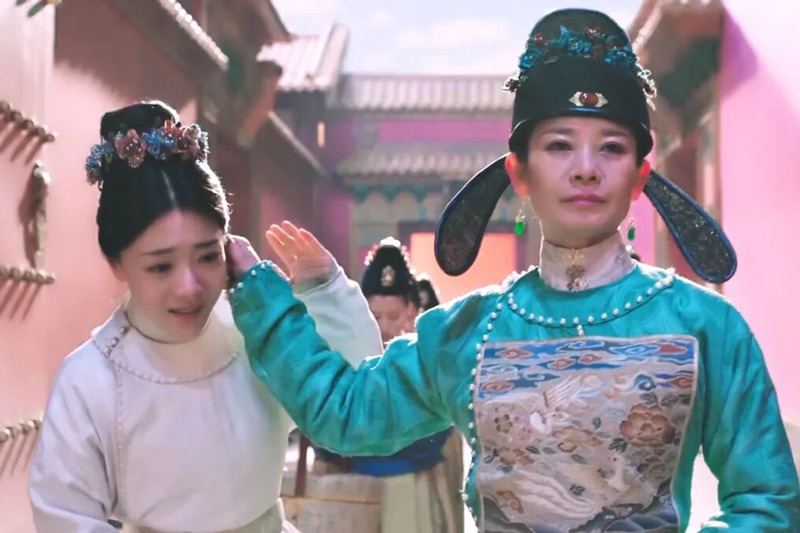
The life of a Nüguan was one of contrasting privileges and sacrifices. They enjoyed a formal salary, ranging from dozens to over a hundred piculs of grain annually, along with periodic bonuses. High-ranking officials could have personal servants and lived in significantly better conditions than ordinary palace maids. A clear career ladder allowed a woman to rise from a junior clerk to a bureau director, with some even receiving honorary titles from the outer court bureaucracy.
However, this career came at a great personal cost. Their lives were governed by strict protocols, with every action monitored. Mistakes could lead to salary deductions, demotion, expulsion, or even physical punishment. The most profound sacrifice was the expectation of celibacy. Unless granted special permission or dismissed in old age, they were forbidden from marrying, trading a family life for a lifetime of service to the throne.
These women carved out a space of authority and respect in one of the world's most powerful courts. Their stories, often overlooked, reveal a complex facet of Ming society where talent could, for a few, overcome gender barriers. They were neither powerless victims nor powerful rulers, but professional women who navigated a unique path, leaving an indelible mark on the history of the Forbidden City.