
The stage lights blaze, but the applause feels hollow. As Singer 2025 enters its climactic rounds, audiences confront an uncomfortable truth: fame has eclipsed artistry. This season’s controversies—questionable eliminations, auto-tune suspicions, and viral but vocally weak contestants—threaten the show’s legacy. Yet amid the noise, three voices emerge as beacons of hope. Their clash could redefine what "music competition" truly means.
Vocal Powerhouses vs. Viral Hype
The show’s credibility teeters on shaky foundations. Viewers decry rules favoring popularity over skill, like Ma Jiaqi’s controversial advance despite uneven live performances. Fan-voting mechanisms, once celebrated for democratizing music, now face accusations of manipulation. When Fan Weiqi’s pitch wavered catastrophically during her elimination round, even host reactions betrayed disbelief. Such moments expose the gulf between studio polish and raw talent.
Judges’ critiques grow increasingly diplomatic, avoiding blunt assessments of off-key deliveries. This timidity contrasts sharply with early seasons, where technical rigor was non-negotiable. Meanwhile, contestants like Bai Jugang bring charm but lack the vocal heft expected on this platform. Their presence fuels debates: Is Singer rewarding entertainment or excellence?
The solution lies not in nostalgia but recalibration. Introducing wildcard challengers like Li Jiawei signals a course correction. Her return forces peers to elevate their craft beyond social media metrics. As one music critic noted: "When the backup singers outshine the stars, the show’s soul needs rescuing."
The Comeback Queen’s Second Act
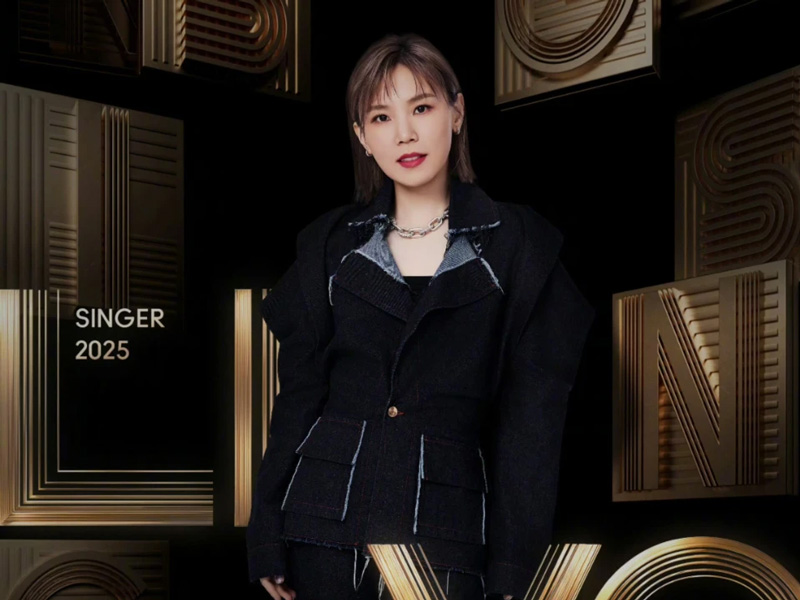
Li Jiawei’s (李佳薇) entrance silenced doubters instantly. Her rendition of The Pain (痛快) wasn’t just sung; it was lived. Each crescendo carved through the arena, a masterclass in controlled ferocity. Unlike younger rivals relying on production tricks, Jiawei’s instrument needs no enhancement. Her 2015 Singer run established her as a technical titan, but now she balances power with haunting vulnerability.
Her latest EP Glowing (会发光的人) hints at this evolution. Tracks like "Unbroken" weave operatic highs with whispered confessions, showcasing dynamic range absent in many competitors. Backstage footage reveals her ritual: no vocal warm-ups, just silent focus. "This stage demands truth," she told producers. "I won’t trade shouts for substance."
Fans speculate whether Jiawei can thrive in today’s metrics-driven format. Her streaming numbers lag behind pop-idol contestants, but the arena’s standing ovations suggest audiences crave authenticity over algorithms. As voting opens, her real test begins: Can raw talent override digital popularity?
Nature's Voice in a Synthetic Era
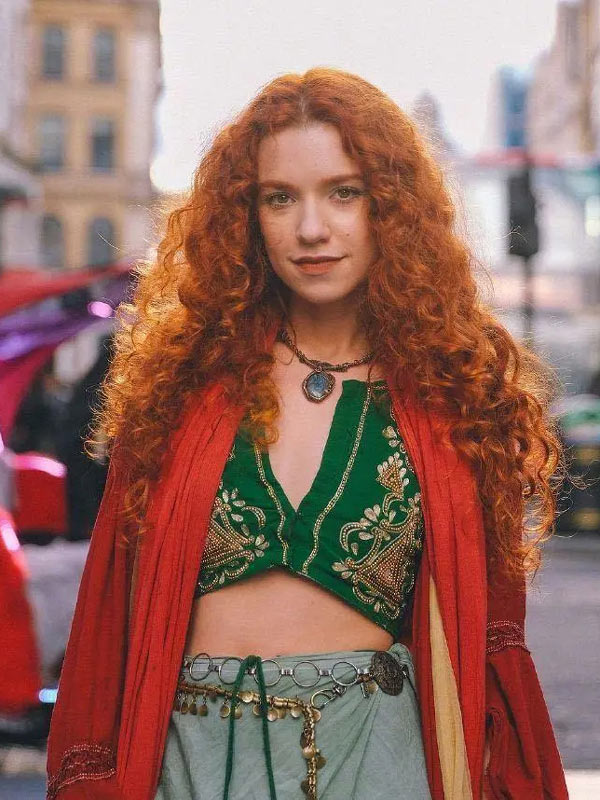
Alicia Evelyn’s Veranda stopped scrolling fingers. Accompanied only by a handpan drum, the Brazilian singer's ethereal tones floated through the studio like coastal mist. While others deploy pyrotechnics, Evelyn's power lies in restraint. Her phrasing—reminiscent of Elis Regina’s jazz intuition—creates intimacy in a 5,000-seat hall.
Her aesthetic defies competition norms. No costume changes, no choreography. Barefoot and draped in linen, she transforms the stage into a sanctuary. Social media dubs her "the anti-diva," a label she embraces: "Music isn't warfare. It's water—it finds cracks and heals."
Yet beneath the serenity burns ambition. Evelyn studied Mandarin for two years before auditioning, determined to connect beyond language. Her streaming surge proves strategy: 74% of her listeners are under 25, hungry for artistry untouched by data analytics. In a season drowning in noise, her stillness shouts loudest.
The Redemption Trinity
Joyce Cheng’s pending return looms large. Her absence due to injury left a void no wildcard filled. Cheng trades vocal acrobatics for emotional excavation. Where Jiawei stuns and Evelyn soothes, Cheng unravels. Her signature song Wounded Healer builds from murmur to roar, mapping heartbreak’s cartography.
A potential trio battle promises seismic impact. Jiawei’s precision, Evelyn's authenticity, and Cheng's vulnerability represent distinct pinnacles of artistry. Their convergence could expose the gimmickry plaguing this season, forcing producers to choose: manufacture more viral moments or reclaim musical integrity.
The show’s legacy hinges on this pivot. Singer birthed legends when it valued skill over trends. As Cheng prepares her comeback, the question echoes: Will 2025 be remembered as the year talent triumphed—or the year the stage surrendered to screens?
