In the quiet corners of rural China, the rustle of bamboo and the swift movements of aged hands once defined a way of life. Miejiang (篾匠), the art of bamboo weaving, is a craft that transformed simple bamboo into durable, beautiful items for daily use. For generations, these artisans were respected figures in communities, their skills passed down through families. They created everything from baskets to furniture, each piece reflecting hours of meticulous work. However, this tradition is now on the brink of disappearance. As modern materials like plastic and metal dominate the market, the number of practicing craftsmen has dwindled. Yet, the unique charm of handmade bamboo goods continues to hold a special place, offering a glimpse into a sustainable past that might still inspire the future.
Ancient Skills
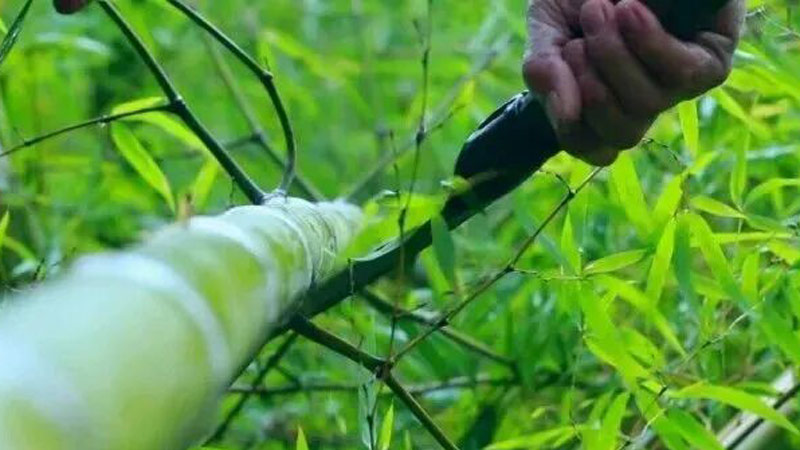
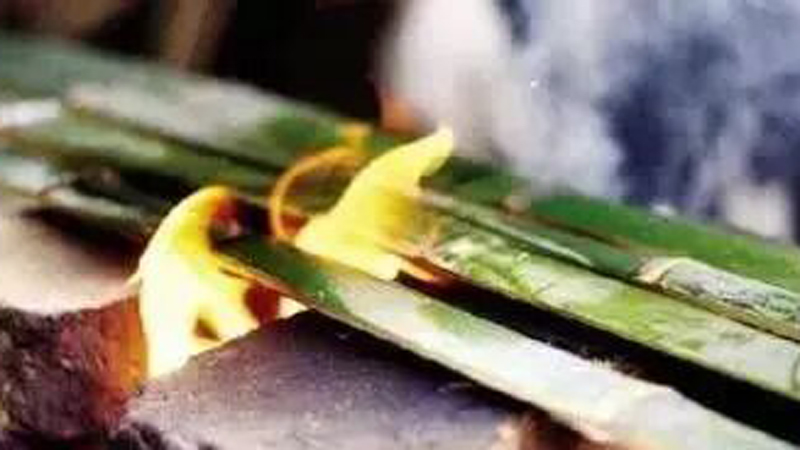
The process of Miejiang begins with selecting the right bamboo. Artisans chop, split, and shave the stalks into thin, flexible strips called Zhuhuang (竹篾). Each strip must be uniform in thickness to ensure strength and elegance in the final product. This requires years of practice to master, as uneven strips can weaken the structure. The tools used are simple but effective—knives, saws, and awls—each serving a specific purpose in shaping the bamboo.
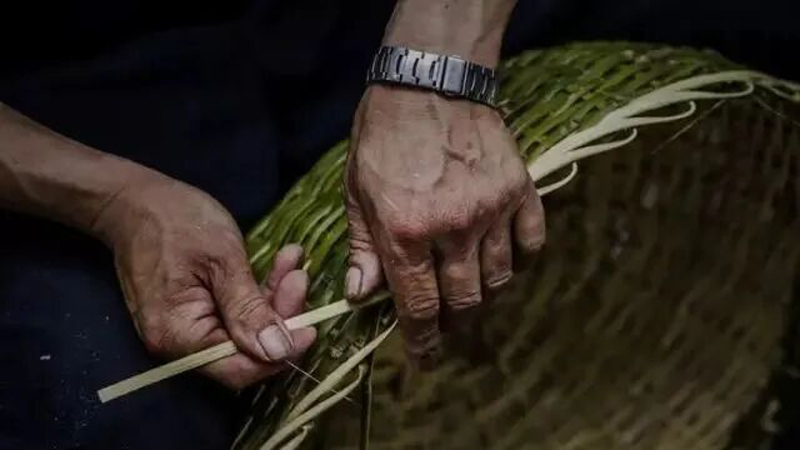
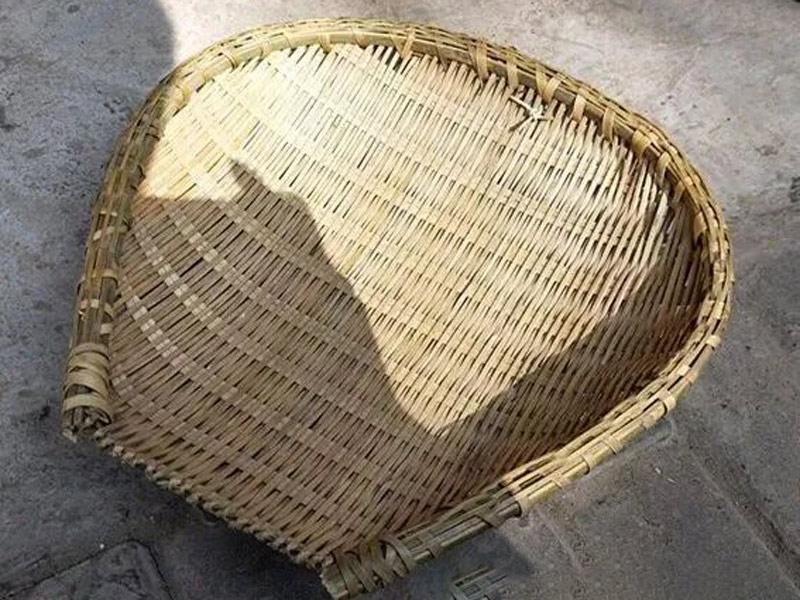
Weaving techniques vary depending on the item being made. For a sturdy Bamboo basket, the strips are interlaced tightly to withstand heavy loads. In contrast, creating a delicate sieve demands precision to achieve perfect symmetry. Artisans often work by feel, their fingers moving rhythmically as they twist and pull the strands. This hands-on approach allows for adjustments that machines cannot replicate, resulting in pieces that are both functional and artistic.
Finished products, such as Liangxi (凉席) cooling mats or Mishai (米筛) rice sieves, showcase the craft's versatility. These items are not only practical but also aesthetically pleasing, with patterns that reflect local customs. In places like Wuxi (巫溪), where bamboo was abundant, such creations were once household staples. The satisfaction of producing something both useful and beautiful drove artisans to refine their methods over a lifetime.
Modern Shifts
The advent of plastic and metal goods in the late 20th century drastically reduced demand for bamboo products. Factories churned out cheaper, mass-produced alternatives that appealed to budget-conscious consumers. Items like plastic buckets and steel frames replaced traditional bamboo baskets and furniture in many homes. This shift left Miejiang artisans struggling to find buyers for their labor-intensive wares.
Social changes accelerated the craft's decline. Younger generations migrated to cities for better-paying jobs, leaving few behind to learn the trade. Those who remained often viewed bamboo weaving as unprofitable compared to other work. This led to a loss of knowledge, as experienced craftsmen grew older without apprentices to carry on their skills. The community respect once afforded to these artisans faded, further eroding the craft's presence in daily life.
Despite these challenges, some artisans adapted by creating smaller, decorative items. Ornamental baskets and wall hangings found niche markets among tourists and collectors. However, this was not enough to sustain the craft on a large scale. The gradual disappearance of Miejiang from villages symbolizes a broader loss of cultural identity, where practical skills are overshadowed by industrialization.
New Hope
Recently, growing environmental awareness has sparked renewed interest in sustainable products. Bamboo, as a renewable resource, aligns with eco-friendly values. Consumers are increasingly seeking alternatives to plastic, leading to a modest resurgence in demand for handmade bamboo goods. This trend offers a lifeline to remaining Miejiang practitioners, who emphasize the durability and biodegradability of their creations.
Efforts to preserve the craft include workshops and cultural festivals that showcase bamboo weaving. In regions like Wuxi, local governments and NGOs have initiated programs to train new enthusiasts. These initiatives highlight the meditative and creative aspects of the work, attracting urban dwellers looking to reconnect with traditional arts. Social media has also played a role, with videos of artisans at work garnering attention and inspiring a new appreciation for the craft.
While the future of Miejiang remains uncertain, its resilience lies in the unique quality of handmade items. Machines may produce uniformity, but human hands impart a soul to each piece. As more people value sustainability and craftsmanship, bamboo weaving could find its place in modern lifestyles. The survival of this art depends on continued support and recognition, ensuring that the skills of the past are not entirely lost to time.