
Against expectations, an audacious Chinese game set in the neglected late Tang Dynasty period has ignited international fervor. Blood Message (归唐), developed by NetEase’s Lin’an 24 Studio, defied industry skepticism about its niche historical backdrop. Its debut trailer soared past a million YouTube views, sparking fervent demands from players worldwide for localized versions in Spanish, Turkish, Arabic, and Portuguese. This surge highlights a potent convergence of meticulous historical recreation, cutting-edge technical execution, and resonant storytelling ambition, positioning Blood Message as a potential milestone for Chinese AAA development.
Authenticity Fuels Fascination
The game’s foundation lies in the tumultuous era following the An Lushan Rebellion, specifically focusing on the Guiyi Army’s desperate struggle to reclaim lost territories in the Hexi Corridor. Choosing this lesser-known chapter of Tang history was initially seen as commercial folly. However, Blood Message leverages this specificity to immerse players in a richly textured world. Authenticity permeates every visual element, from the intricate designs of Tang-era armor and weaponry to the stark, sweeping landscapes of the northwest frontier.
Collaboration with Gansu Provincial Department of Culture and Tourism underscores this commitment. Developers utilized advanced scanning technology to digitally preserve real-world historical sites, artifacts, and geological formations. This data directly informs the game’s environments and assets, ensuring a tangible connection to the past. The visual highlight, a direct homage to the renowned Dunhuang Mogao Grottoes mural "Zhang Yichao's Expedition," powerfully signals the narrative’s historical grounding .
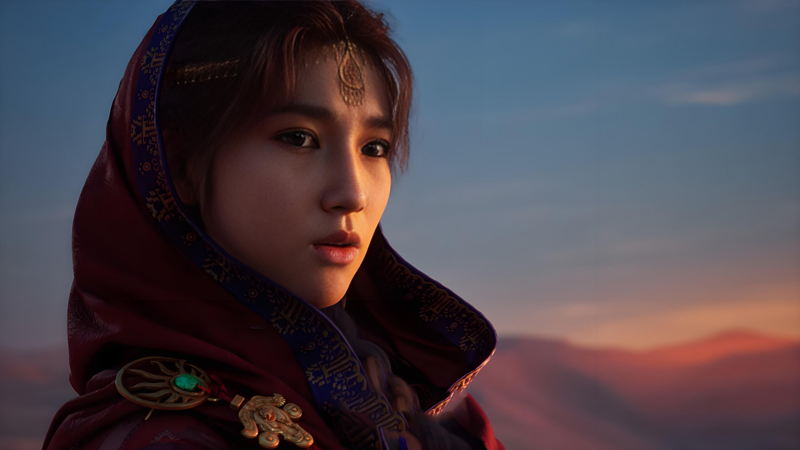
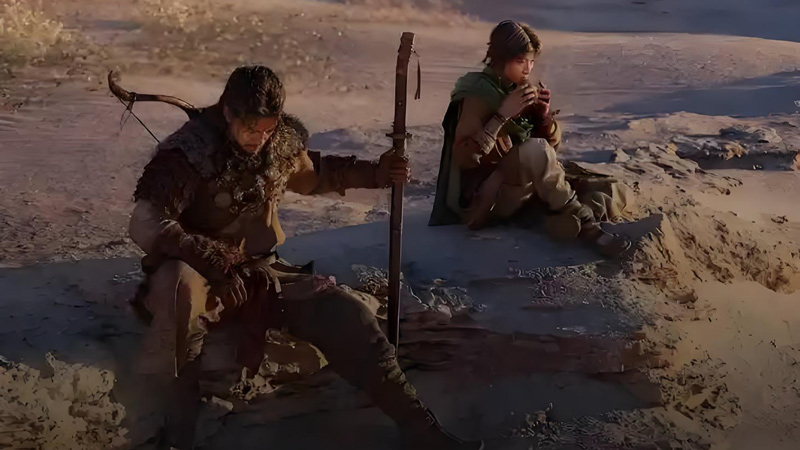
Character design further breaks conventions. Eschewing generic "pretty-boy" protagonists, Blood Message features a rugged, battle-worn lead. Details like unkempt stubble, weathered skin textures, scars, and realistically rendered clothing materials contribute significantly to the gritty, immersive atmosphere. Supporting characters, such as the red-turbaned female figure embodying distinct Western Regions aesthetics, avoid stereotypical portrayals, adding cultural depth.
This dedication extends beyond visuals into narrative substance. The core premise—inspired by the legendary journey of ten messengers braving a perilous 3,000-li trek to seek imperial aid—inherently carries themes of loyalty, sacrifice, and resilience. It’s a story intrinsically tied to its specific time and place, offering players a gateway into a rarely explored historical moment with profound human stakes.

Technical Craft Meets Gameplay Promise
Beyond its historical allure, Blood Message’s trailer showcases formidable technical prowess. Built on Unreal Engine 5, the game delivers visuals that meet global AAA expectations. Environments are vast and detailed, with dynamic elements like realistically shifting desert sands leaving transient footprints and combat kicking up convincing dust clouds. Lighting effects and material rendering contribute to a cohesive, atmospheric world.
The trailer offers tantalizing glimpses into core gameplay mechanics. Fluid parkour sequences demonstrate seamless traversal across rooftops and rugged terrain . Stealth sections hint at tactical approaches, while combat takes center stage with weighty, visceral melee engagements. Animations convey impactful "fist-to-bone" physics, suggesting a combat system prioritizing feedback and tension over flashy spectacle. The absence of noticeable lag or stutter in these sequences is crucial for maintaining immersion.
While the full scope of gameplay systems remains under wraps, the promise lies in integrating these elements within its unique setting. The historical context offers potential for mission design beyond generic fantasy quests—perhaps involving espionage, safeguarding refugees, or navigating complex political landscapes amidst the chaos of rebellion and reconquest. The specific environment could influence traversal and combat, making sandstorms or cliff faces meaningful gameplay factors.
The game’s single-player focus allows for concentrated narrative delivery and finely tuned mechanics, a deliberate choice contrasting with the service models dominating much of the market. This aligns with a growing global appetite for premium, story-driven experiences, as evidenced by the success of titles like Black Myth: Wukong (黑神话:悟空). Blood Message’s ambition to deliver a polished, complete experience positions it as a significant test case for high-budget Chinese single-player development.
Its viral international reception underscores a broader potential. Western audiences, often saturated with Norse or Greek mythology settings, are demonstrably receptive to fresh historical and cultural perspectives when delivered with high production values and compelling gameplay. Blood Message’s trailer resonated precisely because it offered something visually distinct and narratively intriguing, proving that authentic Chinese stories possess universal appeal when executed with confidence and skill. The enthusiastic calls for multi-language support highlight a genuine, underserved demand for such experiences outside China.
The journey from impressive trailer to finished product is significant. Optimization, narrative depth, and sustained gameplay innovation are critical hurdles. Yet, Blood Message has already achieved something vital: capturing global attention and proving that niche Chinese history, rendered with passion and technical excellence, can ignite worldwide excitement. It stands poised not just as a potential game, but as a beacon for the future possibilities of Chinese AAA storytelling on the world stage.
