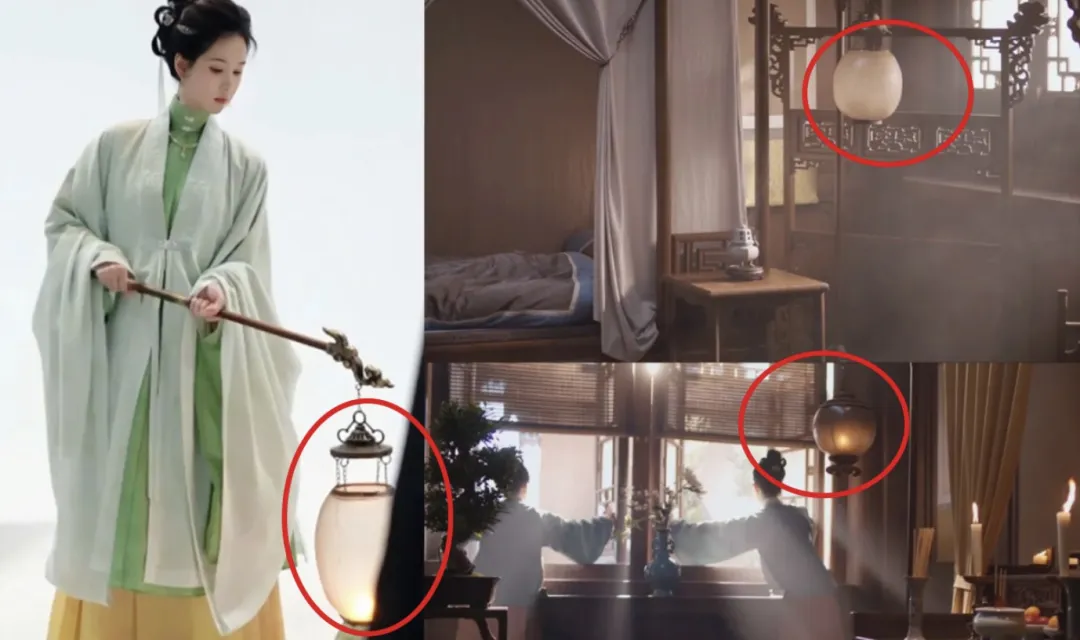
Why are there so many white lanterns in dramas like Yan Hui Shi, which references Ming Dynasty costumes? Even during festivals, white lanterns dominate. Isn't it considered unlucky to hang white lanterns at home? Let’s start with the conclusion. In traditional Chinese lantern culture, lanterns come in various colors, and white lanterns are one of them. Many ancient paintings depict white lanterns used in celebrations and rituals. People believed that lighting white lanterns at night could dispel darkness and convey blessings and good wishes. During festivals, households would hang white lanterns to express hopes for future happiness and prosperity.
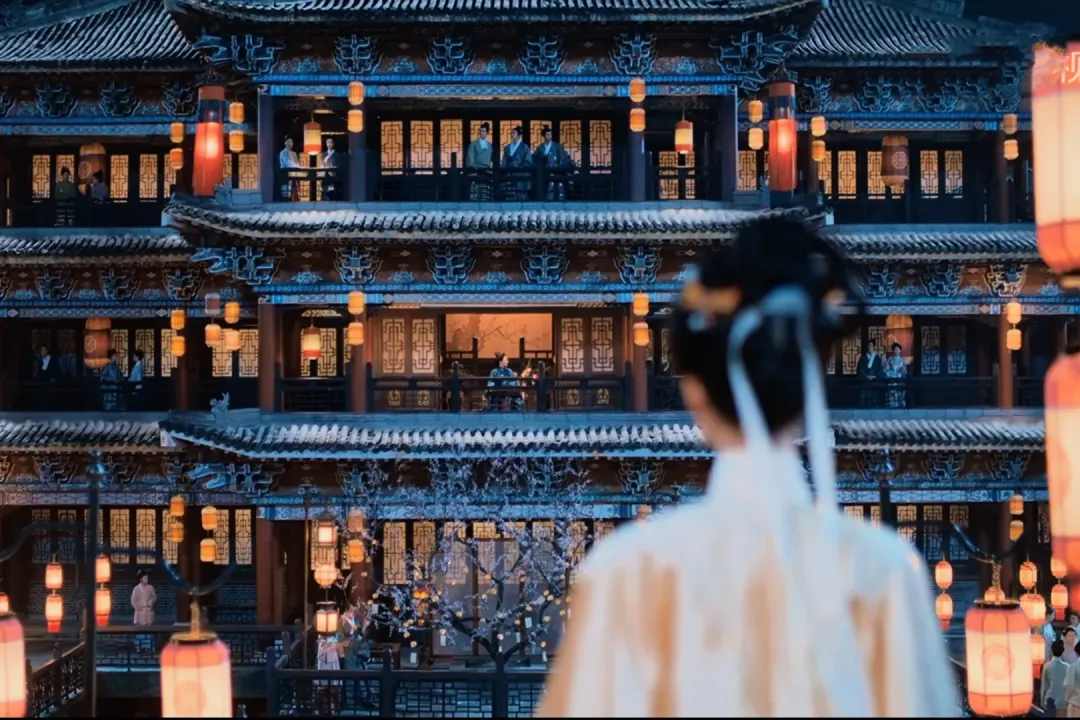
In daily life, white lanterns were also used for illumination, while other colored lanterns served as decorative accents. When lit, white lanterns emit a soft yellow glow, making them a common sight in ancient paintings. In Ming Dynasty-inspired dramas, aside from geometric-shaped lanterns (square, round, triangular) or those resembling animals and objects, we also see unique designs like horn lanterns, crimson gauze lanterns, and boneless lanterns.
Among these, horn lanterns are one type of 'white lanterns' we often see. Similar lanterns include those made from sheep horn or the more expensive rhinoceros horn. Though they appear white, they are closer to an off - white or beige hue and are very thin, suitable for lighting. Compared to paper or silk lanterns, their biggest advantage is being windproof and fire - resistant, with excellent sealing. The crafting process is complex: the horn is softened by boiling, then stretched and thinned repeatedly until it becomes as thin as a cicada’s wing. The resulting horn lanterns are translucent and highly safe, making them popular among the elite. However, their production was difficult, and only about a dozen survive in the Forbidden City today. Most wealthy families used sheep horn lanterns instead.
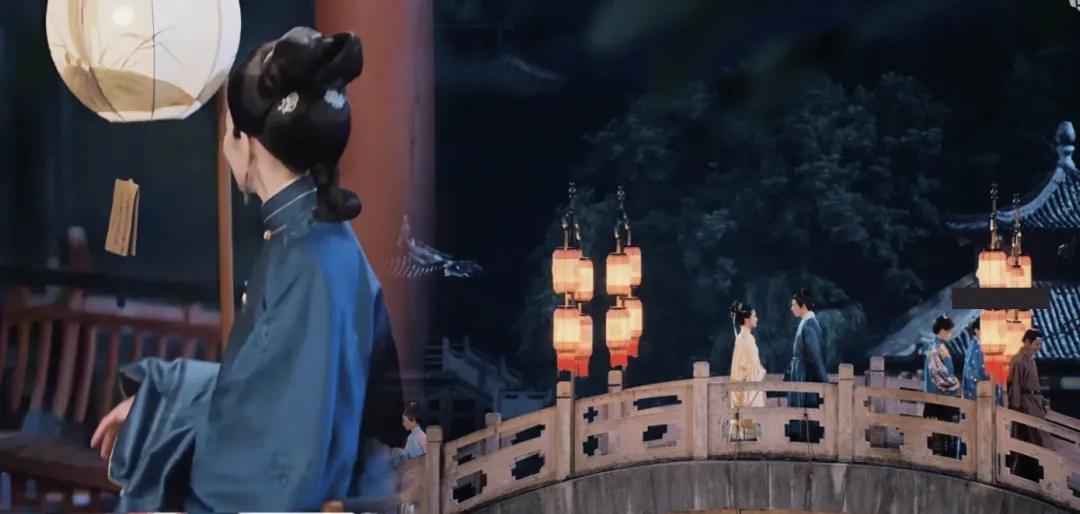
However, it’s worth noting that many people struggle to distinguish between ordinary white lanterns and funeral lanterns. Both are white, but their purposes—festive or funerary—often lead to confusion. While both are white, their materials and textures differ. Just as modern white clothing doesn’t necessarily resemble mourning attire, festive lanterns were typically made from gauze, rice paper, or other specialty materials, distinct from the plain paper lanterns used for funerals.
Moreover, white lanterns came in various shapes and designs, some quite fascinating. For example, traditional Chinese lanterns even had 'fireproof' features. One interesting design is the 'rolling lantern,' also known as the 'rolling ball lantern'. As described in Hucheng Suishi Quge, it consisted of a large bamboo sphere with a candle inside, wrapped in cloth and placed within a larger sphere. A universal joint kept the candle upright even as the outer sphere rolled. Rolling lanterns came in small, medium, and large sizes—some handheld like lion dance props, others requiring a crowd to push, creating a lively atmosphere during major festivals.
One detail often missing in modern period dramas is the intricate auspicious patterns and paper artistry on Chinese white lanterns. Today’s lantern festivals often feature only a few repetitive designs, leading to netizens’ complaints: Why are the lanterns in period dramas so 'plain' and unlike traditional Chinese lanterns? After Chinese culture spread to Japan, many elements were simplified due to local resource constraints—lantern frames, patterns, and even costumes were streamlined. But ultimately, it’s a matter of budget. With a bit more knowledge, these misconceptions could easily be avoided.