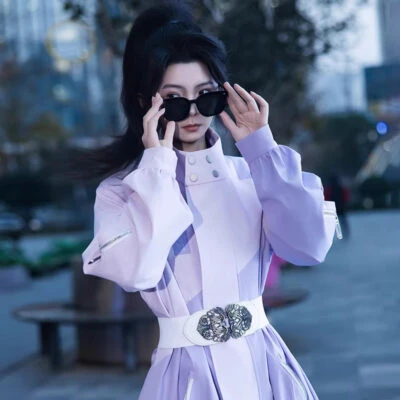
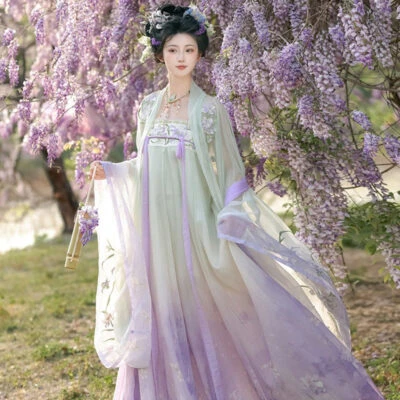
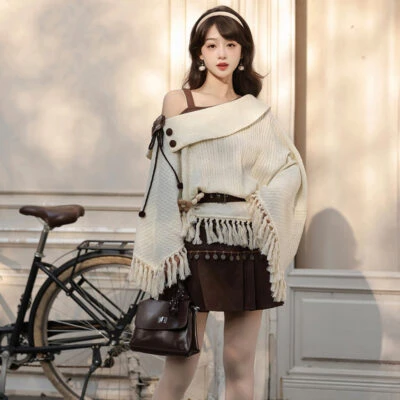
Irkutsk hosted the fourth China Culture and Art Festival on the Shores of Lake Baikal on 16 October, opening it at the city’s national research technical university with more than 800 students and staff from universities across the region and from China. The Chinese consulate general in Irkutsk co-organised the event with the university, and the programme ran as a market of twelve booths plus a concert performed by Russian and Chinese students together.
Booths With Hanfu at the Front
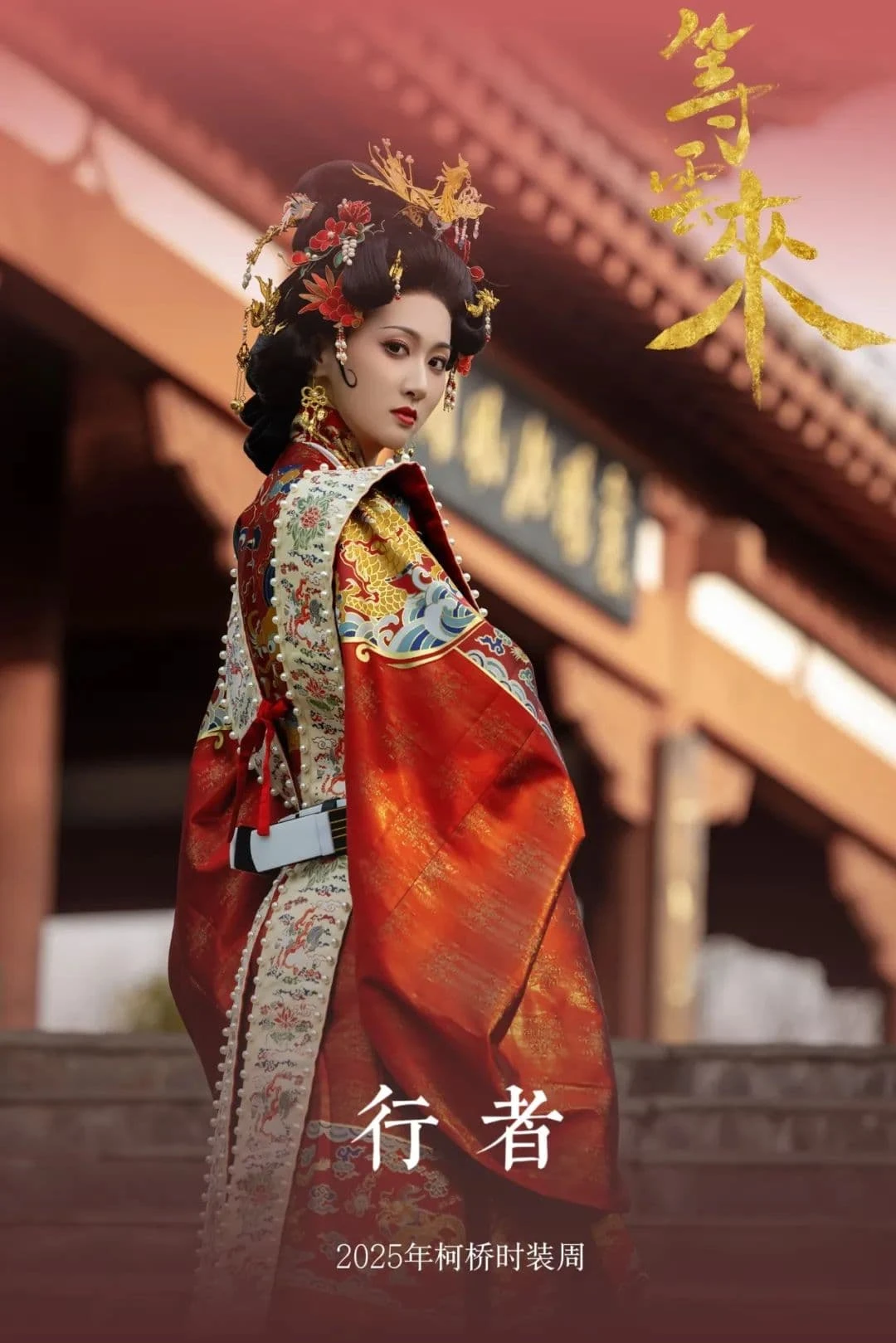
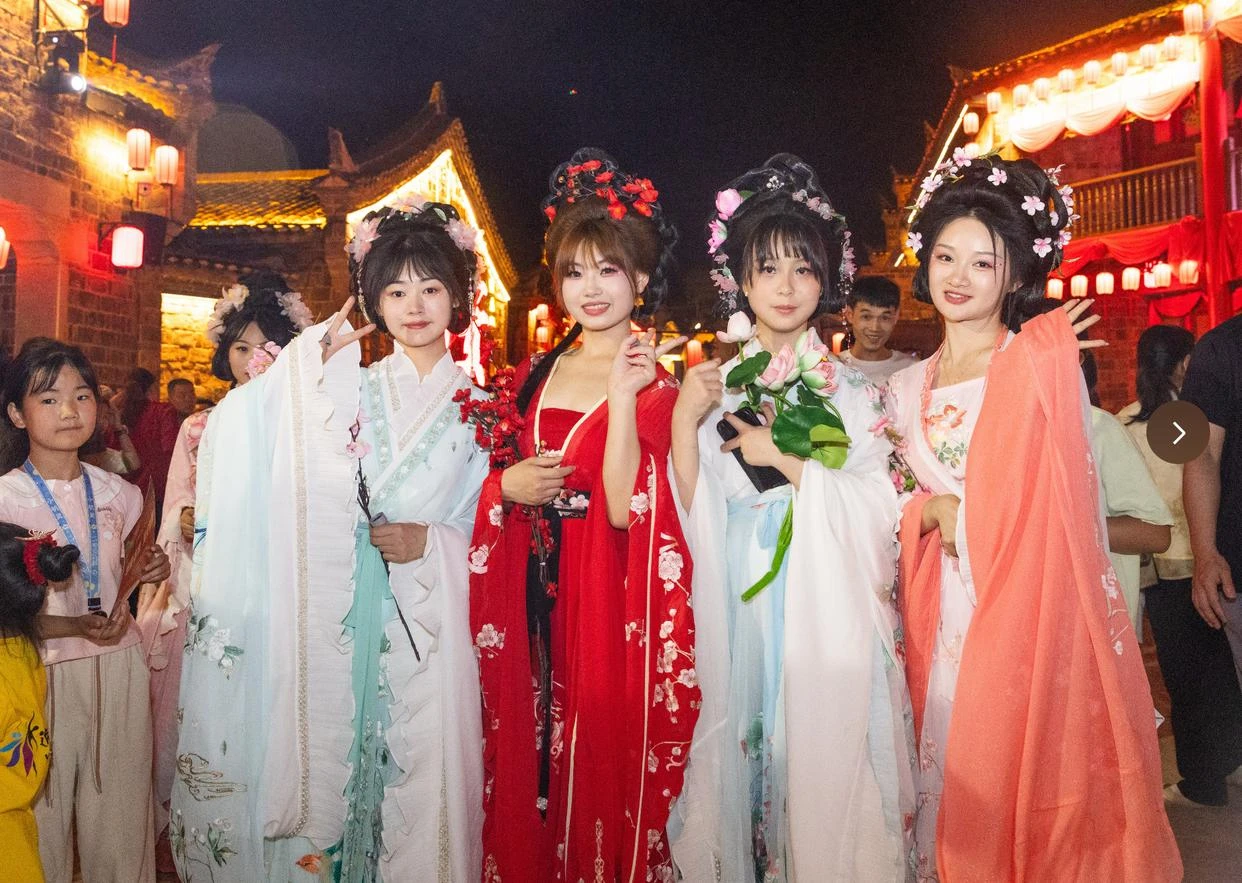
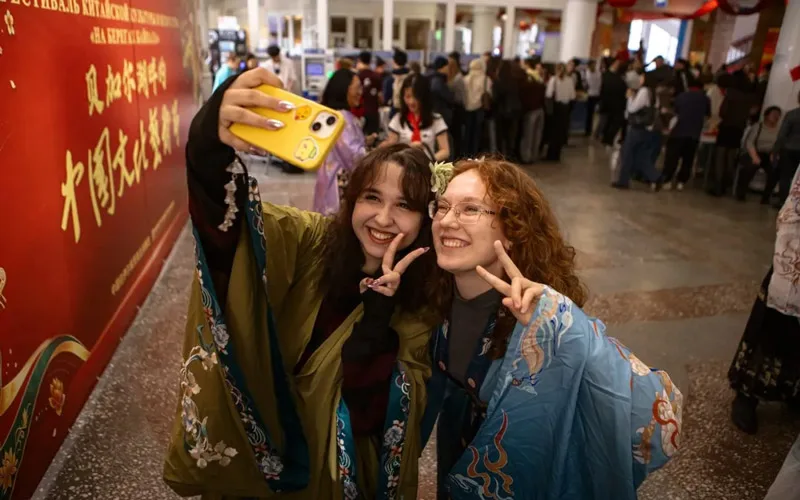
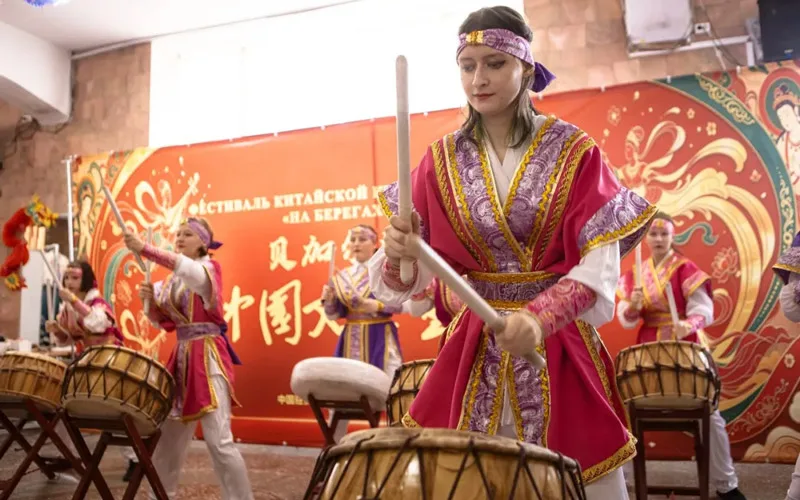
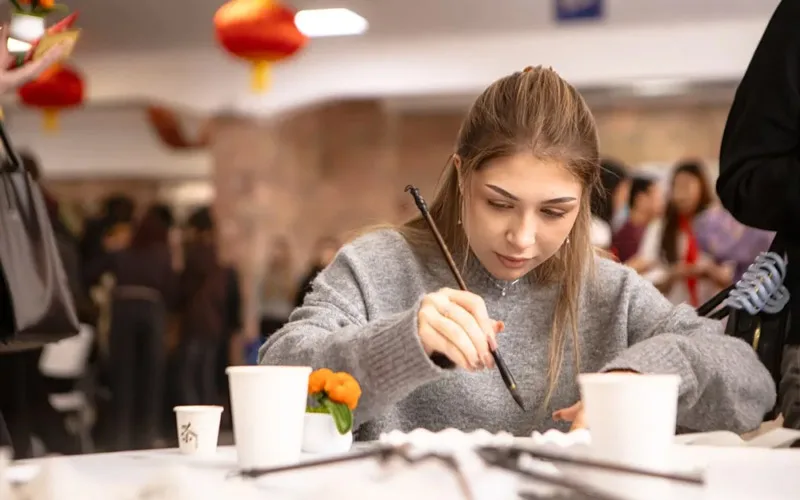
The market was the busiest part of the day, and Hanfu try-on sat at the front of it. Twelve themed booths offered costume fitting, opera mask painting, calligraphy, ink rubbing, tea ceremony, paper-cutting, painting and mooncake making and tasting. A separate masterclass handled mooncakes in more depth, and the evening concert paired folk songs, instrumental pieces and martial arts performed by local students with numbers staged by visiting Chinese students.
Liu Yu (刘渝), China’s consul general in Irkutsk, used his opening remarks to argue that civilisations gain from exchange, and described the festival as a setting where young people from the two countries can meet rather than observe each other. The distinction matters at an event like this: a booth where a student ties a sash for a stranger produces a different kind of memory than a display case behind glass, and the queue at the costume booth was the longest of the twelve.
Chinese Universities Bring the Materials
Two Chinese institutions joined as new partners this year. Inner Mongolia University of Science and Technology sent 24 staff and students from metallurgy, mining, energy and environmental programmes for a ten-day placement from 12 to 21 October, and used the festival to set up a booth where research results sat beside regional culture: calligraphy practice, Hanfu fitting, paper-cutting, and milk tea with dairy foods from the grasslands.
Hebei North University worked a three-part formula of heritage display, folk experience and stage performance. Its centrepiece was a Yuxian paper-cutting of Along the River During the Qingming Festival, a national-level heritage craft from Hebei, and the booth added tea tasting, handkerchief twirling and fan painting done on site, with the finished fans and craft objects given to Russian students and staff. During the concert a teacher from the Inner Mongolia delegation sang As You Wish, and the student chorus closed with I Love You, China.
Why Irkutsk Keeps Hosting the Festival
Numbers explain the venue. The university’s vice-president for international affairs said most of its international students come from China, two thirds of its overseas partner institutions are Chinese, and 70 percent of its students’ international academic exchange destinations are in China. The festival has now run four consecutive editions, and the range of objects on the tables has widened each year.
Xia Shuang, the rector’s assistant responsible for China affairs, added that students travel to China every year on exchange placements for language study, and that the university has offered free Chinese courses for three consecutive years. A taiji instructor is due to arrive shortly and will teach the practice inside the physical education curriculum, which would move a festival demonstration into a credit-bearing course.
Try-On Travels Better Than a Showcase
Cost decides most of this. A complete set of Hanfu can be worn for years, needs no display case, no climate control and no shipping crate, and occupies one table. It also demands company: sashes have to be tied, collars crossed and waists cinched, so a fitting takes minutes and involves at least two people. Ink rubbing, paper-cutting and mask painting work the same way, since each ends with something the visitor carries away.
For a student on the Russian side, the memorable part is usually a specific technique rather than a general impression. Varvara Isakova, a first-year mining student, recalled a lecture on Chinese ink rubbing, which she described as more than 1,500 years old and listed by UNESCO, and said the brushes, stone slab, pigment and paper held her attention before she moved on to the tea booth and posed for photographs with Chinese classmates. That sequence, a technique explained and then handled, is what a booth can do and a museum tour cannot.