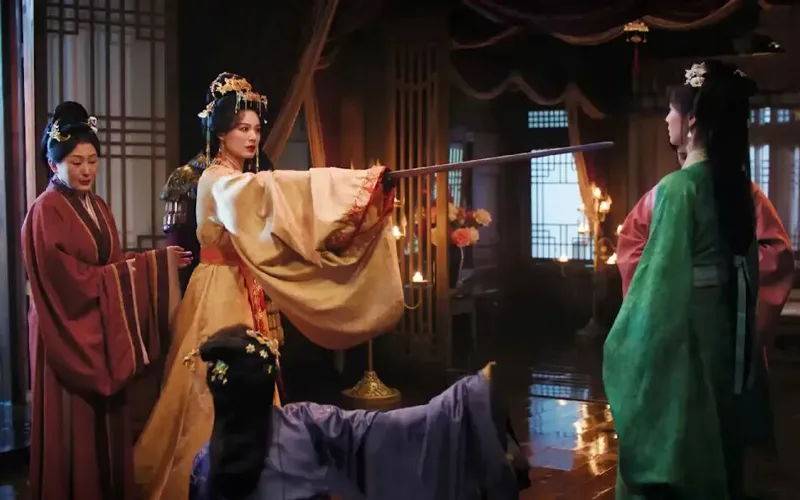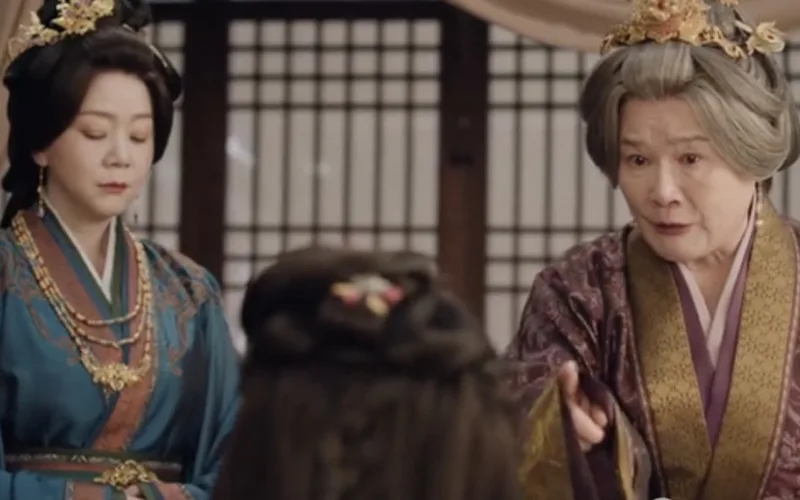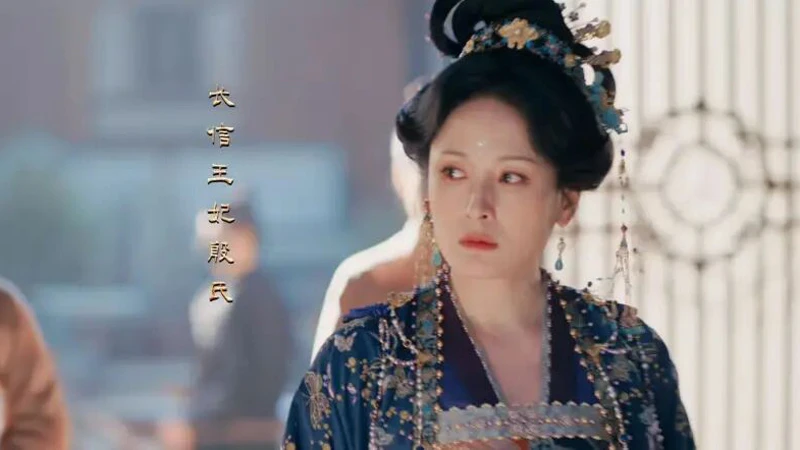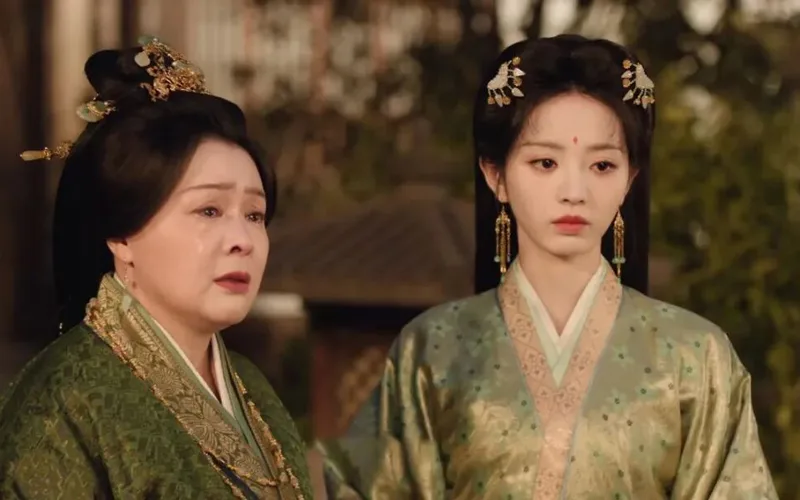
In Where the Mask Ends (嫁金钗), Tian Xiwei (田曦薇) and Yan An (闫桉) lead a costume drama that hides a sharp question under silk and gold: who pays when a mother chooses a crown? Wei Rao (魏娆) looks like a noble daughter, yet her life is a chain of escapes. Abandoned as a baby, raised without warmth, sold and humiliated, she survives by luck and stubbornness. When Bitao (碧桃) dies and Wei Rao joins Lu Zhuo (陆濯) to strike at the Queen, the real wound finally shows. The enemy is not only the palace. It is Zhou Fu (周芙), the mother who left her behind.
Mother’s Choice
Zhou Fu did not enter the palace as a saint. Before she left, she spoke of a future for her daughter and herself. The words sounded brave. The timing told another story. Life in Wei Manor had turned bitter: a mother-in-law’s contempt, a sister-in-law’s pressure, a rival’s tricks. When the Emperor, her childhood companion, offered marriage, she accepted. She left a two-year-old child behind and called it sacrifice. Maybe she believed it. Maybe she needed to believe it. But a child cannot eat a promise. A child needs a hand that stays.
Wei Rao’s early years became a chain of harsh rooms. A relative who resented her identity threw her away. Another nearly killed her. Snow and wolves should have ended her story. Rescue only moved her into another trap. Qiao Shi (乔氏) gave her work, not love. A gambling father beat the household; illness and debt threatened the younger children. At seven, Wei Rao was sold to settle a debt. At eight or nine, she dressed as a boy to burn charcoal. Later, she carried night soil door to door. A girl born to silk learned survival through stench and cold.
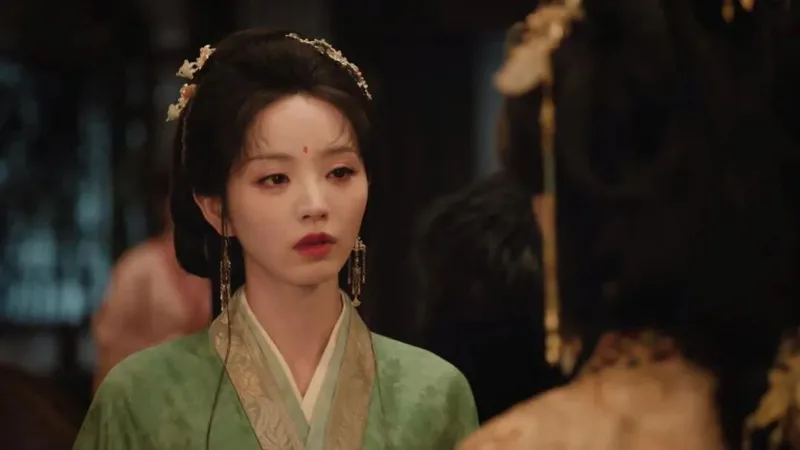
This is why Zhou Fu’s choice matters. If she had taken her daughter, the switch might never have happened. If she had truly watched over her, the child would not have been exposed to so many hands. Zhou Fu enjoyed imperial favor, fine clothes, and crowds of servants. She did not look back. Her daughter took the blows. That contrast is the drama’s cruelest scene, and it happens without a blade.
Zhou Fu is not a cartoon villain. She wanted safety, status, maybe love. The problem is the bill. She paid with someone else’s life. Wei Rao did not choose to be born to her. She did not choose to be left. She did not choose to become a servant, a target, or a secret. The mother’s fresh start required the daughter’s long ruin. That is not romance. That is accounting.
Revenge Awakens
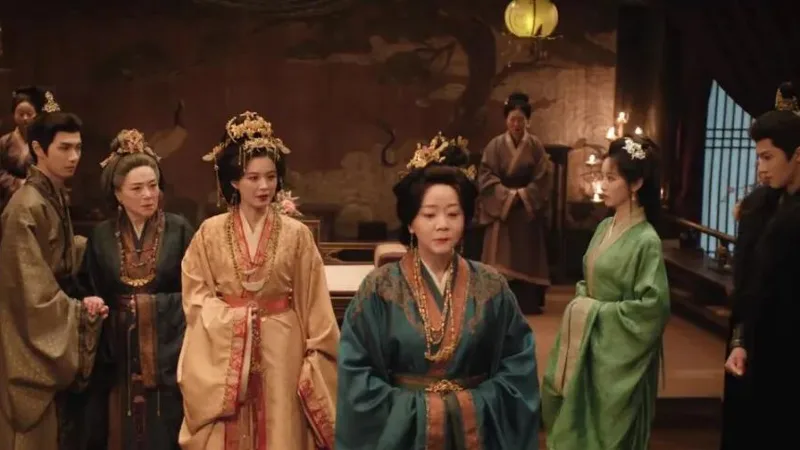
Guo Shi (郭氏) hated Wei Rao for a reason buried in old vows. Wei Jin (魏谨) was pledged to Guo, then fell for Zhou Fu at first sight. He broke the engagement, shamed Guo, and pushed her toward a foolish, lustful elder son. Guo watched the couple display happiness. When Wei Jin died, Zhou Fu remarried quickly, this time into the palace. Guo could not reach the protected wife. She reached the daughter. Every insult against Wei Rao was aimed at a woman who was no longer there.
Wei Heng’e (魏恒娥) made the same calculation. With Zhou Fu absent, the child was easy to exchange. Even after Wei Rao regained her name, the past kept biting. The Emperor’s favor for Zhou Fu cooled the Queen. The Empress Dowager and the Queen blamed the mother, then hunted the daughter. Han Liao (韩辽) joined a plot to destroy Wei Rao’s reputation. When that failed, palace visits became trials. The Queen looked for new ways to humiliate her. Wei Rao endured each scene because open war would cost too much.
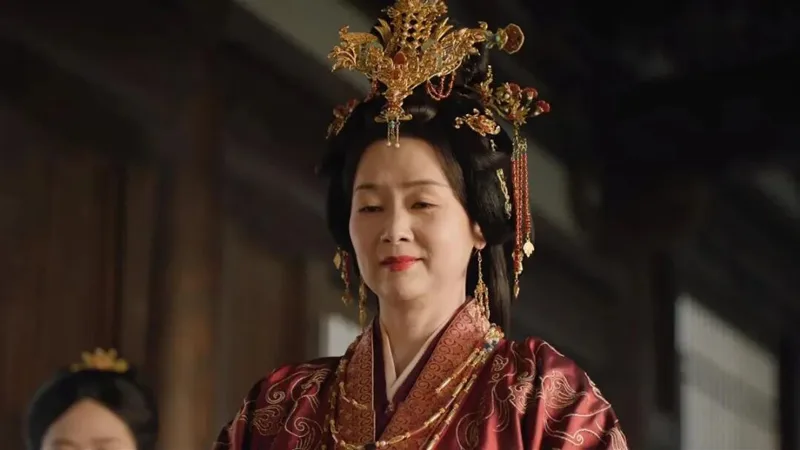
Then Bitao died. The loss broke the last wall. Wei Rao and Lu Zhuo stopped reacting and started planning. They gathered evidence, tested loyalties, and set a trap for the Queen. The revenge was not a loud scream. It was a quiet arrangement of facts and timing. When the Queen fell, the victory tasted cold. Bitao could not return. The years of shame could not be erased. Wei Rao had won a battle inside a war that began before she could walk.
Still, she does not hate Zhou Fu. That choice is stranger and stronger than revenge. She refuses recognition, not because she forgives everything, but because she has learned to live without a mother’s answer. The drama asks its audience to sit with that discomfort. A parent can chase a better life and still leave wreckage. A child can survive and still refuse the script. Wei Rao’s final dignity is simple: she names the cost, and she will not pretend it was love.