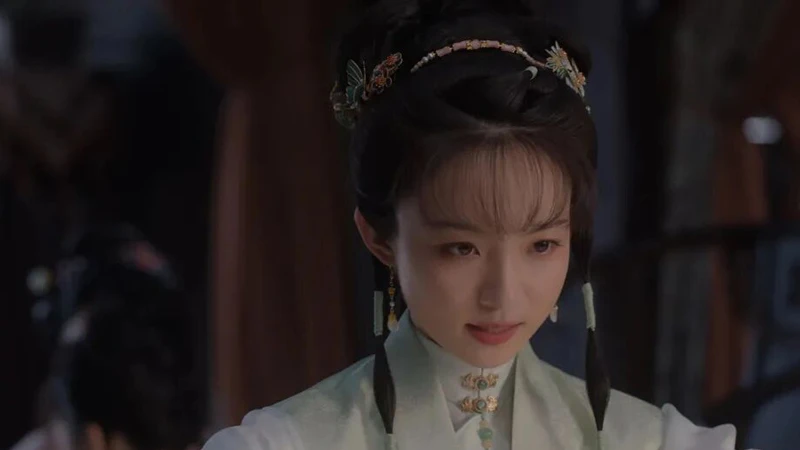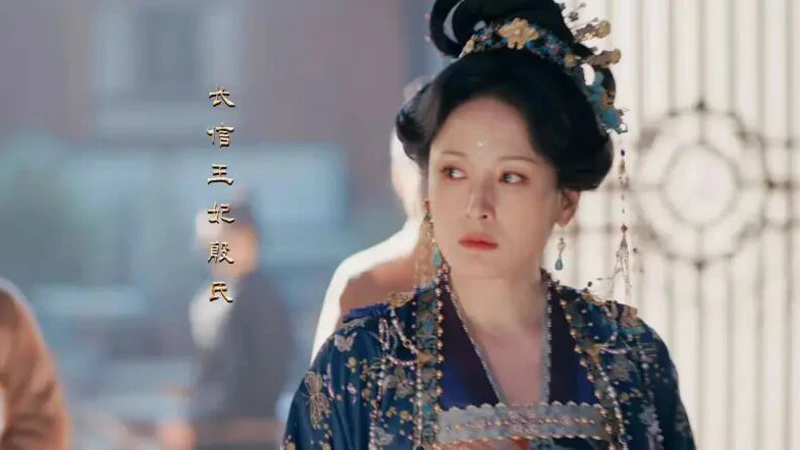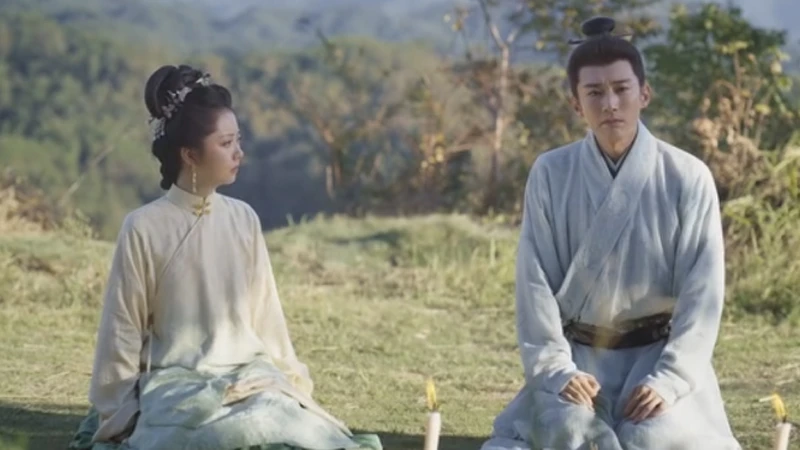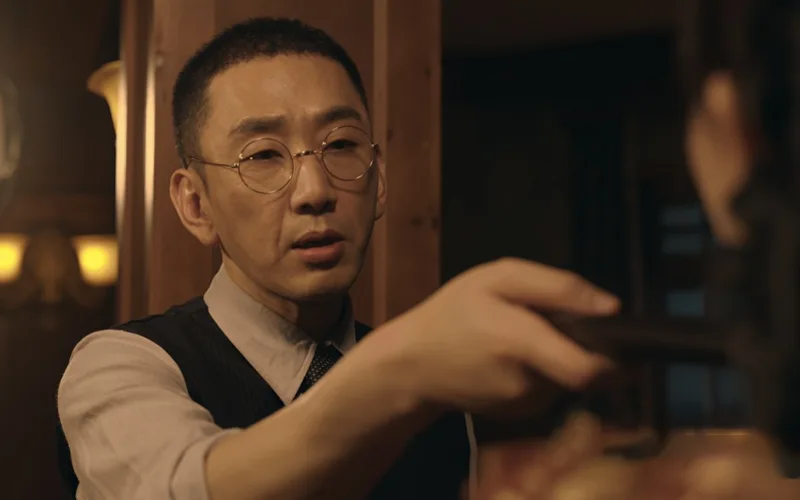
In A Prophet (我不是大师), the most suffocating turn does not arrive with a chase or a courtroom speech. It arrives when Jiang Feiyan (江飞燕) walks into a haunting she has built with her own hands. Tang Yushan (唐玉山) is the kind of man who can sell anything: a rumor, a tear, a dead wife’s memory. He is clever enough to make people weep, cruel enough to charge them for the handkerchief. Manzhi (曼芝) dies because his greed needs a story. He stages her death as suicide, then wears grief like a tailored coat. Jiang sees the stitchwork. With Shangguan Chengming (上官诚明), she chooses a dangerous method: replay the crime as a ghost story. The question is not whether ghosts exist. It is whether a fake ghost can corner a real monster. Li Yitong (李一桐) turns that question into a quiet, blade-sharp performance.
The Charming Monster
Tang’s mind is a market stall of ideas. He understands appetite, attention, and the tiny shame people hide when they click on scandal. If he had aimed that talent at building something honest, he might have gone far. Instead, he aims it at Manzhi. His plan is not clumsy. It is polished, patient, and almost invisible. He removes a life and leaves behind a script that points to self-destruction. No fingerprints. No loose ends. No guilt. That last absence is what makes him terrifying. He does not kill in a rage. He kills as a producer, checking whether the scene works.
After Manzhi is gone, Tang becomes the devoted husband. His eyes look tired on camera. His voice cracks in interviews. Strangers send sympathy, and sympathy becomes currency. He talks about memory, healing, and love while measuring clicks. A book deal appears. A film project follows. He plans to turn her pain into tickets and hardcover sales. Almost everyone believes the performance. The city, perhaps Shanghai in the Republican era, loves a tragic man with a clean shirt. Jiang does not. She watches him bow his head and knows where the knife is hidden.
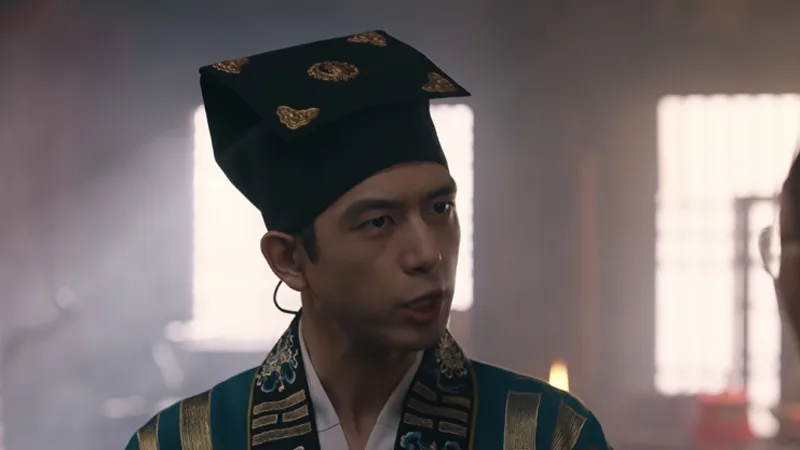
Jiang refuses the usual path. She does not gather clues in quiet rooms or wait for a formal confession. She builds a theater of the dead. With Shangguan Chengming, she maps Tang’s original crime: how he approached, how he lied, how he arranged the scene, how he walked away. Then she prepares to perform it back to him. This is not superstition. It is pressure. It is memory used as a weapon. If Tang wrote the first script, Jiang will make him watch the sequel. She will place him inside his own logic until the walls close.
Replay His Crime
The first haunting is built to break him. A coffin shifts. A shadow crosses a corridor. Blood-colored visions flash where they should not. Jiang wants Tang’s nerves to snap. But Tang is not a man who panics; he is a man who monetizes. He spots the trick, or at least decides to treat it as one. Then he does what he does best: he turns fear into advertising. The “haunted” scandal becomes a headline. His upcoming book and film get free heat. The first revenge plan does not trap him. It feeds him. For viewers, the sequence is almost unbearable.
Jiang learns. She stops trying to scare a man who feeds on spectacle. She studies his hunger instead. Tang loves money, reputation, and the feeling of controlling the room. His fortune was built on Manzhi’s death, so that is where the pressure must land. The team moves quietly. They cut the streams of profit and praise that grew from her tragedy. They take apart the capital he boasts about. Then they keep returning to the crime, not with screams, but with details. A phrase. A timeline. A misplaced object. Each small cut reminds him that someone else knows the shape of his secret.
The siege works because it mirrors his own methods. Tang always wins by reading people and steering their emotions. Now someone reads him. Jiang and Shangguan do not give him room to perform. They apply pressure, wait, and press again. His confidence starts to look like effort. His lies need more air. The man who calculated every stranger cannot calculate the woman in front of him. When his memories are dragged into daylight, his calm breaks. Rage and fear rush in. For the first time, Tang speaks without a script.

The Final Tape
In that collapse, Tang confesses. He describes killing Manzhi, faking the suicide, building the loving husband image, and profiting from the tragedy. He admits what he did and why he did it. Every word is recorded. The tape becomes the hard, unpoetic truth that no publicity campaign can spin. The revenge lands because it is symmetrical. Tang used invention, performance, and narrative to destroy. Jiang uses invention, performance, and narrative to expose. He climbed on a corpse. The same corpse’s story pulls him down. The ghost was never supernatural. It was memory, strategy, and a woman who refused to forget.
Li Yitong makes Jiang dangerous by keeping her still. There is grief in her eyes, but she does not offer it to the camera. She moves through scenes like someone holding a full cup without spilling a drop. During tests, she waits. During confrontations, she presses without raising her voice. While plotting, she looks almost ordinary, which makes the trap more frightening. When she finally closes the circle, her face does not celebrate. It simply recognizes that the debt has been called. The performance works because Jiang does not beg for sympathy. She arranges justice with the patience of a chess player and the wound of a mourner.
Tang’s intelligence was never the problem. His conscience was. A brilliant man without mercy becomes a machine for damage. He thought talent excused appetite. He thought a good story could cover a stolen life. In the end, his own tricks become the cage. Jiang does not need to become a monster to beat one. She needs only to understand him better than he understands himself. Manzhi receives a late, imperfect justice. The fake ghost walks away, and the real monster is left with the one thing he cannot market: the truth.