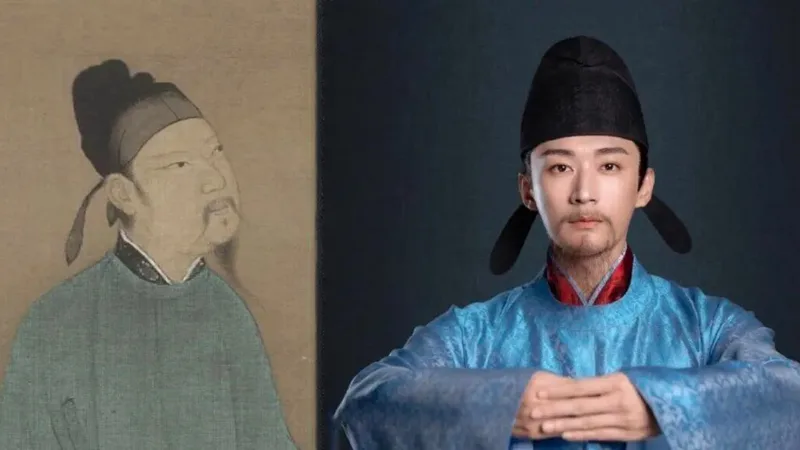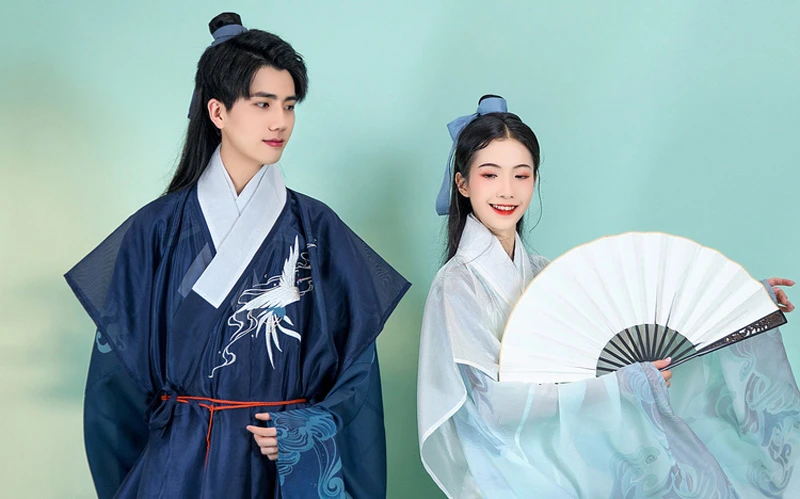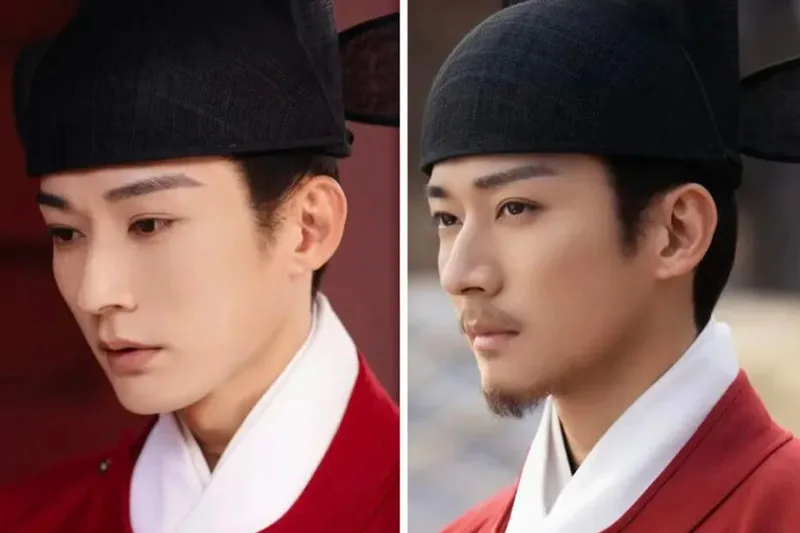
A single beard can change a face. In Against the Current (兰香如故), Liu Xueyi (刘学义) surprised viewers less with youthful styling than with a carefully trimmed beard. Earlier roles often framed him as a clean, gentle immortal: smooth cheeks, bright eyes, quiet elegance. This time, the beard erased boyishness and added calm, weathered authority. It was not messy or heavy. Its shape felt deliberate, balancing scholar grace and heroic bone. Many fans called facial hair the best atmosphere makeup for historical men. No beard means youth; a beard suggests experience and bearing. That praise raises a real question: ancient men often wore beards, so why do today’s costume dramas seldom let leading men keep them?
Ancient Beard Rituals
In older China, facial hair was ordinary and stylish. Officials, scholars, and nobles wore it. Some kept it loose and airy; others shaped it neat and stern. Liu Yuxi (刘禹锡) wrote about dyeing beard and whiskers to serve younger men, proof that grooming was fashion, not neglect. A beard showed energy and posture. Men treated it with care. Di Renjie (狄仁杰), before a duel, combed his beard carefully. That ritual dignity is hard for modern people to feel. It was not vanity alone. It was a way to stand properly before others, to show that a man knew his place and carried himself with control.
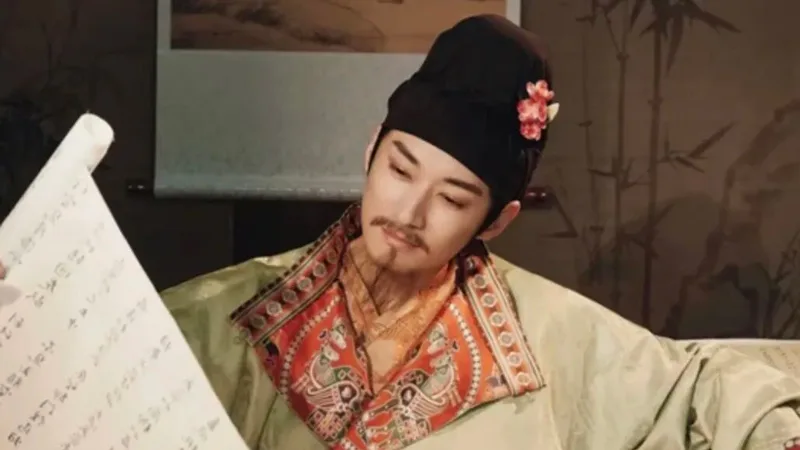
Why did beards matter so much? Wang Guowei (王国维) traced Hu (胡) as a term separating Central Plains people from northern groups, with thick hair a key mark. Over time, “beard” became a familiar label. From Qin and Han onward, keeping facial hair sank deep into custom. It signaled maturity, wisdom, rank, and ritual manners. A beard was not simply decoration; it was a public statement. It told strangers whether a man was young or seasoned, ordinary or dignified. In paintings and histories, whiskers often carry as much meaning as robes, hats, or gestures.
Good beards needed work. Tang Taizong (唐太宗) used a curled beard to display imperial dignity. Cao Cao (曹操) protected his beard with a gauze bag. Old texts record a special “beard wrapping” method to keep it tidy. Records say Cui Yan (崔琰) had a four-foot beard and Liu Yao (刘曜) a five-foot one. The numbers may be exaggerated, yet they show how much men prized their whiskers. From Neolithic combs to fine combs carried by officials, beard care remained a male courtesy. A clean, long beard could suggest a clean, long life.
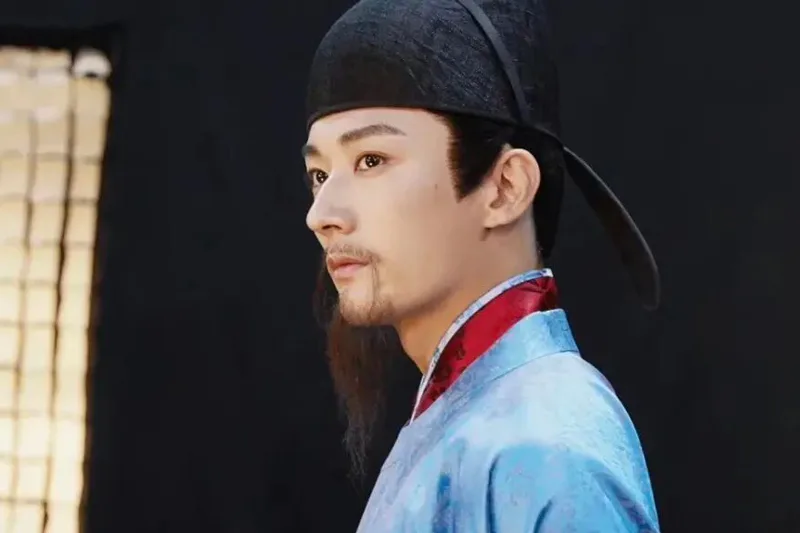
Some people believe “while father lives, do not grow a beard.” That was not an ancient rule. Zeng Guofan (曾国藩) proposed it, and it has circulated for only about a century. For most of history, beards were mainstream. Men did not ask whether they should grow one. They asked how to keep it worthy of their age, office, and family name.
Modern Clean Shave
Today, almost everyone shaves. The cause is not one thing but a shift in taste, pace, and social rules. Mainstream beauty prefers clean and fresh. A little stubble can read as sloppy, old, or careless. Morning shaving becomes a grown-up habit for looking respectable and showing respect. A smooth face fits office lights, cameras, and crowded trains. It asks for no comb, no oil, no mirror check at noon. In a world that rewards speed, the razor wins by default.
Fast life leaves no room for beard ritual. Commuters rush; few have time to trim, oil, comb, and shape. Letting it grow wild looks messy; caring for it costs energy. Shaving clean is efficient and calm. More importantly, facial hair no longer marks gender or status. Maturity and honor do not need whiskers to prove themselves. Personal character and ability speak instead. A young manager, a senior engineer, a father at school pickup: none must grow a beard to be taken seriously.
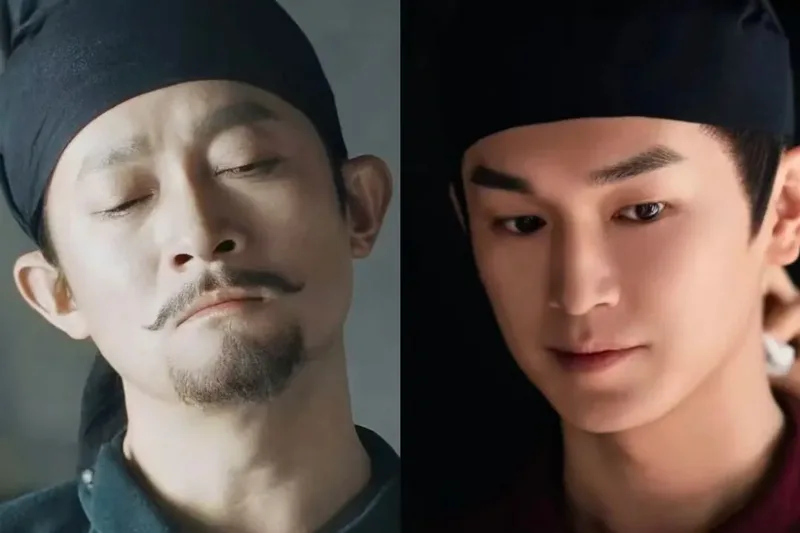
In modern history, cutting the queue and shaving was seen as leaving old customs and welcoming new knowledge. That idea still lingers. Beards can carry a stale, conservative image. Workplaces and social settings demand neat grooming; a clean face is standard. So beards become a minority choice, a style statement rather than a social duty. They appear on artists, actors, and rebels more often than on bankers or teachers.
Neither beards nor shaving are better. Ancient men wore beards for slow-era ritual, elegance, and identity. Modern people shave for speed, neatness, and self-discipline. Costume dramas that let a man keep a beard invite us beyond modern habits and show a classical Chinese charm: whiskers are not only age; they can hold bearing, gravity, and time. Clean is today’s decency; a light beard is an old grace. Which do you prefer: Liu Xueyi fresh-faced, or Liu Xueyi with a calm beard?