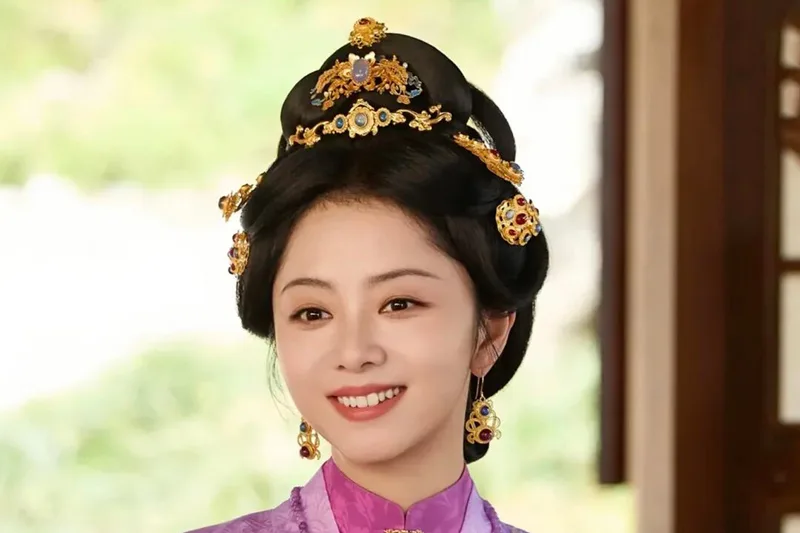
In Against the Current (兰香如故), Tan Songyun (谭松韵) plays Xu Lanxiang (许兰香), a noble granddaughter who loses her rank and becomes a third-class maid. She sweeps floors, keeps ledgers, reads faces, and fights for a foothold inside a wealthy household. Viewers praise the costumes, yet many ask a practical question: did ancient noblewomen really walk around in gold and silver every day? Would their necks not ache?
The answer is not a simple yes. Headdresses followed occasion, rank, and purpose. Some were astonishingly heavy. Many were cleverly light. The drama gives us a door into that complicated wardrobe, but it is not a documentary. It mixes research with screen beauty, and that mix is exactly why the question is worth asking.
Wedding Weight
The heaviest pieces appeared at weddings. When Xu Lanxiang married Lin Jinqi (林锦岐), a fourth-rank military officer, she wore a four-pheasant crown. The number of pheasants matched her husband’s rank: five for first rank, four for ranks two through four, three for ranks five and six. Such rules turned a hair ornament into a public statement. Guests did not need a name tag; the crown told them where the bride stood in the official order. A wedding was not merely a family feast. It was a formal display of status, and the bride carried that display on her head. Rank was not whispered. It was worn.
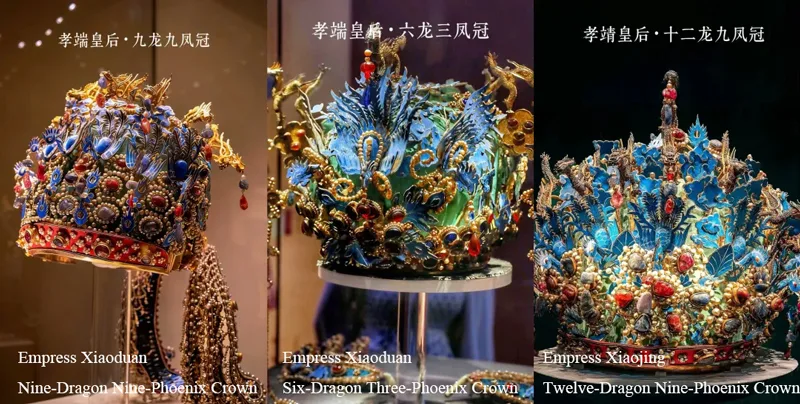
Even so, the grandest crowns were rare. Empress Xiaojing (孝靖) of the Ming dynasty owned a crown with twelve dragons and nine phoenixes. Reports say it weighed 2,595 grams, about five jin (斤) and two liang (两). Imagine balancing five bottles of water on your skull. No wonder people joke, “If you want the crown, carry the weight.” Yet an empress did not wear it daily. It appeared at enthronement ceremonies, major sacrifices, and court assemblies. For ordinary palace life, she used a simpler daily crown, often trimmed with pearls. It was lighter and suited routine etiquette. The same person could be majestic in public and practical in private.
This distinction matters. A crown was not everyday jewelry. It was equipment for a specific stage. The pheasant crown belonged to a wedding. The dragon-and-phoenix crown belonged to the state. The daily crown belonged to the palace schedule. Once we see those categories, the question “Did they wear gold all the time?” loses its edge. They wore what the moment demanded. Sometimes the moment demanded several pounds of metal. More often, it demanded comfort, neatness, and the right degree of shine. A noblewoman might love gold, but she did not want a headache before lunch.
Lighter Skills
Away from royal ceremonies, noblewomen and ordinary wealthy women had lighter options. Many people imagine that every ancient crown was solid gold or silver. Craftsmen thought otherwise. Gold flower pieces were beaten very thin. Hairpins looked rich but weighed less than expected. In the Song dynasty, women loved floral crowns. Artisans shaved horn into a thin, flexible frame. It was tough, resisted warping, and weighed far less than metal. Then they added small gold and silver pins, pearls, and kingfisher feathers. Beauty and comfort shared the same head. The frame did the quiet work; the shine did the talking.
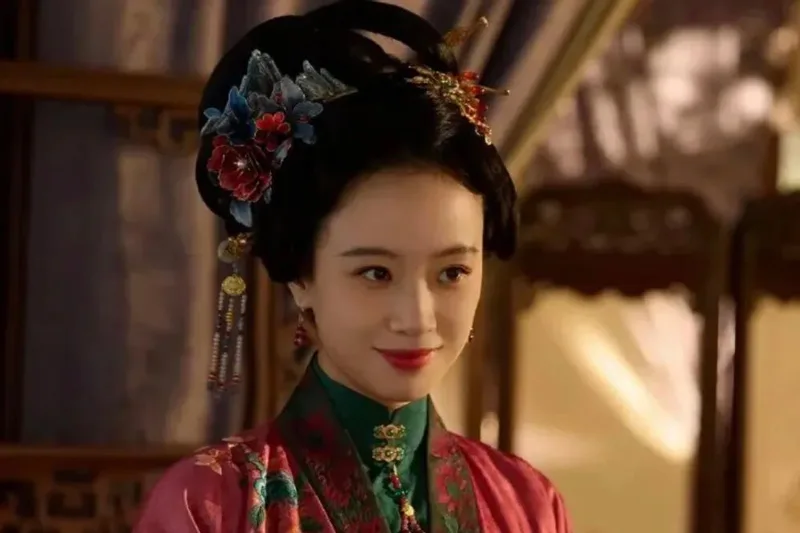
Gilding helped too. In the High Tang and Late Tang, women piled their hair with pins and combs. Look closely at surviving objects, and many “gold” pins are marked as gilded. This was not stinginess. A thin gold layer gave the same glow while reducing weight. Another trick was filigree. Metals were drawn into threads as fine as hair, then twisted, woven, stacked, and soldered into hollow lattice frames. Dragons and phoenixes still appeared, but the interior was empty. Pearls, kingfisher feathers, gauze, and silk replaced solid metal. The result looked layered and luxurious without pressing too hard on the neck. A clever craftsman could make a small amount of gold look like a sky full of it.
Lei si (累丝), also called flower silk, was one of the most delicate metal crafts in ancient China. Artisans pulled gold or silver into threads as thin as 0.2 millimeters, finer than a hair, then pinched, filled, assembled, soldered, braided, woven, piled, and built them into braided or netlike structures. Flat filigree drew patterns on a base; lei si built hollow sculptures in space. The techniques saved material and created airy volume. A dragon could curl above the forehead without becoming a paperweight. A phoenix could spread its wings without dragging the wearer down. This was not magic. It was patient skill, repeated across generations, hidden inside every bright curve.
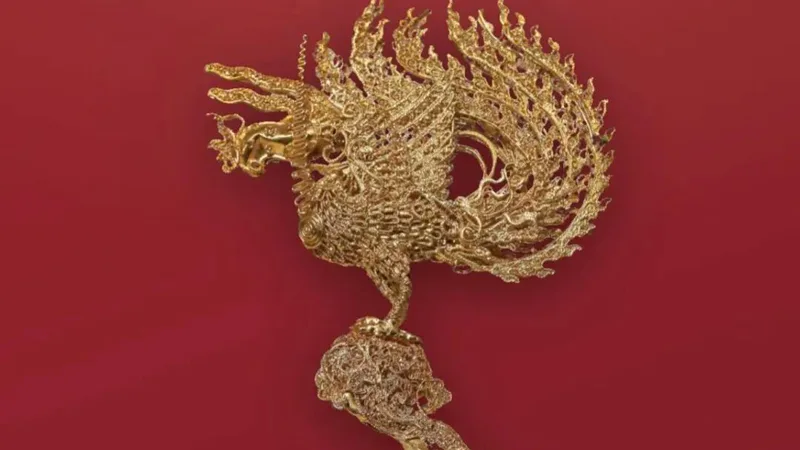
In Against the Current, the praised hairpieces are not exact copies of relics. The crew made artistic choices for the screen. Still, the old rule remains: match the headdress to the occasion, never to blind vanity. Xu Lanxiang’s life proves the point. Once a jeweled noblewoman, she later wore a plain bun and a simple pin as a maid. The crown’s weight followed her identity. Heavy gold was never only gold. It was rank, ceremony, family expectation, and a whole era’s order. She could remove the jewels, but the rules stayed. Would you enjoy wearing such golden headdresses, knowing what they carried?