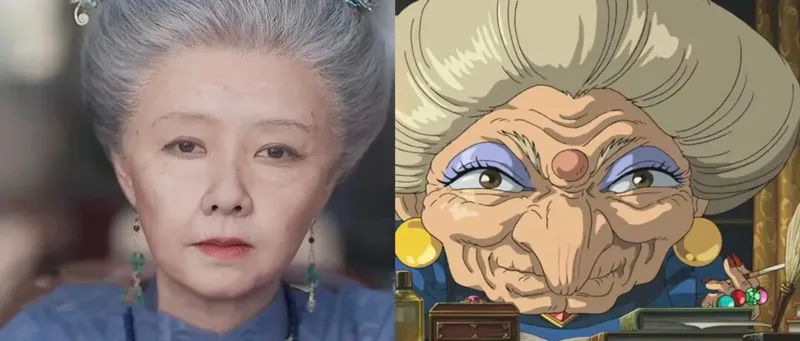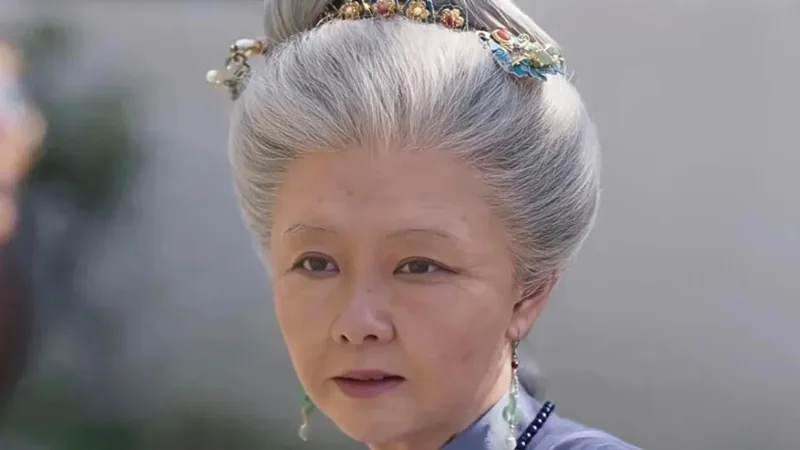
When Against the Current (兰香如故) reached its finale, Tan Songyun (谭松韵) appeared as an elderly Xu Lanxiang (许兰香). The response was immediate. Many viewers did not complain that the makeup was cheap. They asked a sharper question: why not cast an older actor? The prosthetic work reportedly took six or seven hours. Rubber pieces, wrinkle textures, white hair—all were there. Under high heat, the performer stayed inside sealed fake skin. Her dedication is not in doubt. Yet the face suggested eighty while the eyes and expressions still belonged to a young woman. That gap, not the latex, caused the argument. The phrase some used was “skin old, spirit young.” It sounds blunt, but it names the problem well. The discussion soon moved beyond one drama.
Skin Versus Spirit
Old age on screen often gets reduced to wrinkles, white hair, and a bent back. Ancient Chinese observers looked differently. They noticed spirit first, form second. Loose skin was surface; the change in the eyes was the core. In A New Account of Tales of the World (世说新语), the phrase “how vigorous this old man is” describes Ma Yuan (马援). His body aged, but his gaze still moved with alertness. That was an exception, not the rule. Most elderly people do not keep sparkling eyes. Their light turns inward. They look at a room without trying to conquer it.
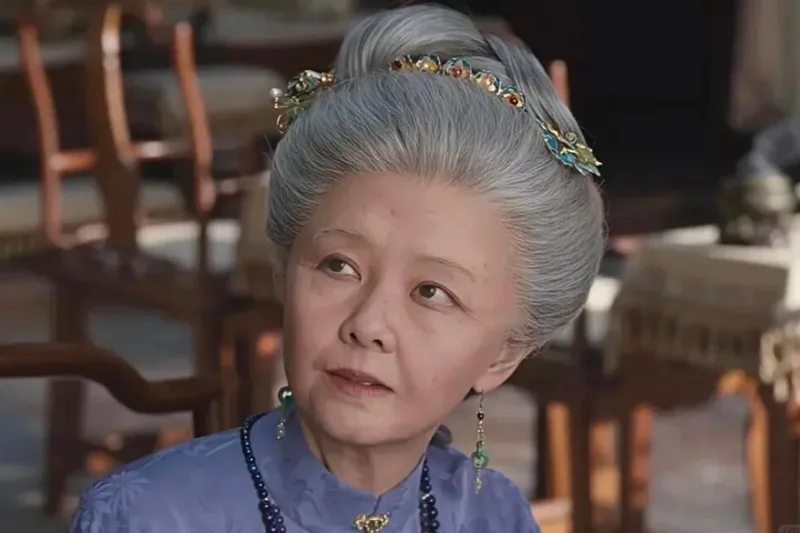
Bai Juyi (白居易) wrote On Aging, to Mengde (咏老赠梦得). He listed small, ordinary losses: eyes sore at night, hair uncombed in the morning, a cane sometimes, a door closed all day, no pleasure in a new mirror, no reading of small print. Sore eyes are not about wrinkles. They mean tired vision, weak focus, effort needed to see what once was clear. Young eyes push outward with curiosity, sharpness, defense. Old eyes after many years often soften, drift, and rest. They can still be clear for a moment, but mostly they are weary. That difference is hard to paint on a cheek, because it lives in timing, not texture.
Liu Yuxi (刘禹锡) answered in Reply to Letian on Aging (酬乐天咏老见示). He wrote that having seen much, one understands much; having known people, one reads them like a river. The old man he imagined is not blank or numb. His edge has been worn down. He sees through motives but no longer reacts to every one. This is subtle. It is not darkness. It is stored light. For Xu Lanxiang, a woman who survived a turbulent life, late years should carry that kind of quiet authority. Not constant dullness. Not a young glare. A settled gaze with a noble calm that jewelry cannot buy. That calm is the real luxury of age.
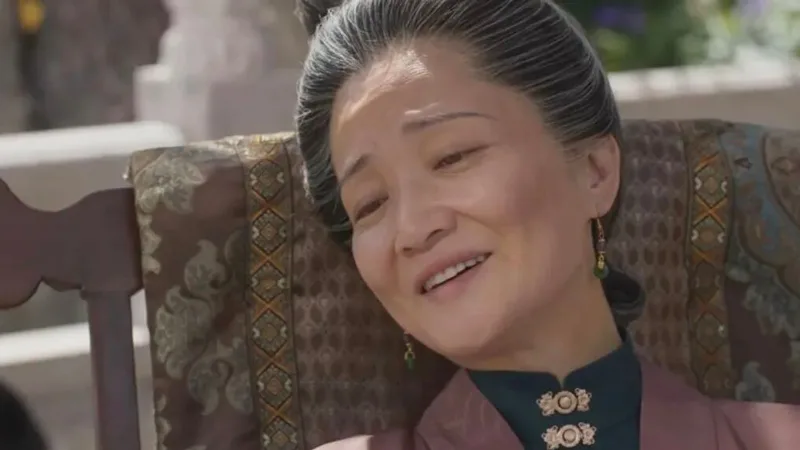
Eyes Still Young
Makeup can copy the body. It cannot copy the spirit. A performer can sit for hours while artists build a new face. The result may look convincing in a still photo. In motion, the camera magnifies everything. If the eyes still fire like a young person’s, the body and soul split apart. Viewers feel the seam. They may not have the vocabulary for it, but they sense that the person under the prosthetics is acting youth inside age. That is why the old-age look in Against the Current became a debate about performance, not just cosmetics.
The labor behind such a look should be respected. Heat, glue, sealed skin, long hours—each take is uncomfortable. Still, effort alone cannot create the inner weather of old age. Some actors slow every movement and bend the spine, as if age were only weakness. But late-life behavior is mixed. Senses dim. Emotions rise less easily. A memory may arrive and sharpen the face for one second. Then calm returns. The old person is not empty. Feeling simply does not rush to the eyes as quickly as before. Shen Teng (沈腾) in an elderly role showed this restraint: gentle, true, not theatrical. His face did less, and that made the age feel real.
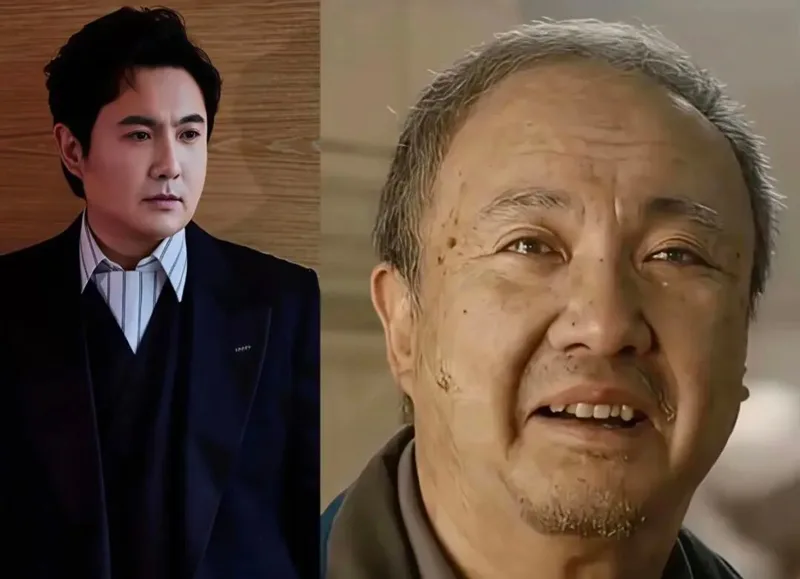
Xu Lanxiang’s life had rises and falls. Her late years should show scattered sharpness, hidden dignity, and sedimented thought. If the eyes remain young, even a face full of grooves will not convince us of eighty or ninety. The audience is not asking for a mask. It is asking for a different rhythm of attention: slower focus, softer edges, less need to dominate the room. That is the hardest part of acting old age. It cannot be glued on. It must be believed from within.
The controversy around Against the Current points to a common problem in period drama. Effects can now create realistic wrinkles and sagging skin. But most of the work stops at shape. The inner life of the elderly—the withdrawal of the gaze, the delay before reaction, the calm after many storms—is missing. Wrinkles are easy to draw; old eyes are hard to imitate. That is the lesson for makeup teams and performers. What do you think? Which screen old-age transformation has convinced you most?