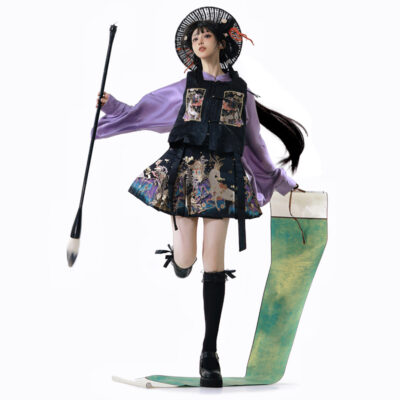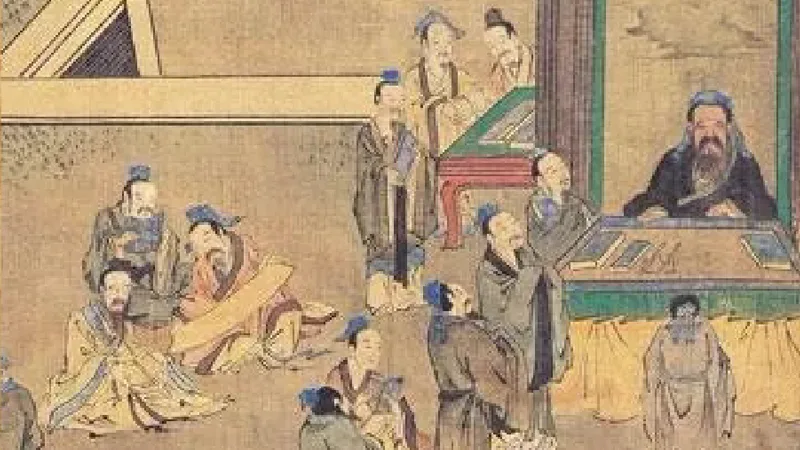
Modern internet users think they own the meme. They toss around “YYDS” and the latest slang for perfection as if no one before them ever compressed a feeling into a private code. Open a history book, though, and the joke changes shape. Confucius did not need a comment section. Han Yu (韩愈) did not need a viral post. They carved jokes into poems, essays, and family lessons. The tools were bamboo, ink, and memory. The goal was the same: say less, sting more, and let strangers laugh centuries later.
Sharp-Tongued Master
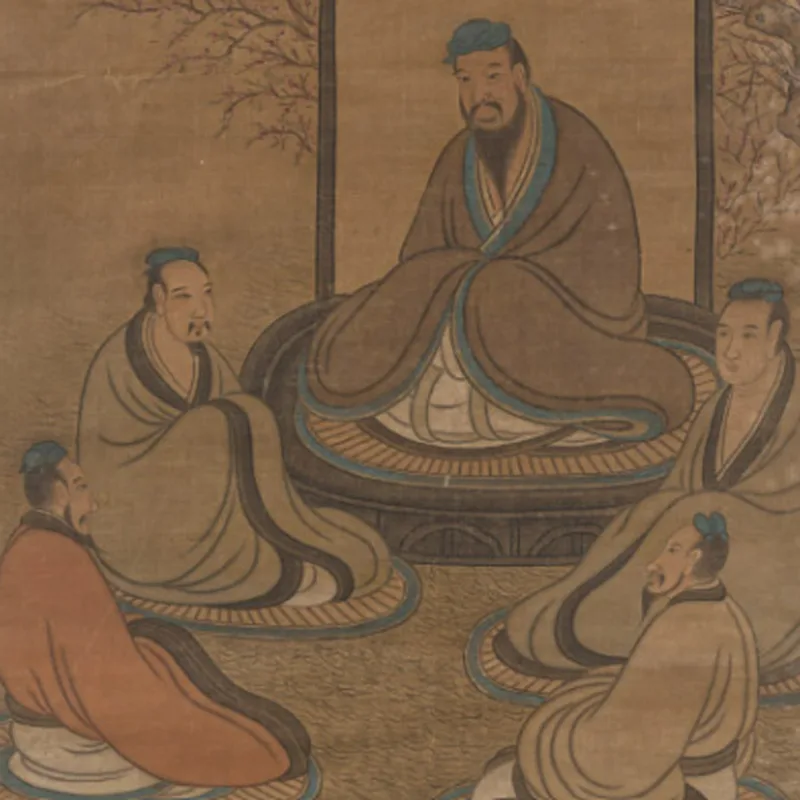
If Confucius had a feed, his tone would be savage. His student Zai Yu (宰予) took a nap during the day. Confucius did not send a gentle reminder. He wrote that rotten wood cannot be carved, and a wall of dung cannot be plastered. In plain speech: this one is hopeless, stop treatment. The line later lived in textbooks for two thousand years, used by teachers scolding sleepy students. Zai Yu became an accidental star: the first man in Chinese history roasted into fame by a teacher’s one-liner.
Confucius kept producing quotable knives. “Different roads cannot share a plan” sounds polite, but it really means: I have nothing left to say to you. Today it would be the final bio before a block. The genius is not cruelty. It is compression. A good line does not explain itself. It travels. It waits. It finds new mouths. That is why a sentence from The Analects (论语) can still land like a slap in a group chat.
His students were not safe either. He praised some, cut others, and let silence do the rest. No hashtag, no screenshot, no quote card. Yet the words survived because they fit the human comedy. People still nap. People still disappoint. Teachers still sigh. Confucius simply gave the sigh a permanent shape.
Dragon Or Pig
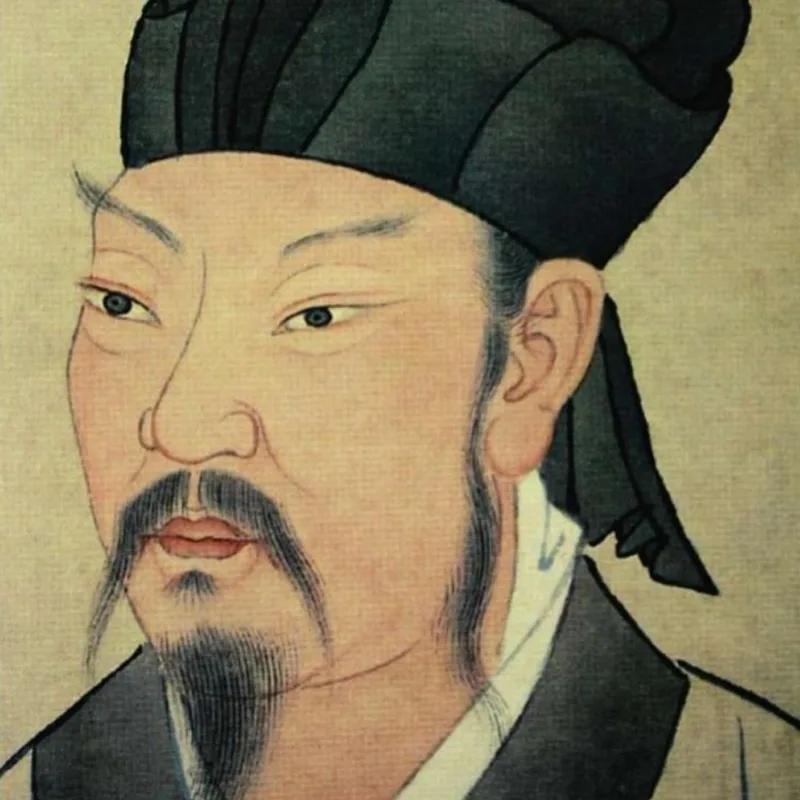
If Confucius was the sharp-tongued ancestor, Han Yu turned study advice into a horror film. He wrote a poem for his son Fu (符), To My Son Fu (符读书城南), to push his boy. Two families have sons, he said. As babies, they look equally clever. They play together like fish in one school. At thirty, their bones settle. One becomes a dragon. One becomes a pig. The phrase “one dragon, one pig” came from him. He may have invented the original “other people’s child” comparison, with barnyard cruelty.
Then he twisted the knife. The dragon rises and flies away, too busy to glance back at the toad. Not a metaphor you forget. Han Yu would rule today’s parent blogs. His headline would be brutal and clickable: “If Your Child Slacks Off, Thirty Will Make Him a Pig.” Parents would share it in panic. Tutors would quote it in ads. He would sell courses without selling a single course.
What makes it funny now is the overkill. Ancient education writing often sounds solemn. Han Yu chose farm animals. He made failure visible. He made success loud. The poem is not subtle, but it is sticky. A sticky idea does not need elegance. It needs a picture you cannot unsee.
Punny Poets
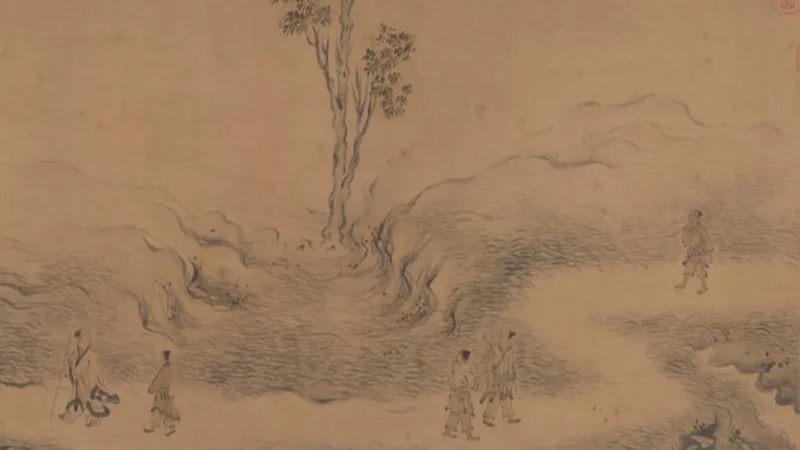
Modern offices fine people for puns. Ancient poets put them in literature. Liu Yuxi (刘禹锡) wrote Bamboo Branch Song (竹枝词): the sun rises in the east while rain falls in the west. It seems to say there is no clear weather, but “clear” hides “feeling.” The line is about love’s uncertainty. Is he mine? Does she care? The weather is a mask. The pun is the knife under the silk.
Li Bai (李白) played the same game. Green grass in Yan looks like silk; mulberry branches in Qin hang low. On the surface, it is landscape. Under it, “silk” sounds like “thought,” and “branch” sounds like “know.” He is not describing grass. He is describing longing and being known, or not known. The reader who catches it feels like a conspirator. That is the pleasure of a pun: the poem whispers to a smaller room.
Then there is the old peach-blossom line, now used for slipping away. It began in Classic of Poetry (诗经) as peach blossoms glowing bright. Later people swapped peach for escape and kept the rhythm. A three-thousand-year-old joke still works. Bats became blessings. Gourds became fortune. An upside-down blessing means blessing has arrived. Ancient puns were not dad jokes. They were survival spells with smiles.
Remix Masters
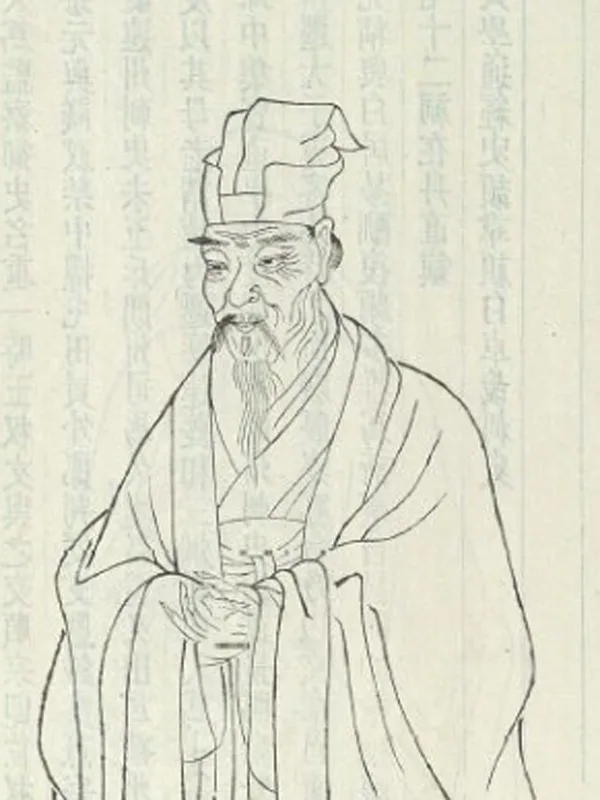
Song ci had a practice of borrowing famous lines, bending them, and making them yours. Zhou Bangyan (周邦彦) was a master. He wrote about Jinling (金陵), the old capital, in West River: Remembering Jinling (西河·金陵怀古). He took Liu Yuxi’s lines about mountains around the old capital and lonely tide beating an empty city. He rearranged them, changed the rhythm, and gave the ruins a new pulse. It was sampling before machines. He did not hide the source. He made it sing in a new key.
He also borrowed the swallows that once flew past the halls of Wang and Xie (王谢). Liu Yuxi had sent them into ordinary homes. Zhou asked what era the swallows knew. They chatted among common lanes, gossiping about rise and fall in the slanting sun. Same birds, new sorrow. Same city, new frame. This is fan fiction with better meter.
The difference is copyright. Zhou’s remix entered Three Hundred Song Ci Poems (宋词三百首). Your video remix may get a strike. The method, though, is identical: take shared memory, cut it, layer it, release it. Ancient writers did not fear the past. They treated it as clay.
So how did ancient people play with memes? They turned puns into love letters, insults into textbooks, and remixes into classics. A meme is just a shared feeling squeezed into a password. “YYDS” says I worship this. “High mountain, I look up” says the same with more breath. The form changes. The hunger does not. Next time you type the latest slang for perfection, remember a poet long ago looked at the moon and said something just as short, just as loud, and just as ready to be repeated.