Lueyang County in Hanzhong, Shaanxi, opened its 2026 Qiang New Year on the evening of 8 November with a Salang bonfire party and molten-iron fireworks, and runs the programme through 11 November.
| Dates | 8 to 11 November 2026 |
| Venue | Qiang Culture Square and Dongmen Tower Square, Lueyang County, Hanzhong, Shaanxi |
| What it is | Annual Qiang New Year programme combining street parades, inter-provincial performances and a Qiang dress show |
| Parade | 9 November, 9 a.m., from Qiang Culture Square along Dongguan Bridge and Shifeng Road to Dongmen Tower Square |
| Cross-province show | 9 November, 7.30 p.m., Dongmen Tower Square |
| Costume show | 10 November, evening, Dongmen Tower Square |
| Also running | Qiang banquet tasting, heritage market, exhibition on the national Qiang cultural ecological reserve |
Three Evenings That Carry the Programme
The opening was built on fire. A Salang bonfire party and a molten-iron fireworks display ran on the first night under a theme of ethnic unity. The iron display is a heritage performance in which metal is melted and struck so that it scatters as sparks. Both forms only work after dark, which is why the county front-loads them rather than saving them for a closing ceremony.
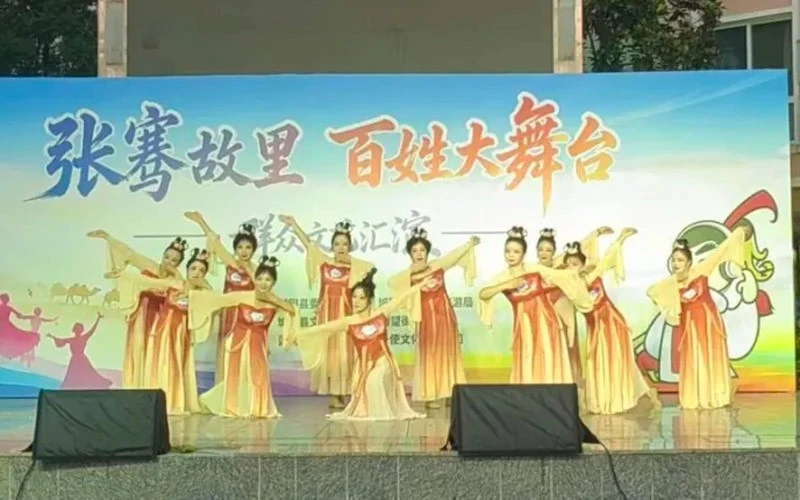
Parade day is the part most visitors come for. More than ten teams left Qiang Culture Square at nine in the morning, among them a folk shehuo troupe and a sheepskin drum team, and moved through Dongguan Bridge and the fire station square on Shifeng Road with the dancing carrying on as they walked. Drums and crowd noise ran together along the route, and shopfronts along the way emptied as staff stepped out to watch.
Once the columns reached Dongmen Tower Square, the staged programme began. Awe-inspiring waist drums, northern Shaanxi yangge and the sheepskin drum dance followed one another, and performers pulled spectators into a circle to dance to the beat. The next evening brings the inter-provincial segment: teams from northern Shaanxi, the Guanzhong plain, the Qiang areas and Longnan in Gansu share the same square at 7.30 p.m., the only slot in the four days when all four appear together.
A Costume Show That Sets Two Dress Systems Side by Side
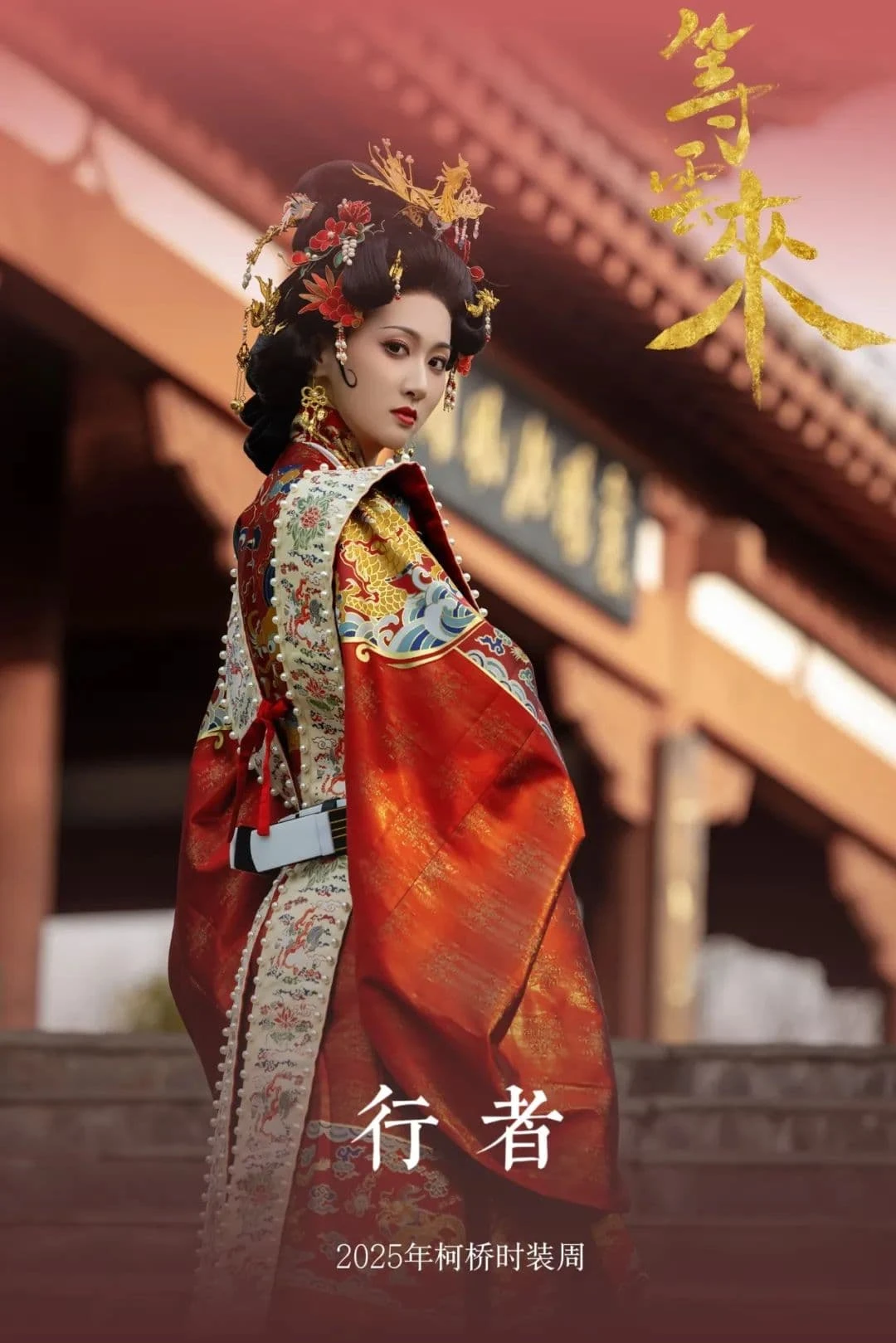
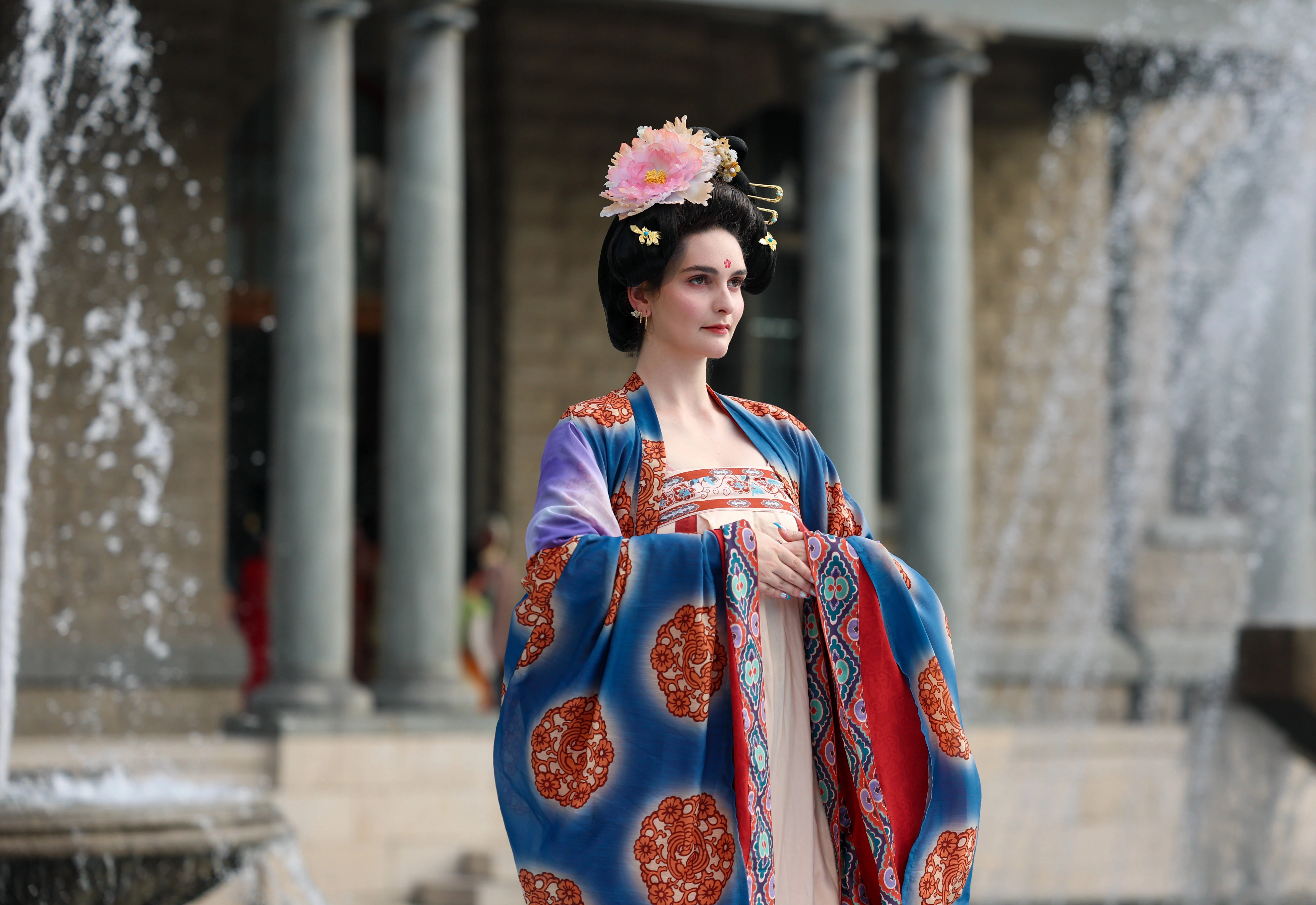
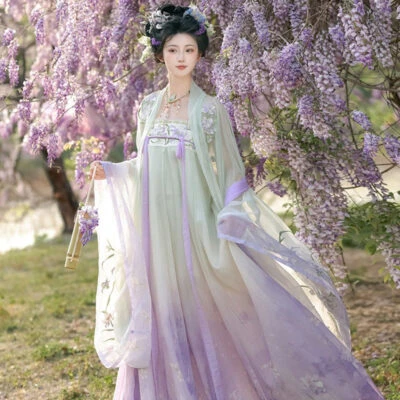
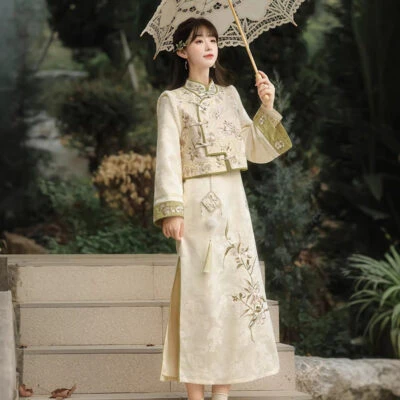
The evening of 10 November is the one written for anyone who reads clothes rather than stages. Under the title of a Qiang and Han costume show, embroidered panels and headdresses from the Qiang side meet Han forms on the same platform, and what a visitor gets is a direct comparison of traditional chinese dress from two traditions: colour first, then motif, then construction.
Where to look matters. Qiang garments carry their embroidery as worked panels laid across the body, while Han forms carry pattern inside the weave and in the cut of the collar and the overlap of the front. For visitors who have only seen types of Hanfu in photographs, the Qiang half is the unfamiliar one, and the show is arranged so that the two can be read against each other rather than one after the other. Runway lighting flattens silver thread and dark indigo at different rates, so the gap between the two systems shows up most clearly on the sleeve, where both are widest.
What Else Runs Alongside the Parades
Parades are only the visible layer. A Qiang banquet tasting, a heritage market and an exhibition on the national Qiang cultural ecological reserve run in parallel, and the reserve exhibition is the densest of the three: it sets out the protection work carried out since the reserve was established rather than displaying objects alone. Visitors can eat at the banquet tables, buy at the market stalls and then walk through the record of what has been documented, which is the closest the programme comes to explaining the culture behind the costumes.
Follow-up sessions are scheduled after the holiday, including a survey of the reserve’s results and an academic sharing meeting on cultural ecological reserves, so the county is treating the festival as a working platform rather than a four-day show. Timing decides the trip: the opening evening and the parade are fixed points, and the costume show sits on the third evening, so an itinerary built around those three nodes sees everything the programme advertises. The performances are spread over two squares rather than one venue, and the only night when out-of-province teams appear is 9 November. For a first encounter with Qiang dress and ritual, four days with a permanent exhibition at the centre is a low threshold to clear.