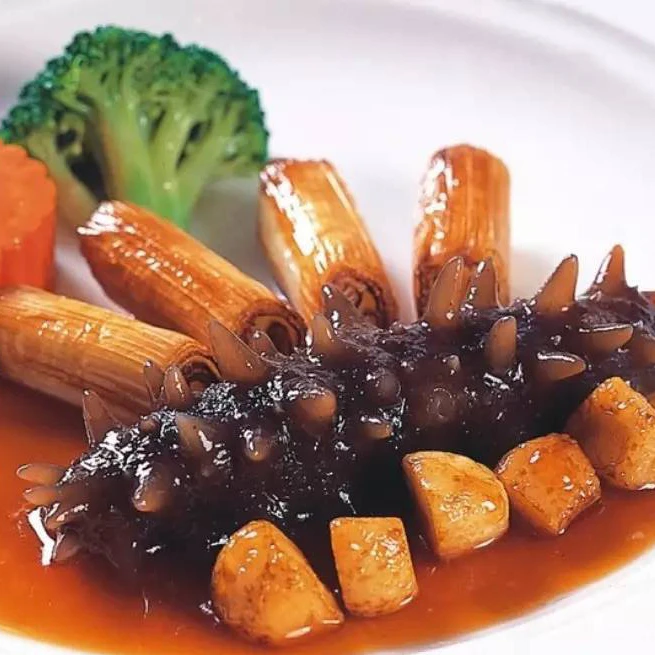
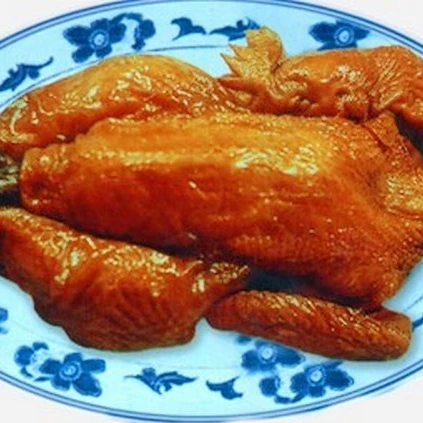
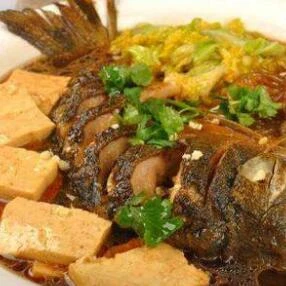
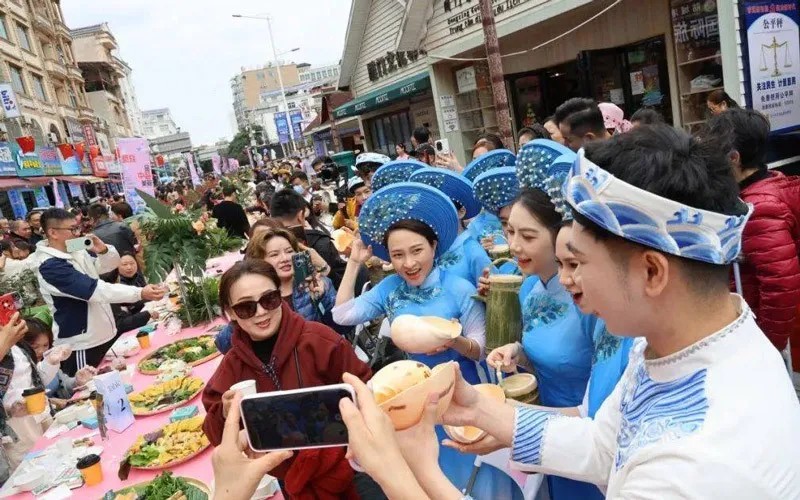
Guangxi’s restaurant and food culture week runs from 6 to 8 November 2026 in Hezhou, with the main site on the plaza outside the Hezhou Culture and Arts Centre. Fourteen prefecture-level cities bring their regional cooking onto one ground, and 50 million yuan of dining, ticket, retail and e-commerce coupons are released alongside the market.
| Dates | 6 to 8 November 2026 |
|---|---|
| Venue | Hezhou, Guangxi; main site on the plaza at the Hezhou Culture and Arts Centre |
| What it is | The 2026 Guangxi restaurant and food culture week, one stop in the Ministry of Commerce’s Chinese Food Carnival series, organised on a 1+1+8+14+N structure |
| Hosts | Guangxi’s commerce department, culture and tourism department and the Hezhou municipal government, with the city’s commerce bureau and culture, radio, television and tourism bureau running it |
| Four zones | Fourteen Flavours of Guangxi, Noodle Rhymes from Eight Directions, One Pestle a Hundred Flavours, and A Hundred Flavours from Eight Directions |
| Local list | Hezhou’s Ten Must-Tastes, including Nanxiang duck, Huangtian braised pork belly, Hezhou herbal oil tea, Gonghui sour beef intestine, Mafeng cold jelly and Zhongshan glutinous rice cake |
| Coupons | 50 million yuan released by the regional commerce department in early November, covering dining, ticket stubs, retail and e-commerce |
Four zones cut by the way people eat
The main site did not arrange one stall per city. It split the province by manner of eating instead. Fourteen Flavours of Guangxi gathers signature dishes from every part of the region and answers the question of what Guangxi cooking actually is. Noodle Rhymes from Eight Directions concentrates on the three bowls of rice noodles that the province treats as a signature. One Pestle a Hundred Flavours puts oil tea demonstration and tasting in one tent, so visitors can drink what they have just pounded. A Hundred Flavours from Eight Directions opens the floor to snacks from across the country, and a catering service robot makes its debut in that zone.
Hezhou’s own table stands apart as a named list. Nanxiang duck, Huangtian braised pork belly, Hezhou herbal oil tea, Gonghui sour beef intestine, Mafeng cold jelly and Zhongshan glutinous rice cake make up the Ten Must-Tastes. Between them they cover the lines the city promotes: hill-country livestock, Hakka steaming, oil tea, and snacks built on rice. That combination is also the evidence behind the longevity and wellness label Hezhou markets itself with.
Four supporting programmes, and a trade fair underneath
Four side programmes run around the eating. A Hezhou longevity food exchange releases a food handbook and a printed food map so that visitors can follow the list on foot. A South China F3 session on seeking roots in walled houses puts Guangxi, Guangdong and Hainan at one table for a cross-regional reading of Hakka cooking; the nickname is local shorthand for the three southern provinces. An oil tea artisans’ contest turns technique into a scored event, and a night consumption season strings night tours, night food, night shopping and night entertainment into one route.
Running in parallel is the launch of the 2026 Guangxi quality e-commerce hundred-day carnival. The commerce department, the Hezhou government, industry associations and the major platforms used the same stage to release food tourism routes, catering industry results, brand development plans and an industry report. The intention is written into the official material: to carry local cooking out of Guangxi and across the country. In practice the week doubles as a matchmaking floor where producers meet buyers and platforms.
Why oil tea gets a zone of its own
In the mountains where Guangxi, Guizhou and Hunan meet, oil tea starts a meal rather than accompanying one. Tea leaves go into a pot with ginger and garlic and are pounded until they release their liquor, water is added and brought to a boil, the liquid is strained, and puffed rice, peanuts, scallion and cracklings go on top. The first mouthful is bitter and the second turns sweet, which is why locals call it Chinese coffee. Everything depends on the pounding: leaf quantity, the ginger and garlic ratio, force and duration decide whether the brew finishes astringent or mellow, and no standard recipe exists.
The noodle zone follows the same reasoning. Rice noodles became a provincial symbol because the province turned rice into a full chain, from the density of the slurry and the thickness of each steamed sheet to the broth and the toppings, every step capable of being localised. A bowl costs little and sells repeatedly, which makes it a usable city brand. That is the real function of a week like this one: three days of market, plus an official and industry pass over the question of which few things outsiders should be told to remember.