Shenzhen’s Gankeng Ancient Town drew close to 200,000 visits across the National Day holiday, Shenzhen Evening News reported on October 12. The Hakka village in Longgang District ran the week under the theme “Elegant Gankeng Rises in Guochao,” threading Hanfu aesthetics, intangible-heritage performances and a farm-side night programme through its old lanes as part of the OCT Group’s tourism carnival. The town also introduced an interactive AI digital-human experience for the first time, an experiment its operator describes as the latest step in a broader “AI plus scenic area” model.
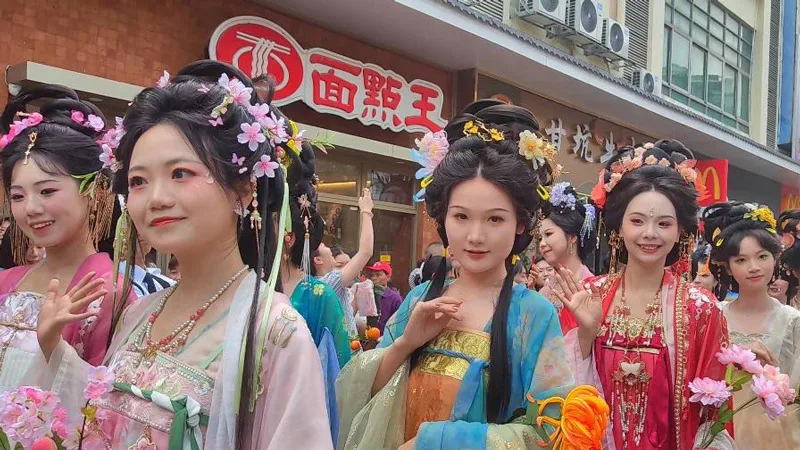
Rites and a Four-Dynasty Hanfu Show
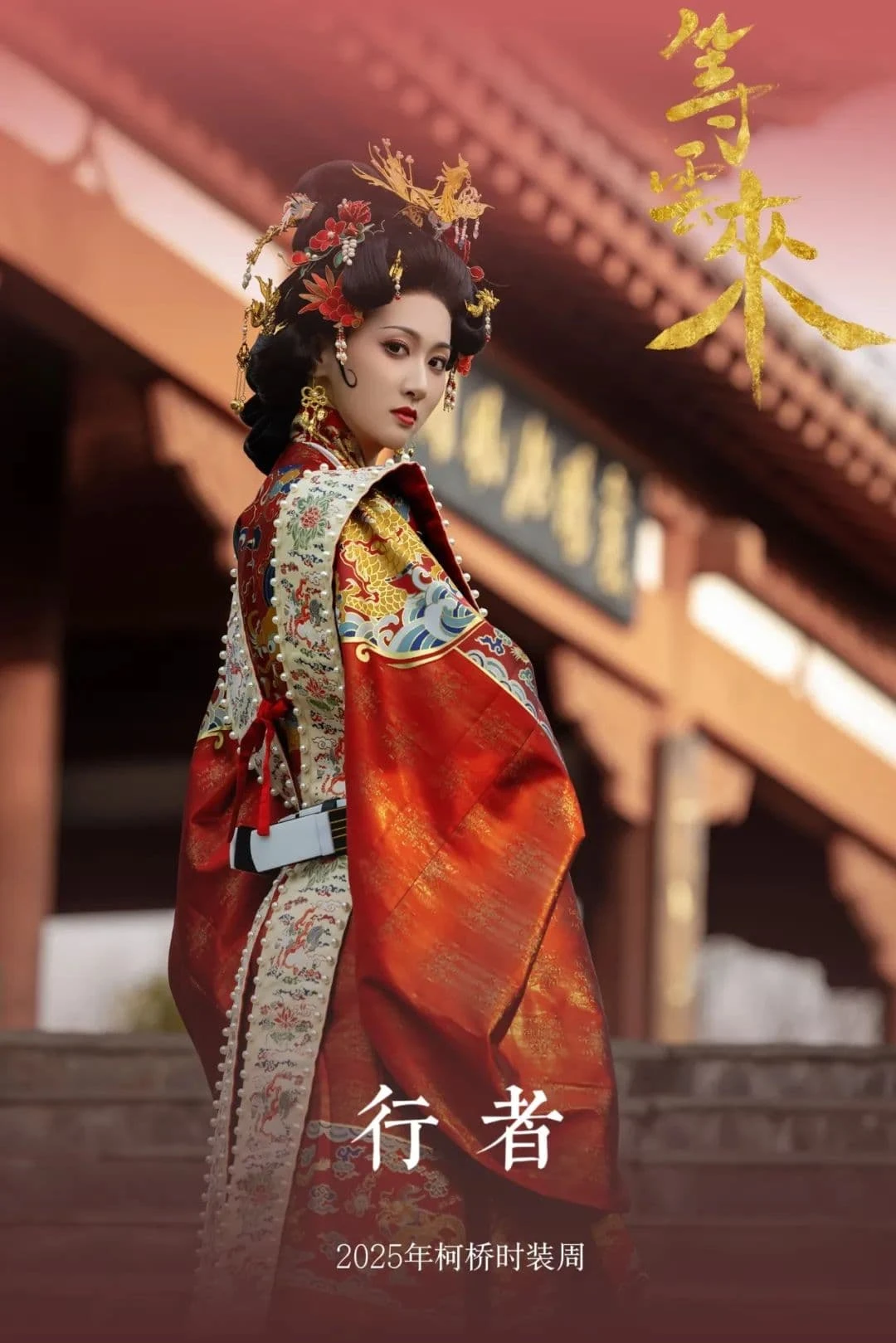
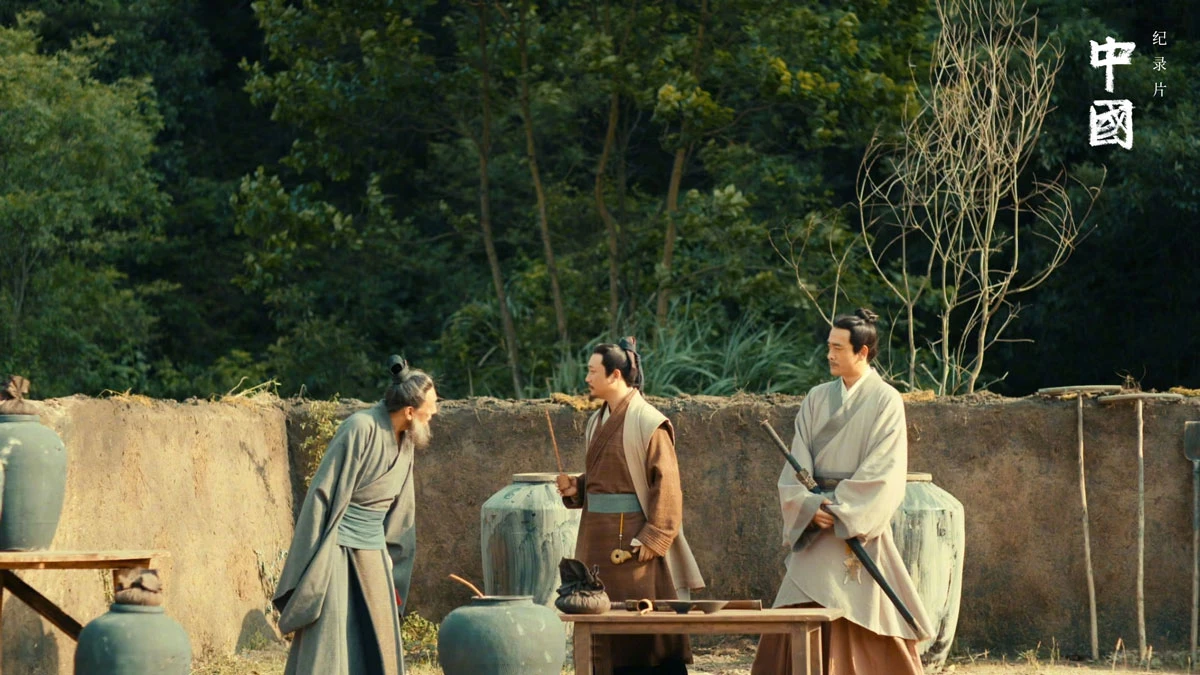
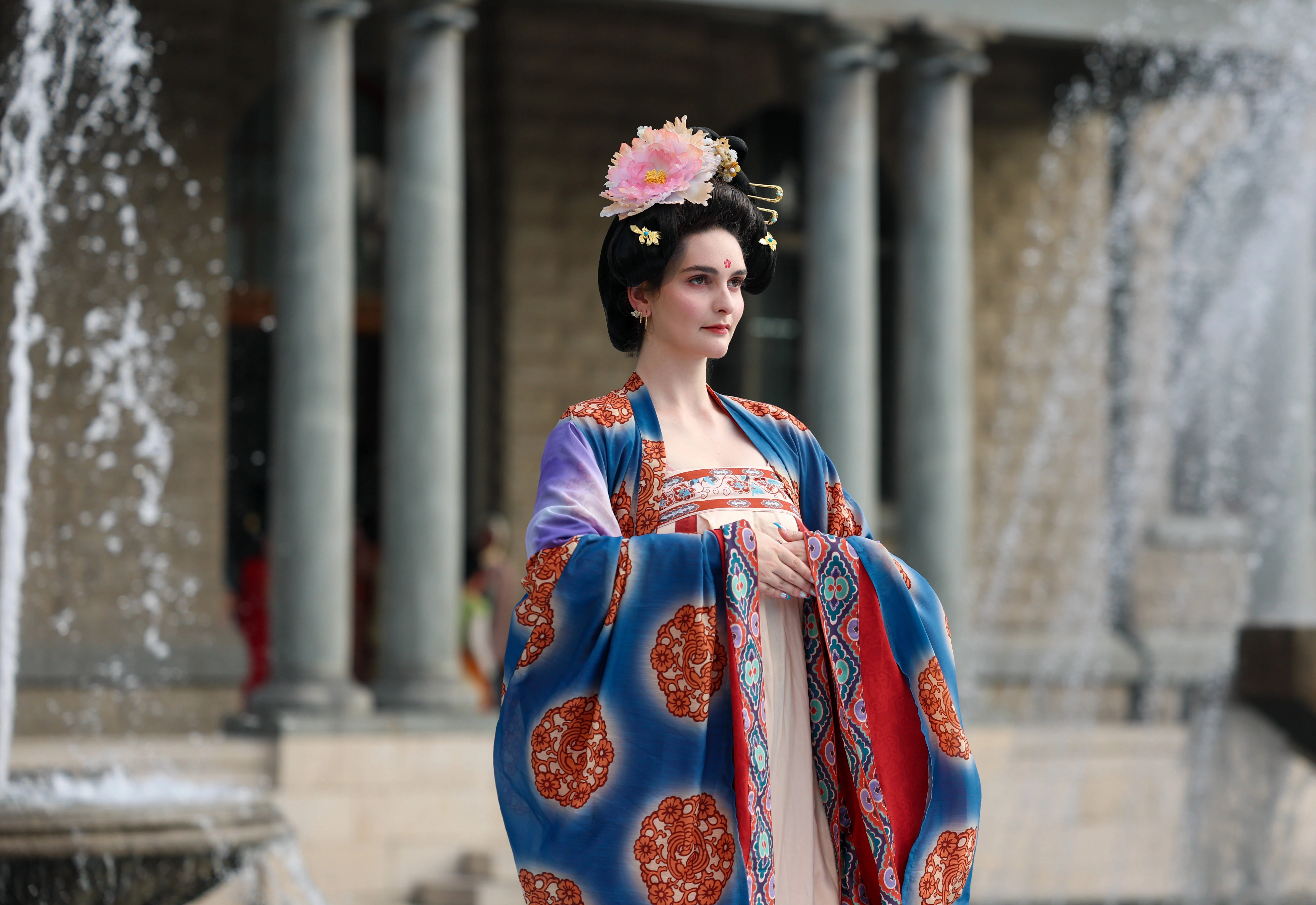
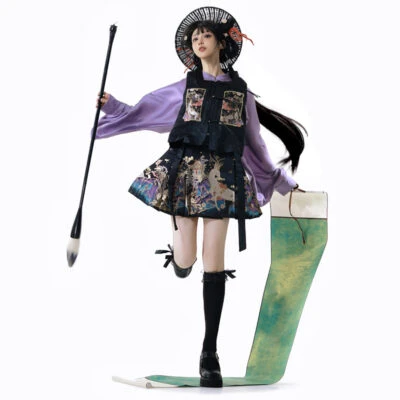
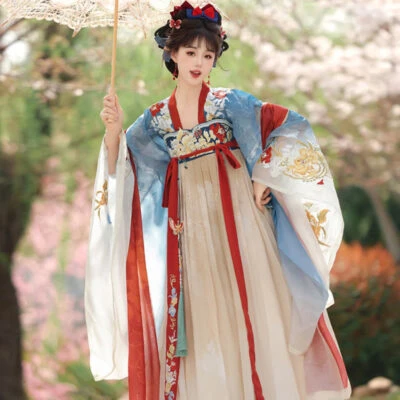
The holiday opened on October 1 at the town’s watchtower plaza, where a ritual experience class taught visitors the wanfu salute and the bow salute. Participants bowed, offered blessings for the anniversary and wrote holiday greetings while etiquette instructors walked them through each gesture. In the same square, the “Elegant Gankeng Hanfu Dynasty Show” took the stage on a four-dynasty thread, moving from Han through Tang and Song to Ming costume and tracing the outlines of Chinese dress across more than a thousand years.
Along the main street’s archway plaza, an “Ancient Sports, Childlike Revival” games area stayed open all day for visitors of every age, with movable-type printing, the Luban lock and the Huarong Pass puzzle set out for hands-on play. A diabolo show, listed among the town’s intangible-heritage acts, ran several slots a day; performers sent spinning spools whirling and whistling, then taught the trick to anyone who wanted to try. Craft that is usually watched from a distance became something visitors could pick up.
Four AI Avatars Take the Stage
In the Zhongyi Academy at Phoenix Valley, an “AI Digital Human National Day Joy Ambassador Arena” ran from October 1 to 7 and became the holiday’s most technological draw. Four digital avatars, named Gankeng Li Bai, Longgang Shenma, Dayun Menglu and Dafen Mengsha, formed a “Longgang IP squad” and faced visitors in turn: quiz challenges, rock-paper-scissors for red envelopes and a 888-yuan cash prize that pulled long queues. Digital-human duels, rap and song-and-dance routines, plus a light comedy talk show, filled the gaps between rounds, setting the old lane’s national-style backdrop against a screen-lit stage.
Longgang District has pushed an “All in AI” strategy, and the town has been testing how artificial intelligence can meet cultural tourism. Organisers describe the arena as the country’s first benchmark for a scenic-area AI digital-IP programme, following earlier runs around New Year and May Day. According to the operator, the new formats helped lift secondary spending inside the site by more than 15 percent year on year, while visitor participation and length of stay both rose noticeably.
Iron Fire and Nighttime Crowds
After dark, the farm area took over with the “Gankeng Autumn Splendor Rites”: costumed stewards strolled the paths in character, a lawn band played, and a run of folk acts followed in sequence, among them a water slackline, molten-iron fireworks, a fire pot, a “spring mountain” dance and a bamboo-raft scene. Sprayed molten iron scattered like golden rain, and a water-flight stunt traded the stage with the dancers, carrying the evening toward its close and drawing out spending after sunset.
State broadcaster CCTV-13 gave the town a further airing when its “24 Hours” programme carried a holiday special titled “Enjoying the National Day Holiday, Feeling a Vibrant China: Guangdong Shenzhen, APEC ‘China Year’ Greets Guests from Every Direction,” which turned its lens on Shenzhen’s holiday consumption and festival mood. From the lanes’ diabolos to the iron flowers overhead, and from the farm programme to the national broadcast, Gankeng framed itself as an old village carrying a new national-style voice, showing a wider audience how a city’s tourism market and a Hakka settlement’s heritage can travel together.