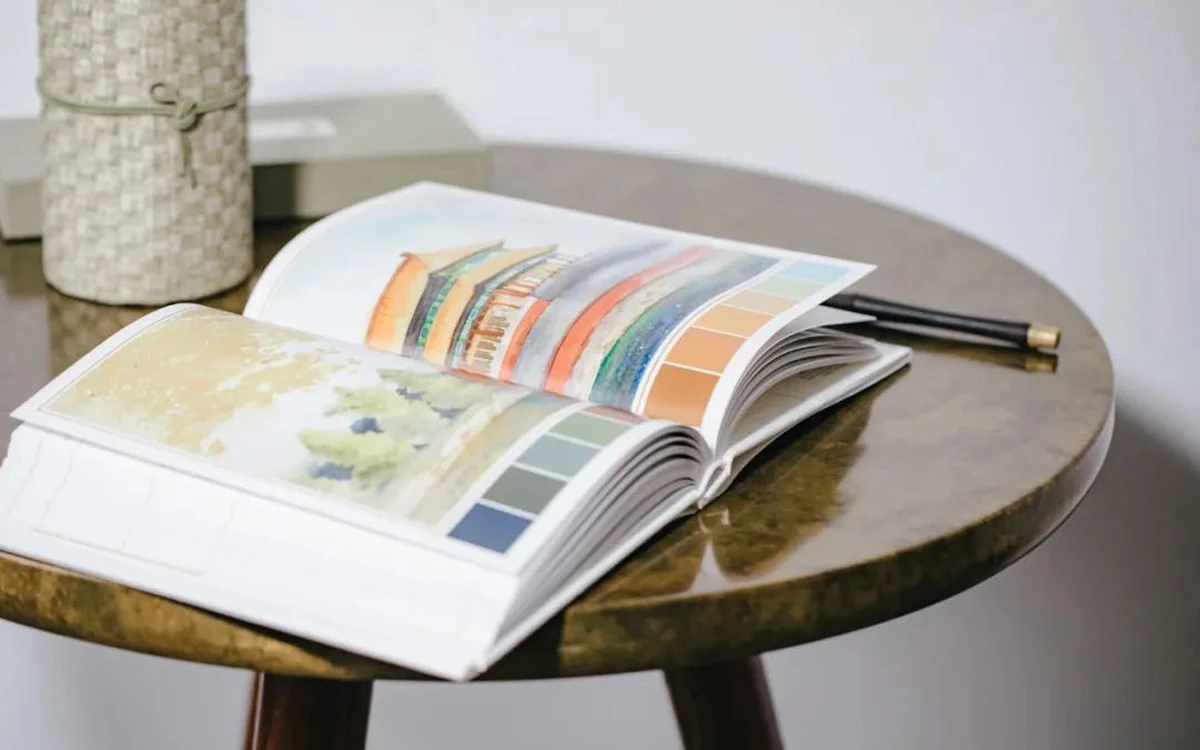
Traditional Chinese colors come from nature and from the imagination of the ancient Chinese civilization. Traditional Chinese colors pursue the color concept of giving colors according to types and conveying consciousness through colors. In ancient times in China, there are positive colors and inter colors, with the distinction of respect, and lowly; righteous, and evil. Positive
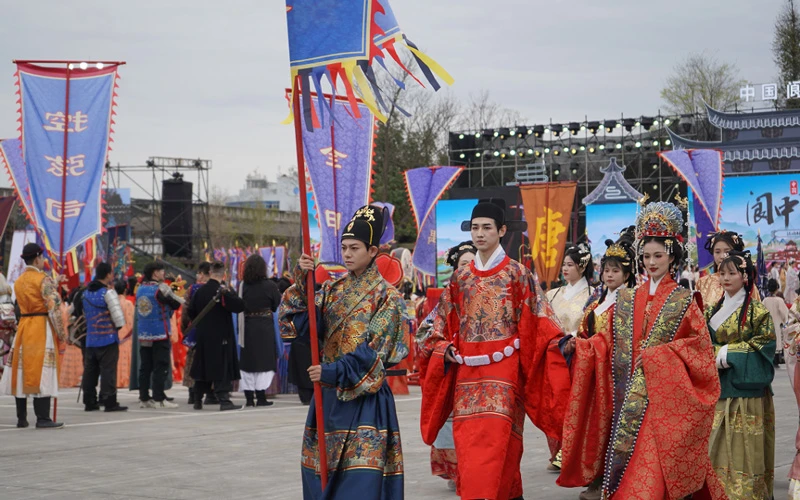
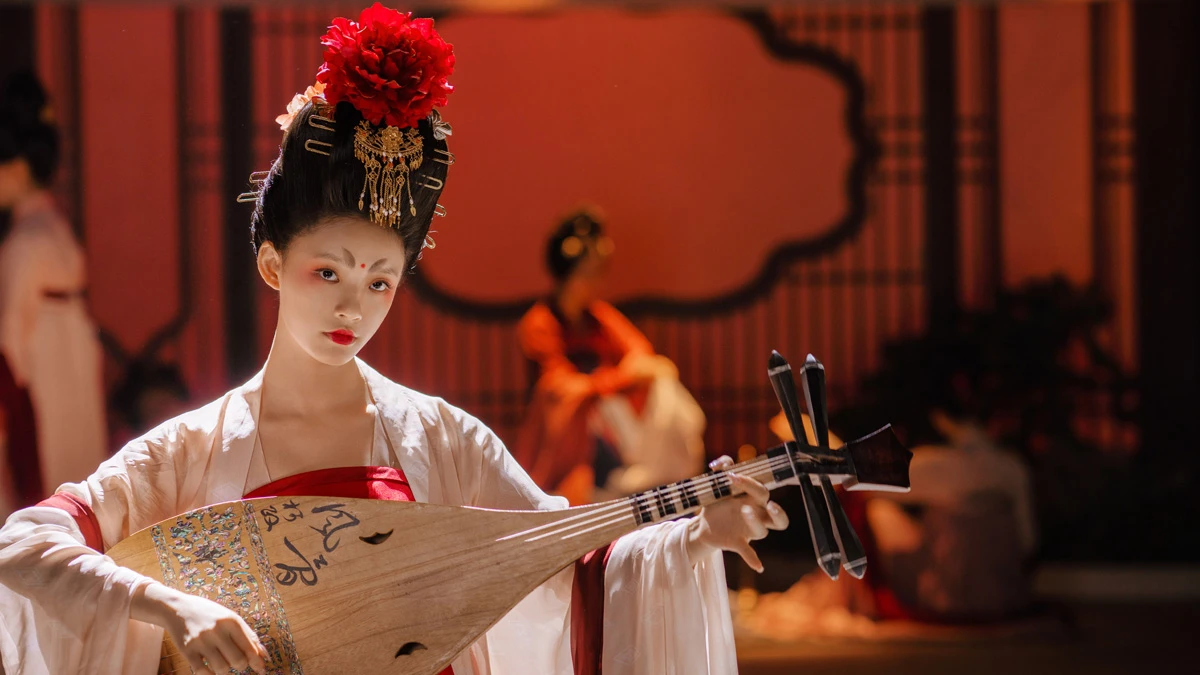
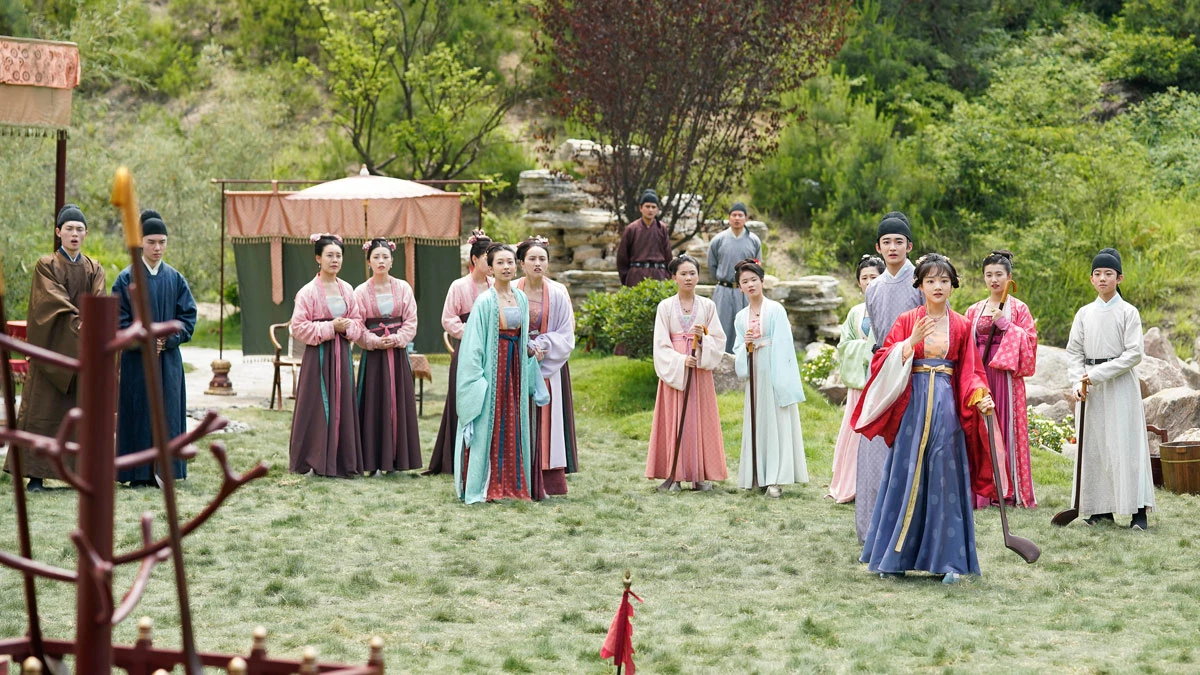
The first Chinese National Costume Exhibition and Sichuan-Langzhong Hanfu Festival were successfully held in the ancient city of Langzhong, leaving wonderful memories of Hanfu in this thousand-year-old city! With Hanfu as the theme and intangible cultural heritage as the core, this event contains more than 40 activities such as costume square show of each dynasty,
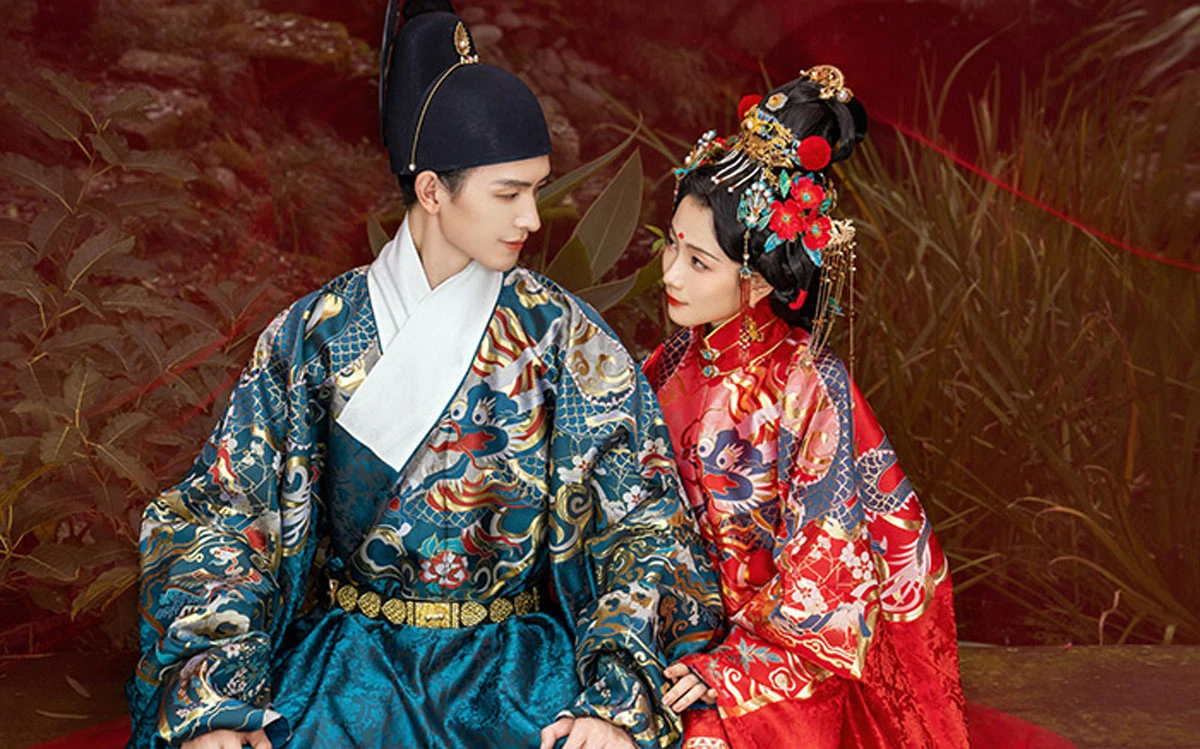
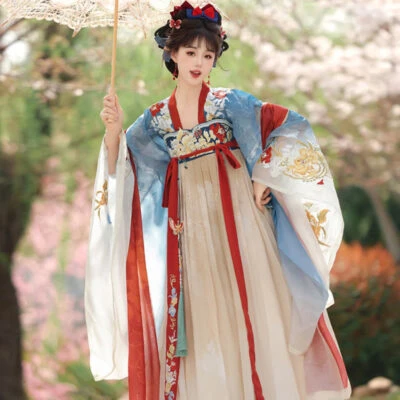
China is a land of breathtaking natural landscapes, rich cultural heritage, and vibrant artistic traditions. Among the many facets of Chinese art and culture, the use of color stands out as a particularly distinctive and enduring feature. From the bold reds and golds of imperial palaces to the serene blues and greens of ancient landscapes,
The casual style hanfu with a grape print is inspired by the classical Chinese poetry of the Tang Dynasty, which often referenced grapes as a symbol of abundance and prosperity.
Item Includes: 2-Piece Set / 1x shirt, 1x wrap skirt
Please note that the items do not include the accessories and jewelry shown in the model picture, such as headdress, necklace, fan, belt, etc.
Measurement of the clothes (S/M/L):
Shirt Chest: 120/125/130CM
Shirt Length: 61/63/65CM
Skirt Waist: 100/105/110CM
Skirt Length: 95/100/105CM
To fit Height: 160/165/170CM
*Note: The unit is CM, 1 inch = 2.54 cm; Please make sure the product's measurements will fit your daily wear size, or view the complete Size Guide Chart to get more help.
Material: Polyester, Spandex
Recommend Hand-wash with your favorite mild detergent; Cold or warm water, maximum temperature 40°C. When washed, shake off any excess water and let them air dry. (Alternate: washing machine - put clothes into a soft mesh wash bag and run with gentle cycle).
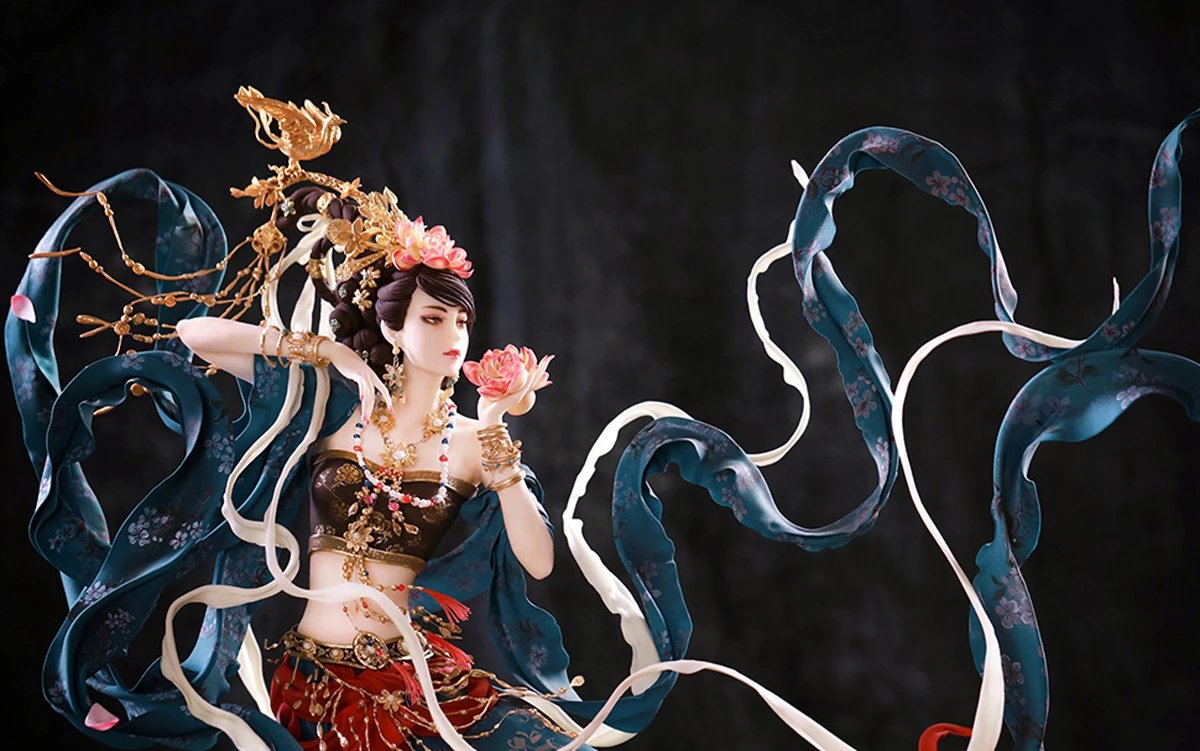
Fondant is the icing used to decorate or sculpt cakes and pastries. And the main character in this article, Zhou Yi, has reative incorporated traditional Chinese style beauty and hanfu into his fondant cakes. Since he started using fondant to make Chinese-style dolls, the controversy for Zhou Yi has never stopped, but for Zhou Yi,
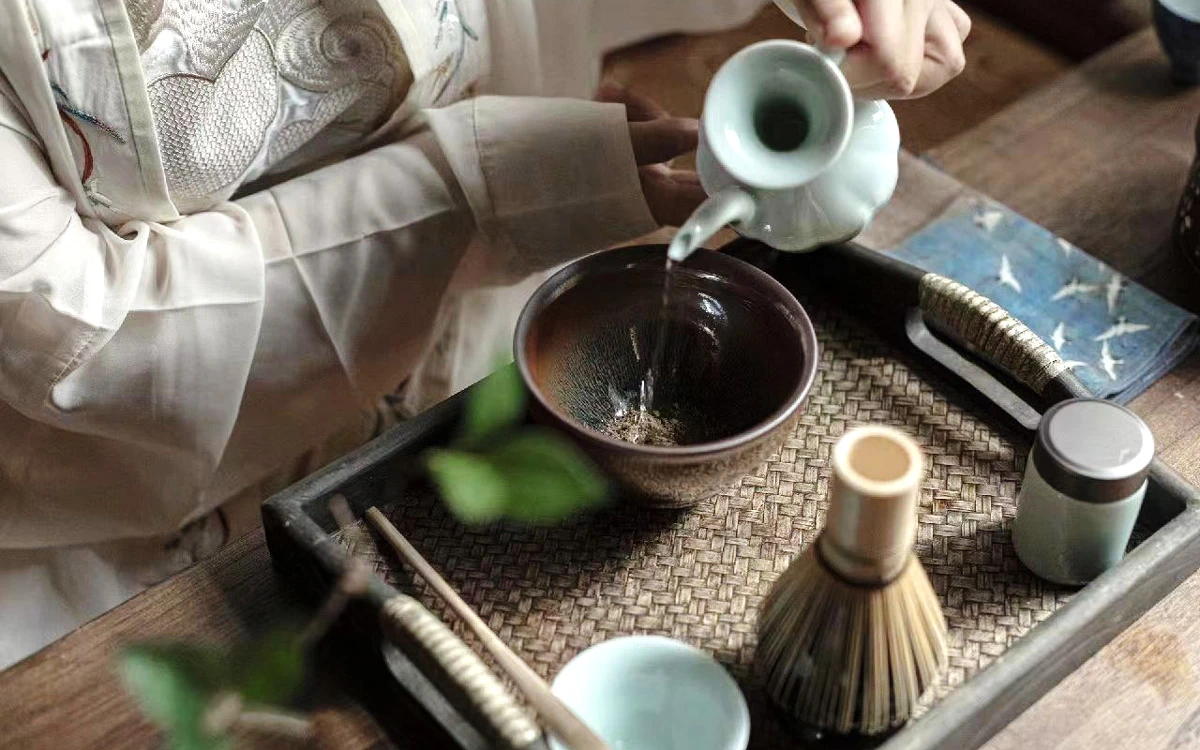
Tea set and tea-drinking are tightly connected. Many historical records and materials have proved that tea-drinking hasn’t appeared until the turn of Qin Dynasty and Han Dynasty. Chinese tea culture sprouted during the Wei and Jin Dynasties, during which the usages of tea existed in various ways, including food, medication, beverages, and so on. Among
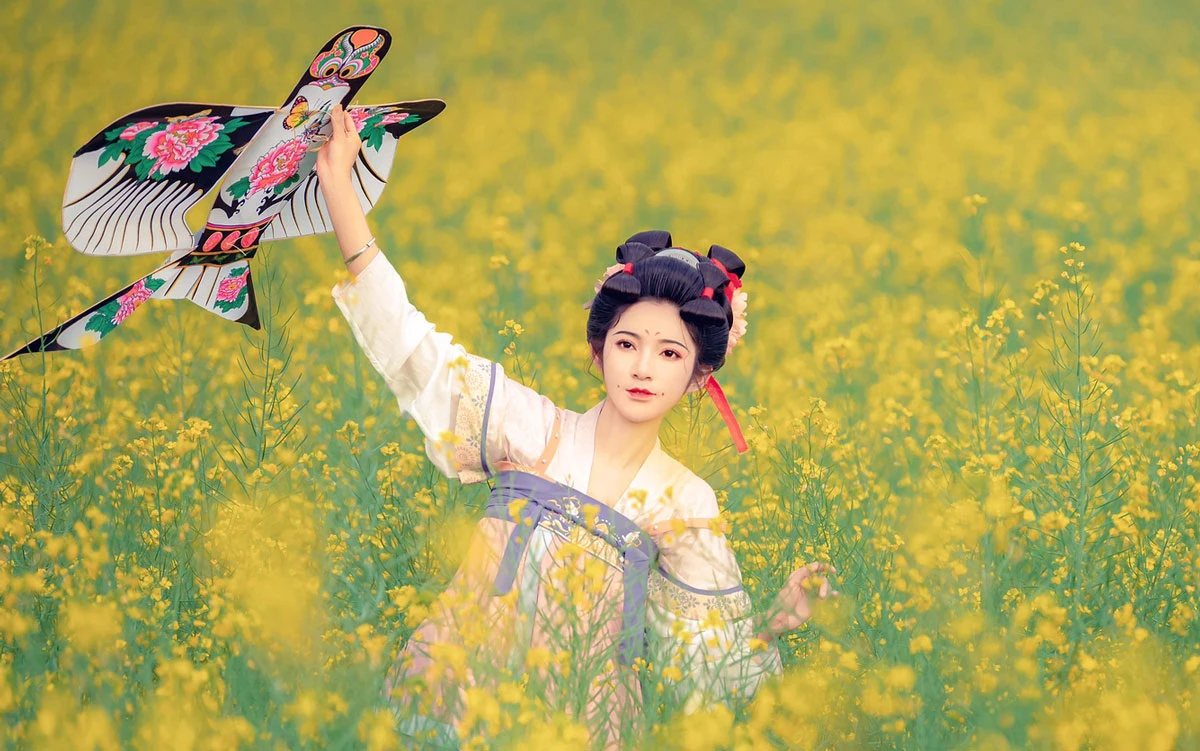
As the chill of winter melts away, spring brings with it a sense of rejuvenation and new beginnings. In ancient China, this feeling was often celebrated through the tradition of spring excursions. For many, the new season signaled a time for renewal, rejuvenation, and adventure. While modern-day excursions may look vastly different, there are still
For the longest time now, the Chinese hanfu has been worn as a show of pride in culture and Chinese history and heritage. It is more of an identity that has been very significant from one era to another. In modern society, this garment has still appealed, not just to the Chinese people but to
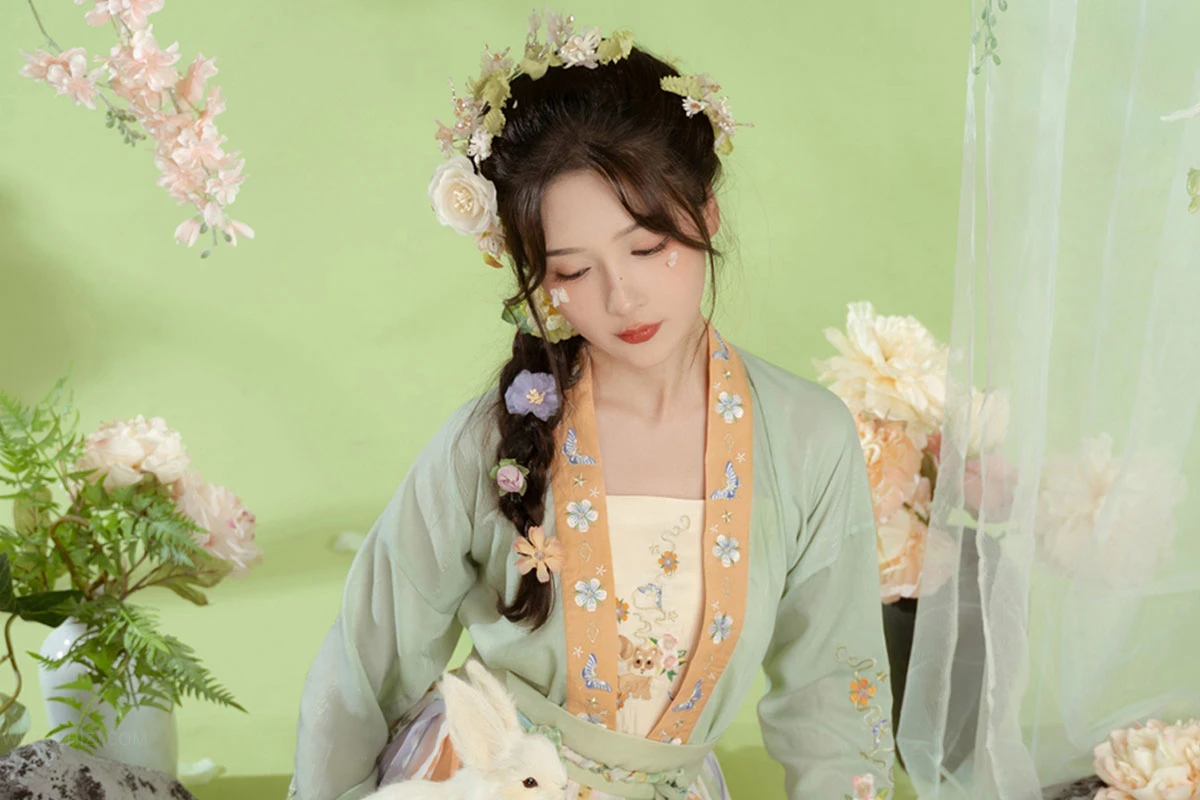
In ancient China, women’s headwear was very gorgeous, and in addition to gold and silver jewelry, beautiful flowers were often worn as accessories. In the Song Dynasty, from the court down to the folk, both men and women loved flower hairpins. In this article, let’s explore the history of traditional Chinese flower hairpins. Origin
As an objective visual aesthetic element, the color in nature has a stable aesthetic meaning as the cognitive ability of the aesthetic subject improves and the aesthetic interest accumulates. Human cognition of the objective color world is the sublimation of people from material cognition to spiritual cognition, so color has strong psychological properties and emotional