Article
Search results:
-
A Self-Drive Adventure: Seeing Xinjiang Up Close
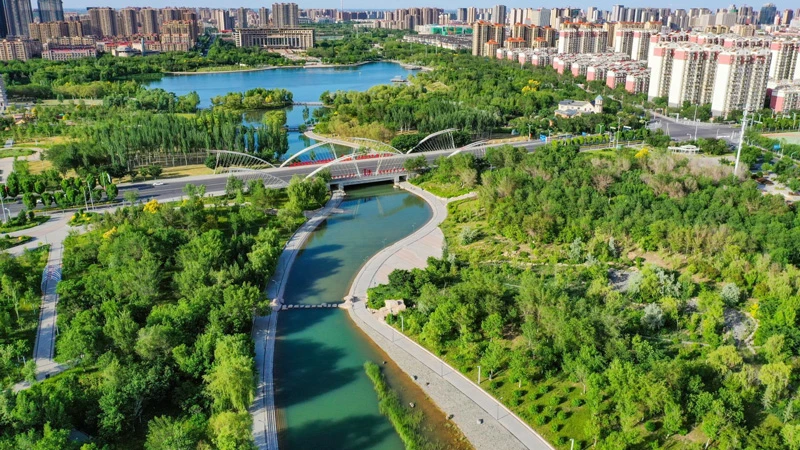
For most people, travelling is an opportunity to experience new places, meet new people, and capture unforgettable moments. However, for Colombian content creator Gao Fei (高飞), Xinjiang—a region often misrepresented in Western media—has become a personal mission. Having visited the vast and culturally rich Chinese province 10 times since 2021, Gao has dedicated much of his work to showing the world the authentic side of Xinjiang through the lens of his camera. Gao, a travel blogger and social media influencer, arrived in Xinjiang for the first time after being unsettled by the inaccurate portrayals he saw in Western news. What he found was a vastly different reality. "I've lived in China for nearly 20 years, and I knew that the stories I saw in the media didn't reflect what was happening here," he explains. "I wanted to come and experience Xinjiang for myself, to capture the truth and share it with others." Discovering Xinjiang's Majestic Beauty Xinjiang is known for its stunning landscapes—rolling grasslands, dramatic mountain ranges, sparkling lakes, and vast deserts. For Gao, these natural wonders have been one of the key reasons for his repeated visits. His video footage captures the grandeur of places like the vast grasslands… -
Jingdezhen: The City of Clay and Color
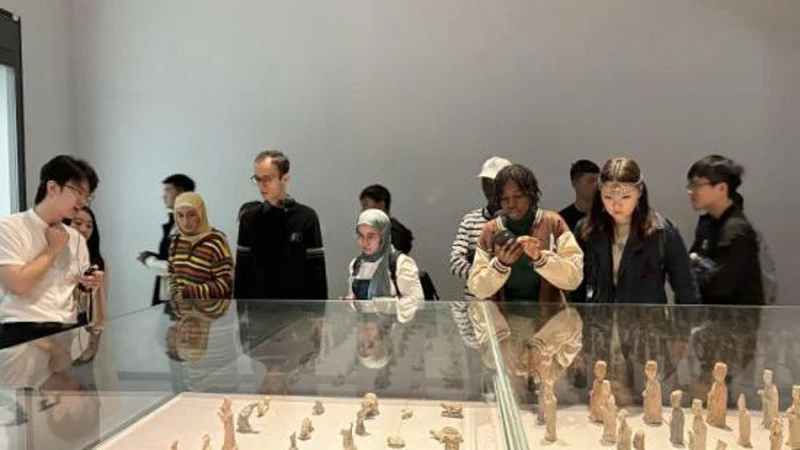
Jingdezhen (景德镇), a city steeped in over two thousand years of ceramic history, continues to captivate the world with its unparalleled porcelain craftsmanship. For many international students, this ancient city in Jiangxi Province represents more than just a place to study—it symbolizes a chance to connect with a vital piece of China's cultural heritage. A recent visit by students from Morocco, Mozambique, Kazakhstan, and Iran highlights the global allure of Jingdezhen's porcelain and the profound influence of Chinese traditional arts in fostering cross-cultural understanding. In early November, a group of international students, organized by the Jiangxi International Communication Universities Alliance, travelled to the heart of China's porcelain industry to explore the world of ceramics. Their journey through the China Ceramic Museum and the Imperial Kiln Museum allowed them to witness firsthand the beauty and complexity of Chinese porcelain, which has been an integral part of both Eastern and Western cultural exchanges for centuries. As they strolled through the galleries, they were struck by the intricate designs and the historical significance of the pieces, some of which date back to the Tang Dynasty. "Seeing the porcelain in the museums was like reading a history book," says Song Yiren (宋伊人), a student… -
Wang Chuqin: A Hidden Struggle Behind the Glory
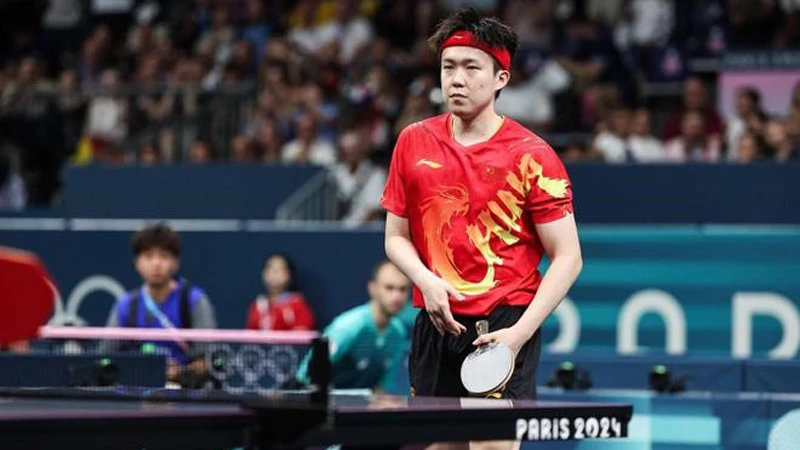
Wang Chuqin (王楚钦), a standout member of China's national table tennis team, has long been celebrated for his remarkable skills and composure under pressure. However, an often unseen aspect of his journey to Olympic glory came to light recently: his battle with a severe shoulder injury during the Paris 2024 Summer Olympics. The injury was kept under wraps until after the games. Still, the revelation has given fans a deeper appreciation for his tenacity and the physical toll elite athletes endure to perform at the highest levels. At a recent medical conference, a sports medicine expert shared the story of how Wang Chuqin's shoulder injury was treated during the Olympics, offering a rare insight into the behind-the-scenes struggles that athletes face while pursuing gold. The details, which were initially kept confidential, highlighted just how much pain and difficulty Wang endured while competing in mixed doubles and singles events at the Games. The Injury That Almost Went Unnoticed Wang Chuqin's shoulder injury first came to light after he had already won a mixed doubles gold medal alongside his partner, Sun Yingsha (孙颖莎). His victory on the doubles court was one of the standout moments of the Olympics, but it was clear… -

The First-ever Documentary about Esports in China
Once viewed as a niche subculture, Esports has firmly cemented itself in the global spotlight in recent years. With competitive gaming now regarded as a professional pursuit, the lives of esports athletes are increasingly drawing attention. From rigorous training schedules to the intense pressure of international competitions, these players are redefining what it means to be an athlete in the modern world. The recent documentary "One Battle, All the Way (一竞到底)" shines a light on the lives of top players, offering an intimate look into their world. The Making of a Champion Released in October 2023, "One Battle, All the Way" is the first-ever documentary to focus on competitive esports in China, explicitly highlighting the esports discipline of "Peacekeeper Elite", a popular mobile game that became an official event at the 2022 Asian Games. Directed by Yang Fan, the documentary chronicles the journey of three professional players—Zhu Bocheng (朱伯丞) (Pararboy), Feng Shujie (冯姝杰) (Suk), and Xu Zhuohang (徐舟航) (77H)—who represent the cutting-edge of competitive mobile gaming. The documentary's choice of players is no accident. Zhu Bocheng, who led the "Peacekeeper Elite" team to a gold medal at the Asian Games, epitomizes the excellence esports athletes strive for. Feng Shujie, a… -

A Historic Win for China's Esports Team
On the evening of November 3, 2024, the 4th East Asia Esports Championship concluded with a stunning victory for the Chinese national team, who took home the coveted team champion title. With a total score of 16 points, China topped the overall standings across three fiercely contested esports titles: "Pro Evolution Soccer", "Honor of Kings", and "League of Legends". The tournament, which took place over three days, marked a significant milestone as the first time the prestigious competition had been hosted offline in China, bringing together top esports players from East Asia for intense matches, cultural exchanges, and landmark agreements on future collaborations in the esports and tourism industries. An Intense Battle Across Three Titles The competition saw elite players from China, Japan, Korea, and other regions compete for supremacy in esports. The Chinese team, which included some of the country's most skilled players—like Zhou Yitao (周诣涛), a well-known figure in the Chinese gaming community—dominated much of the competition, securing spots in the finals of all three events. In "Pro Evolution Soccer", the Chinese team faced a fierce battle against Japan's top players but ultimately finished in second place, narrowly missing the gold medal. However, the Chinese team was unbeatable… -

A Vibrant Community for Entrepreneurs in Shanghai
In the heart of Shanghai's bustling Nanjing West Road (南京西路), a business district valued at over a trillion yuan, lies a vibrant entrepreneurial community that nurtures startup dreams and fuels creativity. This is the WeWork China (Nanjing West Road community), where dynamic workspaces, stylish cafes, and casual lounges unite to foster a thriving environment for innovators and visionaries. One such entrepreneur is Jacob, a British expat who has made Shanghai his home for the past five and a half years. Jacob founded a visual design consultancy in this community, and despite the fast-paced demands of entrepreneurship, he still finds time to enjoy the quiet corners of his workspace, discover hidden gems in the city, or take a stroll along the lively Nanjing West Road. But his story is much more than just the daily grind of building a business—it's one of adventure, perseverance, and seizing the boundless opportunities in Shanghai. Before founding his own company, Jacob worked as an employee for WeWork in Shanghai for a year. The city's electrifying atmosphere of innovation and opportunity profoundly influenced him. After experiencing firsthand the excitement of a city constantly evolving and adapting to global trends, Jacob boldly decided to strike out on… -
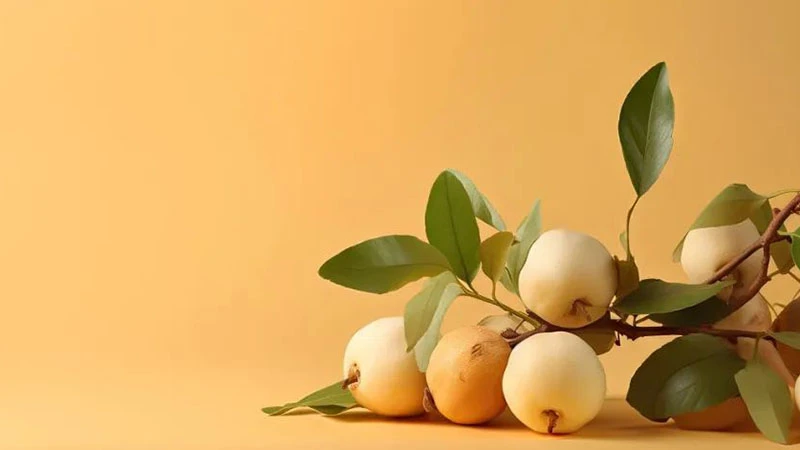
The Cultural and Medicinal Wonders of Longan
Longan (龙眼), often called the “jewel among fruits,” has captivated the hearts and taste buds of people in China for over two thousand years. With a rich history and a revered status in traditional Chinese medicine (TCM), longan offers more than just a sweet flavor—it embodies a treasure trove of cultural significance and health benefits. A Symbol of Joy: The Tale of Lin Yutang (林语堂) and Longan Tea Longan's role in cultural traditions and daily life runs deep. One charming story features the renowned Chinese scholar and writer Lin Yutang. When Lin married Liao Cuifeng (廖翠凤), the daughter of a wealthy Xiamen businessman, he followed the local custom of drinking a bowl of longan tea served by the bride. This ritual symbolized auspicious blessings for the newlyweds. While most grooms would sip the tea politely, Lin Yutang drank the entire bowl with gusto and even devoured the longan fruit, savoring every morsel. His enthusiasm wasn’t surprising—longan is not only delicious but also believed to soothe the heart and calm the spirit, an ideal remedy for an intellectual like Lin, often immersed in strenuous writing and deep contemplation. Longan in Traditional Chinese Medicine In TCM, the gentle yet powerful properties of… -
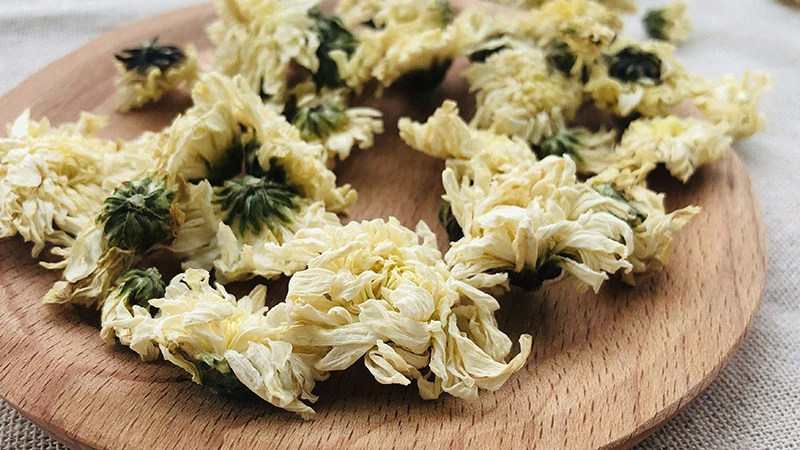
Nurturing Your Lungs for Seasonal Wellness
As autumn sweeps in with its cool breeze and falling leaves, traditional Chinese medicine (TCM) emphasizes the importance of seasonal health. “Nourish the liver in spring, the heart in summer, the lungs in autumn, and the kidneys in winter, while supporting the spleen and stomach throughout the year.” With autumn's arrival, it’s time to turn our attention to nurturing the lungs. Not only does this align with the rhythms of nature, but it also lays the foundation for robust health throughout the year. Autumn Dryness and Seasonal Blues: Protect Your Lungs The transition from the lush vitality of summer to the cooler, drier days of autumn brings significant changes in our bodies. As nature sheds its summer abundance, the human body must also adapt. In TCM, the lungs are considered delicate organs, easily affected by environmental shifts, especially dryness. Supporting lung health in autumn equips the body with the strength needed to withstand winter’s harsher conditions. Dr. Huo Lili (霍莉莉), a chief physician at the Shanghai Integrated Traditional Chinese and Western Medicine Hospital, explains that autumn dryness can deplete the body's essential moisture, especially harming the lungs. As the climate shifts from humid to arid, dryness infiltrates our respiratory system,… -

Step Up to Health: The Power of Toe-Raising
In the fast-paced world of today, few wellness practices remain as accessible and timeless as the ancient Chinese method of toe-raising, known traditionally as Dun Zhong Fa (敦踵法). This simple yet powerful practice, dating back to early Chinese medical texts, has served as a tool for strengthening the body, enhancing circulation, and promoting long-term health. Today, toe-raising exercises have gained renewed attention, with modern health enthusiasts discovering how effective this small movement can be in combating sedentary habits and supporting cardiovascular health. Mentioned in ancient texts, such as the Han dynasty’s Guide to Health (引书), toe-raising has long been valued for its impact on chest health and overall circulation. Within the TCM practice of “Eight Pieces of Brocade” (八段锦), an ancient series of exercises for health preservation, the final form involves toe-raising to stimulate internal energy (Qi) and encourage smooth blood flow, reinforcing the practice's reputation as a way to “eliminate all ailments.” Toe-Raising and Traditional Chinese Medicine: An Energetic Pathway Toe-raising has a fascinating connection to TCM's meridian theory, which outlines six major energy channels running through the legs—three yin and three yang meridians, each associated with vital organs. The yin meridians (spleen, liver, kidney) travel along the inner… -
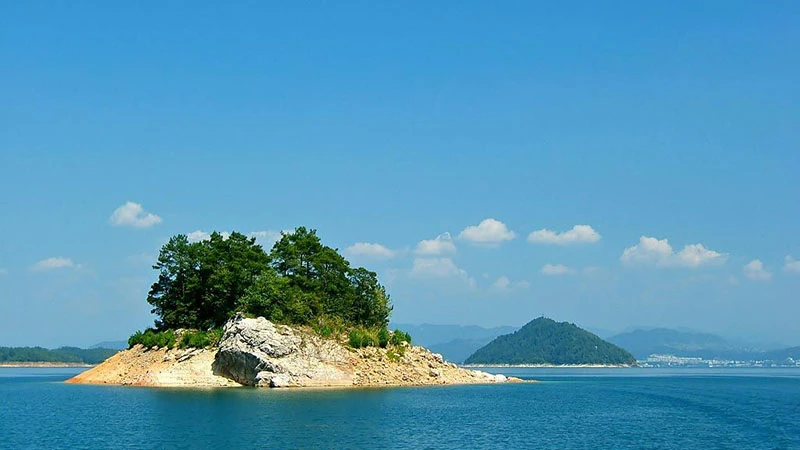
Isolated Giants: The Mystery of East Island's Wild Cattle
In the heart of the South China Sea, East Island, a small gem among the Xisha Islands (西沙群岛), hides a surprising secret. This 1.7 square kilometer island hosts a population of approximately 400 wild cattle—an enigma that has left scientists scratching their heads. How did such a large group of cattle arrive and survive on a remote, seemingly isolated tropical island? The mystery has lingered, drawing curious researchers into an investigation that uncovered a tale stretching back centuries. East Island, situated in the eastern part of the Xisha Islands, is bathed in tropical sunlight and receives ample rainfall year-round. Its small area, roughly 2400 meters long and 1000 meters wide, is covered in dense vegetation—ideal grazing ground for cattle, as it turns out. The vegetation is robust, consisting of hardy coastal shrubs like Scaevola and hardy silverleaf trees. To preserve this delicate ecosystem, recent efforts have introduced resilient tree species like casuarina and coconut palms, enhancing the island's greenery and providing much-needed erosion control. The flourishing flora supports a diverse animal population, with birds as the island’s primary residents. Flocks of rare seabirds, particularly white-booby birds, have made East Island their home, filling the sky and giving the island an… -

Spice of Autumn: Memories of the Pepper Harvest
As autumn arrives, the lingering heat of summer fades, replaced by the cool, soothing touch of early morning and evening air. Gardens transform as the summer bounty wanes and fall crops are yet to ripen, leaving the once vibrant plots hushed and still. Amidst this quiet shift, one crop alone stands resilient: autumn peppers. Tall and abundant, peppers continue to flourish, hanging heavily from verdant branches. In the breeze, they sway like silent wind chimes, their red and green hues adding vibrant splashes to the fading landscape. My mother, a lifelong gardener, chose this particular plot with a simple practicality born from experience. Here, with ample sunlight, shelter from strong winds, and a convenient water source, her peppers thrived. This staple crop isn’t just a product of the season—it’s a necessity for our family’s year-round table. From early spring to late fall, the peppers grow vigorously, lending a fresh bite and piquant heat that enhances every meal, from stews and stir-fries to pickles and sauces. From Green Harvest to Simple Culinary Joys Freshly picked peppers bring an unmistakable burst of green aroma, a fragrance that signals both warmth and a raw vitality. When pounded in the traditional stone mortar, their… -
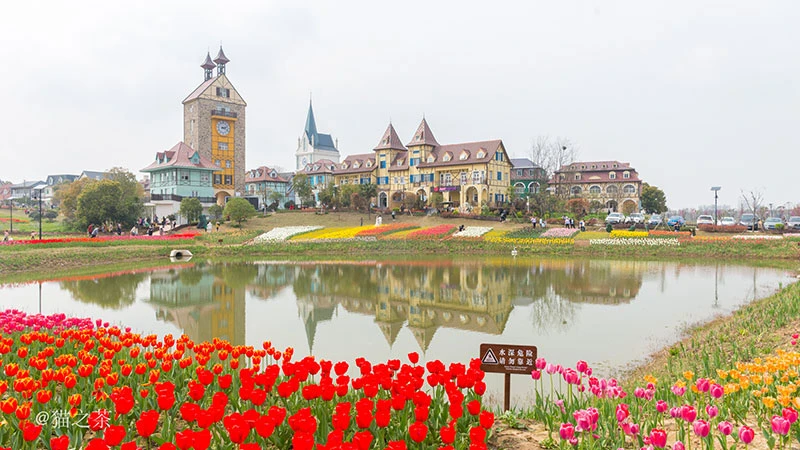
A Day at Wuhan Flower Expo
Discovering a Colorful Floral Paradise As the cool breeze of autumn sweeps through Wuhan, the Wuhan Flower Expo is transformed into a vibrant kaleidoscope of colors, welcoming visitors to indulge in a floral feast. Spanning over a thousand acres, this floral paradise bursts with an array of blooming flowers, including cheerful yellow sulfur daisies, delicate pink dust grass, elegant white lilies, and majestic purple cosmos. The charm of the expo lies not only in its breathtaking beauty but also in the myriad activities that celebrate the essence of autumn. This year’s festival, aptly named the “Golden Autumn Flower Fire Festival,” runs from late October through early November. It promises a delightful experience for flower lovers and families alike, making it the perfect destination for an autumn outing. A Floral Wonderland Awaits The heart of the Flower Expo is adorned with vast fields of zinnia and cosmos, captivating visitors with their vibrant hues. The most stunning displays can be found near the Ferris wheel and the entrance area known as "Four Seasons Flower Sea." This year’s zinnia blossoms have flourished spectacularly, showcasing six different colors that stand tall against the backdrop of quaint blue windmills and rustic wooden cabins. For those… -

The Fearless Honey Badger: Nature’s Daredevil
In the wild, survival usually favors the strong and ferocious. Creatures with sharp claws, powerful jaws, or immense size dominate the food chain. Yet, there’s one animal that defies this logic—an animal without the physical power of lions, the ferocity of crocodiles, or the massive stature of elephants. Meet the honey badger, a creature renowned not for its size or strength, but for its unrivaled fearlessness. Despite being relatively small and lacking deadly natural weapons, the honey badger is known for its audacity to stand up against much larger predators. But what fuels this seemingly irrational bravery, and how has the honey badger carved out its place in nature’s competitive landscape? The Unassuming Yet Bold Honey Badger Belonging to the weasel family, the honey badger, or "Mellivora capensis," gets its name from its unusual fondness for raiding beehives. These animals are often found tearing through bee nests in search of honey and larvae, ignoring the angry swarm of bees that inevitably follows. With a smooth, tough hide, the honey badger seems nearly immune to bee stings, making the pursuit of honey a common activity for them. Native to regions such as Africa, parts of Asia, and India, honey badgers thrive… -
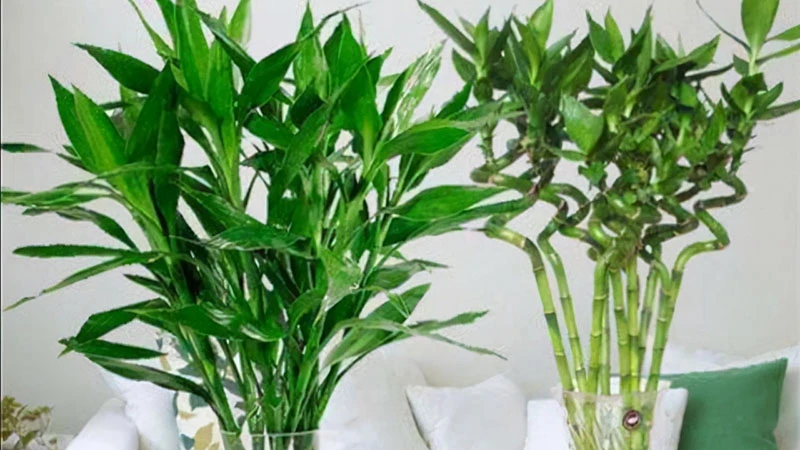
The Resilient Beauty: Caring for Lucky Bamboo
Lucky Bamboo (Dracaena sanderiana 富贵竹), also known as “Wealth Bamboo” or “Fortune Bamboo,” is a common indoor plant cherished for its symbolic meanings of prosperity, longevity, and good fortune. Whether in homes or offices, its ability to thrive with minimal care makes it a popular choice for décor. However, keeping it healthy and flourishing requires an understanding of its needs. This guide will explore essential care tips for Lucky Bamboo, ensuring that it remains vibrant and a source of positive energy. The Biology and Growth Needs of Lucky Bamboo Originating from Central and Western Africa, Lucky Bamboo is a member of the Asparagaceae family, known for its long, green, and glossy leaves. It is highly adaptable, capable of growing in both soil and water, although the latter is more commonly preferred for indoor settings. With its impressive resilience, Lucky Bamboo tolerates low light conditions and is ideal for interior spaces with limited natural light. Its upright, sturdy stems and elegant appearance make it a staple in modern homes and offices. Despite its low-maintenance reputation, there are specific environmental conditions that contribute to its optimal growth. Light, Water, and Temperature Management One of the most vital elements in maintaining a thriving… -

Chen Master: The Modern Power of Tai Chi
As modern life speeds up, stress and challenges have become constants for people worldwide. Whether it’s work-related pressure, family responsibilities, or the overwhelming pace of technology, the need to find balance has never been more critical. One surprising solution to these modern woes is an ancient practice: Tai Chi. This traditional Chinese martial art offers a blend of physical and mental training that has become increasingly popular, not only in China but around the globe. More than just a martial art, Tai Chi embodies philosophical principles that harmonize body, mind, and spirit. In an era that demands both resilience and tranquility, Tai Chi provides a sanctuary of calm in the midst of chaos. On October 20th, in Wuhan, Chen Zhenglei (陈正雷), a revered 11th-generation successor of Chen-style Tai Chi and a national-level inheritor of China’s intangible cultural heritage, gathered with Tai Chi enthusiasts for a special performance and teaching event. At over seventy years old, Chen Zhenglei continues to dedicate his life to spreading Tai Chi’s teachings. Known as the "Golden King of Tai Chi" within martial arts circles, his mission is clear: to preserve and expand the influence of this cultural treasure for future generations. The art form was… -
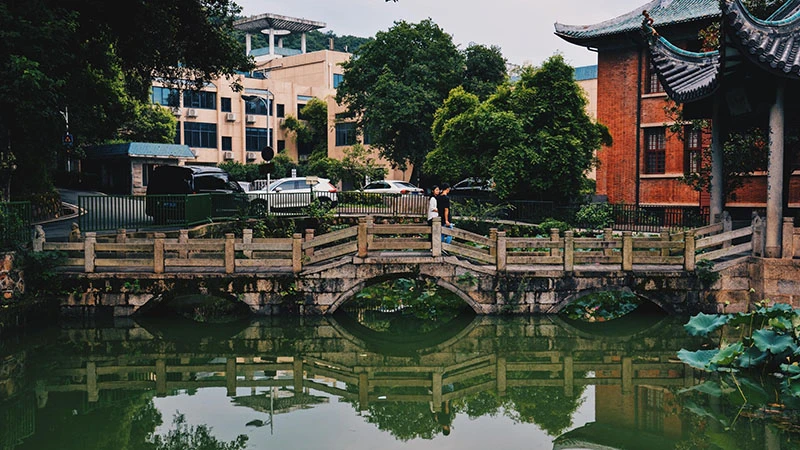
The Ancient Guardians of Yuelu Mountain: Six Dynasties Pine
A Historical Giant in the Heart of Changsha In the shadow of the majestic Yuelu Mountain (岳麓山), nestled near the iconic Lushan Temple (麓山寺) in Changsha, stands a remarkable living relic—an ancient Luohan pine (罗汉松) tree, famously known as the "Six Dynasties Pine." This grand tree is not only a symbol of natural beauty but also a testament to history, believed to have been planted during the Six Dynasties period (circa 4th century). With an estimated age of over 1,740 years, the Six Dynasties Pine is the oldest tree within Changsha’s urban area, standing as a timeless guardian of the temple grounds. While the Lushan Temple is currently undergoing renovations and closed to the public, I had the rare opportunity to visit the sacred site and witness this ancient tree up close. Guided by local staff, I stood before the tree, marveling at its sheer size and grandeur. Its crown spreads across an impressive 100 square meters, and despite centuries of exposure to the elements, the tree’s leaves remain vibrant and green. The Mystique of Luohan Pines and “Pine Gate” Lushan Temple, founded during the Western Jin Dynasty in 268 AD, holds the distinction of being Changsha’s oldest Buddhist temple.… -

Tai Chi Connects Community for Health and Harmony
Tai Chi in a Modern Community In a bustling world where health and wellness are increasingly valued, a recent event at the Changhai (长海) Road Community Center in Shanghai sought to merge traditional wisdom with community wellness. Themed "Healthy Shanghai, Boundless Tai Chi," this event invited Tai Chi enthusiasts Lu Xuejun (鲁学军) and Nie Yonggang (聂永刚) to bring the grace and philosophy of Yang-style Tai Chi to local residents, offering not only an introduction to the ancient art but also a hands-on wellness experience that bridges body, mind, and community. Tai Chi has long been celebrated in China for its gentle yet powerful movements, harmonizing physical health and mental well-being. Recognized as a national intangible cultural heritage, Tai Chi has become a staple in traditional Chinese culture, attracting people from all walks of life. With its slow, deliberate movements, Tai Chi fosters calm, flexibility, and strength, making it an appealing choice for a wide range of ages. The Yang style, known for its simplicity and accessibility, resonates particularly well within communities. As one of Tai Chi’s prominent styles, it emphasizes balance, straightforward forms, and a focus on health, making it both a physical exercise and a cultural treasure. Learning the… -
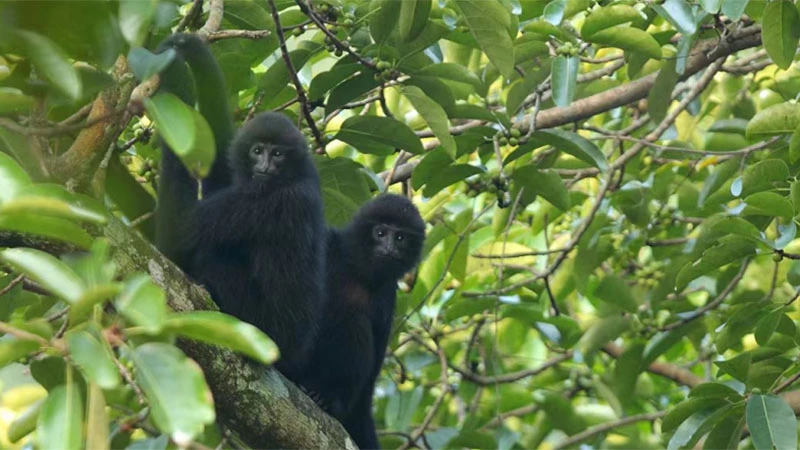
A Journey into the Lives of the Black-Crowned Gibbons
The Guardians of Wuliang Mountain (无量山) On October 24, in celebration of International Gibbon Day, a unique event unfolded at the Wuliang Mountain-Ailao Mountain (哀牢山) National Nature Reserve in Yunnan Province. The Jingdong (景东) Management Bureau welcomed a group of special guests: the firefighters from the Jingdong squad of the Pu’er City (普洱市) Forest Brigade. This visit marked the beginning of an enlightening expedition focused on the endangered black-crowned gibbon, aimed at deepening their understanding of this incredible species while fostering a commitment to protecting the local ecosystem. Discovering Biodiversity in the Reserve The adventure began at the specimen exhibition hall, where the firefighters, led by Tian Yinglan (田应兰), the head of the community education department at the Jingdong Management Bureau, embarked on a guided tour. The exhibit featured a variety of specimens, each telling its own story about the rich ecology of Wuliang Mountain. From the armored pangolins to the agile Indochinese gray langurs, and from the robust Chinese goral to the swift white pheasants, every displayed animal captured the diversity and fragility of their shared habitat. Among the exhibits, a particularly striking specimen caught everyone’s attention: a black-crowned gibbon. Director Luo Youyong (罗有勇) of the Jingdong Management Bureau… -

The Year of "Breaking the Tai Sui"
What's the Tai Sui In the rich tapestry of Chinese culture, the concept of "Tai Sui" plays a significant role, especially as we enter a new lunar year. Translating to "breaking the Tai Sui," this phenomenon is more than a mere superstition; it reflects the deep-seated beliefs of a society that reveres celestial bodies and their influence on human life. "Tai Sui" refers to Jupiter, known as the "year star," which symbolizes the governing forces of fortune and misfortune. When one's personal birth year aligns unfavorably with Tai Sui, it is believed to bring about challenges and obstacles throughout the year. Those affected by this cosmic alignment often seek protection through rituals and offerings, hoping to appease the celestial deity and mitigate adverse influences. While some view this alignment as a harbinger of misfortune, others interpret it as an opportunity for growth and self-reflection. The Dual Nature of Breaking the Tai Sui The implications of "breaking the Tai Sui" can be understood on two levels: the challenges it presents and the opportunities it offers. Challenges Ahead Entering a year of "breaking the Tai Sui" often brings a wave of anticipated hurdles. Many people report experiencing difficulties in various aspects of… -

A Unique Ecosystem of Snake Island
When we think of nature reserves, we often imagine vast expanses dedicated to the protection of diverse wildlife, rich with biodiversity. Countries worldwide have established these sanctuaries to ensure the survival of endangered species, like the rare Pacific green turtles thriving in Costa Rica’s Ostional Wildlife Refuge or the elusive Chinese giant salamanders in Zhangjiajie, Hunan. These reserves create safe havens where creatures can thrive, shielded from the threats of habitat destruction and poaching. However, one reserve stands apart from the rest—Dalian’s Snake Island, a peculiar microcosm where the preservation of life has taken an unusual turn. Instead of a bustling biodiversity hotspot, Snake Island has become a domain for a singular species—the black-browed viper. Here, nature’s balance seems to have tipped in an unexpected direction, leading to an explosion in the population of these serpents. The Proliferation of the Black-Browed Viper Covering just 1.2 square kilometers, Snake Island may not seem like much, but it serves as an ideal habitat for the black-browed viper, a species known for its cold tolerance and potent venom. This small island has transformed into a bustling metropolis for vipers, boasting an astonishing population density of over 20,000 individuals, all of the same species.…