Article
Search results:
-
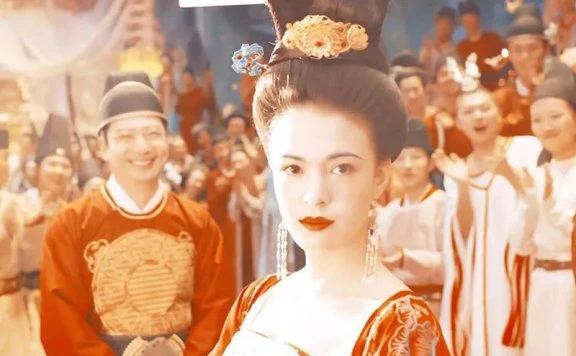
The Fashion Chronicles of Yang Guifei: Exploring the Changing Trends in Tang Dynasty Women's Attire
The Tang Dynasty was known for its admiration of plumpness and loose clothing style, which emerged after the appearance of Yang Guifei. By examining these reliable historical materials, we can discover that the Kaiyuan and Tianbao periods were the fastest-changing phases in fashion during the Tang Dynasty. Therefore, we will use Yang Yuhuan's life as a reference to explore the history of women's fashion during the flourishing Tang Dynasty, focusing on four stages: her childhood in the early Kaiyuan period, her time in Luoyang during the middle of the Kaiyuan period, her status as a noble concubine in the early Tianbao period, and her tragic end in the late Tianbao period. From the early Tang Dynasty to the Wu Zhou period, the trend of women's fashion can be summarized as follows: from the slender and conservative style at the beginning of the Tang Dynasty, to the gradually opening up under the reign of Emperor Dezong, and finally to the magnificent and flourishing Wu Zhou era. This was a time when the aesthetic ideals of Tang Dynasty women were characterized by elegance, confidence, and the willingness to showcase their figures. It was closely related to the influence of Empress Wu Zetian,… -
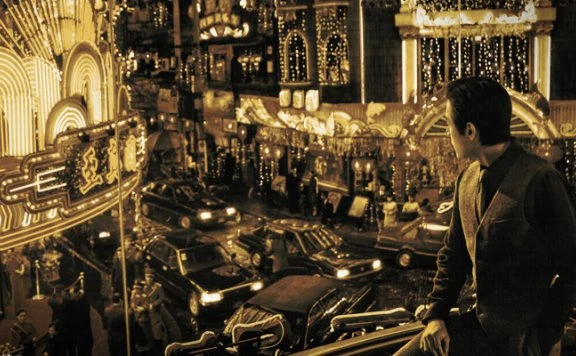
Blossoms Shanghai: New Period Drama Linking the Pioneers and the Masses
The broadcast of "Blossoms Shanghai" at the beginning of 2024 has sparked a continuing cultural phenomenon. Netizens have been sharing photos of their grandparents' way of life from the 1970s to the turn of the century, creating a shared resonance. Through the convergence of emotional reminiscence and intellectual questioning in "Blossoms Shanghai," this highly anticipated drama, adapted from the novel of the same name by Jin Yucheng, produced by Tencent Video, directed and produced by Wong Kar-wai, and starring Hu Ge, Ma Yili, Tiffany Tang, and Xin Zhilei, brings the legendary story of the sons and daughters of Shanghai to the public's screens. "Blossoms Shanghai" begins with a depiction of the era and region, unfolding in a unique artistic form that transcends existing film and television genres. It captures the distinct emotional pursuits and interpersonal relationships of the Chinese people, breaking through the barriers of time and space to establish a strong and lasting connection with the present and the masses. Narrative Landscape: Breaking the Boundaries of Genre As the earliest city of transformation in China, Shanghai is not only a financial, trade, shipping, and innovation center in contemporary China and the world, but also embodies a significant fusion… -
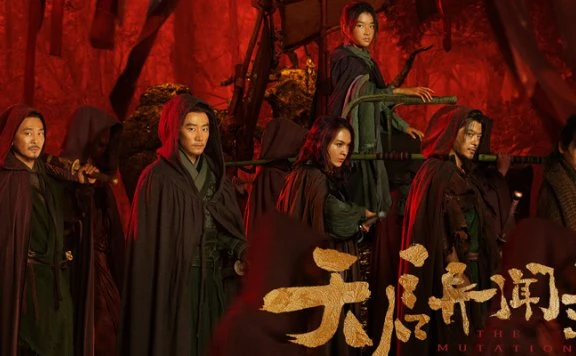
Exploring the Intriguing Plot of The Mutations: Thrilling Adventures in the Age of Tianqi
Directed by Lu Yang, starring Huang Xuan, Wu Yue, Zhang Rongrong, Lu Fangsheng, Wang Shengdi, Jiang Qiming and others, the ancient fantasy drama "The Mutations" is currently being broadcasted. The plot is set in the Tianqi period, telling the story of a sudden outbreak of a plague on a remote island outside Ningyuan City. Chu Sijing, a member of the Jin Yi Wei, secretly investigates and becomes entangled in a series of mysterious and dangerous events. This drama combines fantasy elements with Eastern culture, creating a unique temperament and style, bringing the audience an ultimate sense of freshness. This drama is based on the historical fact of the rampant plague in the late Ming Dynasty. Through the process of investigating the truth of the typhoid fever in Ningyuan City by the Jin Yi Wei, it involves various forces such as Chu Sijing (played by Huang Xuan), Ba Yan, a official (played by Wu Yue), and Captain Angelica, a foreign ship (played by Zhang Rongrong). From Ningyuan City to Ninghai Fortress, and then to Wumo Island, as the investigation deepens, the level of danger gradually increases, and the truth and secrets behind each key character are about to be revealed. The… -
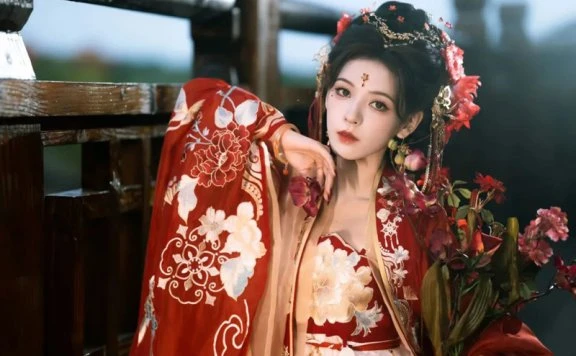
Exploring the Historical Context and Makeup Trends of Huadian in Cdramas
Have you mesmerized by the makeup of "A Journey to Love"? The beauty level is comparable to the grand award of Huadian in ancient costume dramas. BAZAAR brings you a look at the use of the Huadian in recent Chinese TV dramas and its history. As the chosen one of ancient times, Liu Shi Shi made a graceful appearance with a transcendent snow dance, dressed in a flowing red gown, with a graceful figure. The red of the Huadian between her eyebrows and the white of the snow complemented each other, making her as beautiful as a painting. After entering the palace, she abandoned her fierce killer aura and her presence became gentle and hazy. Her usual elegant attire, paired with the Huadian, exuded a cool and charming aura. The costume and makeup of other characters are also praiseworthy. He Lan Dou, who plays Princess Yang Ying, went from being overlooked to becoming the empress, and the appearance of the Huadian perfectly corresponded to her growth trajectory. Chen Xiao Yun's Huadian makeup in the role of noble consort Chu emanated a pure and captivating charm, making her beauty irresistible. Chen Du Ling, who caused a stir with her appearance, portrayed… -
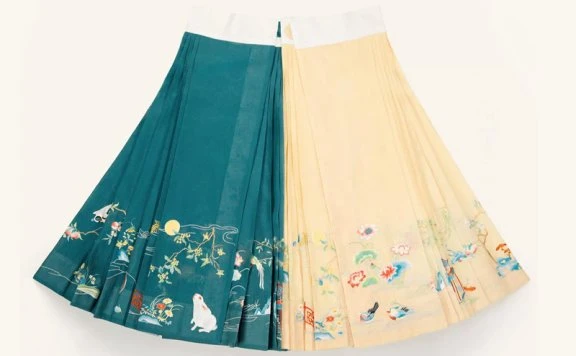
Exploring the Fashion Evolution of Mamian Skirt Patterns
The Mamian skirt pattern, as a traditional cultural element, is leading a new trend in the fashion world today. Its unique design and patterns showcase the elegance and temperament of ancient Han women, while also incorporating elements of modern fashion, making it a highly regarded focus in the fashion industry. Let us explore the structure, content, and trends of the Mamian skirt pattern in the fashion world. 01 Diversified Material Innovations In modern fashion, designers have applied the Mamian skirt pattern to various materials such as silk, cotton, chiffon, and blended fabrics. The Mamian skirt exhibits diverse styles and characteristics through material innovation, combining vintage flavor with a contemporary sense of fashion. This diversified material innovation injects new vitality and fashion trends into the Mamian skirt pattern. 02 Innovative Styles and Diversification Modern designers have retained the traditional Mamian skirt's basic structure and introduced many innovations. For example, the Mamian skirt can be paired with other garments such as t-shirts, shirts, or jackets to create a unique fashion style. Additionally, the Mamian skirt pattern can be incorporated into accessories such as handbags, shoes, or jewelry, adding unique highlights to the overall look. 03 Perfect Fusion of Tradition and… -
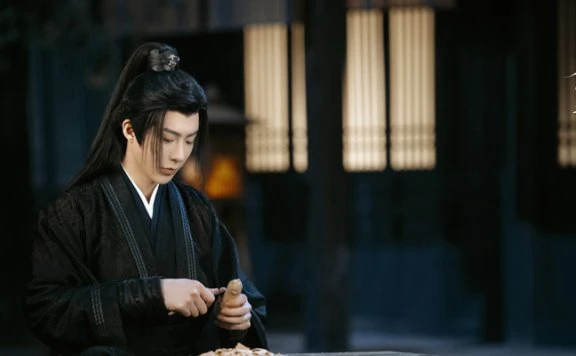
The Evolution of Liu Yu Ning: A Look at His Transition from Internet Celebrity to Cdrama Actor
The finale of "A Journey to Love" has arrived, but the controversies surrounding this drama have not yet subsided. Starting with a high score of 7.5 on Douban (with over 30,000 reviews), the overall rating dropped to 6.9 with nearly 100,000 reviews after the release of the complete series. It is a pity that what should have been a major blockbuster drama at the end of the year has faced such setbacks. During the early promotion, "A Journey to Love" consistently highlighted the independent character of the female lead, earning praise from all corners of the internet. However, as the plot progressed, discrepancies in the protagonist's storyline and character development emerged, leading to instances where the dialogue presented in the drama contradicted the actors' interpretations. "A Journey to Love" is Liu Shishi's first costume drama after her maternity leave, while for Liu Yuning, it is his first leading role in a costume drama. 1 - The spotlight in and out of the drama The debates surrounding "A Journey to Love" have never ceased since its broadcast. The coherence of character development before and after has been another major point of contention. In the eyes of fans, the leading female… -
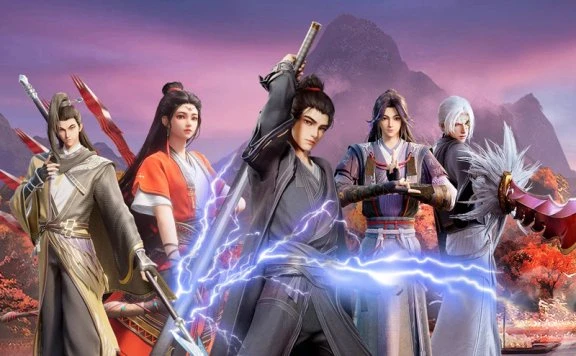
The Growing Popularity of Martial Arts Anime and the Excitement for Adaptations Drama
The highly anticipated martial arts animation "Zhen Dao Ge" Season 2 recently premiered, and as an work that has already released two seasons plus a movie, its influence has been preliminarily established. The story of "Zhen Dao Ge" is solid, with superb fighting scenes, and combined with the fact that animation itself can surpass human physical limits, it even outshines live-action martial arts dramas in expression. Many viewers are looking forward to this animation being adapted into live-action to enhance the quality of live-action martial arts dramas. In fact, live-action martial arts dramas have indeed been facing a creative stagnation in recent years. The works of older generation authors such as Jin Yong and Gu Long have been repeatedly adapted and can no longer satisfy the audience's appetite. This year, there are some signs of recovery in the martial arts market, with adaptations of new martial arts novels like "The Ingenious One" and the addition of suspense elements in "Mysterious Lotus Casebook" bringing surprises to the audience. In comparison, martial arts animations are producing excellent works one after another, and they even serve as the source for live-action adaptations, creating a batch of well-received and quality martial arts drama adaptations.… -
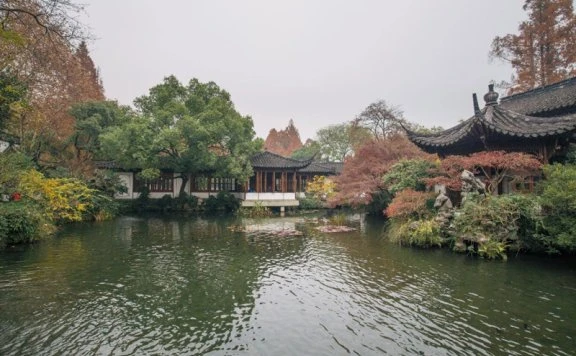
Contrasting the Style and Essence of Chinese Garden in Hangzhou, Suzhou, and Yangzhou
Upon perusing the garden landscapes of Jiangnan, the imperial gardens strictly adhere to ceremonial regulations, while the temple gardens are fairly conventional. Only the private gardens, as social gathering places, hold the more liberated and authentic spirits of the ancients, with the elegance and charm of the scholars of Jiangnan on full display. Even in the depths of winter, when the vegetation withers away, the true essence of the landscape and architecture remains beautifully unrestrained, the ingenious concepts and exquisite layouts are truly unique to Jiangnan gardens. Moreover, the private gardens of Jiangnan not only preserve the relaxed atmosphere and refined taste of the ancients, but also, through the meticulous craftsmanship of artisans, become supreme examples of the integration of landscape and culture. The Jiangnan region, known for its mild climate and abundant resources since ancient times, has thrived economically and attracted many literati. With high water tables and convenient water storage, it provides an excellent foundation for garden construction. Therefore, since the ancient time, Jiangnan has been a prosperous land for gardens. During the Ming and Qing dynasties, with the rapid development of the commercial economy and the prevalence of extravagant indulgence, the construction of private gardens in Jiangnan… -
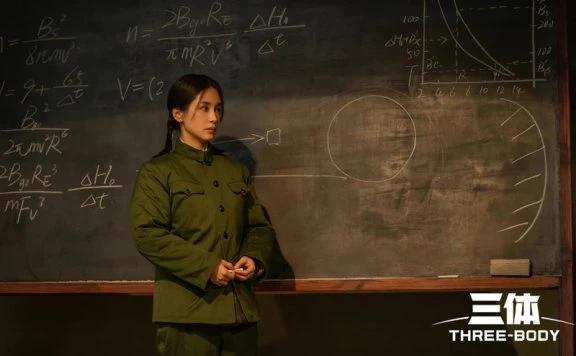
The 6 Exceptional Chinese drama Roles from 2023 that Leave a Lasting Impression
When talking about the characters in the Chinese dramas of 2023, who comes to mind first? The most mentioned would probably be Gao Qiqiang (played by Zhang Songwen) in "The Knockout", or Wang Xiang (played by Fan Wei) in "The Long Season", or the beloved Li Lianhua (played by Cheng Yi) in "Mysterious Lotus Casebook", or the distinctive Cang Xuan (played by Zhang Wanyi), Tu Shanjing (played by Deng Wei), and Xiang Liu (played by Tan Jianci) in "Lost You Forever". The Dusheme has selected six characters, not necessarily the most popular ones, but those that represent a certain trend in the creation of Chinese dramas, reflecting the audience's aesthetic preferences while also considering the personal tastes of the authors. Among them, three female characters together create a character landscape that intertwines fantasy and reality, greatly enhancing the excitement and shock threshold for viewers. As for the three male characters, some have brought new ideas to familiar territories, some have opened up channels to the untapped market, and some have brought new solutions to the construction of dramatic conflicts in the series. Three-Body: Ye Wenjie When Ye Wenjie appeared, other leading female characters paled in comparison. Over thirty years… -
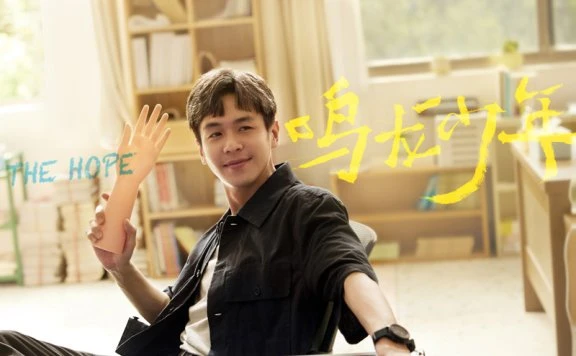
The Hope: Exploring the Intersection of Reality and Filmic Aesthetics in the Fresh Youth Campus Series
Directed by Ding Hei, starring Zhang Ruoyun and Huang Yao, the drama "The Hope (鸣龙少年, Ming Long Shao Nian)" has sparked a perceptual advancement in the minds of the audience since its premiere on Youku. In the first episode, in a unique form of social news, it was revealed that "Ming Long (鸣龙)" is the new name of the merged schools "Ming Ying (鸣英)" and "Long Hai (龙海)". After watching the process of the formation of Class 11 in the first five episodes, the audience immediately perceives that the significance of the word "Ming Long" goes beyond being just a school name. It symbolizes the voice of the suppressed, unheard, and unseen youth. This sense of advancement is also a shared experience among the audience while following the drama. Whether it is the plot or the characters, the reality-based core or the cinematic quality, "The Hope" is not presented all at once, but emerges layer by layer. As the audience continues to watch, each episode becomes more profound and immersive. This is related to the creative process of the drama. The creative team conducted extensive research and on-site investigations of real-life events before writing the script and shooting, and then… -
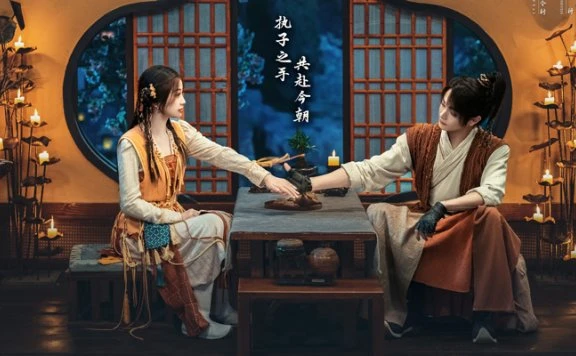
Prepare for Action-Packed Romance: Chinese Paladin Season 6 - The Epic Martial Arts Adventure You Can't Afford to Miss
With the popularity of the fantasy genre in recent years, the "Chinese Paladin" series has undoubtedly become a sought-after work in the film and television industry. In addition to the all-new cast in "Paladin Legend" and the highly anticipated "Chinese Paladin Season 4" that cost 300 million to produce, "Chinese Paladin Season 6 (Qi Jin Zhao, Sword and Fairy)" starring Yu Shuxin and Xu Kai is undoubtedly the most anticipated work. Currently, the number of pre-orders for "Chinese Paladin Season 6" has exceeded one million, and it has obtained the license to go online, officially entering the pre-broadcast stage. Based on the game of the same name, the story revolves around the growth of the male and female protagonists, Qi Jinzhao and Yue Qi. It tells the story of their journey through the martial arts world, overcoming a series of hardships and setbacks, ultimately recovering their past memories, and together with a group of like-minded companions, bringing peace and tranquility to the martial arts world. Yue Jinzhao and Yue Qi have been together in Wu Yan Village for three years, and they have a magical "resonance" relationship, but they know nothing about their own origins. They embark on a journey… -
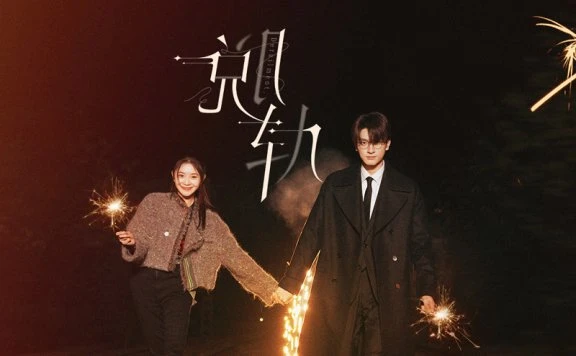
Must-Watch Cdrama in December: Top TV Series Recommendations to Keep You Hooked All Month
In the winter of 2023, the cdrama market is entering the year-end sprint. While the hot broadcast period of dramas such as "A Journey to Love," "Love Me, Love My Voice," and "South Sea Tomb" that premiered at the end of November is not yet over, dramas such as "Got a Crush on You," "Battle Through the Heaven," "The Hope," and "The Last Immortal" that are scheduled to air in December have successively joined the melee. From the currently aired and scheduled dramas, the online platforms mainly involved are Tencent Video, Youku, and Mango TV, with both "The Last Immortal" and "Unshakable Faith" being dual-platform broadcasts. In terms of themes, there are obvious differentiated features that can meet the viewing needs of different audiences. The Clash of Four Major IP Dramas Among the six dramas that have been launched or are about to be aired in the past few days, four of them are IP adaptations, with three of them adapted from online novels on Jinjiang Literature. Specifically, "Got a Crush on You," which premiered on Tencent Video on December 7, is adapted from the novel "Hong Cheng Gun Gun Gun". The author, Beiqing, is a writer of online… -
Cozying Up in Antiquity: Exploring the Winter Heating Methods of Ancient China
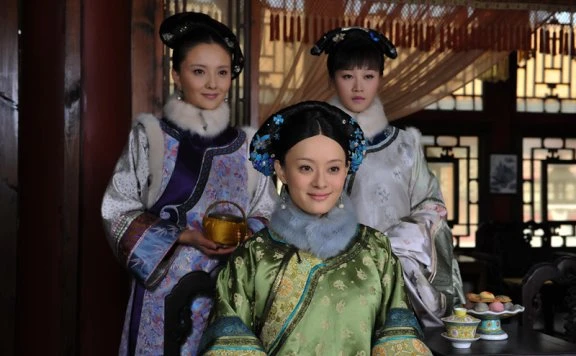
In ancient China, the harsh winter cold was often a challenge, especially in regions where winters were long and frigid. However, the ancient Chinese people, with their wisdom and creativity, developed a series of unique and effective methods of keeping warm. These methods not only reflected the progress of ancient Chinese society and technology but also demonstrated their profound understanding of and adaptation to the natural environment. From braziers to fireplaces, from underfloor heating to ingeniously designed clothing, the heating methods of ancient China were the crystallization of wisdom in the face of cold. 01 Fur The most direct way for the human body to keep warm is to dress thickly, and the most natural and effective fabric is animal fur. This is also an indicator we use to determine the changing seasons in historical dramas - whether the main characters are wearing fluffy costumes, indicating that it is cold in the drama. A large number of historical dramas have contributed to the production of various styles of furry costumes. In fact, the winter clothing of ancient people was more exquisite and complete than the costumes in dramas. They would wear warm hats, fur jackets, cloaks, woolen socks, and… -
From A Journey to Love to the Future: The Transformative Shifts in Road Dramas in 2023
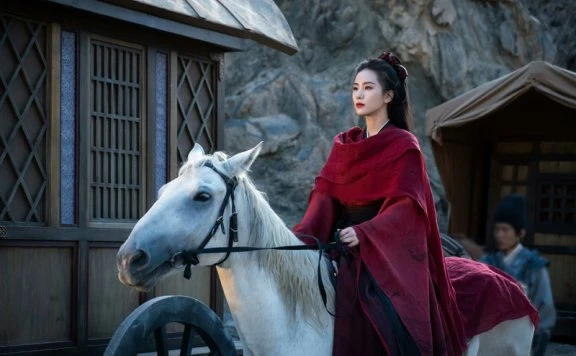
The drama "A Journey to Love", written by Zhang Wei, directed by Zhou Jingtao and Zou Xi, and starring Liu Shishi and Liu Yuning, is currently being widely watched. Shortly after its premiere, it quickly caught the attention of netizens and received a multitude of praise. It tells the legendary adventure story of a small team led by Ren Ruyi (played by Liu Shishi) and Ning Yuanzhou (played by Liu Yuning), who travel from Wudu to Andu, fighting side by side along the way to ultimately achieve peace. The drama encompasses both court politics and the lives of martial artists, with the road serving as the perfect backdrop for this story. This year's film and television dramas have seen a considerable number of road elements. In addition to "A Journey to Love," dramas such as "Grandma's New World," "Young Blood Season 2," "Fearless Blood," and "Parallel World" can all be considered as broad interpretations of road dramas. The protagonists are always continuously exploring the map, making new friends, and experiencing different landscapes. Life is a wilderness, not a track, and the characters in the drama reflect this sentiment. Whether it is to escape or to pursue, it seems that as… -
A New Era of Chinese animation: Tracing the Remarkable Works and Creative Innovations
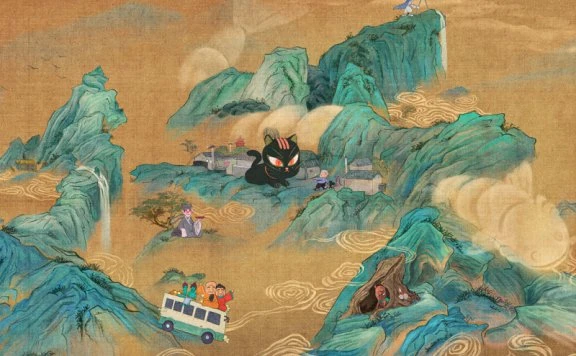
In the past 40 years, China has been the main market for exporting Japanese and American animations. However, in recent years, Chinese animation works have gradually gained attention in the international market. In 2018, the first Chinese original animation series "Scissor Seven" was launched on Netflix and made its way overseas. After being simultaneously broadcasted in over 190 countries and regions worldwide, the entire animation market has accelerated its pace in going global. In 2019, "White Snake" was nominated for the Feature Film competition unit at the Annecy International Animated Film Festival in France. In the same year, the phenomenal work "Ne Zha" was released in North America and achieved a box office of 3.69 million dollars, setting a new record for the distributing company. In 2021, "I Am What I Am" participated in the largest animation festival in North America, the AIF Animation Film Festival. This summer, the domestic animated film "Chang An" received both critical acclaim and box office success overseas. In addition to an increasing number of Chinese animation works being available on mainstream international media platforms and attracting attention from the global market, various Chinese video platforms have also made moves to enter the international market.… -
Examining the Unique 7 Cdramas with Distinctive New Aesthetic Characteristics in 2023
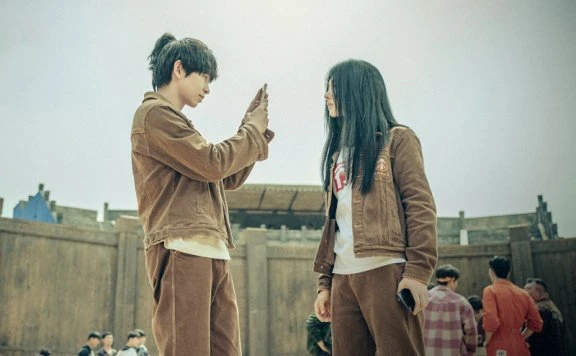
The year 2023 marked a hot start and diversified development for Chinese television dramas. As an important art form that restores collective emotions and soothes the public's spirits, this year's drama content ecosystem has become more tolerant. While maintaining stability in thematic creation, breakthrough works have emerged in the fields of suspense, science fiction, micro-history, social issues, female-oriented dramas, and male-oriented adaptations of comics. In the trend of diversified development, 2023 also witnessed a surging wave of authorship cdramas that cannot be ignored. Represented by dramas such as "The Long Season," "Why Try to Change Me Now," "Fearless Blood," "Fake It Till You Make It," and "Stand by Me," this batch of dramas distinguishes itself from others of the same genre in terms of visual and auditory style, narrative aesthetics, and value expression. They possess distinct personal styles of the main creators, primarily the directors, and some have achieved the integration of writing and directing. As an important innovation in the drama ecosystem, these dramas, represented by the authorship trend, not only raise the audience's aesthetic threshold but also broaden the boundaries of expression. They have also achieved satisfactory market performance this year. While authorship dramas have appeared every year,… -
Joy of Life Season 2: A Sneak Peek into the Highly-Anticipated Continuation
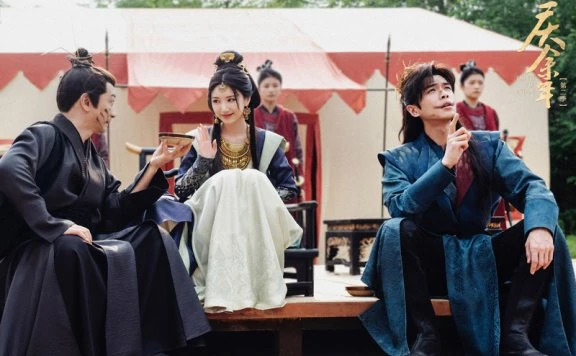
Since its premiere in 2019, "Joy of Life" Season 1 has become a highly anticipated and popular TV drama. With its captivating storyline and outstanding cast, the show has attracted a large audience and sparked a nationwide craze for binge-watching. For many fans of this drama, the most anticipated thing is naturally the arrival of "Joy of Life" Season 2. After nearly four years, the filming of "Joy of Life Season 2" has finally begun. This news is undoubtedly good news for the eagerly awaiting audience. What's even more delightful is that the cast of the second season remains the same. In many TV dramas, it is common for the main cast to be replaced in the second season, which can easily affect the audience's perception and enthusiasm for the show. However, the fact that "Joy of Life 2" is able to reunite the original cast is not only a great fortune but also a testament to the production team's dedication and respect for the audience. Of course, in addition to the return of the original cast, the second season has also added some outstanding actors. The addition of these fresh talents will undoubtedly inject new vitality and tension into… -
Eight Masters of the Tang and Song: The Grand Tang from Han Yu's Perspective
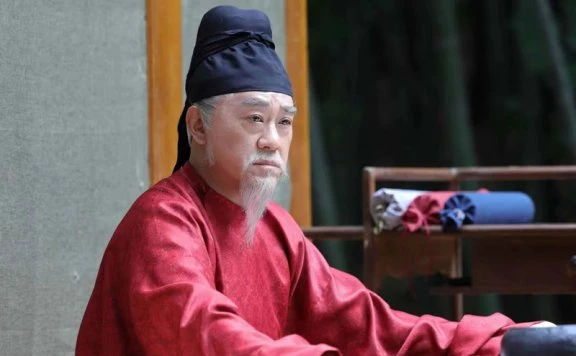
The program of "Eight Masters of the Tang and Song" unveils the magnificent and dramatic life story of a generation of grandmasters through the mode of "immersive real-life performance + cinematic filming + XR innovative presentation", and explores the moments of the birth of "Tang and Song masterpieces". Immersive real-life performance: The "Cultural Exploration Team" personally experiences the plot, with scenes built on real-life settings. Cinematic filming: Through techniques such as plot rhythm and camera movement, the visuals are crafted to have a cinematic texture, enhancing the artistic and aesthetic qualities of the work. XR innovative presentation: By combining reality and virtuality through computers, it brings the participants a seamless immersion between the virtual world and the real world. Let us follow the "Cultural Exploration Team" of the program "Eight Masters of the Tang and Song" and step into the depths of history to take a look at the experience of Han Yu in the great Tang Dynasty. Han Yu lost his parents at a young age. At the age of 12, his older brother Han He passed away in Shaozhou, and Han Yu returned to Heyang with his sister-in-law to bury his brother. Since then, the burden of supporting… -
Ripe Town From Concept to Screen: Wang Zheng on Writing China's Hit Historical Suspense Drama
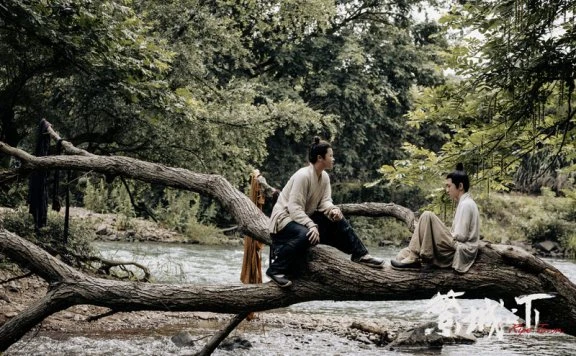
"Ripe Town" is the most exceptional Chinese period drama of this year. This drama stands out in the market without any comparable works. It is a period mystery that delves deep into social and historical analysis, offering a captivating deconstruction of complex human nature from different perspectives. In terms of the story, it intertwines a murder case with another arson case from twenty years ago, weaving together a tightly-knit web of revenge with numerous character lines that repeatedly intersect across two timelines. It explores themes of injustice, desire, and regret. Visually, it captures the essence of ancient Eastern paintings and the aesthetics of Jiangnan gardens, constructing a lush and intoxicating small town in late Ming Dynasty. Its English title, "Ripe Town," is fitting, as the entire drama feels like a "fully ripened and almost decaying fruit." Its meticulous attention to detail and profound depth truly make it a standout dish in the autumnal lineup of cdramas. Up to now, "Ripe Town" has received a high rating of 8.5 from over 120,000 viewers on Douban, surpassing the reputation set by "The Long Season" and "Fearless Blood." Many industry insiders believed that such a quality production must have come from an experienced… -
The Many Facets of Jiang Xue Ning in Story of Kunning Palace
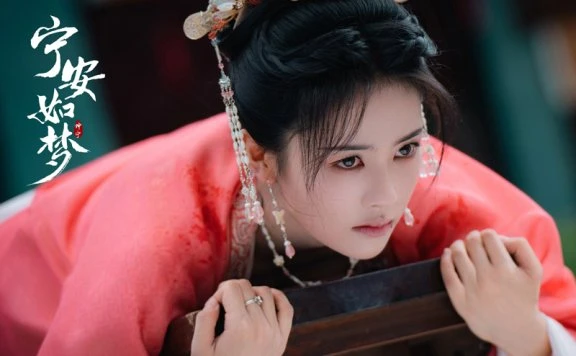
In the enthralling world of Story of Kunning Palace, a historical drama that captures the essence of imperial intrigue and romance, emerges a character both enigmatic and captivating: Jiang Xue Ning. As the heroine at the heart of this sweeping narrative, Jiang's journey is not just one of survival within the gilded but perilous walls of the palace, but also a testament to the strength and resilience of a woman navigating the complexities of power, love, and duty in a time where her role was often confined to the margins of history. Jiang Xue Ning, portrayed with a compelling blend of vulnerability and determination, emerges as more than just a figure navigating the treacherous tides of palace politics; she is a symbol of a woman's unyielding spirit in the face of adversity. Her character arc, from a young, naive girl to a wise and formidable presence in the palace, mirrors the tumultuous era she inhabits. This article seeks to delve deep into the layers of Jiang's character, exploring how her unique personality traits, decisions, and relationships with others in the palace paint a portrait of a woman who is as complex as she is inspiring. 01 A stunning and…