
Did our ancestors really rest their heads on those unyielding stone and ceramic slabs displayed in museums? It seems counterintuitive. We see them in period dramas and historical exhibits—hard, cold, and often incredibly high. The immediate question is one of comfort. Yet, the history of sleeping is far more nuanced than a simple preference for a soft cloud.
The choice between a plush fabric and a solid block was not merely about luxury; it was a decision influenced by health, practicality, social status, and even security. To understand this, we must dig deeper into the archaeological and literary evidence that reveals a story of personal choice, ingenious design, and a surprising lack of universal standards.
The Soft Truth We Miss
The prevalence of hard pillows in museums creates a biased narrative. The truth is, soft pillows did exist and were widely used. The primary reason we see so few today is the simple reality of preservation. Silk, cotton, and plant-based materials decompose over centuries, unlike ceramic or jadeite. The Mawangdui (马王堆) tombs of the Han Dynasty offer a spectacular counterpoint. They yielded a silk pillow, a genuine artifact of comfort. This wasn’t just a bag of fabric; it was a sophisticated piece of textile art featuring embroidered longevity patterns.
Furthermore, it served as a traditional medicinal pillow filled with Eupatorium fortunei, commonly known as Peilan (佩兰). Recorded in Shennong Bencaojing (神农百草经, Classic of the Materia Medica), this herb can repel insects, prevent epidemic ailments and clear dampness, making it especially ideal for summer use. This artifact proves that ancient people prioritized both comfort and wellness in their sleeping arrangements, striking a practical balance between diverse sleeping habits.
Why Choose Hardness?
If soft pillows were available, why did so many choose the opposite? The core reason is function over comfort. A hard pillow, whether made of wood, jadeite, or ceramic, was not designed to cradle the head but to support the neck. It promoted proper alignment of the cervical spine. Furthermore, these materials are poor heat conductors, remaining cool to the touch. This was a vital benefit in the era before air conditioning, especially during hot summers. The famous line, “In the long summer heat, the best nap is on a cool pillow,” captures this perfectly. It’s a practical solution for climate control, offering a refreshing respite that a soft, heat-retaining pillow could not provide.
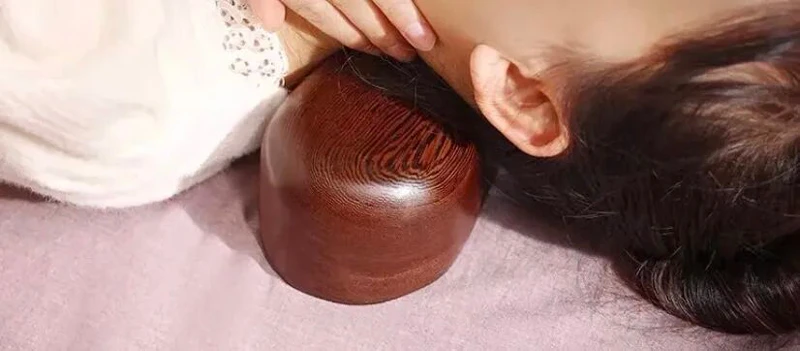
This explains the ubiquitous hollow designs seen in museums. These were not stylistic whims; they were functional features. The hollow center, or intricate latticework, allowed for air circulation. This kept the sleeper’s neck dry and cool, preventing the build-up of sweat. But the creativity didn’t stop there. This space became a hidden compartment for the savvy individual. Some filled it with herbs to create a therapeutic bed, allowing for passive health conditioning during sleep. Others used it to hide personal treasures—gold for emergencies, a dagger for self-defense, or “pillow books” of a personal nature. This innovative use of negative space demonstrates that these objects were far more than simple sleep aids.
Hairstyles and Security
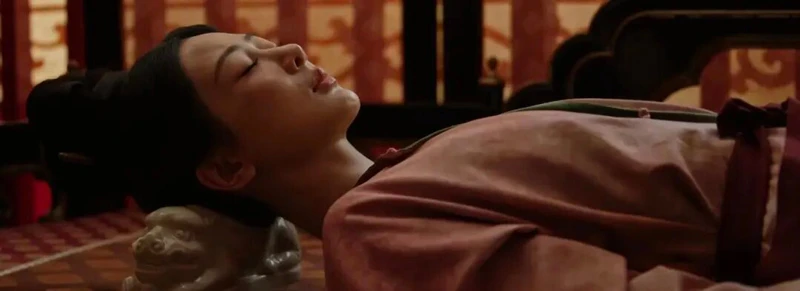
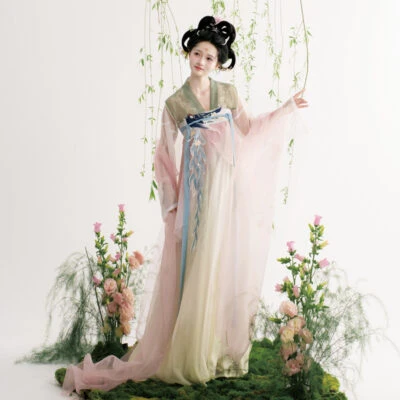
For women, the hard pillow served a unique and essential purpose in a society with elaborate hairstyles. Creating an intricate updo for a multi-day ceremony could take hours. A soft pillow would crush this delicate work, necessitating a complete redo each morning. The hard pillow allowed a woman to maintain her complex coiffure overnight, preserving the artistry and saving immense time and effort. It was a practical tool for maintaining a public image, a silent helper in the pursuit of beauty and status.
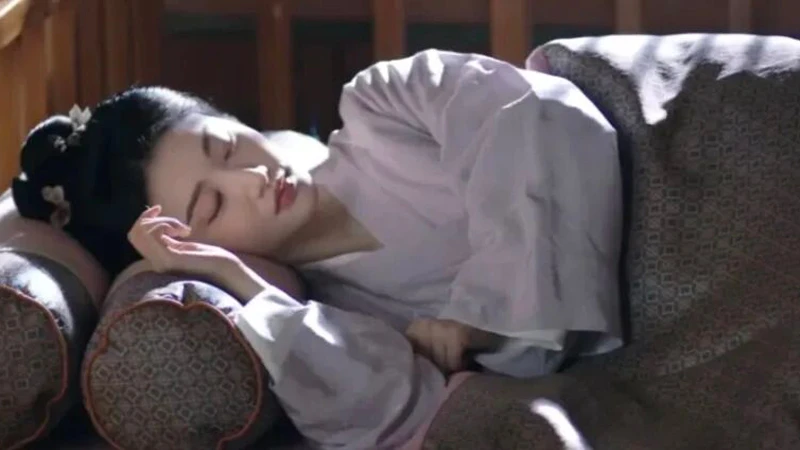
The phrase gao zhen wu you (高枕无忧), or “high pillow, no worries,” is often misinterpreted as a recommendation for comfort. In reality, it comes from a military context. A high pillow makes it harder to fall into a deep, unconscious slumber. It keeps the sleeper alert to their surroundings, ready to respond to a nighttime ambush. The “no worries” did not refer to a carefree mindset, but to the security of being easily awakened. This redefinition of a common proverb illustrates how our understanding of ancient life is often clouded by modern assumptions about comfort and relaxation, revealing a world where practicality and vigilance were paramount.








Nit picking here: Eupatorium fortunei is the scientific name for Peilan. the mention of 神农百草经between brackets is a botanical encyclopaedia, not the name of a plant. ^^
My bad! 😅 I’ve updated the text. Really appreciate you pointing this out!