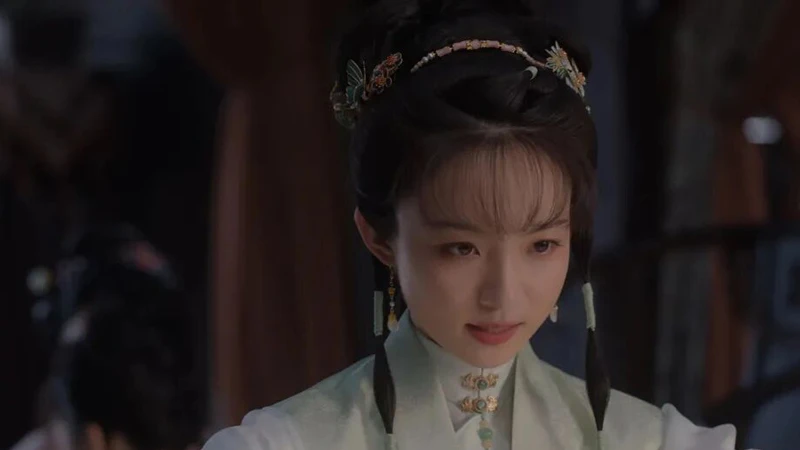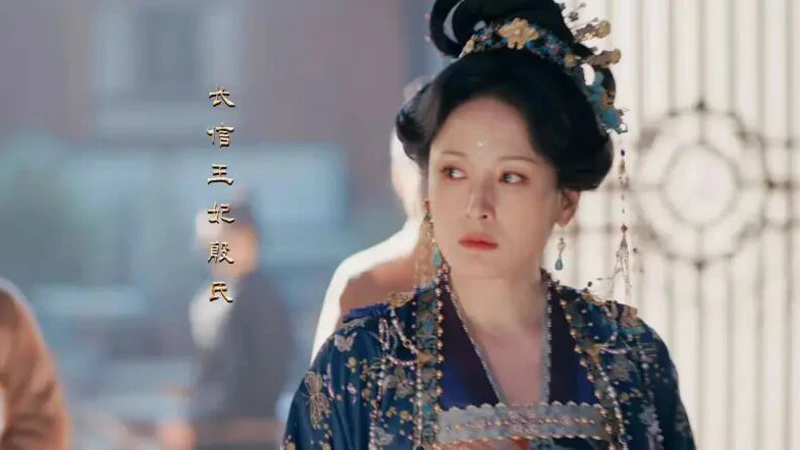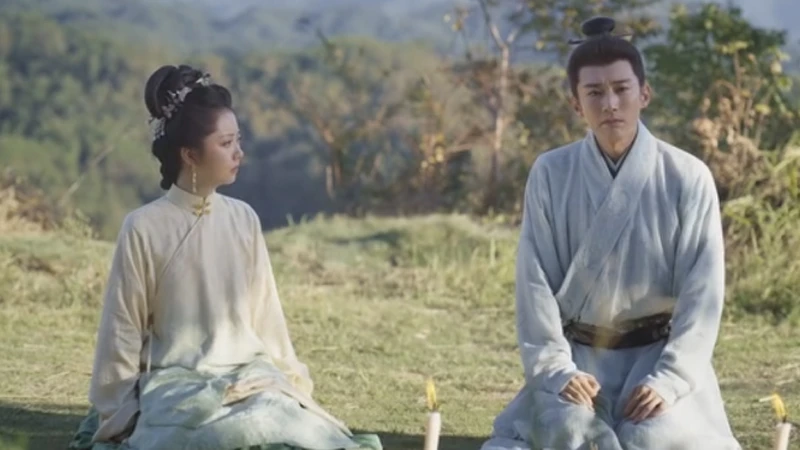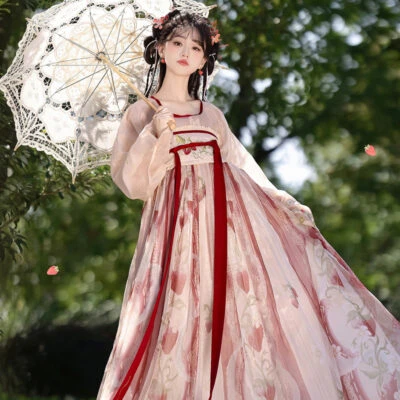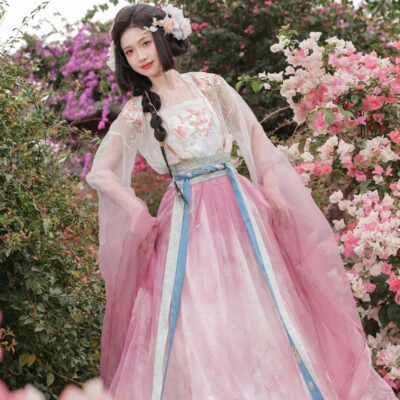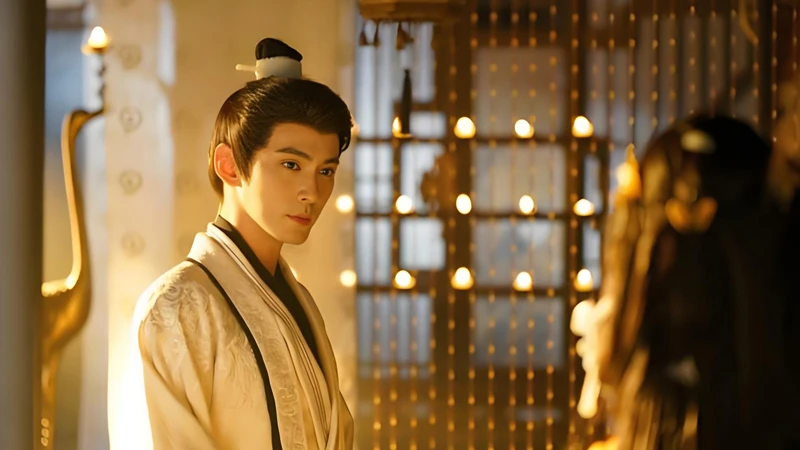
Blossoms of Power (百花杀) opens three years after Gu Qingzhi’s (顾青栀) passing. The entire capital believes Xiao Changqing (萧长卿), the Prince of Xin (信), has been mourning his late wife with a devotion so deep it borders on legendary. He prays for her daily in the ancestral hall. He has withdrawn from the ruthless power struggles of the imperial court. He is, by all accounts, the picture of a heartbroken widower.
But when Shen Xihe (沈汐和), the Princess of Zhaohe (昭和), arrives from the northwest to forge a political marriage, she sees something else entirely in his eyes—and she knows, with a certainty born from a life she shouldn’t remember, that the legend is a lie.
The Return of the Forgotten
Gu Qingzhi’s story is a tragedy of state. Her entire clan, the Gu family, was framed by the Fan family and wiped out. Xiao Changqing saved her life, giving her refuge as his princess, but she refused to be a survivor. She used the Fan family’s own hand to drink poison, choosing death over a hollow existence. Her body was buried, but her memory was not destroyed. It was merely sealed away, hidden in the depths of the sea, waiting for a vessel.
That vessel is Shen Xihe. On her journey to the capital to marry, Shen Xihe is betrayed by her own maid and thrown into the sea. It is in that drowning moment that Gu Qingzhi’s sealed memories flood her mind. She is no longer just the naïve princess from the border; she is the cunning, power-hungry Gu Qingzhi, resurrected in a new body. The fusion is seamless. She enters the royal court not as a passive bride, but as a player who has already been at the table and lost everything. Now, she is playing a new game with a full deck.
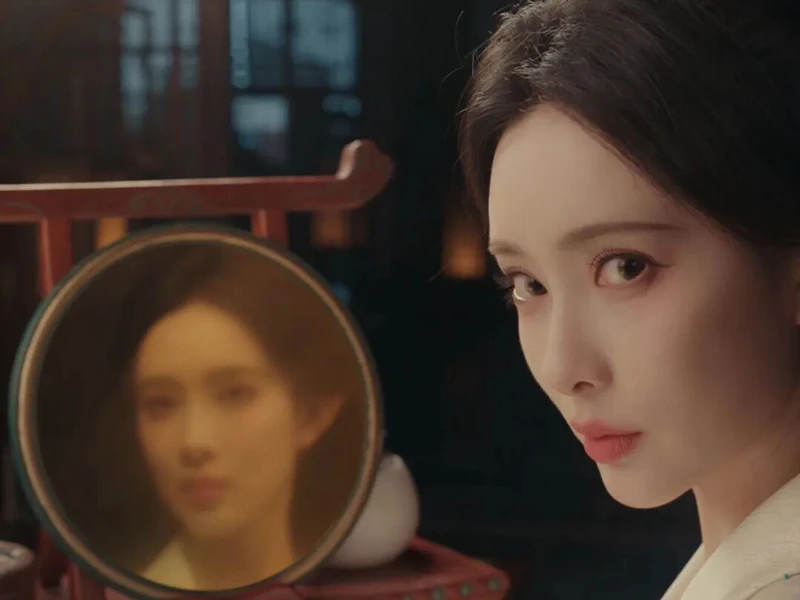
Her arrival throws the court into chaos. Every prince wants her hand, not for love, but for the military power she represents from the northwest. The competition is fierce, except from one man: Xiao Changqing. He doesn’t even look up at her. It is an act of supreme indifference that piques her interest more than any suit of marriage could.
The Patriarch’s Prison
Xiao Changqing is a fascinating contradiction. He is a prince who could have been emperor, groomed for the role alongside the crown prince, yet he has chosen to be a ghost in his own palace. The public narrative says he is a man paralyzed by grief. The truth is far more calculating. He is merely biding his time, orchestrating events from the shadows until his brother, Xiao Changying (萧长赢), falls in love with Shen Xihe. To help his brother, he re-enters the political arena, only to have his schemes instantly recognized by the woman who carries the soul of his dead wife.
He is intrigued. His suspicions are confirmed when he sees her perform a habitual gesture—a tiny, unconscious motion that belonged exclusively to Gu Qingzhi. From that moment, he watches her with a hawk’s intensity. He sees her choose to marry the crown prince, a man destined for a short life, and instantly understands her strategy: become a widow, then rule through her son. He can read her every move. But reading a person is not the same as understanding them.
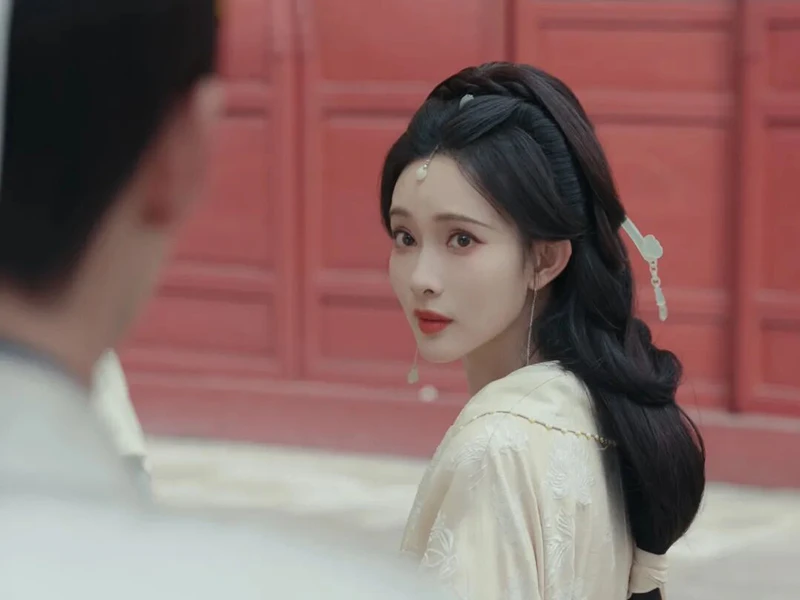
Herein lies the core of his failure. Xiao Changqing’s love for Gu Qingzhi was never in question. His feelings were real. But his love was paternalistic and suffocating, a “dad energy” that smothered her spirit. When the Gu family fell, he saw himself as her savior, offering shelter under his princely title. He never paused to ask what she actually wanted. He gave her a cage and called it protection. He saw a woman in danger; she saw a partner who didn’t respect her ambition.
What the Heart Truly Desires
Gu Qingzhi was born to stand as an equal to any man. She didn’t want protection; she wanted absolute power, because only power could protect her family. In her world, love was a liability, a luxury she simply could not afford. Her history taught her that trust is a weapon used against you. Xiao Changqing, in contrast, was born into privilege. His mother adored him, the emperor favored him, and everything he ever desired was handed to him with a smile. He never had to fight for a crumb, so he never learned the desperation of trying to hold onto a feast.
The irony is sharp. He could interpret every one of Gu Qingzhi’s motivations, but he could never reach her heart. He understood the mechanics of her mind, but not the marrow of her soul. He tried to love her by wrapping her in chains of gold, suffocating her with his own version of happiness. He gave her his “true heart,” but it was packed with his own thoughts and his own conditions. And a gift that is not freely wanted is merely an obligation. He spent his life telling himself he was fighting for her, when all he was really doing was fighting to control her narrative.
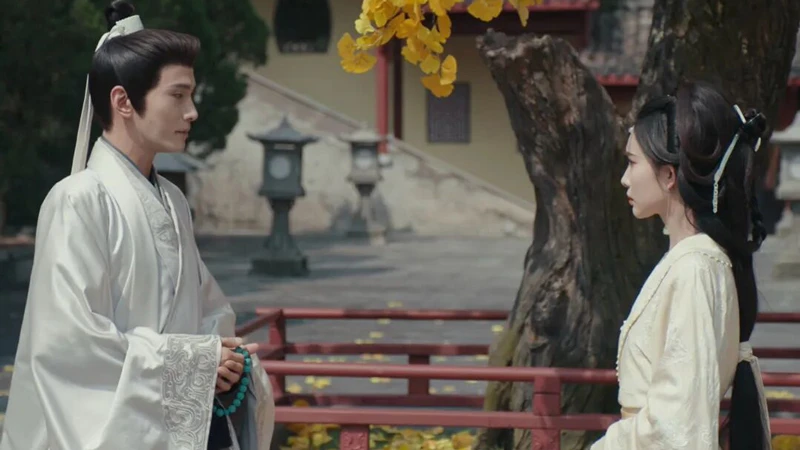
This is the painful truth that transcends lifetimes. Both Xiao Changqing and his brother Xiao Changying loved fiercely, but they loved incorrectly. One brother was too calculating, trying to define the world for the woman he loved; the other was too naive, thinking pure devotion alone could conquer all. For the woman who carries Gu Qingzhi’s memory, the new life offers a clarity the old one lacked. Power is not the sole measure of her love, but the ability to choose, to act, and to be seen as a whole person—that is non-negotiable. In the end, neither prince understood that the greatest gift you can give a queen is the kingdom, not the cage.