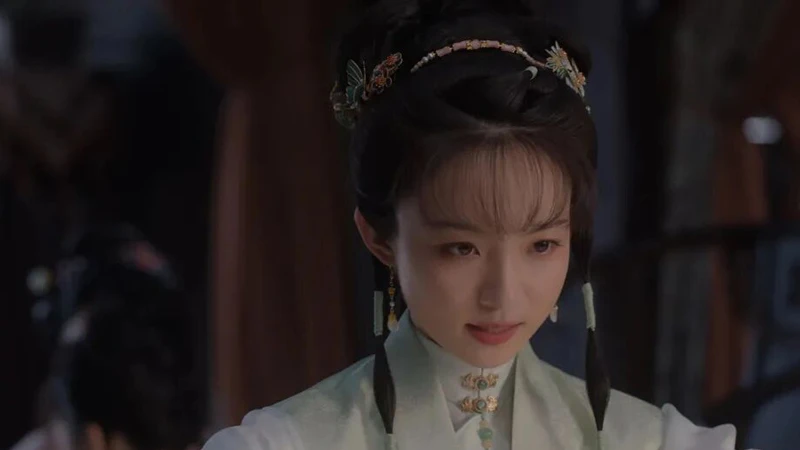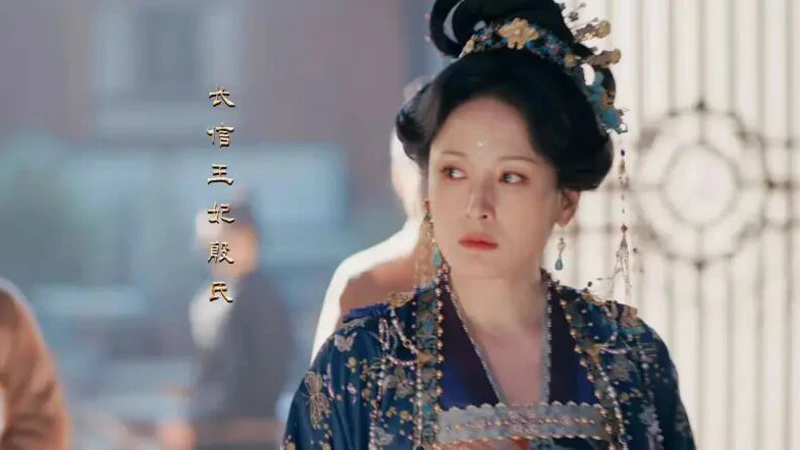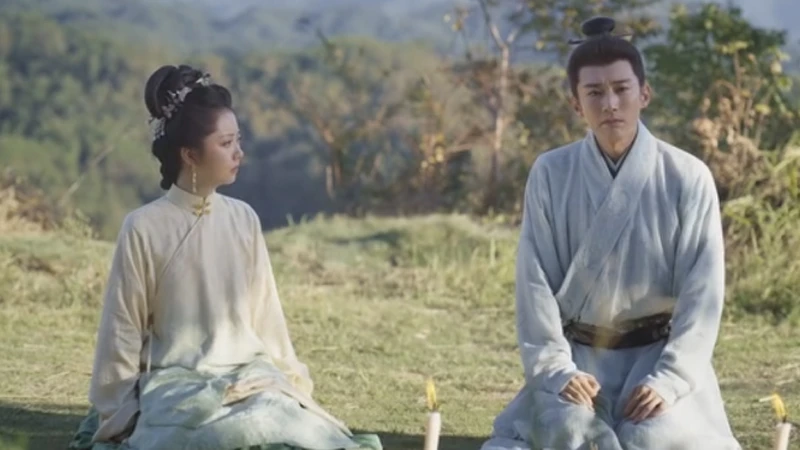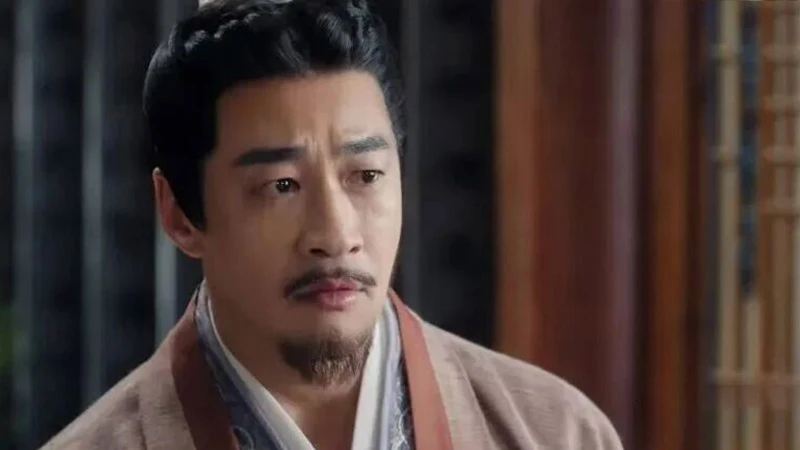
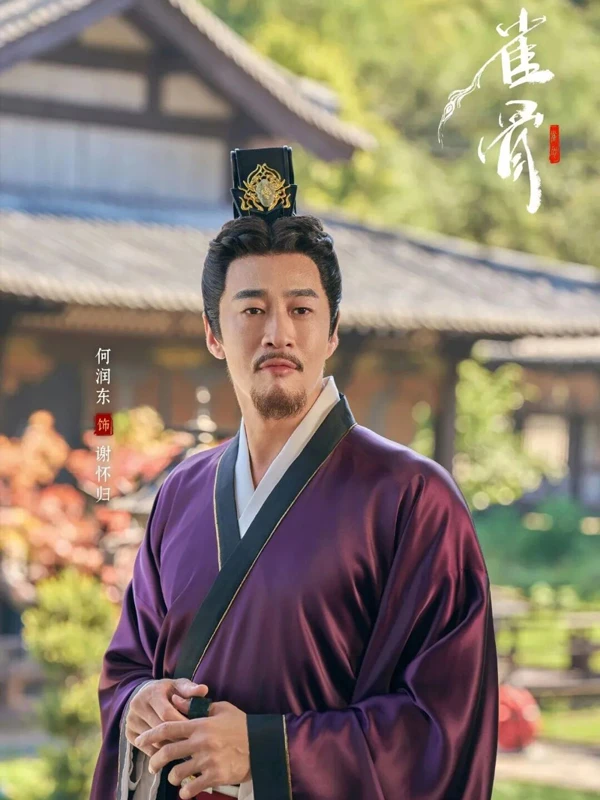
Key to the Phoenix Heart (雀骨) drops without warning, and within hours, it claims the top spot on iQIYI’s soaring chart. You might start watching for the magnetic presence of Hou Minghao (侯明昊) or the charm of Ai Mi (艾米). But you stay for the quiet terror of a father’s love that is nothing but a perfectly crafted cage. He Rundong (何润东), an actor known for his versatility, delivers a performance so nuanced it hijacks the entire narrative. He plays Xie Huaigui (谢怀归), a man who cradles his daughter’s face with one hand while orchestrating her ruin with the other.
The series is a Wuxia political thriller set in a fictional royal court. Yet, at its core, it is a chilling study of a man who treats fatherhood as his most effective mask. He is not the villain you see coming; he is the one who hands you tea while you choke.
The drama’s success is not merely in its plot twists, but in its emotional betrayal. We watch Xie Huaigui defend his daughter, Xie Jiayu (谢嘉鱼), from her mother’s rigid expectations. He lets her study the intricate mechanics of Mohist machinery, indulging a passion that society deems unladylike. He is the gentle protector, the understanding parent. Then, in a single flicker of his eye, he reveals the cold ledger of his mind, where his daughter is a “liability” to be traded. This duality is not a character flaw; it is the foundation of his existence. It forces the viewer to question every act of kindness we have ever witnessed, transforming the palace corridors into a labyrinth of psychological warfare.
The Architecture of Deceit
Xie Huaigui’s scheme is a masterpiece of long-game strategy. He does not merely seek power; he aims to redefine its very source. His first move is isolation. He perceives the love between Xie Jiayu and Li Mao as a threat to his design. With a word to the imperial council, he banishes Li Mao (李茂) to the desolate border, citing a need for “capable men.” It is a move so bureaucratic, so mundane, that it appears to be a patriotic duty. In reality, it is a surgical strike to remove a variable he cannot control. He is not just a father; he is a grand architect, and the court is his blueprint.
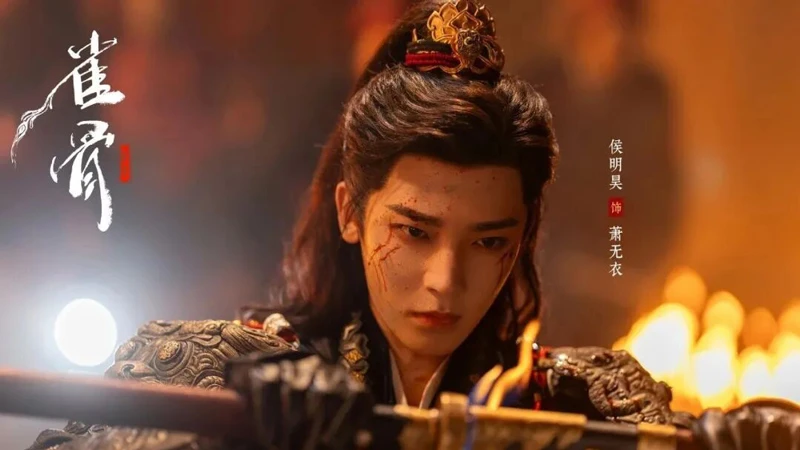
His control extends beyond the public sphere. He orchestrates a marriage for Xie Jiayu to Xiao Wuyi (萧无衣), the stoic prince, a union that serves his political ambitions. Yet, he is aware of his daughter’s secret plan to elope on her wedding night. He does not stop her. He allows the private drama to unfold, knowing it will serve a larger, more devastating purpose. When the Changsha Wang (长沙王) stages a coup, Xie Huaigui is ready. He does not fight in the streets; he fights in the throne room. He recommends Li Mao to the ailing emperor as the only man capable of restoring order. Suddenly, the exiled lover is the Regent of the realm. The chessboard has been flipped, and all the pieces are exactly where he wants them.
The Weight of a Father’s Gaze
This is where the performance transcends the script. He Rundong plays Xie Huaigui with a stillness that is more frightening than any rage. When he turns away from his daughter, his smile vanishes instantly, replaced by a cold, analytical stare. It is the face of a man who has long ago divorced his conscience from his ambition. He speaks of family, but his loyalty is to a legacy of power. His tenderness is a weapon. It is this psychological dissonance that makes him unforgettable. He is not a “bad dad” in the conventional sense; he is a sociopath who has perfected the role of a benevolent patriarch. The show does not explain his past to excuse him. It presents him as he is, a man who has chosen power, and it trusts the audience to shudder at the implications.
We learn that Li Mao is not merely a nephew but his secret son, born of a forbidden affair with the late emperor’s consort. This revelation reframes everything. The chess pieces are not just rivals; they are his children, born of different mothers, serving different purposes. He has created a political dynasty in the shadows. He uses his “son” Li Mao to control the state and his “daughter” Xie Jiayu to control the narrative. It is a monstrous perversion of family. He has no interest in love, only in leverage. This makes him a uniquely terrifying antagonist. He does not hate his children; he simply does not perceive them as human. They are extensions of his will, tools that exist to be sharpened and used.
The Silent, Unblinking Villain
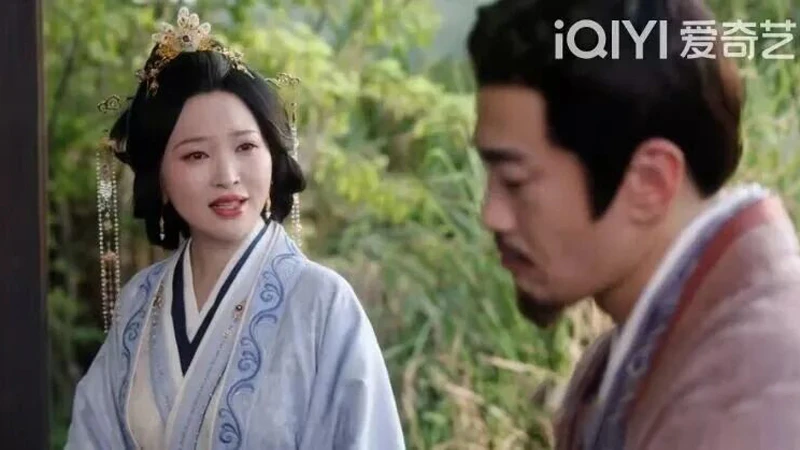
The true artistry lies in the duality. Watching Xie Huaigui navigate his marriage to Lady Li Fuhua (李甫华), played by Jin Sha (金莎), is like watching two fencers in a dark room. Their conversations are laden with subtext, each sentence a veiled probe for weakness. He plays the devoted husband while meticulously undermining her authority. He is a master of social performance. Yet, the camera often lingers on his hands, still and composed, or his eyes, which reflect a universe of calculation. He does not need dramatic monologues to express his villainy. His silence speaks volumes. It suggests a man who is always listening, always deducing, always a step ahead.
This series taps into a specific unease. It is not about sword fights or magical powers. It is about the corruption of trust. It asks: what if your greatest champion is actually your warden? It resonates because it reflects a paranoid anxiety about intimacy. Xie Huaigui is a walking, breathing lie. His success is a testament to his intelligence, but also a damning indictment of his soul. He is not a villain for the ages; he is a villain for the moment, a dark mirror reflecting contemporary fears of familial manipulation.
Ultimately, Key to the Phoenix Heart succeeds because it makes us complicit. We watch, fascinated by his control, even as we recoil from his actions. He steals the show not with bombast, but with precision. He forces us to realize that the scariest villains are not the ones who haunt the shadows, but the ones who stand in the light, holding your hand, while the knife is hidden in their sleeve. He is the reason you will keep watching, not just to see him fall, but to see if he can keep up the act for just one more scene.