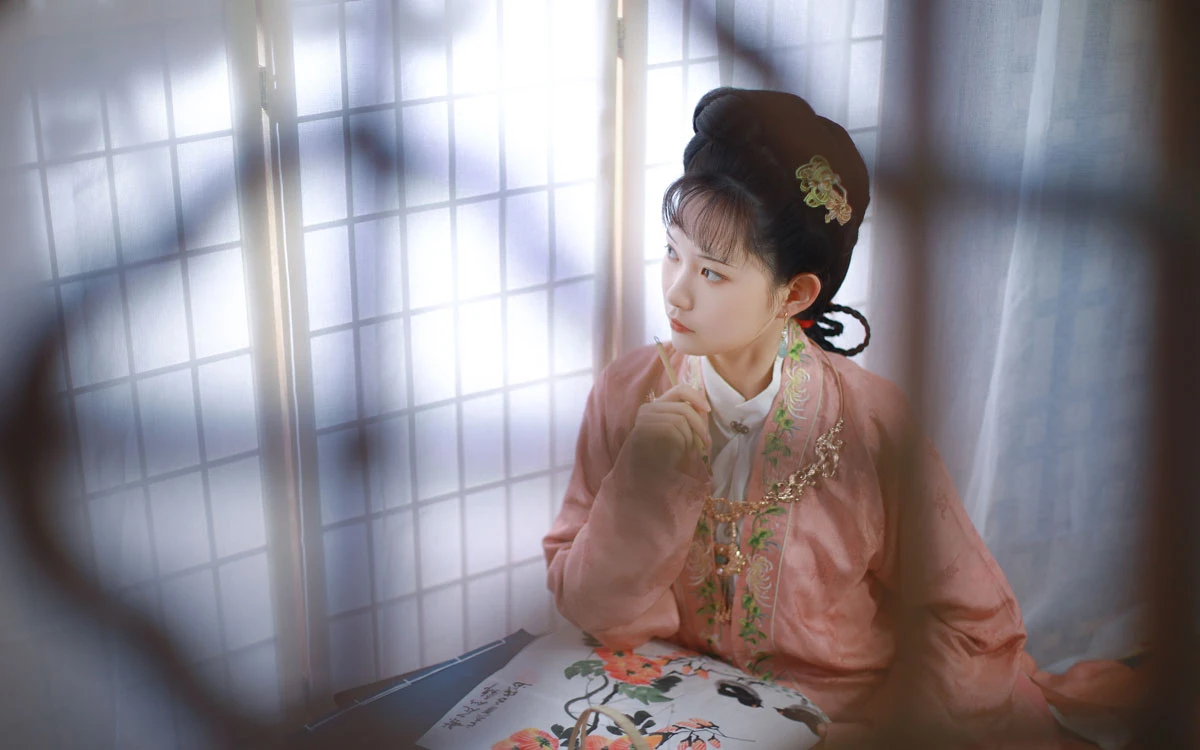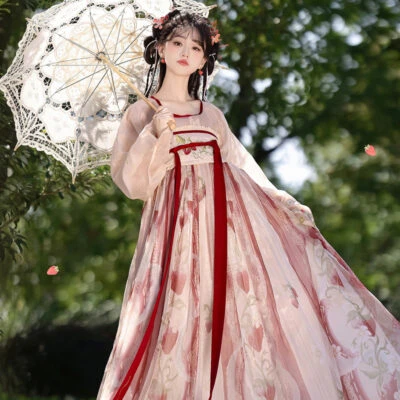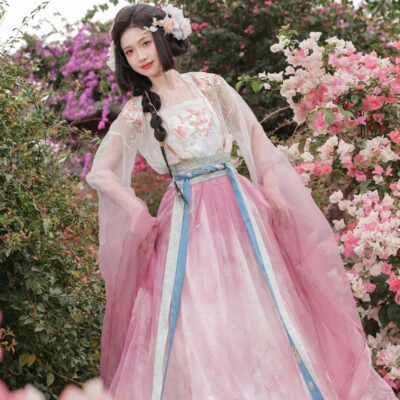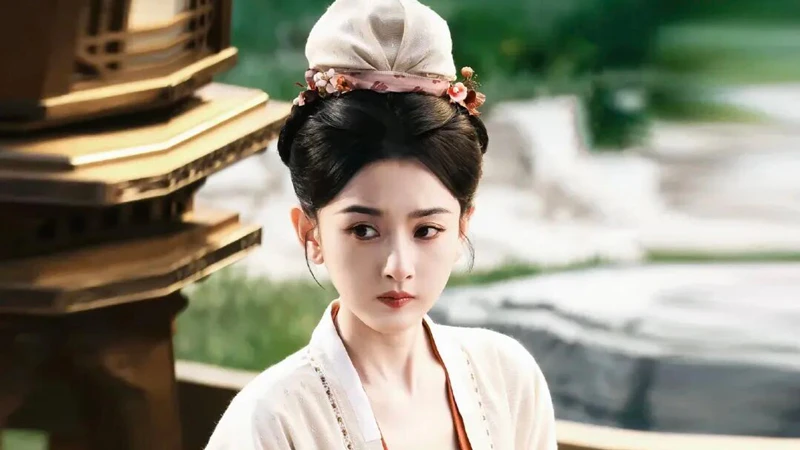
If you have watched any Chinese period drama set in the Song dynasty recently, you might have noticed a puzzling accessory. Actresses like Song Zuer (宋祖儿) in Sikong Ling (司宫令), Liu Yan (柳岩) in A Dream of Splendor (梦华录), and Wu Jinyan (吴谨言) in The Double (墨雨云间) all appear with a piece of cloth wrapped tightly around their buns. To many modern eyes, it looks exactly like a shower cap or a chef’s hat.
But is that really what it is? The short answer is no. This seemingly simple headpiece has a name. It is called a Baopa (包帕), or wrapping cloth, and the overall hairstyle is known as Baoji (包髻), or wrapped bun. Far from being a practical joke from the costume department, it represents a fascinating piece of daily life from a thousand years ago, blending utility with a quiet sense of aesthetics that we are only just beginning to appreciate again.
A Misunderstanding of Color and Context
The confusion is completely understandable. In The Double, the students wear white Baopa, which bears a striking resemblance to the modern chef’s hat. It is not the shape but the color that tricks our eyes. When the wrapping cloth is plain white and simple, our brains instantly connect it to contemporary kitchenware. However, this is purely a matter of modern association. If you look at historical paintings and murals, the Baoji was rarely just a plain white rag. It was a deliberate part of an outfit.
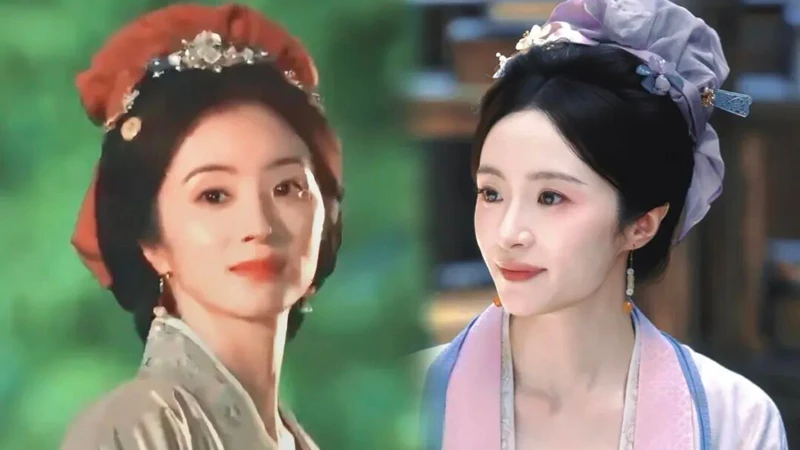
For example, when the actress Hu Bingqing (胡冰卿) wore a red or purple Baopa paired with matching clothing and accessories like pearls and silk flowers, the visual effect changed entirely. It stopped looking like a utilitarian item and became a decorative statement. The ancient wearers were not trying to hide their hair; they were framing it. The color and material choices were a form of self-expression, revealing the wearer’s taste and social status.
Humble Rags to Silk Treasures
The material of the Baopa was a clear indicator of one’s place in society. For noblewomen, the cloth was often made of silk or fine silk-like materials such as Juan (绢) and Zeng (繒). These were luxurious fabrics that felt soft and carried a subtle sheen, elevating the simple act of hair-wrapping into a display of wealth. For commoners, the cloth was typically made of hemp or coarse linen.
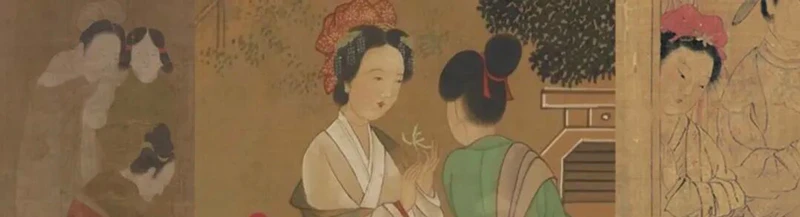
Interestingly, many women did not buy cloth specifically for their hair. They often used leftover scraps from making clothes. This was not just about saving money; it was a clever way to ensure the hair wrap matched the dress perfectly.
By using the same fabric, the outfit looked coordinated and intentional. It was a practical solution born of necessity that also served an aesthetic purpose. This duality—being both beautiful and functional—is a hallmark of ancient Chinese folk wisdom, proving that elegance does not always require extravagance.
Evolution of a Simple Style
The Baoji was not a static style. It evolved through the Tang (唐), Song, and Ming (明) dynasties, reflecting the changing tastes of each era. During the Tang dynasty, which was known for its opulence and grandeur, the wraps were often larger and more elaborate. They were frequently decorated with intricate floral patterns, entwining branches, and even gold or silver foil. The buns were huge, so the wraps had to be big enough to cover them. In the Song dynasty, the aesthetic shifted.
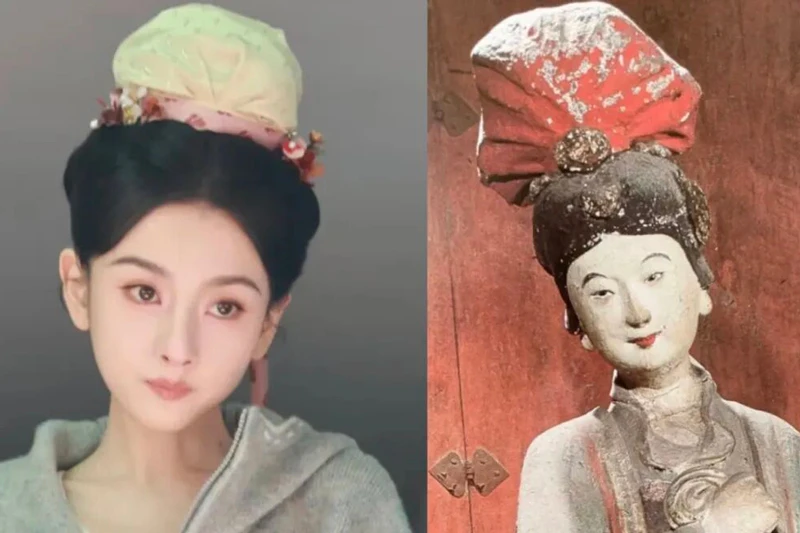
People favored subtlety and understated elegance. The wraps became smaller, more modest, and usually in solid, muted colors. It was a reflection of the dynasty’s reserved cultural values. By the Ming dynasty, the styles became more diverse and complex, integrating with other hair ornaments like golden pins and jade hairpins. This long history shows that the Baopa was not a temporary fad. It was a practical invention that adapted to the cultural climate of the times, remaining relevant for centuries because it solved a simple problem: how to keep hair tidy while looking good.