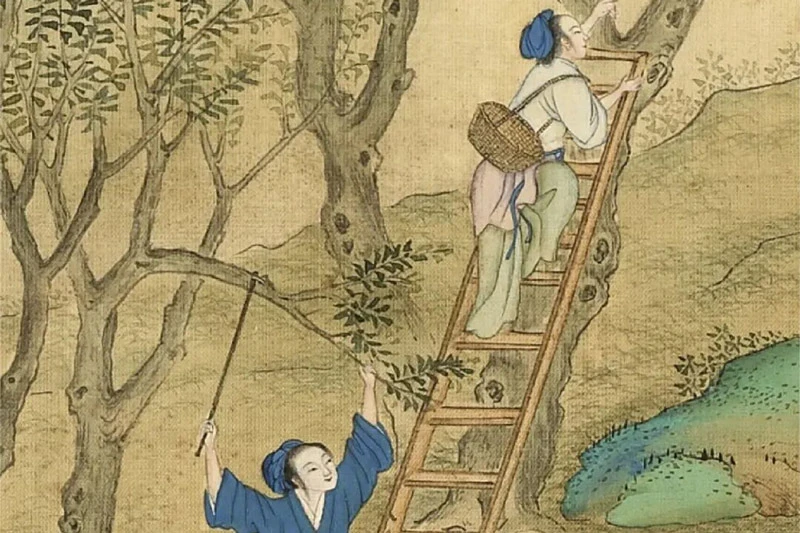
Ever wondered what a real day looked like for an Ancient Chinese Woman before alarm clocks, takeout apps, or binge-watching? Forget the fragile stereotypes of embroidery-obsessed maidens waiting for lovers. From dark before dawn to lantern-lit curfews, her 24 hours were packed with fire-starting, field-plowing, ledger-balancing, and even midnight romance—all without a single notification ping. Let’s step into her sandals and live one complete day, hour by gritty hour.
Before Sunrise
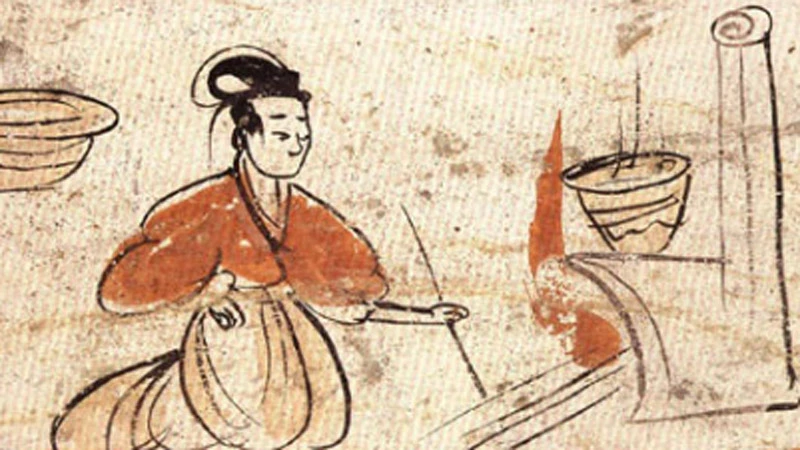
The rooster crows once. No phone, no snooze button—just habit. A maid in a wealthy household rushed to boil water and prep washing tools before her mistress stirred. An ordinary Housewife felt her way to the kitchen in pitch black, striking flint stones and blowing on tinder. Without gas stoves, getting a fire going was a ten-minute battle of patience and lung power.
Interestingly, after the Song Dynasty, city women already had a version of takeout. According to Dongjing Meng Hua Lu (东京梦华录), vendors in Bianjing (汴京) sold face-washing water, toothbrushes, and hot breakfasts like stewed lungs on morning streets. Didn’t feel like cooking? Just buy it.
She didn’t need a motivational quote to start. She needed fire, water, and the quiet determination that comes from knowing the whole house depends on you. No screens. No scrolling. Just work.
The Ritual
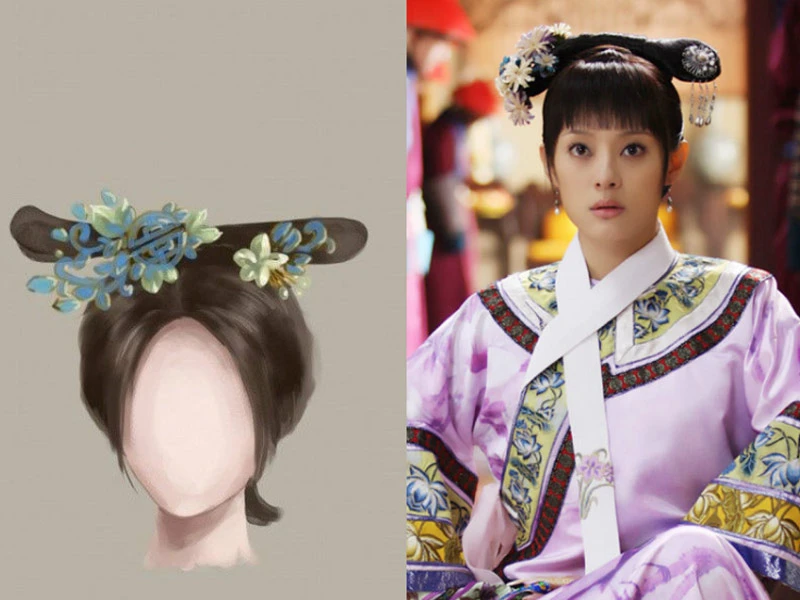
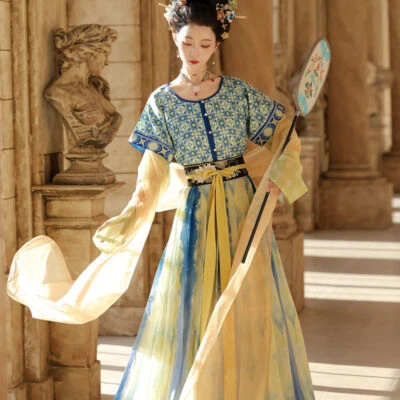
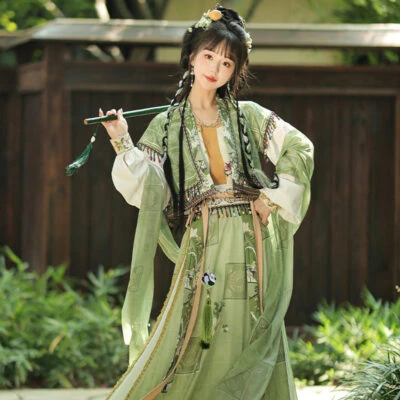
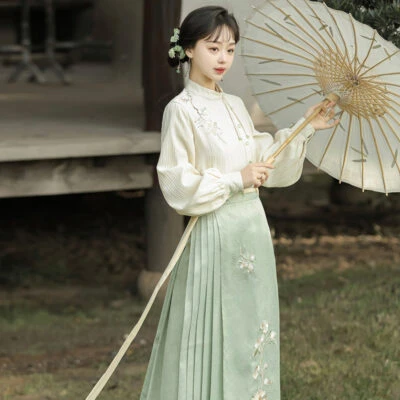
Getting ready wasn’t a five-minute dash. An Ancient Chinese Woman’s makeup routine could rival any modern influencer’s: powder, rouge, eyebrow painting, flower-shaped Hua Dian (花钿) on the forehead, dimples painted on, red temples, lip color. A full hour, easy. Eyebrow styles alone had endless variety—distant mountain brows, willow leaf brows, even shaved-off brows replaced with bizarre shapes during the Tang Dynasty (唐朝). That was true eyebrow freedom.
But not every woman painted her face. A busy peasant wife had no time for such luxuries. She simply faced her bronze mirror, tied up her hair with a wooden hairpin, and headed to the fields. Vanity was for those who could afford it; survival wasn’t pretty.
One detail often missed: the Face Powder was made from ground rice or lead—yes, lead. Beauty had a toxic price. Yet she applied it anyway, because looking presentable in public was part of her unspoken job description.
Golden Labor
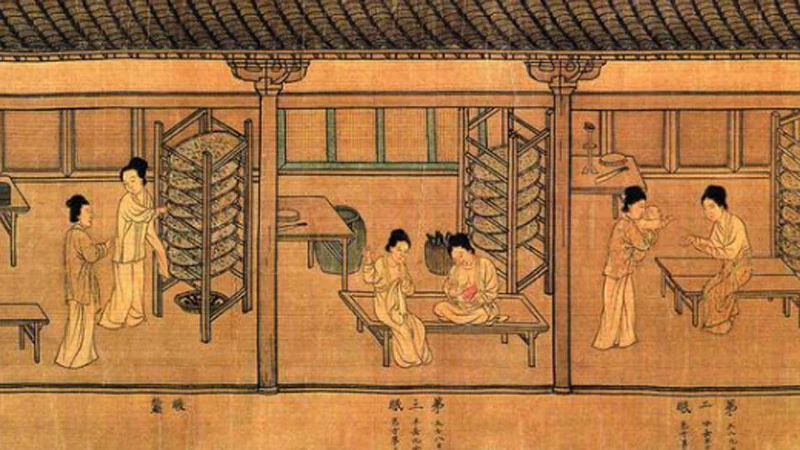
Forget the idea that ancient women only embroidered. A farm woman planted rice seedlings, raised silkworms, and watered vegetables. A merchant’s wife kept accounts, managed shop affairs, and entertained business guests. An official’s daughter studied classics, played the Guqin (古琴), painted, and ran household logistics. Their work was as diverse as any modern portfolio.
Then there was Nü Gong (女红)—needlework that included weaving, embroidery, and sewing. This wasn’t a hobby; it was cold, hard cash. Many families survived on what the wife stitched. Take Liu Lanzhi (刘兰芝) from Peacock Flies Southeast (孔雀东南飞), who could weave fine silk at thirteen. That’s a marketable skill, not a pastime.
She didn’t clock out at five. The fields, the ledgers, the loom—her hands moved from one task to the next without applause. And yet, she got it done. Every single day.
Midday Meal
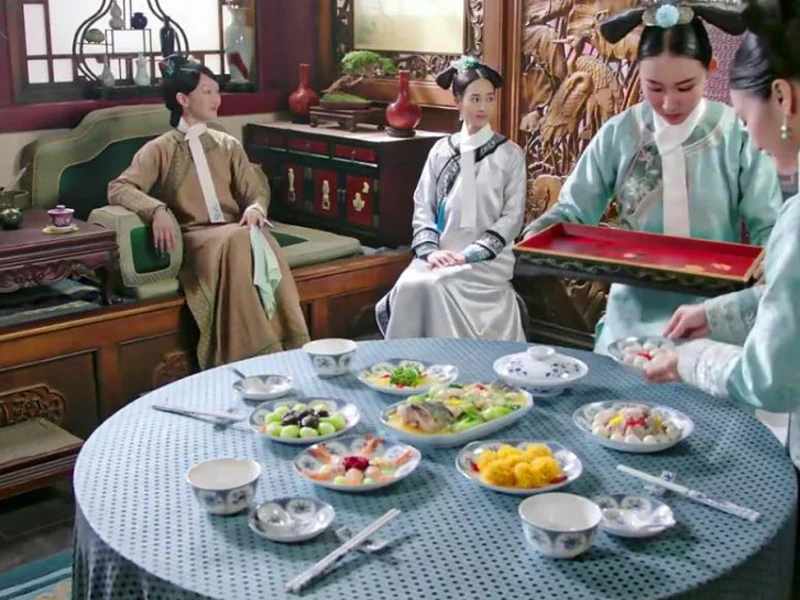
Lunch for a common family was simple: a bowl of millet rice, pickled vegetables, maybe a salted fish. After the Song Dynasty, tofu became common, and wheat foods like fried dough sticks and steamed buns spread to ordinary tables. Wealthy households, of course, had four dishes and a soup, plus chicken or fish for festivals.
But here’s the strict rule: “no talking while eating.” In stricter families, the Housewife served everyone else first and only sat down after her husband finished. Imagine that today—Twitter would explode. She managed hunger and hierarchy at the same table, swallowing both food and frustration.
Yet she didn’t complain. Not because she lacked a voice, but because survival left little room for self-pity. Lunch was fuel, not a social event.
Leisurely Hours
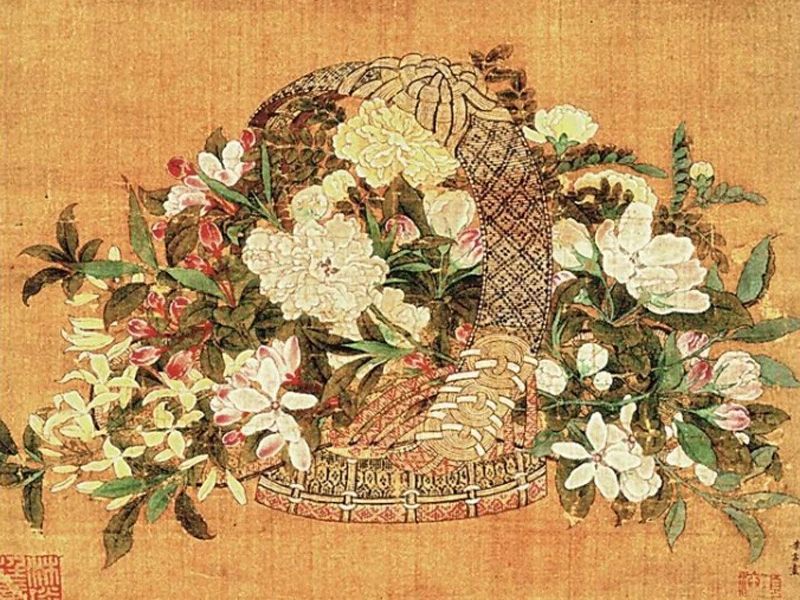
Afternoon offered a rare breather. Some napped. Others continued needlework or pursued personal joys. Tang Dynasty women loved polo and swinging; Song Dynasty women competed in tea whisking and flower arranging. By the Ming and Qing Dynasties (明清), educated young ladies devoured plays and novels—The Peony Pavilion (牡丹亭) was their bestseller, read with tearful obsession.
What we envy most? No WeChat, no endless short videos. She could sink into a single task for months. Embroidering a Suzhou Embroidery (苏绣) piece took half a year—total flow state. That kind of deep focus is almost impossible today, with buzzing phones and pinging notifications.
She didn’t need dopamine hits from likes. She got hers from a perfectly stitched petal or a well-brewed cup of tea. Slower, yes. But also richer in ways we’ve forgotten.
Evening Hustle
As the sun set, the warmest hours arrived. After dinner, the Housewife tallied the day’s expenses, planned tomorrow’s chores, and checked children’s homework. Home was her workplace, and running a household was no smaller than running a small company. “Men outside, women inside” wasn’t about inferiority—it was a division of labor.
A woman who kept an extended family running smoothly—tracking rice, oil, social visits, and children’s education—would make an excellent CEO today. She negotiated, budgeted, scheduled, and mediated conflicts. All without an MBA.
She didn’t get a corner office. She got a kitchen and a loom. But her decisions fed people, settled disputes, and raised the next generation. That’s power, just quieter than a shouting general’s.
Curfew & Stars
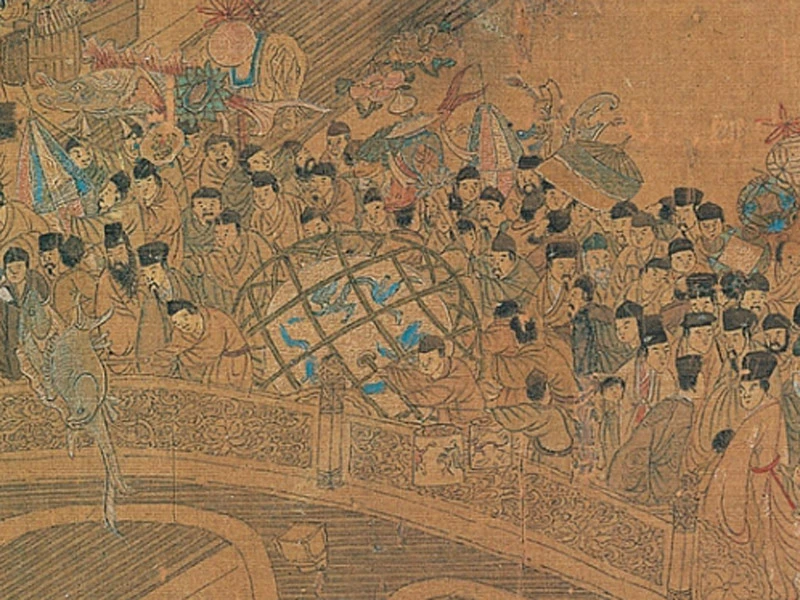
Deep night. Silence. Her day ended here. No nightlife, no drama series to stream. She rested early because the rooster wouldn’t wait. But wait—there was an exception. During the Tang Dynasty’s Lantern Festival, the capital Chang’an (长安) lifted curfew for three nights. Women could stroll under lanterns, a rare taste of freedom. “The moon climbed atop the willow trees; we met after dusk”—that poem captures those stolen, romantic hours.
She didn’t have our choices or rights. But within her limits, she built a life of quiet dignity. She was wife, mother, daughter—and also laborer, creator, manager. Her story never made the official histories, but it was written every sunrise and sunset.
So next time you complain about a busy day, remember her. No phone. No takeout. No vote. And yet she rose, worked, loved, and rested—with a fullness we might just envy.