
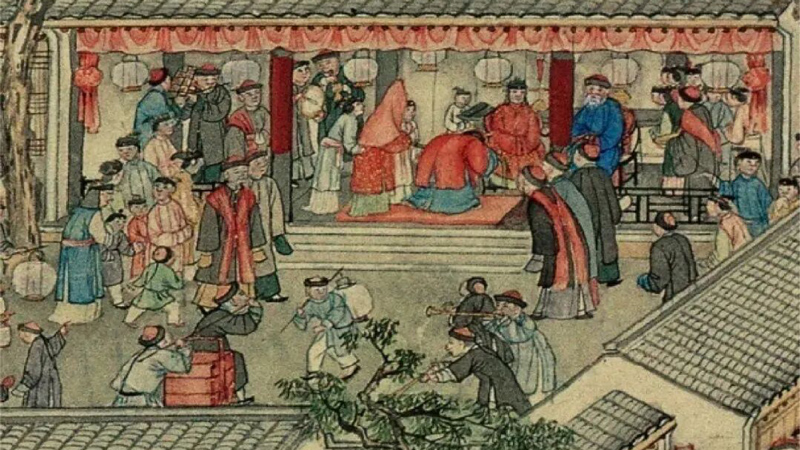
Does Ancient “Na Zheng (纳征)” Still Define Modern Marriage? When a man presents betrothal gifts today, it’s often seen as a gesture of sincerity. Yet, this custom is far more than a modern transaction—it is a remnant of a complex ritual system that once dictated the very legality of marriage. From its origins as a symbolic act involving deer hide to its evolution into a high-stakes financial exchange, the tradition of betrothal gifts has always been a mirror reflecting societal values, class structures, and even the shifting rights of women.
But how did a simple bundle of silk transform into a practice that could make or break a union, and what does its enduring presence say about our own views on love and commitment?
The Ritual That Made Marriage Legal
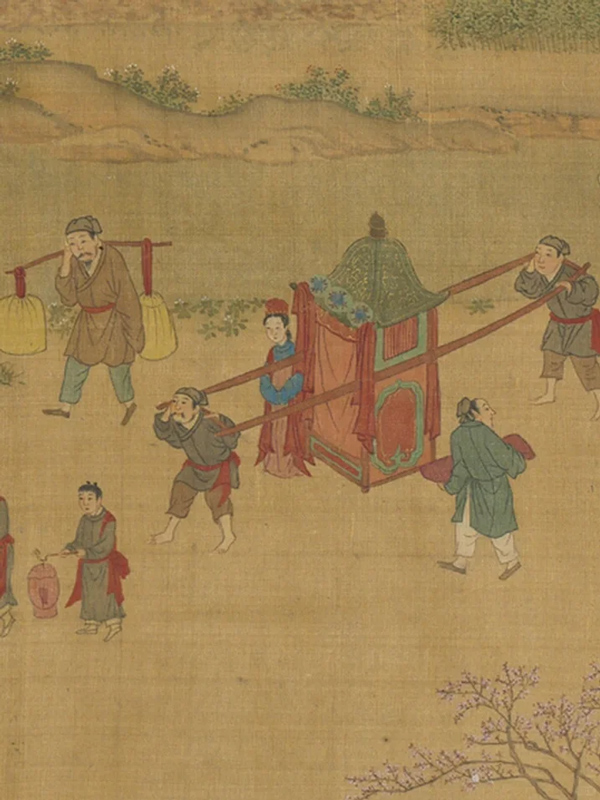
In ancient China, marriage wasn’t merely a personal affair; it was a legally binding contract validated through a series of six rites. The core of this process was Na Zheng, the formal presentation of betrothal gifts. Without this step, a union was considered “ritually incomplete,” holding no legal standing. The Tang Code Commentary (唐律疏议) stipulated that betrothal gifts served as the essential proof of a marital agreement—even in the absence of a written contract, their acceptance was legally binding.
This system, which solidified the engagement, meant that once a family accepted the gifts, neither party could easily break the vow without severe social and legal repercussions. It was a mechanism that shifted the promise from a verbal agreement to a tangible, unbreakable contract. This practice was so deeply embedded that it became the bedrock of traditional Chinese marriage, ensuring stability and formalizing the alliance between two families for generations.
Deer Hide to Gold: A Shift in Meaning
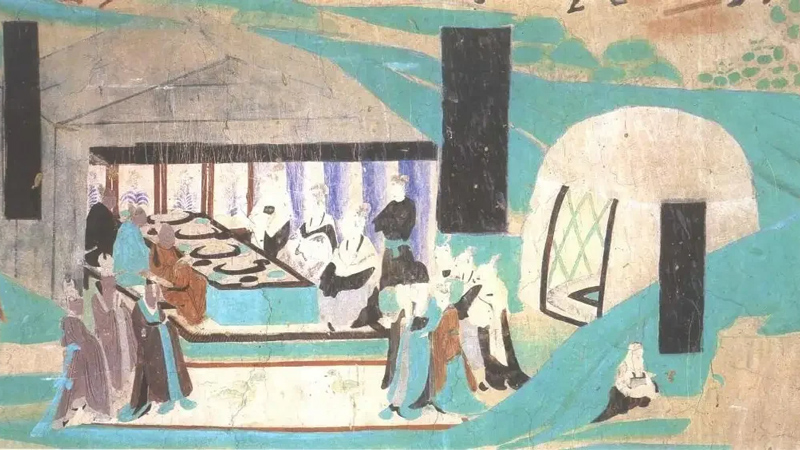
In the pre-Qin era, the Na Zheng ritual was humble yet deeply symbolic. According to Ceremonies and Rites, the standard gifts were Xuanxun Shubo (玄纁束帛)—bundles of black and light crimson silk—and a pair of deer hides. These items weren’t about monetary value. The two colors symbolized the dusk, the traditional time for a marriage ceremony, while the deer hide represented the groom’s ability to provide for a family. It was a pledge of virtue, not a display of wealth.
However, the Han Dynasty marked a pivotal shift. When Emperor Hui of Han married his empress, his betrothal gifts included a staggering 20,000 jin of gold and twelve horses. This lavish display trickled down through society, transforming the symbolic gesture into a measure of wealth. By the Tang Dynasty, “wealth marriage” became prevalent, with families of old aristocratic lineage commanding exorbitant bride prices. The practice evolved from a ritualistic promise into a transactional exchange where fortunes were made and social status was aggressively pursued.
Bridal Trousseaus, Social Class, and a Woman’s Property
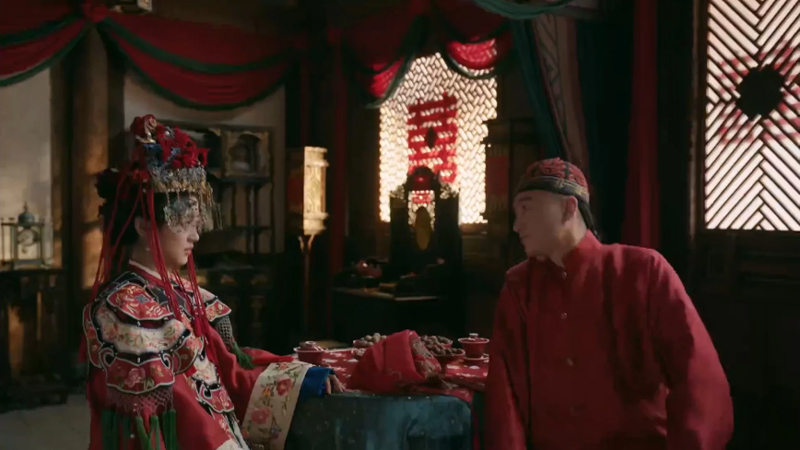
The content of betrothal gifts was strictly dictated by social hierarchy. A royal wedding involved jade scepters, while a commoner’s might only include a simple black silk fabric. This stratification continued for centuries. By the Ming and Qing dynasties, a prince’s betrothal ceremony could involve a complex inventory of silks, satins, and intricate gold jewelry. Simultaneously, regional variations flourished; the wealthy merchant class in the south emphasized “three golds” (gold bracelets, gold ingots, and gold pendants), while other regions developed unique customs like the “tea ceremony” betrothal.
A fascinating evolution occurred during the Song Dynasty: the legal recognition of a woman’s dowry as her independent property. The dowry, often seen as the counterpart to the betrothal gifts, became a legally protected asset. Marriage contracts meticulously listed each item, providing a woman with financial security and a modicum of independence. This change, fueled by the rise of the civil service examination system and a burgeoning commercial economy, added a layer of complexity, turning the exchange into a negotiation over a woman’s economic rights, not just her role in her husband’s family.
The Enduring Spirit of the Contract
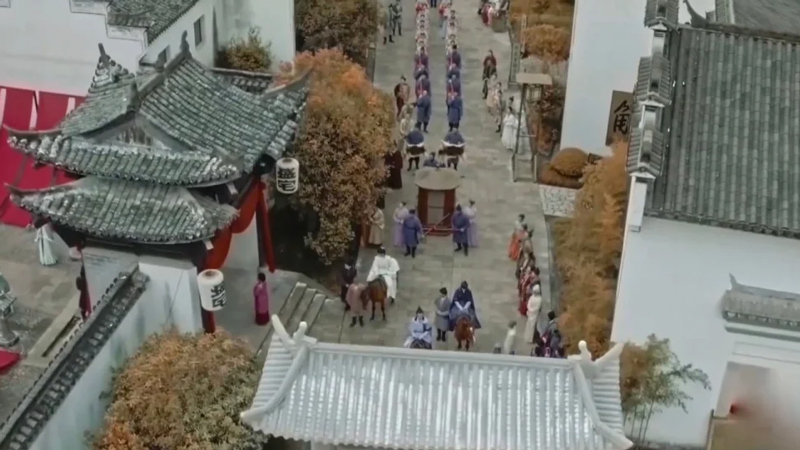
While the elaborate six rites of ancient marriage have largely condensed into the modern practices of engagement and wedding ceremonies, the core principle of Na Zheng persists. The modern equivalent, betrothal gifts, still acts as a binding agreement and a public declaration of commitment. The form has changed—from deer hides to cash, from silk to property deeds—but the underlying concept of a formal exchange that cements the union remains.
This ancient custom continues to spark modern debate, balancing traditional expectations against contemporary values of partnership. It serves as a tangible link to a past where marriage was a foundational contract of social order. Today, as couples navigate these traditions, they are not just exchanging gifts but also negotiating their place within a cultural lineage, echoing a practice that has, for millennia, transformed two families into one.
