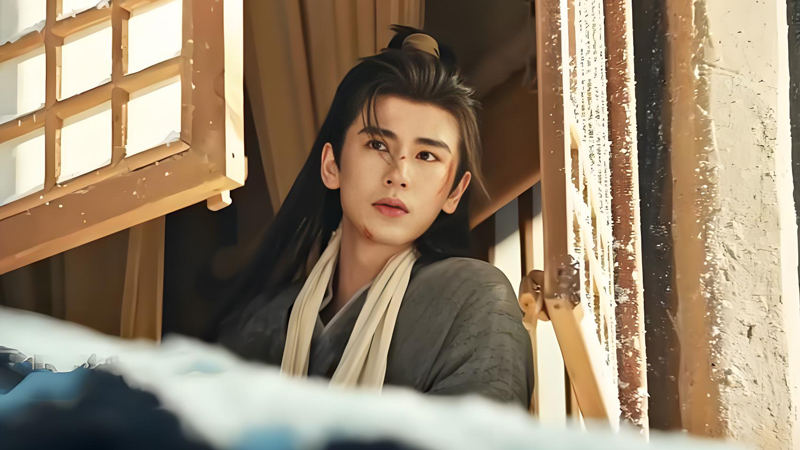
What happens when a man trades genuine loyalty for social climbing, only to watch his ambitious plans collapse into dust? The Chinese drama Pursuit of Jade (逐玉) offers a brutal answer through its unforgettable character Song Yan (宋砚), a figure so infuriatingly real that viewers cannot help but see fragments of human weakness in his journey. Set against the vibrant backdrop of the Shangyuan Festival (上元节), the story follows Fan Changyu (樊长玉), a woman forced to grow up too fast after tragedy strikes her family.
When her former fiancé reappears, the encounter exposes not just personal betrayal, but a universal truth about human nature: those who abandon integrity for status often end up with neither. The festival lanterns floating on the river, traditionally symbols of hope and blessing, become ironic witnesses to a confrontation that reveals the ugliest corners of the human heart. Through Song Yan's rise and catastrophic fall, the narrative forces audiences to question what truly defines a person—their ambitions or their actions toward those who once helped them.
The Betrayal That Burns Like Rejected Lanterns
The confrontation at the riverbank cuts straight to the emotional core of Song Yan's betrayal. When Song Yan approaches Fan Changyu during the lantern festival, his words drip with self-serving nostalgia. He suggests releasing lanterns together inscribed with both their names, pretending their broken past can be so easily mended. But Fan Changyu remembers everything clearly—the ten years her family supported his education, the basic necessities they provided including his mother's monthly needs, and the ultimate betrayal when her parents died. Instead of gratitude, Song Yan's mother spread rumors labeling Fan Changyu a cursed figure, using superstition as a convenient excuse to break their engagement when a county magistrate's daughter became available.
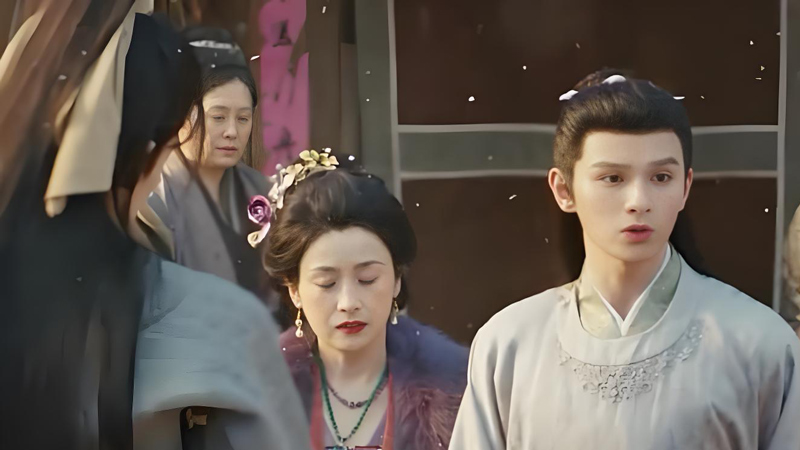
The confrontation intensifies when the magistrate's daughter appears and takes Song Yan's side. His immediate shift in attitude reveals his true nature—he publicly humiliates Fan Changyu by claiming she cannot forget him while declaring his heart belongs to another. This moment crystallizes something crucial about human behavior: the worst people are not always obvious villains, but rather those who wear masks of respectability while practicing calculated cruelty.
Fan Changyu's sharp response cuts through his pretenses when she warns the other woman that Song Yan views her family merely as stepping stones toward even higher connections. Her observation about his ten-year pattern of using the same "studies first" excuse exposes how manipulative individuals recycle convenient narratives to serve their changing circumstances.
Scholar's Robes to Ruined Dreams
Song Yan's trajectory follows a pattern painfully familiar throughout human history. His academic achievements came largely through Fan Changyu's family resources, yet success bred contempt rather than gratitude. After passing the provincial exams, he attracted the magistrate's attention and immediately began distancing himself from those who had carried him through poverty. The timing of the broken engagement—immediately following her parents' deaths—demonstrates opportunism dressed in social convention.
When kind-hearted people suggested Fan Changyu needed a husband to protect her property from greedy relatives, Song Yan reappeared offering to take her as a concubine, a proposal so insulting it sparked widespread viewer outrage. His calculation was transparent: maintain connection to her property while keeping himself available for better matches.
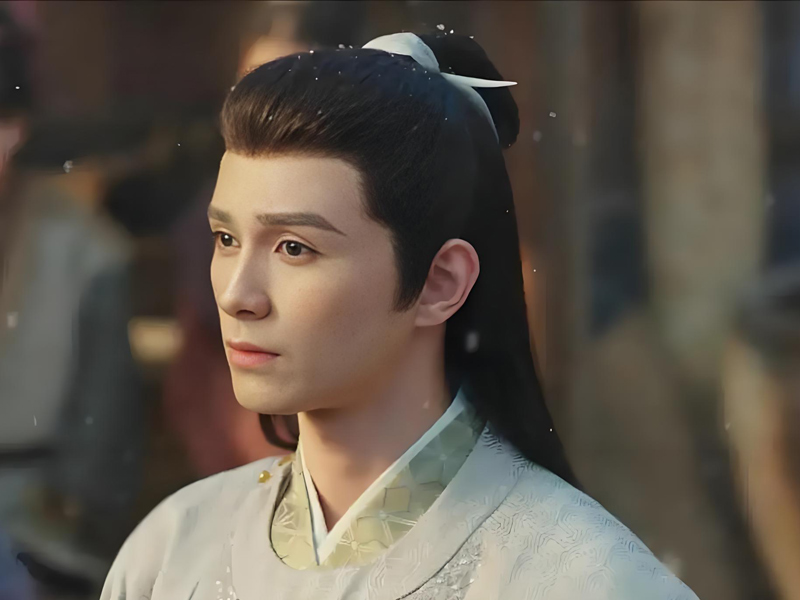
Fate, however, had different plans for the calculating scholar. While Song Yan traveled to the capital for higher examinations, chaos erupted in Qingping (清平) County. Rebels stormed the government office, killing both his mother and the magistrate's family in the violence. The news shattered his composure completely, leading to examination failure and dashed political ambitions. Here the narrative offers profound observation: those who build futures entirely on social climbing and strategic relationships construct houses on sand.
When disaster struck, Song Yan possessed no internal resources, no genuine friendships, no foundation of integrity to sustain him. Another scholar, Xie Zheng (谢征), had previously described Song Yan with a haunting metaphor: "wild geese flying south, but the land is filled with phoenixes who leave no room for common birds." This observation proved prophetic—among truly talented candidates, Song Yan's mediocrity became painfully exposed.
Straw Bedding and the Final Reckoning
The cruelest irony awaits Song Yan when desperation drives him to accept a tutoring position, only to discover his students are Fan Changyu's younger sister and that the despised husband he once mocked is actually the Marquis of Wu'an (武安). His recognition of complete ruin arrives with devastating clarity. The original novel describes his final days with stark simplicity: homeless, taking shelter in the marquis's stables, eating discarded food, sleeping on straw through bitter winter months. When death came during the cold season, no one noticed or claimed his body. This ending resonates not merely as punishment for broken engagements, but as the natural consequence of a life built entirely on self-interest and strategic betrayal.
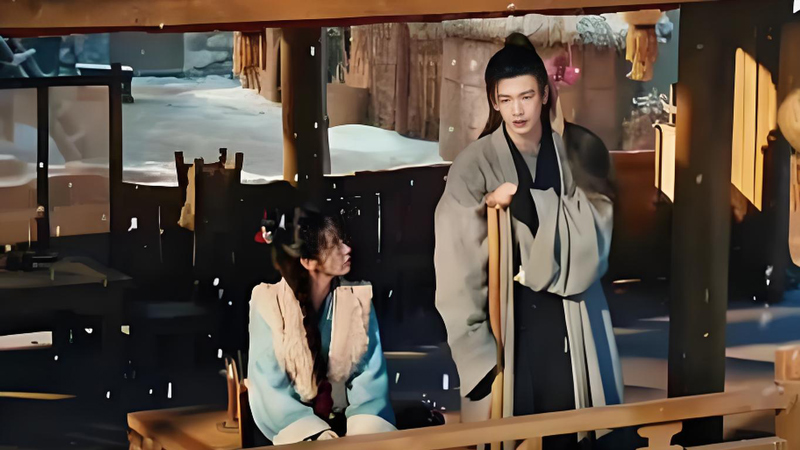
What makes Song Yan's story so compelling lies in its uncomfortable honesty about human nature. He represents those who read Confucian texts about virtue while practicing ruthless calculation, who embrace kindness when needy and discard it when inconvenient. The drama forces viewers to examine their own circles—the colleagues who shift loyalties with promotions, the friends who disappear when no longer useful, the acquaintances wearing masks of respectability while making cold calculations.
Fan Changyu's journey from betrayed woman to respected general offers the counterpoint: genuine character emerges through adversity, while opportunism eventually collapses under its own emptiness. The floating lanterns that carried blessings for Song Yan's success become symbols of misplaced hope, illuminating a truth as old as human society—kindness given to the ungrateful eventually returns to bless the giver, while cruelty practiced on the vulnerable eventually consumes the cruel. In Song Yan's frozen, unclaimed body lying on stable straw, viewers witness not fictional justice but universal law: how we treat those who can do nothing for us defines who we truly become.