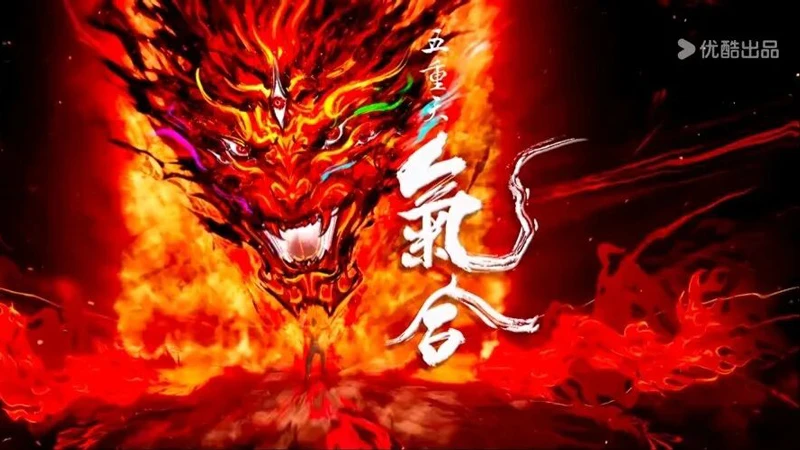
In a landscape crowded with derivative fantasy tales, one series cuts through the noise with its relentless pacing and stunning spectacle. The second season of The Demon Hunter (沧元图), adapted from the classic web novel by I Eat Tomatoes, has solidified its place as a breakout hit. This exclusive Youku series, which premiered on December 6, 2024, masterfully weaves a dual narrative of a young man’s fiery growth and humanity’s epic struggle for survival. It has reignited passion for the genre, emerging as a dark horse champion in the realm of Donghua (动画) and carving out a distinct space for Eastern fantasy.
The Siege and the Secret
Picking up after Meng Chuan’s (孟川) heroic defense of Dongning City, the scope expands dramatically. The story shifts to Yuanchu Mountain (元初山), humanity’s last bastion of hope. The Cang Yuan World (沧元界) is under existential threat, besieged by millions of demonic creatures. With its guardian deities dwindling, traditional cultivation systems are failing. To forge a champion who can turn the tide, Yuanchu Mountain initiates a brutal, winner-take-all trial. Meng Chuan, still driven by his vow to avenge his mother, enters this crucible as a wildcard variable, his presence a potential spark in a stagnant war.
The season’s most electrifying sequence is Meng Chuan’s solo stand against 499 elite cultivators. This is not a simple display of overpowering strength; it unravels a conspiracy that shakes the world’s foundation. As he battles, the truth of the Hongmeng Golden List (鸿蒙金榜) is revealed. The Cang Yuan World is merely a testing ground for higher-dimensional powers, already contaminated by the evil god “Cocoon of Termination.” Countless lives have become unwitting pawns. Meng Chuan’s mission evolves from personal vengeance to a desperate bid to save all realms.
This conflict forces impossible choices. Yuanchu Mountain’s leadership adheres to a brutal calculus: sacrifice the few to create a single, powerful enough savior. This philosophy injects profound moral tension into the narrative. Audiences are left to grapple with the cost of “the greater good,” questioning how many lives can justifiably be spent to forge a shield for the many.
Metamorphosis and New Faces
Meng Chuan’s journey is one of radical transformation. No longer a recklessly brave youth, he matures under extreme pressure. During the trials, he awakens the extraordinary Qise Sha (七色煞), or Seven-Colored Fiend Energy. Each color corresponds to a powerful emotion—joy, anger, sorrow—each manifesting as a unique and devastating combat technique. He innovates further, breaking conventional limits to pioneer a “Triple Cultivation” path for body, spirit, and energy, laying crucial groundwork for the battles ahead.
His bond with Liu Qiyue (柳七月) takes a tragic turn. To suppress the chaotic power corrupting Meng Chuan from within, she makes the ultimate sacrifice. She forsakes her physical form, fusing her soul into his demon-slaying blade to become its guardian spirit. This act of silent, profound devotion adds a layer of somber weight to his path, moving countless viewers.
New characters bring vibrant energy and immense power. Ji Yuantong (姬元通), Yuanchu City’s top genius, wields the ancient power of the Candle Dragon. Chu Yong (楚雍), a prince of Da Zhou (大周), commands the mysterious force of the Six Paths of Reincarnation. The prodigy Li Shaoying (李少英) can summon blizzards with a wave of her hand. A particular mystery is Xiao Ye (小野), an original character for the animation. This ten-year-old boy, carving wooden statues of Meng Chuan while riding a donkey, exhibits an eerie wisdom beyond his years, making his true identity a fan theory favorite.
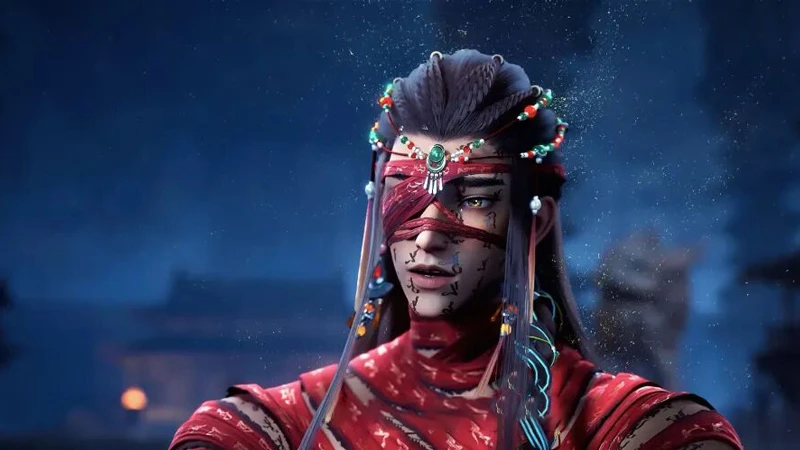
Perhaps the most poignant new figure is Ning Yibu (宁一卜) of the Black Sand Cave Heaven. He employs a unique Jun Nuo (军傩) power, combining it with chess strategy to summon living game pieces—Chariots, Horses, Cannons—to fight. His creative battle style is unforgettable. In a heart-wrenching moment, he burns his own soul to help Meng Chuan obtain a divine weapon, a sacrifice that stands as one of the season’s most emotionally powerful scenes.
A Visual Symphony
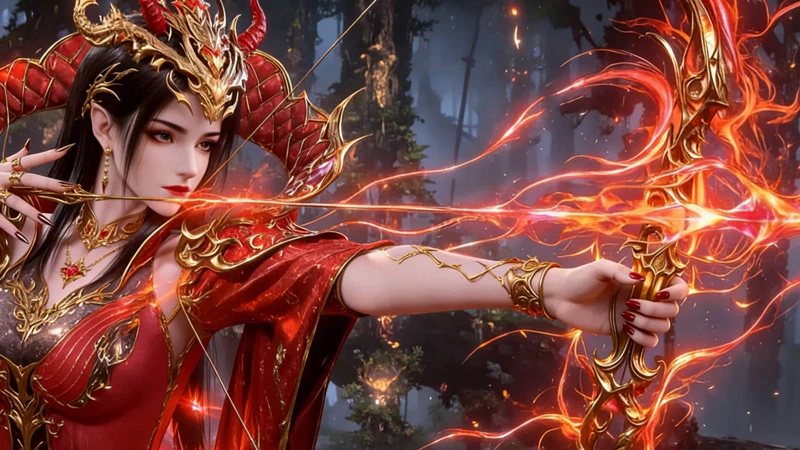
The season’s visual artistry sets a new standard. The production team seamlessly integrates traditional Chinese aesthetics with modern animation. They employ ink-wash painting styles, Peking Opera mask motifs, and calligraphic lighting effects to create a unique New Chinese Style (新国风) visual language. When Meng Chuan releases his Qise Sha, vibrant colors bloom across Shui Mo (水墨) backdrops. Ning Yibu’s giant chessboard battle阵 is a spectacle of intricate, wallpaper-worthy detail.
The fight choreography honors the legacy of Wuxia, with every move feeling purposeful and impactful. This is perfectly complemented by a groundbreaking soundtrack that mixes the piercing intensity of the traditional Suona (唢呐) with driving rock music. The result is a sonic adrenaline rush that makes every battle feel cathartic and epic.
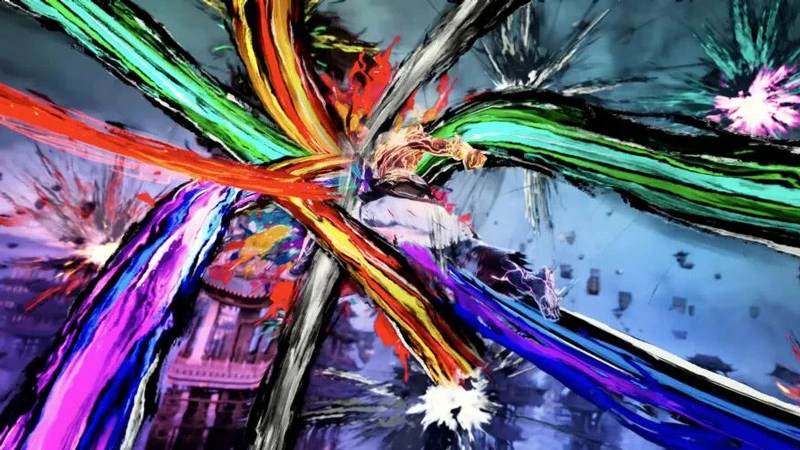
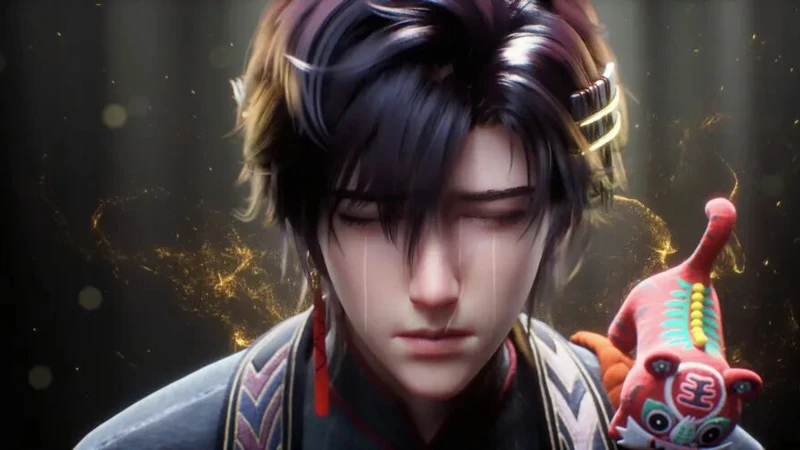
Character designs received significant upgrades. Meng Chuan’s new look sheds youthful naivety for the sharp,沉稳 demeanor of a rising leader. The various geniuses boast distinct styles that visually telegraph their personalities. This cohesive aesthetic fully realizes the unique charm of Eastern fantasy.
Expanding the world, an extra episode titled *The Demon Hunter: The Demon Saint Descends* launched on June 20, 2025. Narrated from the demon tribe’s perspective, it explores their internal power struggles and conflicts, adding depth and nuance to the central human-demon war. This enriched world-building has left fans eagerly demanding the next season.
From a local academy student to a linchpin for humanity’s survival, Meng Chuan’s path is paved with thorns and glory. The second season of The Demon Hunter delivers thrilling action, deep emotional stakes, and polished production. It proves that with dedicated craft, Chinese animation can create premium, original work that captivates both existing fans and new audiences. For anyone seeking fiery fantasy and breathtaking art, this Youku series is an essential watch.