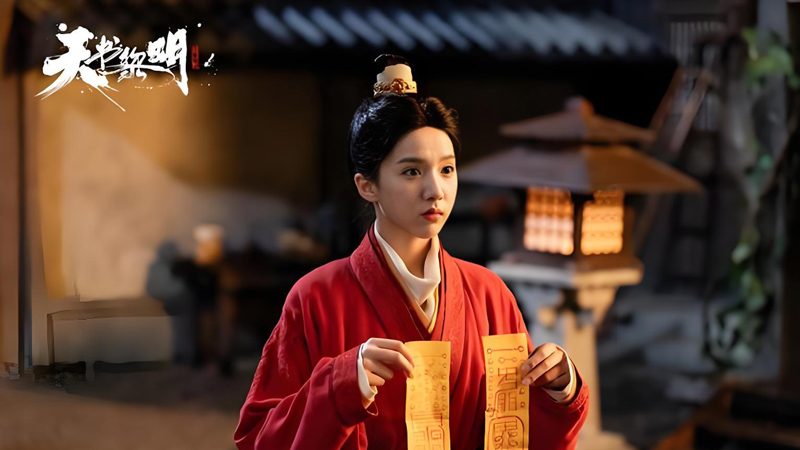
A new period mystery series quietly premiered on national television, yet its arrival stirred little immediate fanfare. Treasure at Dawn (天书黎明) features young investigators using ancient medical wisdom to solve crimes, a premise that seemed ripe for attention. Starring Li Hongyi (李宏毅), Su Xiaotong (苏晓彤), and Yu Cheng'en (余承恩), the show promised a blend of historical intrigue and Traditional Chinese Medicine (TCM) unlike anything else on air. Despite its creative ambitions, viewer numbers have been modest, leaving many to wonder if this unique drama has been prematurely overlooked. What happens when a detective's toolkit contains not a magnifying glass, but acupuncture needles and herbal formulas?
A Novel Prescription
The series immediately distinguishes itself through its core investigative method. The story begins with a mass poisoning at a medical gathering. Li Hongyi's character, Fu Sheng (符生), a young physician, finds himself the prime suspect after his mentor dies clutching a rare medicinal ingredient. To clear his name, he must rely on the Yellow Emperor's Inner Canon (黄帝内经), applying diagnostic principles like observation, listening, questioning, and palpation to crime scenes. A discolored tongue coating or an irregular pulse becomes a vital clue. In the opening episodes, over twenty specialized TCM terms are introduced, most later proving essential to unravelling the mystery, lending an authenticity rarely seen in television procedurals.
This medical framework structures each case. One mystery involves a death linked to a shadow puppet performance , where the killer used a specially concocted poison. Fu Sheng employs silver needles to draw out toxins, reverse-engineering the murder method. Another case centers on a stolen acupuncture bronze figure, where the very meridians and points on the statue hide the secret to the poisoning method. The show cleverly transforms medical theory into tangible puzzle pieces the audience can follow, creating a satisfying "howdunit" experience rooted in historical practice.
Beyond the puzzles, the production integrates cultural elements seamlessly. A mysterious Nuo Dance (傩舞) performance, complete with ritual masks, builds an eerie atmosphere while subtly educating viewers about folk traditions. This layering of cerebral mystery and cultural immersion forms the show's unique identity. It aims not just to entertain but to engage viewers with a different facet of historical China, where science, ritual, and philosophy were deeply intertwined.
An Overlooked Elixir?
So why has such a meticulously crafted show struggled to find a wide audience? Several factors may be at play. The narrative begins at a deliberate pace, taking time to establish its complex world of medical sects and political intrigue. Some viewers found the initial leap to naming a suspect in the first major case to be rushed, creating a slight disconnect before the detailed TCM-focused investigation begins. Furthermore, the series was held for two years before release, a delay in the fast-evolving digital landscape where audience tastes and attention spans can shift rapidly.
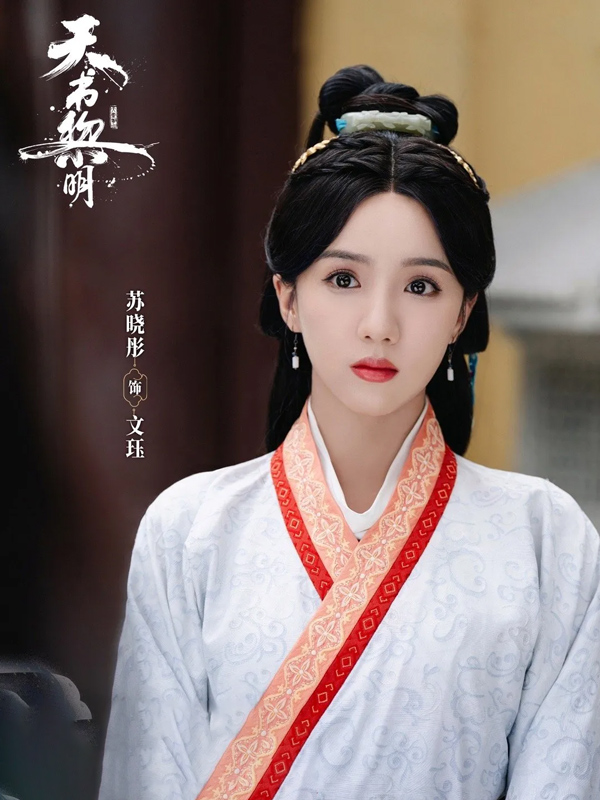
Performance interpretations have also sparked discussion. Li Hongyi portrays Fu Sheng as reserved and internally driven, a choice some perceive as lacking in overt dramatic flair. The chemistry with Su Xiaotong's character, Princess Wen Jue (文珏), develops gradually rather than erupting instantly. However, this allows their partnership to feel earned. Su Xiaotong herself sheds a prior "sweet girl" image brilliantly. Her princess is a walking herbal encyclopedia who can wield a silver needle as both a surgical tool and a weapon. In a standout scene, she calmly administers revival acupuncture on a corpse to preserve evidence while verbally sparring with a villain, a moment that won significant praise online.
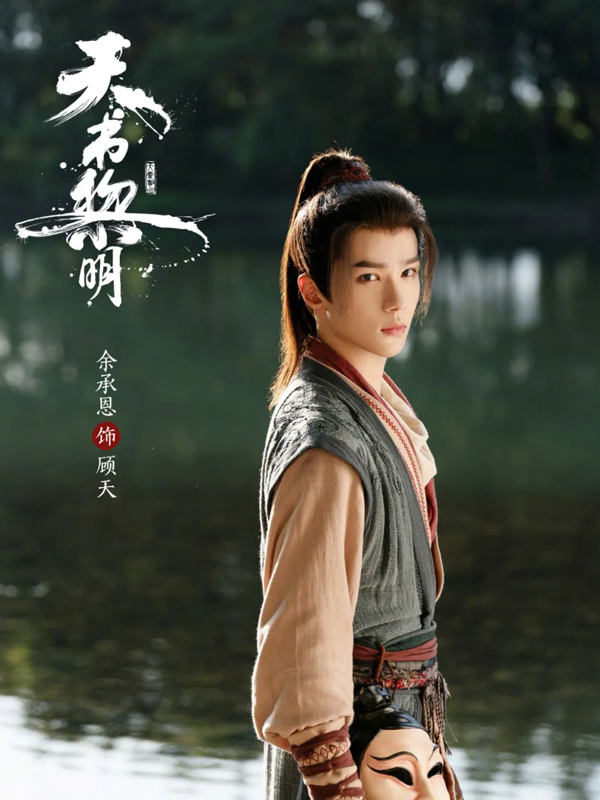
The third leg of the investigative team, the wandering swordsman Gu Tian (顾天) played by Yu Cheng'en, completes a balanced dynamic. He provides the physical prowess to complement the intellectual and medical skills of his companions. Their evolution from mutual suspicion to trusted allies is one of the narrative's steady strengths. As the plot moves into the search for a legendary medical text rumored to hold power over the realm, the stakes elevate from simple murder cases to a conspiracy threatening the state, deepening the thematic exploration of a healer's duty in a corrupt world.
Despite its quiet start, a dedicated appreciation is growing. Viewers captivated by the ingenious use of TCM clues and the stunning visual effects—like a towering, rotating herbal medicine cabinet—are championing the series online. In a genre often reliant on familiar tropes, Treasure at Dawn offers a genuinely different path. It asks the audience to slow down and appreciate the granular details, the logic of an ancient science, and the moral weight carried by those who heal. For anyone weary of conventional mysteries, this show might just be the perfect, unexpected remedy.