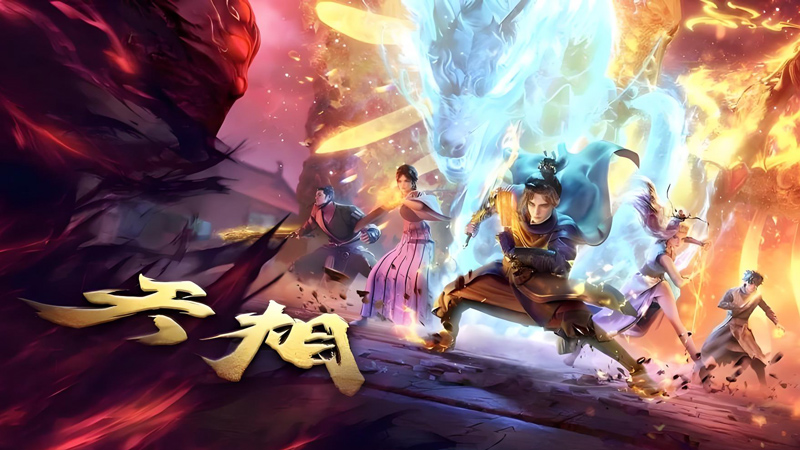
In the ever-expanding universe of Chinese animation, a new series is making waves with its unique blend of supernatural intrigue and heartfelt drama. Divine Manifestation (天相) emerges as a fresh entry in the genre, captivating audiences with its rare focus on spiritual and mystical themes. Set in a world where destiny and ghostly tales intertwine, this anime breaks away from conventional narratives, offering a story that is both emotionally resonant and visually striking.
With its protagonist's relentless quest and a plot shrouded in mystery, Divine Manifestation invites viewers into a realm where human bonds are tested against otherworldly forces. As it gains traction, the series promises to redefine what fans can expect from contemporary Chinese animation, blending traditional elements with modern storytelling techniques.
Character Dynamics
At the heart of Divine Manifestation lies the compelling relationship between Ding Xiao (丁晓) and his younger sister, Ding Ling (丁灵). From a young age, Ding Xiao made a monumental sacrifice, destroying his own spiritual fetus to save her from a dire fate. This act set him on a path of hardship, serving as a coffin bearer for the Zhen Ling Si (镇灵司) for eight long years. Despite facing scorn and isolation, his unwavering dedication to protecting Ding Ling drives the narrative forward. Her unique condition, being half-human and half-spirit, adds layers of complexity, making her not just a damsel in distress but a pivotal element in the unfolding conspiracy.
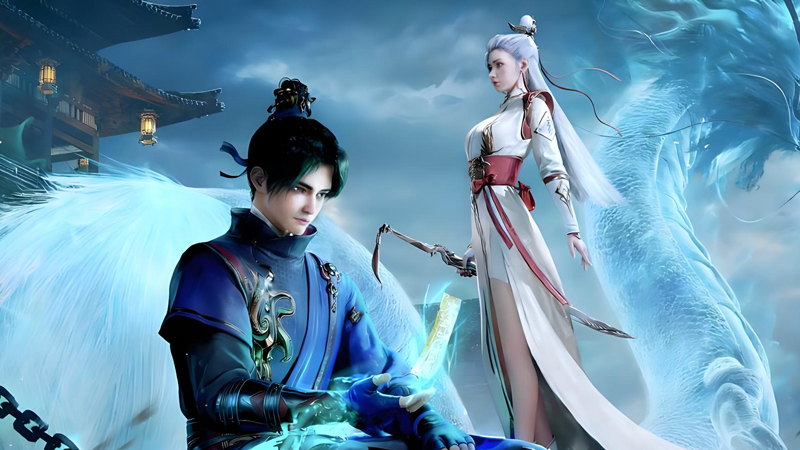
Ding Ling's plight is intricately linked to a dark event from fifteen years ago, a city-wide catastrophe that hints at deeper secrets. Her character embodies the series' exploration of identity and sacrifice, as her health becomes a ticking time bomb that propels the story. The emotional depth between the siblings is portrayed with nuance, avoiding melodrama in favor of genuine connection. Their interactions highlight themes of family loyalty and the lengths one will go for love, resonating with viewers who appreciate character-driven plots.
Supporting characters enrich this dynamic, such as Liu Feiyan (柳非烟), the master of Yan Gu (烟谷), who excels in both poison techniques and allure, echoing classic Wuxia tropes. Then there's Bai Xi (白惜), an enigmatic beauty whose entrances are always dramatic, especially when her abilities, like summoning fiery phoenixes, create unforgettable scenes. These figures add texture to the world, each with motivations that intersect with the main plot, ensuring that no character feels superfluous.
Supernatural Elements
The world of Divine Manifestation is steeped in supernatural lore, drawing from Chinese folk traditions and spirit mythology. Concepts like the spiritual fetus and spirit Ling Sha (灵煞) are central, representing the balance between life and death. Ding Ling's half-spirit nature makes her a target and a mystery, as her body becomes a battleground for conflicting forces. This setup allows the series to delve into themes of fate and rebellion, as characters challenge predetermined paths in a universe filled with eerie phenomena.
Spiritual realms and ancient conspiracies are woven into the fabric of the story, with the Zhen Ling Si serving as a key organization that governs the unseen world. The series masterfully builds tension through these elements, creating a sense of unease and wonder. For instance, the backstory of the city's destruction ties into broader mythological frameworks, suggesting that every event is part of a larger, hidden design. This approach keeps viewers engaged, as they piece together clues alongside the characters.
What sets Divine Manifestation apart is how it integrates these supernatural aspects with emotional stakes. The spirits and curses aren't just for spectacle; they mirror internal struggles, such as Ding Xiao's guilt and determination. By grounding the fantastical in relatable human experiences, the anime avoids feeling overly abstract, instead offering a immersive journey that appeals to fans of both horror and drama.
Artistic Flair
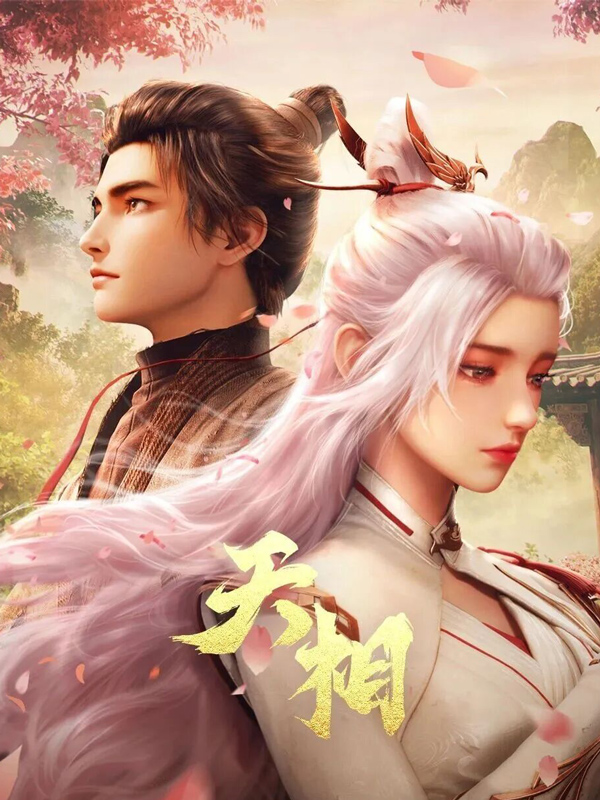
Visually, Divine Manifestation stands out with its distinctive art style and atmospheric direction. The animation captures the ethereal quality of the spirit world, using color palettes that shift from muted tones in somber moments to vibrant hues during action sequences. Scenes like Bai Xi's fiery phoenix attack are rendered with dynamic fluidity, making them standout moments that highlight the series' production values. This attention to detail enhances the overall immersion, drawing viewers deeper into its mystical setting.
Character designs are another strength, with each figure crafted to reflect their personality and role. Ding Xiao's rugged appearance symbolizes his years of struggle, while Ding Ling's delicate features underscore her vulnerability. Liu Feiyan's elegant yet dangerous aura is conveyed through subtle animations, and Bai Xi's cold beauty is accentuated by her commanding presence. These visual choices not only serve the story but also make the characters memorable and easy to connect with.
With 26 episodes planned and weekly updates, the series maintains a steady pace that allows for gradual world-building. Current episodes have already set a high bar for quality, suggesting that Divine Manifestation could influence future Chinese animations. By blending traditional motifs with contemporary techniques, it offers a fresh perspective that honors its cultural roots while pushing creative boundaries, making it a must-watch for anime enthusiasts seeking something beyond the ordinary.