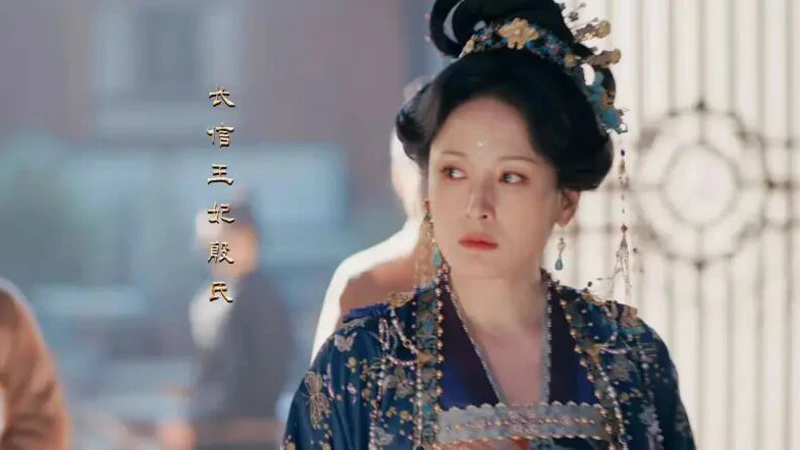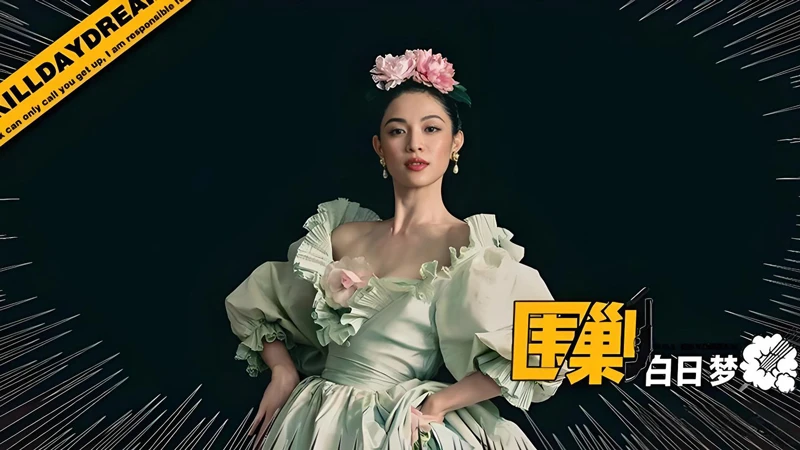
At glamorous industry events, the order of names on invites or the timing of stage appearances often fuels more debate than the performances. Recently, Zhong Chuxi (钟楚曦) sparked online chatter when her placement at a high-profile function drew attention. Why does she, and others like her, fret over such details?
It goes beyond mere pride; it hints at one’s standing in a competitive field. Planners carefully manage requests from representatives, striving to align roles with current recognition. Still, minor disputes can erupt on social platforms, magnifying small oversights into major talking points.
Who truly determines these arrangements? A combination of event managers, brand partners, and the individual’s own sway plays a part. In settings where visibility matters, each choice resonates deeply, prompting observers to read between the lines.

1. The Art of Star Positioning in Events
In the dynamic world of entertainment, the placement of celebrities at public gatherings is a subtle yet critical endeavor. Event organizers constantly grapple with how to arrange high-profile individuals without sparking disputes or overshadowing others. This practice, often referred to as Duan Shui (端水), involves a delicate balancing act that prioritizes harmony over hierarchy. It is not merely about who stands where but about navigating egos, commercial interests, and public perceptions. As events range from galas to award ceremonies, the methods employed reveal much about the industry’s underlying values and tensions. This intricate process ensures that each occasion runs smoothly, avoiding potential conflicts while highlighting collective achievements.
Neutral Placement Strategies
One common approach to sidestep controversy is adopting neutral criteria for ranking celebrities. For instance, organizing participants based on the alphabetical order of their surnames has become a standard method. Since names are given at birth, this system is perceived as impartial and less likely to provoke disagreements among talent teams. It allows organizers to maintain a facade of fairness, reducing the chances of last-minute changes or disputes.
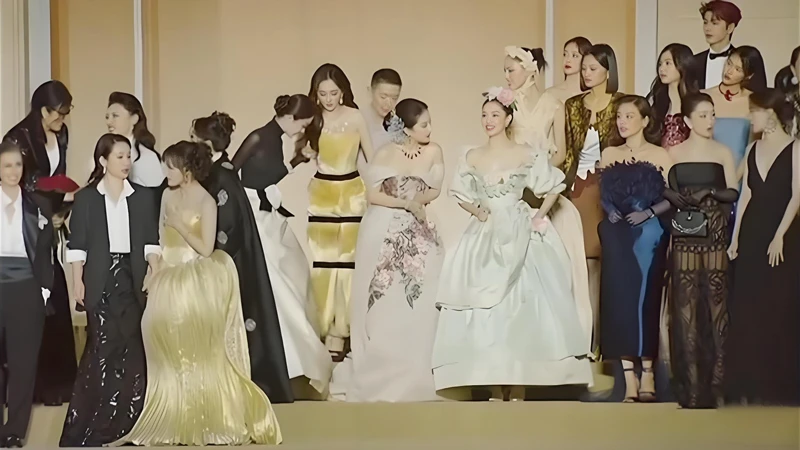
Another tactic involves withholding specific details about the event process from artists and their representatives. By focusing only on broader themes and participation segments, organizers avoid drawing attention to sensitive aspects like name order. This strategy requires careful communication, ensuring that all parties are informed without delving into particulars that could lead to comparisons or demands for preferential treatment.
Despite these precautions, some management firms insist on comprehensive briefings, including runway sequences and overall event structures. Such demands can complicate planning, as they open the door for negotiations over positioning. Organizers often find themselves walking a tightrope, trying to accommodate assertive clients while preserving the event’s equilibrium. This has led to creative solutions, such as circular name arrangements or declaring all participants as lead actors, effectively blurring distinctions.
In one recent high-profile ceremony, the use of a dual center position allowed two major stars to flank the host, showcasing a calculated compromise. This arrangement acknowledged both individuals’ industry impact and commercial appeal without elevating one above the other. It exemplified how Fan Wei (番位) considerations can be managed through innovative design, turning potential conflicts into opportunities for collaborative display.
Contribution Metrics in Platform Events
Platform-specific events, such as those hosted by streaming services, prioritize measurable contributions when determining celebrity placement. Here, an artist’s value is assessed based on their recent work’s performance in driving subscriptions, advertising revenue, and audience engagement. Those with higher impact scores naturally receive more prominent positions, reflecting their role in the platform’s success.
Additional factors include an individual’s career stage and future potential. Established veterans, rising stars with upcoming projects, and those who have delivered hit series in the current year are often given priority. Even mid-career actors who have earned prestigious awards can outrank popular stars, underscoring a blend of artistic merit and commercial viability.
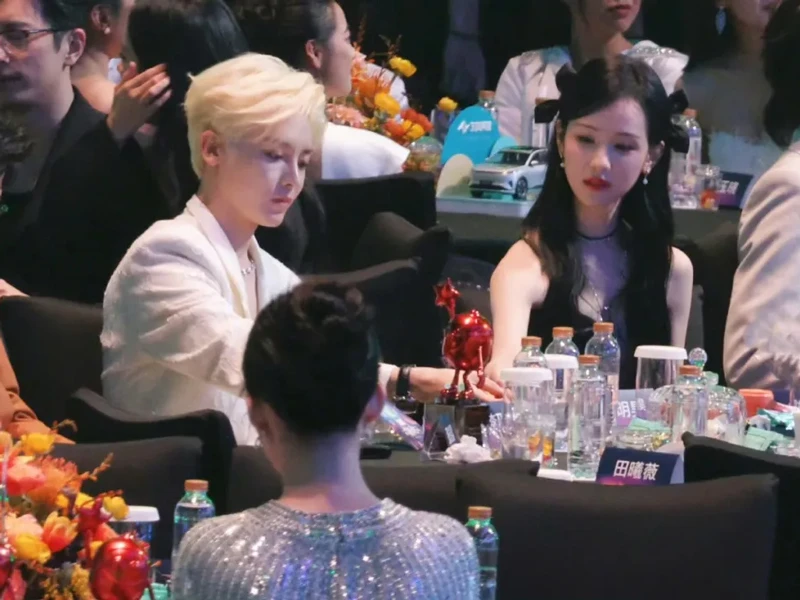
To further minimize direct comparisons, many events have introduced format innovations. For example, red carpet appearances are now often organized by production teams rather than individual artists, fostering a sense of unity. Similarly, seating arrangements have shifted from traditional rows to circular tables or lounge-style setups, which dismantle the notion that front seats equate to higher status.
These changes not only reduce awkward confrontations but also create organic moments for fan engagement, such as observing chemistry between co-stars. By emphasizing group dynamics over individual competition, organizers cultivate an atmosphere of collaboration, aligning with the ethos of Nei Yu (内娱) where collective success often trumps solo glory.
Brand Alliances in Fashion Events
Fashion events operate on a different logic, where brand partnerships take precedence over other metrics. The central driver is often the sponsorship and endorsement deals that celebrities bring to the table. An artist who is strongly supported by a major brand will typically secure the coveted C Wei (C位), or center position, regardless of their recent projects or public popularity.
This system highlights the symbiotic relationship between celebrities and labels. Those with robust fashion resources and the ability to attract advertising collaborations are positioned as key figures, while others may find themselves on the peripheries, a situation described as Xiang Bian (镶边). It is a clear reflection of how commercial interests shape visibility and influence within the industry.
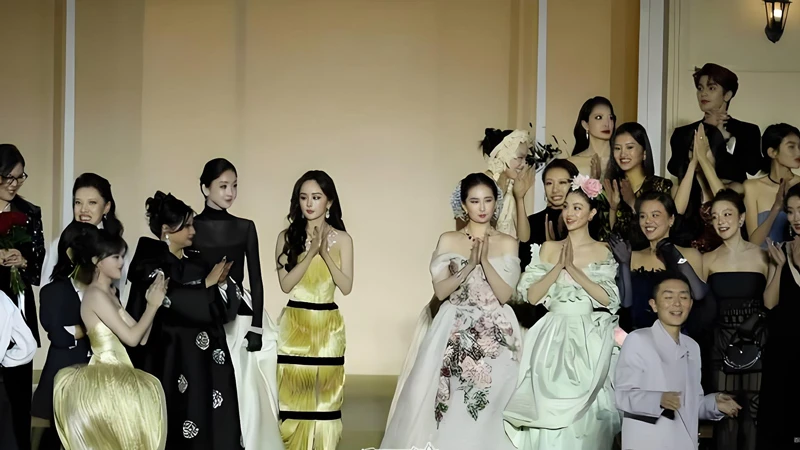
Even artists with critically acclaimed work or striking visuals can be marginalized if they lack strong brand affiliations. This underscores the fashion world’s focus on mutual benefit—where celebrities gain exposure and brands enhance their image through association. The placement decisions here are less about artistic achievement and more about economic value and marketability.
Ultimately, fashion events serve as a barometer for an artist’s brand equity. The hierarchy displayed on runways or at galas is a direct outcome of negotiations and alliances, revealing the power dynamics at play. This approach ensures that events not only showcase style but also reinforce the financial underpinnings that sustain the entertainment and fashion industries.

2. The New Battle for Prominence
In the intricate ecosystem of modern entertainment, a silent negotiation of status unfolds away from the public eye. The fierce battles for top billing, once a common spectacle, have retreated into the structured confines of legal contracts and strategic planning. While the surface appears calmer, the undercurrents of professional standing and perceived value continue to shape collaborations. This shift reflects a broader transformation in how prestige is managed, moving from public spats to pre-emptive, detailed agreements that attempt to map out every possible variable in an inherently unpredictable industry.
Contracts and Clauses
The primary tool for maintaining peace is the exhaustive contract. Representatives for actors now spend considerable time negotiating not just salary, but the minutiae of public presentation. This includes the precise order of names in credits, the relative size of fonts used, positioning in promotional materials, and even approximate screen time. By codifying these elements, teams aim to create a clear, unassailable hierarchy before a single scene is filmed.
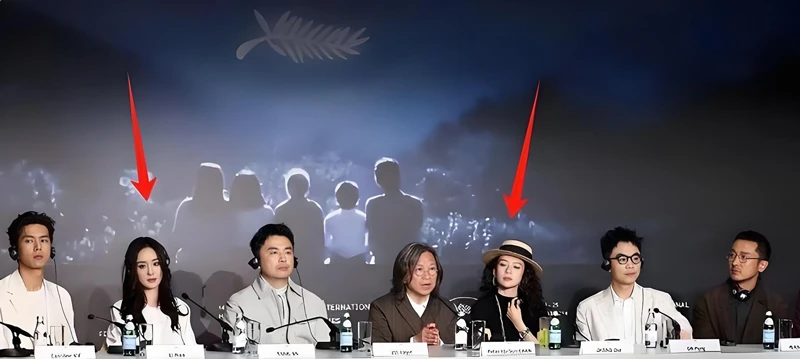
Yet, these carefully laid plans are often at the mercy of a project’s unpredictable fate. An actor in a supporting role might unexpectedly capture the audience’s attention through a viral performance. When this happens, their team may pressure producers to adjust the previously agreed-upon billing, arguing that their client’s newfound popularity warrants a higher position. This creates tension with the lead actor’s team, who negotiated their spot based on the original power dynamic.
Conversely, a string of commercially unsuccessful projects can weaken an artist’s negotiating power. Faced with a choice between standing firm on a contractual clause and securing a desirable role, an actor might reluctantly accept a lower billing than initially promised. The industry’s memory is long, and current market value often trumps past glory in these behind-the-scenes calculations.
Hidden Negotiations
Beyond film and television, the battle for prominence plays out at major events like award ceremonies and fashion galas. The order in which celebrities walk the red carpet or are seated is a carefully choreographed language of status. The final position, known as the Ya Zhou (压轴), is the most coveted, reserved for the individual with the greatest perceived prestige that evening.
The tactics to secure this spot have evolved. Gone are the days of blatantly refusing to leave a car. Now, an artist might employ more subtle strategies, such as claiming that their hair and makeup require extra time, deliberately delaying their arrival until the moment of peak media exposure. This passive-aggressive approach allows them to pursue a prime slot without explicitly breaking rules or causing a direct confrontation.
Another common strategy is Wang Bu Jian Wang (王不见王), which translates to “kings do not meet.” If two major stars of similar stature are invited to the same event, their teams might coordinate to ensure they are never directly compared. This can mean one attends the beginning and the other the very end, or one may even withdraw entirely to avoid being photographed or interviewed alongside a perceived rival.
New Strategies
To sidestep the issue altogether, many productions have adopted a system of classified roles. Instead of a simple “starring” list, a series might credit its cast as “Lead Performer,” “Special Guest,” and “Co-star.” This creates a veneer of equality while still maintaining an internal hierarchy. It allows all involved to save face and present a united front to the public, even if the industry insiders understand the subtle distinctions.
A practical factor contributing to the decline in public disputes is a slowdown in production. With fewer projects being greenlit, the competition for roles has intensified. For most artists, the priority has shifted from fighting for top billing to simply securing work. This market reality has made many more willing to compromise on their contractual demands, fostering a less combative atmosphere on many sets.
Furthermore, a cultural shift is occurring. There is a growing appreciation for public displays of humility and mutual support. A viral moment from a recent gala, where one actress gently pulled another toward the center for a group photo, was widely praised online. This suggests that audiences are beginning to value graciousness and professional camaraderie as much as, if not more than, a solitary position at the front.

3. The Struggle for Spotlight in Showbiz
In the entertainment industry, the order in which names appear on a project can ignite fierce behind-the-scenes battles. This focus on billing position, known as Fan Wei, is not merely about ego but is deeply connected to financial gains and audience expectations. For performers, their place in credits often influences income, career opportunities, and public image, creating a complex web of motivations that drive decisions and conflicts.
The Economics of Eminence
Securing the top spot, referred to as Yi Fan (一番), brings substantial monetary benefits. Industry sources indicate that the gap between first and second billing can mean a difference of over a million dollars in earnings. This affects various revenue streams, including brand endorsements and appearance fees, where companies use past Fan Wei to gauge a star’s market value and appeal.
Beyond immediate income, Fan Wei shapes the caliber of projects an artist is offered. Those with higher billing tend to receive leads in major productions, while others may be relegated to secondary roles. In a visibility-driven field, advancing in billing order is often viewed as a necessary step for career growth and maintaining relevance amid intense competition.
This pursuit, however, is not always a personal choice. Many artists feel compelled to engage in these contests due to structural pressures within the industry, where ranking directly impacts long-term viability and access to premium opportunities.
Fan-Driven Frenzy
Audiences frequently amplify Fan Wei disputes through online campaigns and social media debates. In one instance, followers of two prominent actors clashed over their idols’ perceived status after a public event, each side arguing for superior recognition based on achievements and influence. These conflicts often revolve around symbolic validation of an artist’s standing.
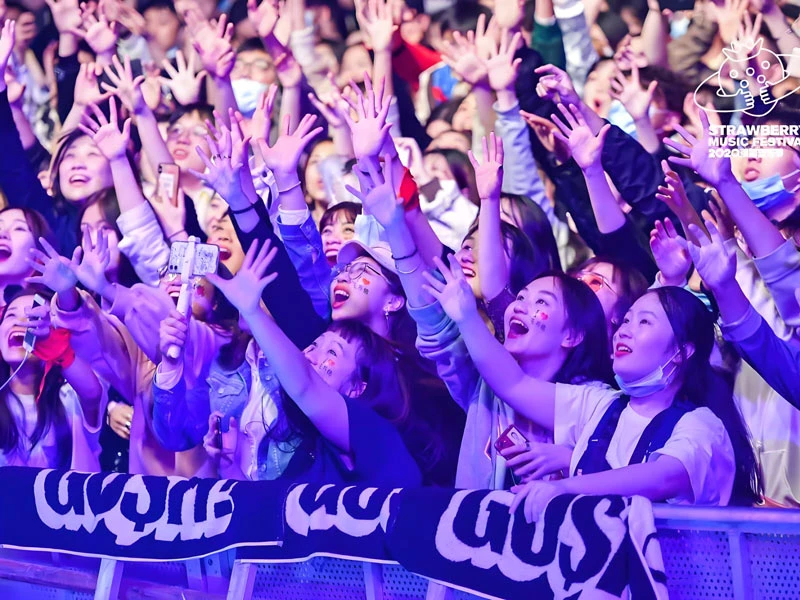
Such fan activism can pressure management teams to intervene in billing negotiations. Studios and agencies, dependent on fan bases for support in promotions and sales, find it challenging to ignore these demands. Even when platforms attempt to balance credits, fan dissatisfaction can lead to public backlash, forcing revisions to maintain harmony.
The dynamic is mutually reinforcing: fans demonstrate loyalty through advocacy, and artists may harness these situations to strengthen community ties. This interplay turns Fan Wei into a mechanism for fostering engagement, though it sometimes escalates into uncontrolled rivalries.
Unseen Perils
Achieving top billing carries inherent risks, as artists in the Yifan position assume full accountability for a project’s outcome. If a series fails to meet expectations, they face criticism and potential damage to their reputation, as seen in recent cases where underperforming works led to public scrutiny and reduced future prospects for involved stars.
Overemphasizing Fan Wei without corresponding talent can repel viewers. Audiences often prefer authentic performances over positional squabbles, and artists who insist on ranking without strong work may lose goodwill. This erosion of support can hinder career longevity and audience connection.
In some scenarios, Fan Wei disputes are intentionally sparked as promotional tactics. Producers facing low project awareness might initiate ranking controversies to attract attention, knowing that such topics generate quick publicity. This strategy, while effective short-term, can distort artistic priorities and foster a toxic environment.
Beyond the Billing
Lasting success in entertainment depends more on artistic merit than billing order. Recently, supporting roles have gained significant attention, showing that a powerful performance can outshine formal credit positions. Characters that resonate deeply with viewers often become the highlight, regardless of their listed rank.
This shift reflects evolving audience preferences, where quality and emotional impact outweigh superficial indicators. Artists who concentrate on developing their skills and delivering memorable portrayals tend to build more stable careers compared to those fixated on hierarchical conflicts.
Fan Wei should serve as an enhancement to real achievements, not a replacement. The true value of a performer lies in their ability to inspire and connect, elements that transcend any billing order and define enduring legacy in the arts.

4. What Matters Long-Term
Based on the provided articles, the struggle for prominent positioning, or “Fan Wei,” is a significant issue in the entertainment industry. This goes beyond ego, directly impacting an artist’s income, brand value, and career opportunities. Event organizers employ various strategies to manage this, such as using alphabetical order or emphasizing group appearances to avoid disputes.
The dynamics differ by event type. For platform events, placement is often based on an artist’s measurable commercial contribution, while in fashion, brand partnerships and endorsements are the primary drivers. Furthermore, fan communities actively engage in online battles over their idols’ status, which can influence negotiations.
While fierce contractual battles for top billing now often occur behind the scenes, the article concludes that a lasting career ultimately depends more on artistic merit and resonant performances than on formal credit positions. True success transcends these hierarchical conflicts.
https://youtu.be/Z4NTJPOcppk