-

How Did Fight for Love Reshape Historical Drama Succes?
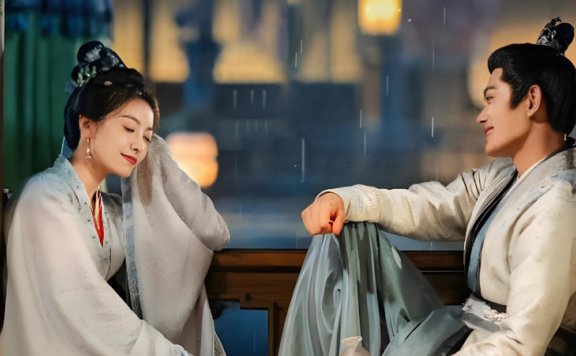
In late 2025, the television landscape witnessed an unprecedented event when Fight for Love (山河枕) premiered and soared to the top of viewership charts within thirty-seven minutes. This historical drama, adapted from Mo Shu Bai's (墨书白) novel, generated a frenzy across digital platforms. On Tencent Video, its popularity index shattered records, climbing past twenty-two thousand in the first hour. Social media erupted with discussions, as hashtags related to the show accumulated billions of views. The series quickly transformed from a highly anticipated release into a cultural phenomenon, demonstrating that compelling storytelling could achieve instant resonance without a gradual buildup. Its rapid ascent not only captured audience attention but also set new benchmarks for the genre. Production Quality The creators of Fight for Love invested significantly in physical sets and authentic details, moving away from heavy reliance on digital effects. They constructed expansive environments like the Wei Fu (卫府) estate, spanning over twenty thousand square meters, to reflect the grandeur of historical aristocratic homes. Costume designers prepared more than two thousand outfits, each tailored to illustrate character journeys through subtle visual cues. This attention to material authenticity provided a tangible depth that viewers found refreshing and immersive. Battle sequences were filmed…- 111
- 0
-
Cao Jun's Ming Attire: Is This the Grown-Up Nezha?
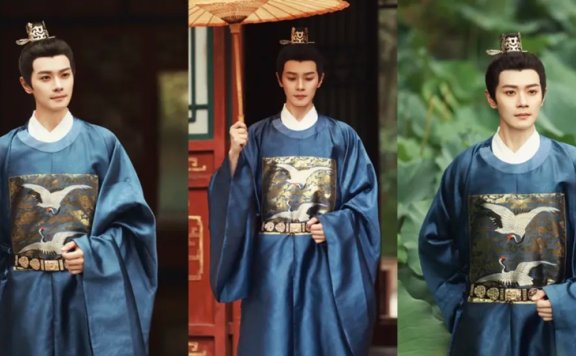
When Cao Jun (曹骏) recently shared photos in Ming-style Hanfu, fans were stunned—many saw echoes of his childhood role as Nezha (哪吒), sparking online buzz about his transformation and the timeless elegance of traditional Chinese attire. This resurgence highlights how modern celebrities can bridge history and today, making ancient garments relevant in our fast-paced world while protecting cultural heritage from misappropriation. As discussions flourish, it's clear that Cao Jun's choice isn't just fashion; it's a statement about identity and continuity in a globalized era. Ming Official Attire Ming Dynasty official clothing featured three main types: Changfu (官服) for daily wear, Gongfu (公服) for formal events like meetings, and Chaofu (朝服) for grand ceremonies. Each served distinct roles, with Changfu (常服) resembling professional suits through its long robe design—often with round or crossed collars and wide sleeves. Officials wore these as standard work attire, where visual cues like embroidered patches signaled rank without confusion. The key element in Changfu was the "Buzi" (补子) patches, small embroidered squares on the chest and back that instantly conveyed status. Unlike Gongfu, which used subtle patterns and colors for differentiation, Changfu relied on these vivid symbols to avoid ambiguity during routine duties. Historical records show…- 85
- 0
Cao Jun


Scan to open current page
-
$CouponsLimitation of use:Expired and UnavailableLimitation of use:
before
Limitation of use:Permanently validCoupon ID:×Available for the following products: Available for the following products categories: Unrestricted use:Available for all products and product types