
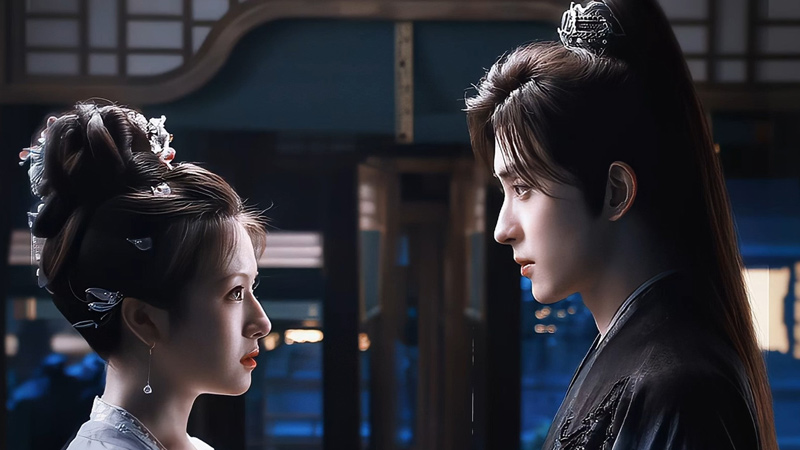
Li Landi’s journey in costume dramas is a tale of quiet defiance. Six years ago, she faced harsh criticism for her round face in Back to the Qing Dynasty (梦回大清), deemed unsuitable for the ethereal beauty standards of historical epics. Yet, she persisted, steadily appearing in period pieces like The Starry Love (星落凝成糖) and Love of Nirvana (流水迢迢). Now, starring in the sleeper hit Coroner’s Diary (朝雪录), Landi isn't just accepted; she's celebrated as a captivating presence, her performance silencing past detractors.
The drama, co-starring Ao Ruipeng (敖瑞鹏), has dominated viewership charts since its debut, its success proving far more complex than mere aesthetics. Landi’s transformation extends beyond physicality; it’s a honing of craft, evident in her powerful delivery and nuanced portrayal that anchors this gripping detective saga set against imperial intrigue. This drama’s triumph signifies a shift, proving substance and skillful storytelling can captivate audiences as much, if not more, than conventional glamour.
Forensic Brilliance Fuels the Plot
Coroner’s Diary thrives on its compelling fusion of mystery and meticulous deduction. Landi plays Qin Wan (秦莞), daughter of a disgraced minister massacred with his family. Assuming a noble woman’s identity, she crosses paths with Yan Chi (Ao Ruipeng), a prince’s son seeking justice for his own family’s downfall. Their shared goal forms an unlikely alliance. Qin Wan’s unique skill set elevates the narrative: she’s a physician and a highly skilled coroner. This forensic expertise drives the plot forward, making each case a puzzle solved through keen observation and scientific analysis, not just intuition or luck.
The premiere wastes no time, plunging viewers into the macabre "Headless Bride" case during a chaotic wedding procession. Qin Wan’s examination reveals staged blood spatter, a hidden pregnancy, and a discarded lover’s ambition, leading to a chilling confession. Her philosophy, "Healing arts save bodies; forensic arts save hearts," underscores the drama’s core: using death’s clues to uncover living truths and restore fractured justice.
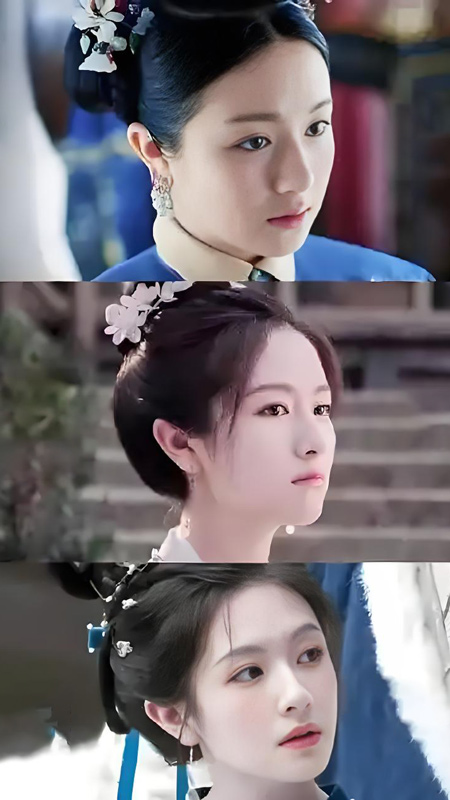
The subsequent "Well of Bones" case deepens the emotional resonance. Discovering thirteen sets of young female remains buried secretly exposes a horrifying network of trafficking, abuse, and aristocratic complicity. The matriarch of the Qin family, Qin Wan’s supposed benefactors, actively participated in silencing these victims. This case transcends simple detective work; it becomes a harrowing excavation of systemic cruelty and buried suffering.
Qin Wan’s meticulous, respectful handling of the bones contrasts starkly with the callousness that condemned these girls. Her anger and profound sorrow are palpable as she vows, "They endured too much suffering. I won’t let anyone harm them further." The drama excels in these moments, intertwining forensic detail with raw human emotion and social critique, making the pursuit of truth feel both intellectually stimulating and morally urgent.
A Healer for the Dead and Living
Beyond its intricate plots, Coroner’s Diary shines through its protagonist. Qin Wan defies the stereotypical cold, detached detective genius. While burdened by vengeance and often solemn, she possesses a profound, quiet empathy. Her forensic work is never clinical; it’s an act of profound respect and advocacy for the voiceless. This compassion defines her character arc. After solving the "Headless Bride" case, she meticulously cleanses and reassembles the victim’s body, restoring dignity stolen by violence.
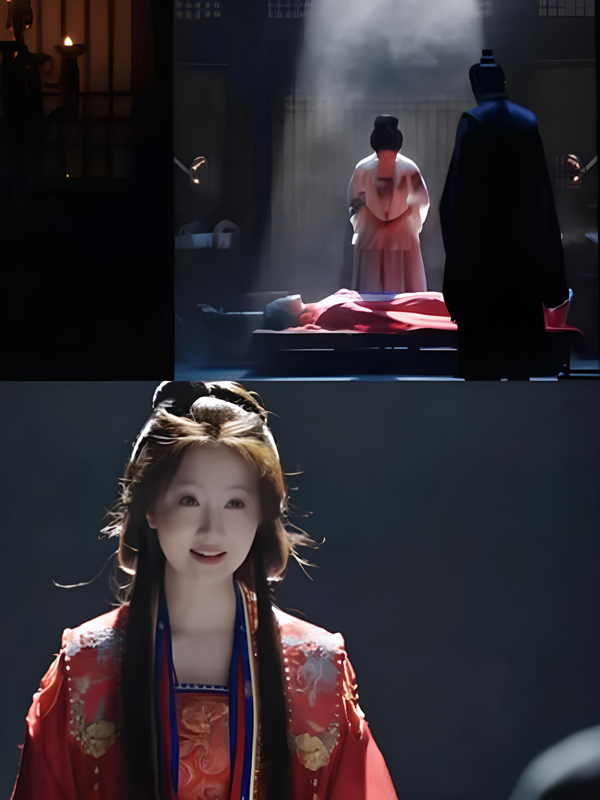
The poignant moment where she bows deeply to the reconstructed corpse, met by an ethereal smile and a whispered "Thank you," powerfully illustrates her belief in restoring dignity beyond solving the crime. Her mission isn't merely identifying perpetrators; it’s about acknowledging the humanity destroyed and offering a semblance of peace, both for the dead and those left grieving.

This empathetic core makes her confrontation with the "Well of Bones" tragedy particularly devastating. Her grief isn't professional detachment; it’s visceral outrage at the scale of injustice and the complicity of powerful families like her own supposed protectors. Her determination to give these forgotten souls proper rites, washing their bones under the rain, is a moving testament to her character’s strength and moral compass.
Landi masterfully conveys this complex blend of steely resolve, profound sorrow, and unwavering compassion. Qin Wan’s warmth isn't expressed through overt sentimentality but through her unwavering commitment to justice tempered by deep respect for life and death, making her a uniquely compelling heroine in the genre.
Navigating Genre Conventions
Despite its strengths, Coroner’s Diary isn't immune to the common pitfalls of its genre. The narrative occasionally relies too heavily on fortuitous coincidences to propel Qin Wan forward. Her initial low status within the Qin household is improbably reversed by stumbling upon the Emperor’s sister, the Grand Princess, who conveniently collapses in public. Qin Wan’s instant diagnosis and cure of a royal ailment feels like a narrative shortcut, granting her a powerful patron through sheer, unbelievable luck. This reliance on "golden finger" moments undermines the otherwise earned nature of her skills and intelligence established through her forensic work.
The romantic subplot between Qin Wan and Yan Chi (燕迟) also suffers from awkward integration. Their burgeoning feelings often feel abruptly inserted into the main investigative narrative, lacking sufficient organic build-up in the early episodes. The show sometimes resorts to heavy-handed techniques like internal monologues, glaring spotlight effects, and intrusive background music to manufacture chemistry that the actors haven't yet fully developed on screen. This forced romantic tension detracts from the far more compelling dynamics of their investigative partnership and shared quest for justice.
Ironically, the drama demonstrates it doesn’t need a forced love story; the tightly woven mysteries and Qin Wan’s compelling journey are more than sufficient to sustain audience interest. Removing or significantly refining this element would enhance the show’s focus and power.