-
To Win Music Variety Shows: Is Diss the Secret Weapon?
In today's competitive television landscape, music variety shows face a pivotal moment. Singer 2025 (歌手2025) generates buzz through external critiques and hit songs, while The Rap of China 2025 (新说唱 2025) fuels online discourse with its raw, confrontational style. Both programs harness dissent to engage viewers, yet their long-term impact will depend on authentic artistry rather than manufactured drama. Diss Culture Ignites TV Wars Music competition programs have discovered a potent method to capture public attention. A recent series of events on a popular rap show demonstrates how controlled conflict can drive viewership. This approach involves participants openly criticizing each other, creating moments that spread rapidly across social platforms. What begins as on-screen tension quickly evolves into widespread online discussions, influencing the show's popularity. This phenomenon is not entirely new, but its execution has become more deliberate. Producers now recognize the value of such interactions in a crowded entertainment landscape. The strategy taps into audience desires for authenticity and drama, blending them into a compelling narrative. As these scenes unfold, they generate buzz that transcends the program itself, becoming cultural touchpoints. This dynamic reshapes how music television operates, prioritizing engagement over traditional metrics. Show Sparks The program The Rap of…- 47
- 0
-
Singer 2025: When Shan Yichun's "Loss" Became Her Greatest Win
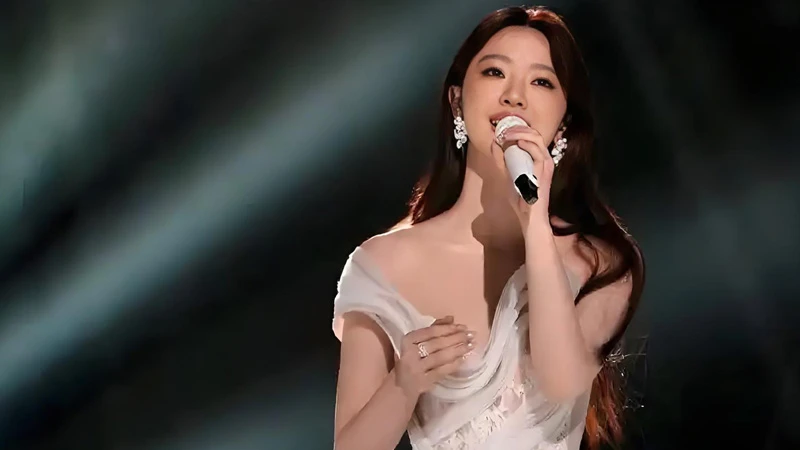
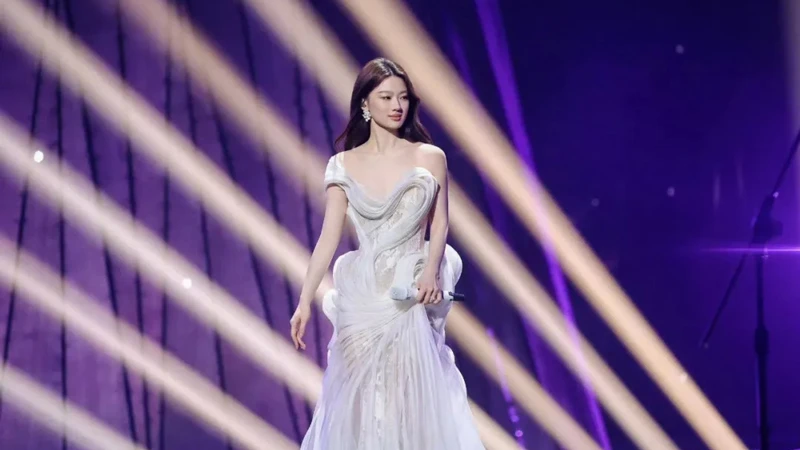
When Shan Yichun (单依纯) didn't claim the champion's trophy on Singer 2025's finale night, a collective sigh of relief rippled through the audience. This unexpected outcome became the most authentic victory in her evolution from competition prodigy to genuine artist. The season, plagued by lackluster lineups, copyright-limited song selections, and visibly exhausted contestants like GAI who openly expressed frustration, stumbled toward its conclusion. What remained in public memory weren't musical triumphs, but viral moments: viewers mocking "untalented" idols, host Shen Mengchen nervously avoiding the phrase "sounds bad" on air, and judge Hu Haiquan's awkward "perfect harmony" comment about Shan Yichun and Wang Leehom's duet. The championship, once held by legends like Na Ying (那英), had transformed into a burdensome token—devoid of prestige yet potent enough to ignite three days of trending backlash for any recipient. The Crown That Crushed All eyes had initially crowned Shan Yichun the predetermined winner. Her reputation preceded her: a The Voice of China (中国好声音) champion who dominated that competition with such effortless brilliance that mentors dreaded facing her. Her renditions consistently topped music charts, revitalizing the show. Even notoriously harsh critic Ding Taisheng (丁太升) hailed her as "a gift to the Chinese music scene." Her…- 436
- 0
❯
Profile
Check-in
Message
Message
Search
Contact Us
Scan to open current page
Top
Checking in, please wait
Click for today's check-in bonus!
You have earned {{mission.data.mission.credit}} points today!
My Coupons
-
$CouponsLimitation of use:Expired and UnavailableLimitation of use:
before
Limitation of use:Permanently ValidCoupon ID:×Available for the following products: Available for the following products categories: Unrestricted use:For all products
No available coupons
Daily tasks completed: