

Peering into the theater screen, I didn’t just watch "Shen Zhou 13" (窗外是蓝星). It is China’s first space documentary filmed by astronauts, and I stepped into a raw, 8K orbit diary where Shenzhou-13’s 183 days unfolded not as a blockbuster, but as a soul-stirring cosmic whisper.
A Glimpse Through the Hatch
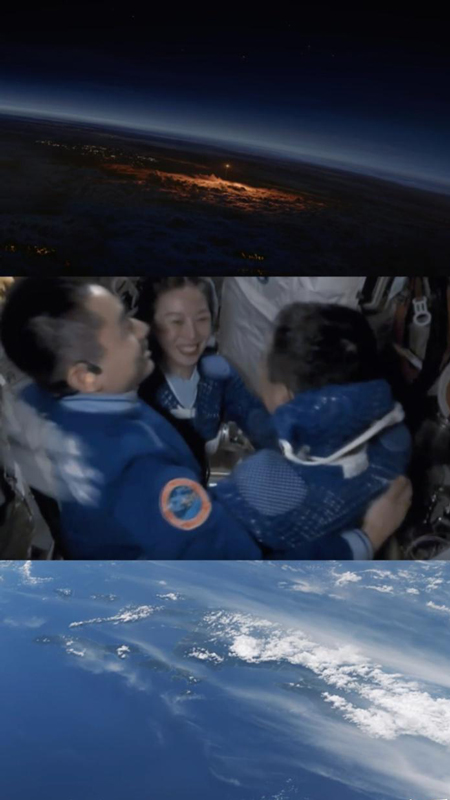
I finally saw "Shen Zhou 13", China's first documentary filmed in space by the astronauts themselves. It’s not a blockbuster with special effects; it’s something far more powerful. It’s a raw, intimate diary from orbit, and it left me, like many others in the theater, profoundly moved.
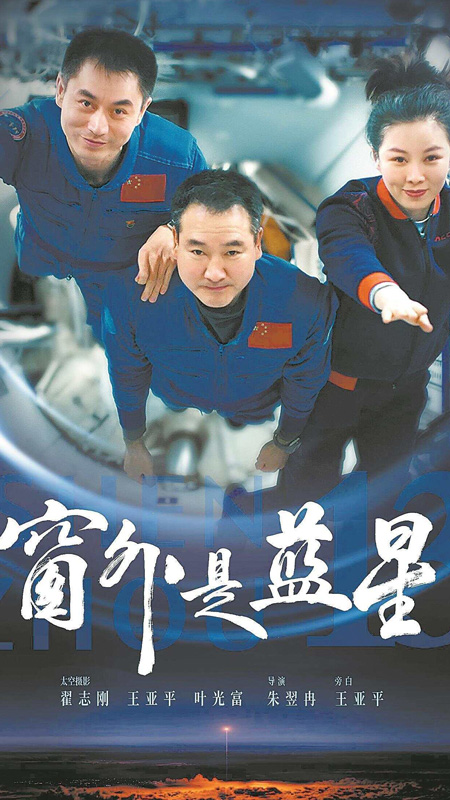
The film documents the 183-day mission of the Shenzhou-13 crew aboard the Chinese space station. The visuals, captured in stunning 8K clarity, are breathtaking. But the true impact lies in its simplicity. There are no scripted lines. We hear the calm, measured voice of astronaut Wang Yaping (王亚平) guiding us through the experience, her narration providing a deeply personal anchor to the cosmic spectacle.
A New Perspective
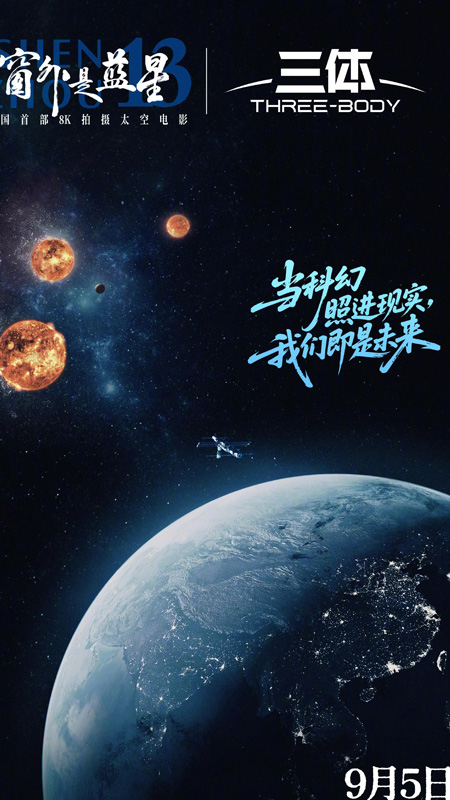
The opening sequence alone is worth the price of admission. The launch of the Shenzhou-13 (神舟十三号) spacecraft is visceral. The screen erupts not with computer-generated fire, but with the real, violent, and beautiful combustion of a rocket achieving liftoff. It’s a raw display of power that quickly gives way to the serene silence of space.
Then, you see it. The Blue Planet. Earth, as few have witnessed it firsthand. The film offers a perspective that instantly re-calibrates your sense of scale. The vastness of the Himalayas, the sweeping curves of the North China Plain, and the stark beauty of the Takhlimakan Desert are rendered as intricate patterns on a fragile marble suspended in blackness. It’s a humbling sight that makes daily anxieties feel incredibly small.
The Human Touch
What truly sets this film apart is its focus on the people, not just the mission. We see the astronauts as they are: highly trained professionals who are also homesick humans. We watch Zhai Zhigang (翟志刚) crack jokes while floating around the module. We see Ye Guangfu (叶光富) quietly gazing out the window, a look of wistfulness and determination in his eyes.
One of the most relatable moments comes from Wang Yaping. She describes the palpable fear during her first spacewalk, the instinctual glance at the safety tether, the terrifying thought of drifting away forever. This vulnerability is powerful. It strips away the "superhero" image and reveals the immense courage it takes to do their job.
The small details get you. A pink rabbit plush toy, a gift from Wang Yaping’s daughter, floating gently in microgravity. The crew celebrating the Lunar New Year, dressed in traditional red outfits, enjoying bountiful packets of Jiaozi (饺子) dumplings, with Wang specifically longing for her hometown's mackerel variety. This is where the film finds its heart—in the intersection of groundbreaking achievement and simple, human emotion.
A Message for the Future
The technology behind the film is a story in itself. Specially designed 8K cameras were sent to the station, two of which completed their mission by burning up in the atmosphere aboard a cargo spacecraft—a fittingly poetic end. The clarity is unprecedented, serving as a valuable historical archive for future generations.
The central theme, echoed in Wang Yaping’s narration, is that Earth is humanity's cradle, but we cannot stay in the cradle forever. The film doesn’t present this as a cold, scientific imperative. It’s framed as a natural progression of human curiosity and bravery, akin to our ancestors setting sail on primitive boats to explore unknown oceans.
The most poignant message comes from a conversation Wang Yaping recalls. Before her mission, U.S. astronaut Katie Coleman told her: "When you look out the window at the stars and see our Earth, remember, billions of women are looking out that window with you." This sentiment transcends borders and politics, connecting us all under a shared sky.
Final Thoughts
"Shen Zhou 13" is more than a documentary; it’s an experience. It’s a quiet, contemplative, and ultimately optimistic look at our place in the universe.It argues that our greatness isn’t just in our ability to reach into the cosmos, but in the fundamental human bonds that propel us there: bonds of love, curiosity, and shared purpose.
It’s a reminder that sometimes, you need to go all the way to space to truly appreciate home. If you need a shift in perspective, to feel both insignificant and inspired, this is the film to watch.
